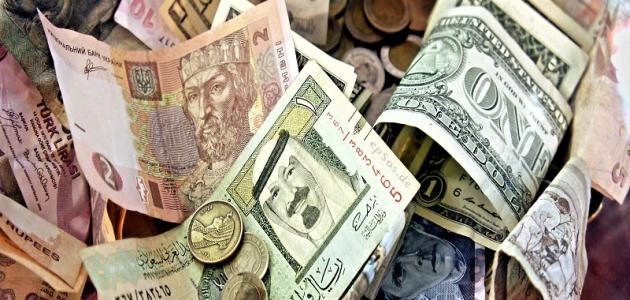
 Free Source Library — Exploring the diverse and intricate financial landscape of Arab nations reveals much about their history, culture, and economic ambitions.

The Arab World: An Economic and Cultural Tapestry
The Arab world, composed of 22 member states of the Arab League, constitutes a vast region inscribed with a rich mosaic of cultural heritage, linguistic unity, and historical interconnectedness. While sharing a common linguistic root—Arabic—each nation bears its own unique identity, shaped by centuries of history, geography, political development, and socio-economic trends. From the towering deserts of Saudi Arabia engulfed by the expansive sands of the Rub’ al Khali to the Mediterranean coastline of Lebanon characterized by vibrant urbanism, this region embodies contrasting landscapes and societal structures. Understanding the economic posture of these nations extends beyond mere geography. It offers a window into their aspirations, challenges, and the balancing act between tradition and modernity. In particular, currencies serve as vital markers within this complex matrix. They are not just means of transactional exchange but symbols of sovereignty, economic resilience, and sometimes, geopolitical influence. This comprehensive overview aims to deepen the reader’s understanding by exploring each Arab country’s capital and currency, analyzing the economic implications behind these currencies, and contextualizing their roles within regional and global markets.
The Genesis and Scope of the Arab League
Established in 1945, the Arab League’s formation marked a significant step towards regional political and economic unity. Starting with just six founding members—Egypt, Iraq, Jordan, Lebanon, Saudi Arabia, and Syria—the organization grew over the subsequent decades to encompass nations across North Africa and the Middle East, ultimately uniting 22 sovereign states as of today. The constituent countries exhibit a broad spectrum of government types, from hereditary monarchies like Saudi Arabia and Kuwait to republics such as Egypt and Iraq. Their economies vary—some are heavily reliant on hydrocarbon exports, while others emphasize agriculture, tourism, manufacturing, or financial services. Despite political differences and diverse economic models, these nations are linked through trade, cultural affinities, and shared geopolitical interests. In analyzing their currencies, one notes that they not only reflect economic strength but are also deeply tied to state sovereignty and regional influence. These monetary units serve as barometers for stability, economic policy, and regional integration.
Exhaustive List of Arab Countries, Capitals, and Currencies
| Country | Capital | Currency |
|---|---|---|
| Algeria | Algiers | Algerian dinar (DZD) |
| Bahrain | Manama | Bahraini dinar (BHD) |
| Comoros | Moroni | Comorian franc (KMF) |
| Djibouti | Djibouti | Djiboutian franc (DJF) |
| Egypt | Cairo | Egyptian pound (EGP) |
| Iraq | Baghdad | Iraqi dinar (IQD) |
| Jordan | Amman | Jordanian dinar (JOD) |
| Kuwait | Kuwait City | Kuwaiti dinar (KWD) |
| Lebanon | Beirut | Lebanese pound (LBP) |
| Libya | Tripoli | Libyan dinar (LYD) |
| Mauritania | Nouakchott | Mauritanian ouguiya (MRU) |
| Morocco | Rabat | Moroccan dirham (MAD) |
| Oman | Muscat | Omani rial (OMR) |
| Palestine | Ramallah | Israeli new shekel (ILS) |
| Qatar | Doha | Qatari riyal (QAR) |
| Saudi Arabia | Riyadh | Saudi riyal (SAR) |
| Somalia | Mogadishu | Somali shilling (SOS) |
| Sudan | Khartoum | Sudanese pound (SDG) |
| Syria | Damascus | Syrian pound (SYP) |
| Tunisia | Tunis | Tunisian dinar (TND) |
| United Arab Emirates | Abu Dhabi | UAE dirham (AED) |
| Yemen | Sana’a | Yemeni rial (YER) |
Decoding the Economic Significance of Arab Currencies
Each currency in the Arab region encapsulates a nuanced story of resource wealth, economic dependency, historical evolution, and geopolitical influence. Let’s evaluate their significance individually, along with their roles within the regional and international economy.
Major Currencies and Their Economic Narratives
1. Algerian Dinar (DZD)
The Algerian dinar symbolizes North Africa’s wealth in oil and natural gas. The country’s economy is predominantly hydrocarbon-driven, which means that fluctuations in global energy markets directly influence the dinar’s stability and value. Despite efforts to diversify, oil revenues historically constitute most of government income. Political stability and economic reforms aim at reducing dependence on volatile oil prices.
2. Bahraini Dinar (BHD)
Ranking among the highest valued currencies globally, the Bahraini dinar reflects the Gulf state’s strategic focus on financial services, banking, and tourism. Despite limited natural resources compared to neighbors, Bahrain leverages its financial sector for regional and international influence. Its currency’s strength indicates investor confidence in its fiscal management and stability.
3. Kuwaiti Dinar (KWD)
As the strongest currency in the world, the Kuwaiti dinar signifies Kuwait’s extensive oil reserves, stable governance, and forward-looking economic policies. The government’s sovereign wealth fund invests worldwide, ensuring long-term economic resilience. The KWD’s high valuation underscores Kuwait’s privileged position within the global oil economy.
4. Omani Rial (OMR)
Pegged to the US dollar, the Omani rial exemplifies monetary stability. Oman’s push toward diversification includes expanding tourism, manufacturing, and logistics sectors. Its currency stability attracts foreign investment, crucial for economic modernization in the Sultanate.
5. Saudi Riyal (SAR)
The Saudi riyal’s value is closely tied to global oil prices, given Saudi Arabia’s position as the world’s leading oil exporter. The Kingdom’s Vision 2030 policy seeks to diversify the economy, encouraging non-oil sectors like entertainment, technology, and tourism. As this transformation unfolds, the riyal’s stability will depend on the success of these reforms.
6. UAE Dirham (AED)
The UAE dirham is a regional powerhouse, serving as a currency anchor for GCC monetary policy. Its value is pegged to the US dollar, fostering investor trust. The UAE’s diversified economy—spanning finance, real estate, hospitality, and trade—enhances the resilience of its currency.
7. Egyptian Pound (EGP)
The EGP has experienced volatility, often reflecting political upheaval, inflation, and IMF-recommended reforms. Egypt’s efforts focus on stabilizing the currency, attracting foreign investment, and boosting tourism—key to its economic recovery.
8. Iraqi Dinar (IQD)
Despite its vast oil reserves, the Iraqi dinar faces obstacles stemming from years of conflict, governance issues, and infrastructure rebuilding challenges. Recent reforms aim to stabilize the currency and restore confidence among domestic and international investors.
9. Lebanese Pound (LBP)
The Lebanese pound’s decline epitomizes socio-political chaos, economic mismanagement, and unsustainable debt levels. International financial aid and structural reforms are vital for stabilization, but prospects remain uncertain amidst ongoing turmoil.
10. Jordanian Dinar (JOD)
Relatively stable, the JOD benefits from sound fiscal policies, a strategic geographic position, and financial support from international partners. Its economy is service-oriented, with significant remittance inflows—particularly from expatriates.
Economic Interactions and Regional Trade Dynamics
The currencies of Arab nations function within a web of trade, investment, and diplomatic ties. Initiatives like the Arab Free Trade Area aim to foster intra-regional commerce, reduce reliance on external economies, and build resilience against global shocks. However, disparities among currencies reflect deeper economic divides. Gulf Cooperation Council (GCC) currencies like the KWD and AED demonstrate regional wealth and stability, contrasting with currencies from conflict-affected states such as Syria and Yemen, which face multiple economic headwinds. Regional infrastructure projects—including pipelines, port development, and digital connectivity—further influence currency stability and economic growth.
Implications and Challenges for the Region’s Currencies
While some Arab currencies enjoy strength and stability, others grapple with inflation, devaluation, or restrictions. These issues can hinder economic development, impair trade negotiations, and influence foreign investment. Below is a comparative overview:
| Currency | Region | Typical Stability | Linked To | Major Challenges |
|---|---|---|---|---|
| Algerian dinar (DZD) | North Africa | Moderate, dependent on oil prices | Oil prices, government policies | Economic diversification, political reforms |
| Bahraini dinar (BHD) | Gulf Cooperation Council | High, stable | US dollar peg | Economic diversification beyond oil |
| Kuwaiti dinar (KWD) | GCC | Very high, extremely stable | Oil reserves, sovereign wealth fund | Global oil market fluctuations |
| Egyptian pound (EGP) | North Africa | Volatile, reforms underway | Economic reforms, tourism | Inflation, political stability |
| Lebanese pound (LBP) | Levant | Severely devalued & unstable | Political crises, external debt | Political stability, economic reform |
Deeper Dive: The Role of Monetary Policy and External Factors
Arab currencies are deeply impacted by broader external forces, such as global oil prices, US dollar fluctuations, geopolitical tensions, and international financial policies. For example, pegged currencies like the Omani rial and UAE dirham derive stability from their US dollar linkages, but this can limit monetary policy flexibility. Conversely, floating currencies like the Egyptian pound are more vulnerable to external shocks but offer policymakers greater control over domestic monetary supply and inflation. Critical factors affecting currency health include: – Oil price volatility – Foreign direct investment (FDI) – Sovereign debt levels – Political stability or unrest – International monetary agreements Monitoring these factors enables better prediction of currency trajectories and economic resilience across the region.
Case Studies: Currency Dynamics and Economic Outcomes
Case Study 1: The Gulf Financial Boom
The Gulf Cooperation Council nations, especially Kuwait, Bahrain, and the UAE, have harnessed their resource wealth to diversify economies and maintain strong currencies. The pegging of their currencies to the US dollar has fostered investor confidence. Their proactive monetary policies, infrastructure investments, and strategic partnerships have created resilient economic environments, even amid global fluctuations.
Case Study 2: Crisis and Collapse: Lebanon’s Currency Collapse
Lebanon’s currency crisis illustrates how political chaos, fiscal mismanagement, and external debts can undermine a currency’s stability. Since 2019, the Lebanese pound has plummeted, triggering inflation, shortages of basic goods, and loss of public confidence. International aid remains critical, but internal reforms are necessary for long-term stabilization.
Case Study 3: Post-Conflict Recovery in Iraq
Despite setbacks, Iraq’s efforts to rebuild infrastructure, attract FDI, and stabilize the dinar are ongoing. Recent policies aim to reduce corruption, boost oil exports, and develop non-oil sectors. The success of these strategies will determine whether Iraq’s dinar can recover its stability and value.
Practical Frameworks for Analyzing Currency Stability and Future Trends
A robust framework to evaluate currency health can include:
- Structural stability analysis: Reviewing economic fundamentals, reserve adequacy, and fiscal policies.
- External vulnerability assessment: Evaluating dependence on commodities, external debt, and geopolitical risks.
- Monetary policy stance: Assessing inflation targeting, exchange rate regimes, and intervention strategies.
- Political risk analysis: Considering governance stability, policy consistency, and regional tensions.
Applying these systematically empowers stakeholders to make data-driven forecasts and strategic decisions.
Common Pitfalls and Troubleshooting
– Over-reliance on oil: Countries heavily dependent on oil exports are vulnerable to price swings. Diversification plans should be prioritized. – Pegging to the US dollar: While providing stability, it constrains monetary policy flexibility, making currencies more susceptible to external shocks. – Political instability: Unrest discourages FDI, increases inflation, and leads to depreciation. – Excessive external debt: Can erode confidence, lead to devaluation, and trigger currency crises. Regular audits, transparent policies, and regional cooperation enhance resilience and prevent crises.
Extended FAQs: Clarifying the Complexities of Arab Currencies
Q: How does oil dependency influence currency stability?
A: In oil-exporting countries, currency stability is often tied to oil prices. High prices boost revenues and bolster currency value; conversely, price drops can lead to devaluation and inflation. Diversification efforts can mitigate this dependence.
Q: What is the significance of currency pegs and how do they affect monetary policy?
A: Currency pegs provide exchange rate stability by anchoring a local currency to a stable foreign currency, usually the US dollar. They limit monetary policy independence but offer predictability for trade and investment.
Q: How do geopolitical tensions impact regional currencies?
A: Conflicts, sanctions, and diplomatic crises tend to weaken currencies due to capital flight, increased uncertainty, and reduced investor confidence.
Q: What are the prospects for digital currencies in the Arab world?
A: Several countries are exploring or piloting digital currencies to enhance financial inclusion, improve transaction efficiency, and reduce reliance on cash. Their success depends on regulatory frameworks, tech infrastructure, and regional cooperation.
Conclusion: Navigating the Future of Arab Currencies
The currencies of the Arab nations embody complex narratives shaped by natural resource wealth, political stability, economic reforms, and regional cooperation. As the region moves forward, economic diversification and political stability will be defining factors influencing currency resilience. By closely monitoring these currencies, policymakers, investors, and global analysts gain crucial insights into the structural health of each nation. The path toward sustainable growth involves balancing traditional resource reliance with innovative sectors, fostering regional unity, and implementing sound monetary policies. The ongoing evolution of Arab currencies reflects a broader regional aspiration: transforming challenges into opportunities, forging resilient economies, and asserting a prominent role in the global economic landscape.
References
- World Bank. “Arab Economic Outlook,” 2023.
- International Monetary Fund. “Regional Economic Reports,” 2023.