
Introduction
Blood, the vital fluid coursing through the human body, is often perceived merely as a transporter of oxygen, nutrients, hormones, and waste products. Yet, beneath this seemingly simple function lies a complex and dynamic fluid whose characteristics significantly influence physiological health and disease states. Among these characteristics, blood viscosity—its thickness and stickiness—stands as a critical factor affecting circulatory efficiency, tissue perfusion, and hemostasis. The importance of blood viscosity extends beyond just flow mechanics; it intersects with cardiovascular health, clot formation, and systemic inflammatory processes. An abnormality in blood viscosity, specifically an increase, may serve as a silent precipitant or aggravator of numerous health conditions, including hypertension, stroke, deep vein thrombosis, and even organ failure.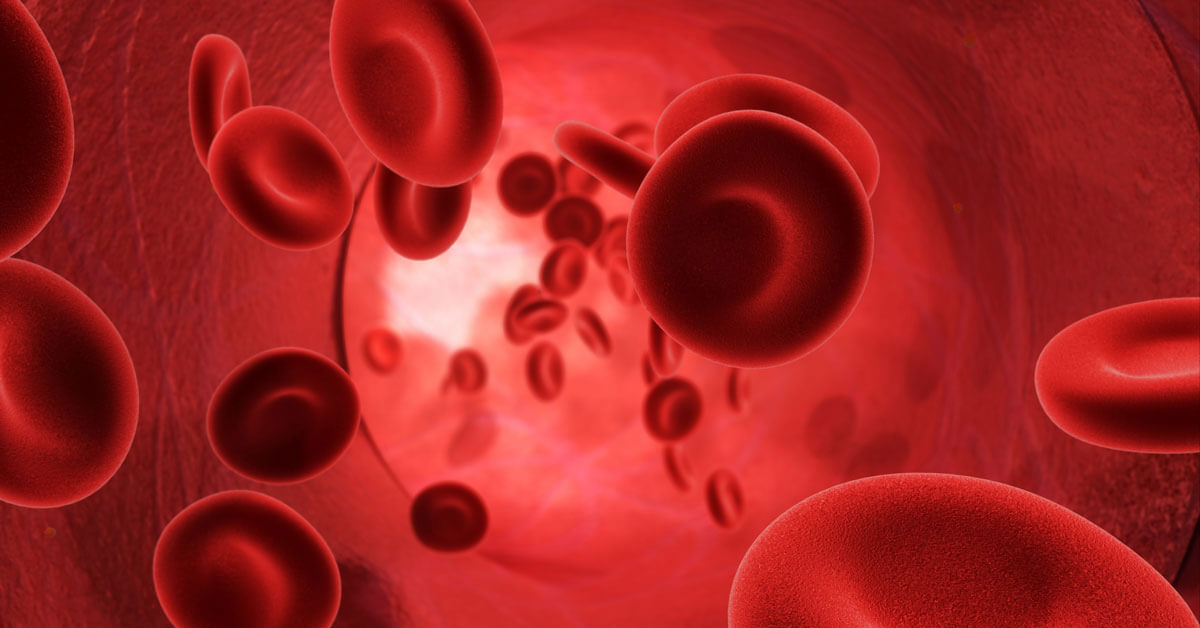
Recognizing the factors that influence blood viscosity and understanding their pathophysiological implications is essential for clinicians, researchers, and health-conscious individuals alike. This article, hosted on the Free Source Library platform, aims to delve precisely into the nuances of blood viscosity: how it is influenced by physiological variables, what pathological states cause its elevation, and how such changes impact overall health outcomes. By exploring the core mechanisms, causes, consequences, and possible interventions, this comprehensive review seeks to equip readers with a detailed understanding of this often overlooked yet crucial aspect of blood physiology.
The Physiology of Blood Viscosity
Fundamental Determinants of Viscosity
Blood viscosity is intricately linked to the composition and physical properties of its constituent elements. These factors include erythrocyte concentration, plasma protein levels, temperature, and cellular deformability. Fundamentally, viscosity measures the internal resistance of blood to flow and is typically expressed in units called centipoise (cP). Normal blood viscosity in healthy adults generally ranges from approximately 3 to 4 cP, but this can vary based on numerous physiological and environmental factors.
At the core, erythrocytes (red blood cells) are the predominant determinant of blood viscosity, primarily because of their high volume fraction, known as hematocrit, which usually accounts for about 45% of blood volume. The properties of erythrocytes—size, shape, deformability, and aggregation—play a significant role in flow resistance. When hematocrit increases, whether due to physiological adaptation or pathological expansion, blood becomes markedly more viscous, making circulation more challenging for the heart but often necessary for oxygen delivery in hypoxic states.
Role of Plasma Proteins and Cellular Components
Plasma proteins such as fibrinogen, globulins, and albumin also exert influence over blood viscosity. Elevated fibrinogen, for example, increases plasma protein concentration, thereby raising viscosity and promoting erythrocyte aggregation—clumping of red cells that further heightens overall stickiness. These proteins often increase in response to inflammation, infection, or liver dysfunction.
The white blood cells (leukocytes) and platelets also contribute, albeit to a lesser extent, to overall fluid resistivity. Changes in their counts or function, such as in leukemia or thrombocytosis, can modify blood flow characteristics and viscosity. Moreover, temperature influences viscosity; cooler blood tends to be more viscous, whereas warmer blood flows more readily.
Complex Interplay of Hemodynamics and Blood Viscosity
An increase in viscosity impairs blood flow and elevates shear stress on vessel walls, which can induce endothelial dysfunction—a precursor to atherosclerosis. Conversely, lower viscosity, although beneficial for flow, may predispose to bleeding tendencies. The body maintains a delicate balance, tightly regulating viscosity through physiological mechanisms that modulate cell production, plasma volume, and plasma protein synthesis.
Causes of Increased Blood Viscosity
1. Dehydration
Dehydration is arguably the most prevalent cause of increased blood viscosity, especially in resource-limited settings or during heat-related illnesses. When fluid intake diminishes or excessive losses occur—whether through sweating, diarrhea, vomiting, or diuretics—the plasma volume decreases. This reduction concentrates cellular elements and plasma proteins, creating a more viscous blood environment. The subsequent rise in viscosity strains cardiac output, impairs microcirculatory flow, and elevates the risk for clot formation.
Clinical signs include dry mucous membranes, oliguria, increased hematocrit, and elevated blood viscosity markers. Treatment hinges on prompt rehydration with balanced fluids or isotonic solutions, restoring plasma volume, and reducing viscosity.
2. Primary Polycythemia (Polycythemia Vera)
Polycythemia vera (PV) is an intrinsic hematologic disorder characterized by clonal proliferation of erythroid precursors within the bone marrow, resulting in a pronounced increase in red cell mass. This overproduction raises hematocrit beyond 60%, significantly increasing blood viscosity and risk for thrombosis. PV often presents with symptoms such as headaches, dizziness, visual disturbances, erythromelalgia (burning pain and redness), and splenomegaly.
| Parameter | Normal Range | PV in Patients |
|---|---|---|
| Hematocrit | 36-48% | Usually >60% |
| Red Blood Cell Count | 4.7-6.1 million/μL (men), 4.2-5.4 million/μL (women) | Elevated |
| Blood Viscosity | 3-4 cP | Up to 6 cP or higher |
Treatment involves cytoreductive therapies such as phlebotomy, which is performed regularly to maintain hematocrit below 45% in men and 42% in women, and medications like hydroxyurea to suppress marrow activity. Aspirin is often used to reduce thrombotic risk.
3. Chronic Inflammatory States
Conditions marked by sustained inflammation, such as rheumatoid arthritis, ulcerative colitis, or chronic infections, promote the hepatic synthesis of acute-phase reactants like fibrinogen, which in turn raises blood viscosity. Elevated fibrinogen not only reflects systemic inflammation but also facilitates erythrocyte aggregation. This pro-thrombotic environment enhances capillary resistance and promotes vascular occlusive events.
Furthermore, inflammatory cytokines can alter endothelial function, reduce nitric oxide bioavailability, and predispose vessels to atherogenesis. The chronic inflammatory milieu primes the body toward increased blood viscosity, which becomes a critical target for intervention in reducing cardiovascular complications.
4. Metabolic Disorders and Dyslipidemia
Diseases such as diabetes mellitus and hyperlipidemia often coexist, establishing a complex interaction affecting blood viscosity. Hyperglycemia leads to advanced glycation end products (AGEs), which promote erythrocyte rigidity and aggregation. Elevated triglycerides and low-density lipoprotein (LDL) cholesterol contribute to increased blood viscosity by enhancing plasma viscosity and promoting atherogenesis. These factors collectively impair microvascular perfusion, particularly within vital organs.
Management focuses on rigorous glycemic control, lipid lowering via statins or fibrates, dietary modifications, and lifestyle interventions.
5. Obesity
Obesity is a chronic inflammatory state characterized by increased adipokine and cytokine production from excess adipose tissue. These substances stimulate hepatic fibrinogen synthesis and promote a hypercoagulable state, raising blood viscosity. Additionally, obesity induces endothelial dysfunction and impairs nitric oxide production, compounding circulatory challenges.
Research demonstrates that weight reduction through diet and exercise decreases plasma fibrinogen, improves endothelial health, and ultimately reduces blood viscosity, decreasing the propensity for thrombotic events.
6. Smoking and Toxic Exposures
Tobacco smoke introduces thousands of chemicals into the bloodstream, fostering oxidative stress, endothelial injury, and inflammation. Nicotine stimulates erythropoiesis, leading to elevated hematocrit, while carbon monoxide reduces oxygen delivery, prompting compensatory red blood cell increase. These changes result in higher blood viscosity and increase the risk of vascular occlusion.
Concomitant reduction in antioxidants and increased oxidative damage aggravate vascular dysfunction, enhancing the risk for atherosclerosis and thrombosis. Smoking cessation remains a primary intervention to restore vascular health and lower viscosity-related risks.
7. Genetic Predispositions and Thrombophilias
Inherited disorders such as Factor V Leiden mutation, prothrombin gene mutation, or deficiencies in natural anticoagulants (protein C, protein S) predispose individuals to hypercoagulability. These genetic traits often result in increased blood cell aggregation, elevated plasma proteins, and a tendency toward clotting, worsening blood viscosity. Recognizing genetic risk factors allows for personalized prophylaxis and management strategies.
8. Age-Related Changes
With advancing age, hematocrit tends to increase progressively. This phenomenon results from a combination of chronic hypoxia—due to decreased ventilatory efficiency—and a shift in marrow activity. Simultaneously, plasma protein levels rise subtly, and cellular deformability may decline, all leading to stiffer, more viscous blood. Such changes, compounded over years, contribute to the increased incidence of cardiovascular and cerebrovascular diseases in the elderly population.
Implications of Increased Blood Viscosity
1. Cardiovascular Disease
Increased blood viscosity amplifies vascular resistance, forcing the heart to exert greater effort during each beat. This sustained workload, over time, can lead to hypertrophy of the myocardium, hypertension, and eventually heart failure. Moreover, high viscosity favors the development of atherosclerotic plaques by promoting endothelial injury due to shear stress alterations and fostering inflammatory responses within the vessel wall.
Elevated viscosity is also associated with endothelial dysfunction, a critical early event in vascular disease progression. This dysfunction contributes to reduced nitric oxide bioavailability, vasoconstriction, and increased susceptibility to vascular injury.
2. Thrombosis and Embolic Phenomena
High viscosity creates a pro-thrombotic milieu by promoting erythrocyte and platelet aggregation, which, alongside vessel wall injury, facilitates thrombus formation. Deep vein thrombosis (DVT) and pulmonary embolism (PE) represent severe complications that can lead to disability and death.
Aneurysm formation and arterial occlusions are more likely in high-viscosity environments, emphasizing the importance of monitoring and managing viscosity levels in at-risk populations.
3. Cerebral Ischemia and Stroke
Neurons are highly sensitive to oxygen deprivation. When viscosity impairs cerebral blood flow, especially in the microcirculatory network, the risk of ischemic stroke increases substantially. Ischemia leads to neuronal death, loss of function, and complex neurological deficits. Studies reveal an association between elevated hematocrit and stroke risk, underscoring the importance of maintaining optimal viscosity to preserve cerebrovascular health.
4. Organ Perfusion and Dysfunction
Vital organs, including kidneys, liver, and lungs, rely heavily on adequate blood flow for optimal function. Elevated blood viscosity can impair perfusion, leading to hypoxia, ischemia, and eventual organ failure if left unchecked. For instance, renal perfusion reduction contributes to renal insufficiency in hypertensive or hypertrophic states.
Chronic organ ischemia may cause structural damage, fibrosis, and worsening clinical outcomes, creating a cycle of deterioration and increased viscosity.
Management and Treatment Strategies
1. Hydration and Fluid Management
Maintaining proper hydration is the cornerstone of reducing blood viscosity. Prompt repletion of fluids in dehydrated individuals, especially during hot weather or illness, helps restore plasma volume, dilute cellular elements, and normalize viscosity levels. Oral rehydration solutions, isotonic saline, or balanced electrolyte infusions are commonly used approaches.
2. Lifestyle and Dietary Modifications
Adopting a heart-healthy lifestyle is paramount. Regular physical activity enhances blood flow, promotes endothelial health, and reduces systemic inflammation. A diet rich in anti-inflammatory foods—such as omega-3 fatty acids, fruits, and vegetables—can help decrease plasma fibrinogen and other viscosity-enhancing factors.
Weight management reduces adipose-derived cytokines, which lower systemic inflammation and improve blood rheology. Smoking cessation is an enduring strategy to restore vascular function and reduce viscosity metrics.
3. Pharmacological Interventions
Anticoagulants and antiplatelet agents like aspirin or clopidogrel are employed in high-risk patients to prevent formation and extension of clots. In cases of polycythemia vera, cytoreductive drugs like hydroxyurea and low-dose aspirin are standard treatments. Lipid-lowering agents, primarily statins, also indirectly reduce blood viscosity by improving endothelial function and decreasing plasma fibrinogen levels.
In conditions of severe hyperviscosity, plasmapheresis may be performed as a rapid intervention to remove excess plasma proteins and cells, especially in Waldenström’s macroglobulinemia or severe polycythemia vera.
4. Regular Monitoring and Follow-up
Periodic assessment of hematocrit, plasma proteins, and inflammatory markers assists clinicians in tailoring treatments. Advanced techniques like viscometry can directly measure blood viscosity, providing a comprehensive overview of circulatory status. Such proactive management permits early intervention before clinical complications ensue.
5. Therapeutic Phlebotomy and Blood Cell Management
In primary polycythemia, routine phlebotomies are performed to maintain hematocrit under target levels. This procedure involves drawing blood at scheduled intervals to limit erythrocyte excess, thereby decreasing viscosity and reducing thrombotic risk. Similar strategies are applied in secondary erythrocytosis driven by hypoxic conditions.
Conclusion
Blood viscosity is a fundamental but frequently underappreciated parameter in human physiology and medicine. Its regulation involves an intricate balance of cellular, plasma, and systemic factors, all of which can be disturbed under various physiological and pathological circumstances. Increased blood viscosity not only influences local blood flow but also has systemic repercussions, significantly elevating risks for cardiovascular diseases, thrombosis, and cerebrovascular events.
Preventive strategies, early detection, and targeted interventions—such as adequate hydration, lifestyle modifications, pharmacological management, and regular monitoring—are critical for maintaining optimal blood viscosity and safeguarding vascular health.
Future research will continue to unveil the molecular pathways regulating blood rheology and suggest novel therapeutic targets. Recognizing the importance of blood viscosity in comprehensive health management can substantially impact patient outcomes and long-term wellbeing. On the Free Source Library platform, access to current knowledge and ongoing studies ensures clinicians and researchers stay at the forefront of this vital field.