Programming languages
IMP Programming Language Overview
IMP: A Pioneer in Systems Programming Languages IMP, developed by Edgar T. Irons in the late 1960s, stands as an important but often overlooked…
IMP: A Pioneer in Systems Programming Languages IMP, developed by Edgar T. Irons in the late 1960s, stands as an important but often overlooked…
Graphics BASIC: A Key Innovation in Commodore 64 Programming In the 1980s, personal computing was beginning to reach a wider audience, and the Commodore…
The Portable Bit Map (PBM) Format: An Overview of Its Design and Application in Bitmap Image Conversion The Portable Bit Map (PBM) format, introduced…
Understanding the 2-Pak Project: Its Origins, Impact, and Features The 2-Pak project, an influential tool in the realm of programming languages and compilers, was…
Understanding Sitemaps: A Vital Tool for Efficient Web Crawling and SEO In the rapidly evolving world of web development and search engine optimization (SEO),…
The Evolution of LowStar: An Overview of a Specialized Programming Language for Verified Software LowStar is a specialized programming language designed to address the…
Lexon: A Comprehensive Overview of the Contract Language Revolution In recent years, the digital transformation of legal practices has gained significant momentum, ushering in…
PLDB: A Deep Dive into the False Programming Language The world of programming languages is vast and constantly evolving, with thousands of languages created…
The DBML Language: A Deep Dive into Its Structure and Usage DBML (Database Markup Language) has emerged as a valuable tool for developers and…
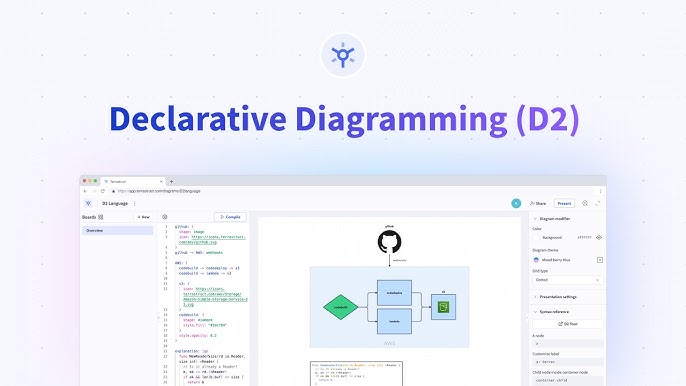
An Introduction to D2: A Declarative Language for Diagramming D2, short for Declarative Diagramming, is a domain-specific language (DSL) that revolutionizes the way individuals…
Understanding the Bla Programming Language: A Comprehensive Overview The world of programming languages is vast and diverse, with each language offering unique features and…
Céu Programming Language: An In-Depth Overview The Céu programming language, a unique and innovative language, emerged from the academic environment of Brazil with the…
Essential storage runs the site and remembers this choice. Optional analytics helps us understand how the library is used. Article advertising remains enabled, but advertising-storage and personalization signals stay disabled.
Allowing analytics lets our self-hosted Matomo and Google Analytics measure visits and interactions. Rejecting keeps optional measurement cookies off. Google may still receive limited technical requests required to serve non-personalized or limited ads inside individual articles.