
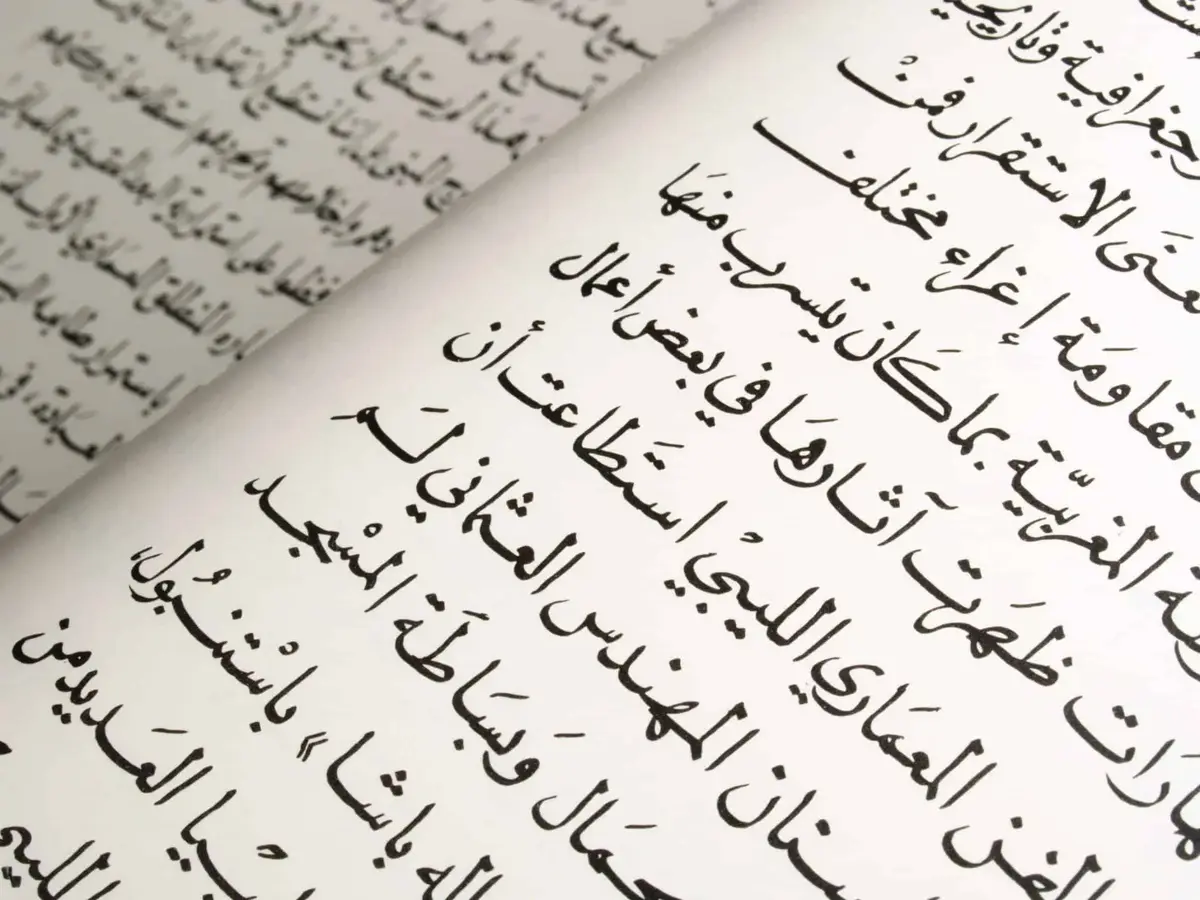
 Free Source Library — An in-depth exploration of the complex factors contributing to the decline of the Arabic language, along with strategies for its preservation and revival.
Understanding the Roots of Decline in the Arabic Language
Arabic, as one of the world’s oldest and most influential languages, carries an extensive cultural, historical, and religious legacy. With over 400 million speakers spread across the Arab world and millions more worldwide through religious and diasporic communities, its significance is undeniable. Yet, despite its revered status, Arabic faces a persistent and multifaceted decline in everyday use and global prominence. Investigating the causes of this decline involves scrutinizing a broad spectrum of historical, political, socio-economic, cultural, educational, and technological developments that have eroded its vitality over centuries. This comprehensive analysis aims to demystify these factors, exploring how they intertwine and identifying practical pathways for revitalization. Only through understanding the roots of the problem can effective, targeted solutions be designed to safeguard this linguistic treasure for future generations.
Historical and Political Underpinnings
The Golden Age and Its Aftermath
Arabic’s historical zenith was undoubtedly during the Islamic Golden Age (roughly 8th to 13th centuries). During this era, Arabic was the lingua franca of knowledge, science, philosophy, medicine, and the arts. Centers of learning in Baghdad, Córdoba, Cairo, and other key cities flourished, with scholars translating and expanding upon classical Greek, Persian, and Indian knowledge bases. The language of scholarly discourse, scientific inquiry, and literary expression evolved into a powerful vessel for intellectual progress. The richness of Arabic prose, poetry, and scientific terminology reached global heights. However, the Mongol invasion of Baghdad in 1258 marked a watershed moment. The subsequent turmoil and destruction led to the decline of many of these vibrant centers of learning. The decline was not sudden but marked a gradual erosion of the flourishing intellectual ecosystem that had once been Arabic’s hallmark. The political fragmentation of the Arab world into competing states and empires further fragmented linguistic dominance, creating regional dialectal diversity often disconnected from classical Arabic.
Colonial Legacy and the Imposition of Foreign Languages
European colonial rule in the 19th and 20th centuries profoundly impacted the linguistic landscape of the Arab world. France, Britain, and Italy, among others, imposed their languages and administrative systems, sidelining Arabic from formal education, government, and international diplomacy. In colonies such as Algeria, Tunisia, and Morocco, French became the lingua franca of elites, civil service, and academic institutions. The legacy of these policies persists today—many Arabs, especially in urban centers, view French and English as symbols of modernity, progress, and economic opportunity. colonial policies often deliberately undermined the status of Arabic to facilitate colonial administration and control. For example, during the French colonization of Algeria, the suppression of Arabic language and culture became part of a broader strategy of cultural assimilation and marginalization. After independence, many Arab nations faced the challenge of reclaiming Arabic’s cultural and linguistic prominence—a process that remains incomplete in some contexts.
Impact of Political Instability and Conflict
The ongoing political upheavals and conflicts—civil wars, authoritarian regimes, insurgencies—have also disrupted educational systems and cultural institutions that sustain language vitality. War and instability often prioritize immediate political survival over cultural preservation, leading to neglect of linguistic heritage. In refugee camps and conflict zones, children receive minimal access to quality Arabic education, reverting instead to local dialects or foreign languages associated with aid and international organizations. Moreover, state policies sometimes favor localized dialects for political reasons—emphasizing regional identity over national or classical identity—further fragmenting the shared linguistic standard that once unified the Arab world.
Globalization and Western Influence
The Rise of English and Western Cultural Dominance
The 20th and 21st centuries have seen an exponential rise in globalization, elevating English as the primary international language of commerce, science, technology, and diplomacy. This global shift has had profound effects on Arabic’s status within its own cultural sphere. Many Arab students and professionals perceive English proficiency as essential for success. English language media, technology, academic journals, and international corporations reinforce this perception. Consequently, parents opt for English-medium education, sometimes neglecting the development of robust Arabic skills in their children. English-language curricula are often seen as more pragmatic and valuable economically than Arabic language education. Similarly, Western popular culture—movies, music, social media—predominantly uses English, leading to a cultural environment where Arabic is increasingly marginalized. Younger generations, in particular, tend to adopt Western idioms, slang, and expressions, often blending them into their daily language.
The phenomenon of Arabizi and Digital Linguistic Shift
In digital communication, especially among youth, a phenomenon known as “Arabizi” (or “Arabi” in colloquial speech) has emerged. Arabizi involves writing Arabic using Latin script and numerals to represent Arabic sounds. For example, “7” for the letter ح (ḥāʾ), or “3” for ع (‘ع). While practical in contexts where Arabic script input is limited, Arabizi standardizes a hybrid dialect that erodes formal Arabic literacy. This shift impacts the proper use and preservation of Arabic script, spelling, and grammar. Over time, it leads to a generational language gap, where young people are more comfortable with Latin-script Arabic than with traditional Arabic orthography.
Educational System Challenges
Duality of Modern Standard Arabic and Dialects
One of the most distinct features of Arabic is its diglossic nature—a linguistic situation in which Modern Standard Arabic (MSA) and regional dialects co-exist but serve different functions. MSA is the language of formal discourse, media, literature, and religious texts. Dialects are used in everyday conversation, social interactions, and local media. However, many students grow up immersed in dialects, which are often quite distinct from MSA. This creates a linguistic divide; students may master their local dialects but struggle with formal Arabic for reading, writing, or academic purposes. Conversely, learning MSA can be challenging because it is rarely used in informal contexts, leaving students with limited practical exposure.
Teaching Methods and Educational Quality
The quality of Arabic education varies significantly across Arab countries. A common critique is that curricula tend to prioritize rote memorization of grammatical rules, vocabulary, and classical texts, rather than fostering communicative competence or cultural engagement. Limited teacher training and resources exacerbate this issue. Innovative pedagogical methods such as communicative language teaching, song-based learning, and technology integration are often underutilized. As a result, many graduates leave school with poor literacy skills and little motivation to pursue further Arabic literacy.
Impact of Language Policy and Curriculum Design
Government policies often lack a coherent strategy for Arabic language promotion beyond formal schooling. Curricula tend to emphasize classical grammar and literature over contemporary usage and media literacy. There is insufficient emphasis on digital literacy or integrating Arabic into technological tools. Furthermore, in some countries, educational policies subtly favor foreign languages—especially English and French—over Arabic, reflecting broader social preferences and economic considerations. This imbalance undermines efforts to foster pride and fluency in Arabic among young learners.
The Digital Age: Media, Technology, and the Modern Linguistic Landscape
Limited Arabic Digital Content and Online Presence
Despite the large number of Arabic speakers, content in Arabic remains underrepresented online. Estimates suggest that less than 2% of internet content is in Arabic, hindering access to cultural, educational, and scientific resources in the native language. This scarcity discourages the development of digital literacy in Arabic and hampers its role in modern communication. Major tech companies and platforms have historically prioritized content in English and other global languages. Even when Arabic content exists, it often lacks quality, relevance, or accessibility, contributing to disengagement.
The Rise of “Arabizi” and Hybrid Communication
The widespread use of Arabizi or Latin-script Arabic in social media posts and informal communication creates a hybrid linguistic environment. This linguistic shift tends to downplay the significance of the Arabic script and grammar, potentially leading to a decline in formal literacy skills. While Arabizi offers convenience and facilitates communication among less-educated populations or in environments with limited Arabic typing tools, it threatens the stylistic and grammatical nuances of Arabic, impacting formal writing and literacy.
Effects on Language Preservation and Standardization
The digital environment demands standardized, accessible tools for Arabic typing, editing, and publishing. The dominance of Latin-based input methods hampers the use of traditional Arabic script and orthography. To combat this trend, initiatives like improved Arabic keyboards, spell checkers, and online platforms for Arabic content creation are essential. Furthermore, the absence of a unified digital Arabic linguistic standard exacerbates confusion and inconsistency across users, limiting the language’s digital scope and longevity.
Socioeconomic Disparities and Their Role in Language Decline
Privatization of Education and Privileged Access to Foreign Languages
In many Arab countries, private educational institutions champion foreign languages—especially English and French—viewed as gateways to better employment prospects. Wealthier families prefer these schools, associating foreign languages with social mobility and global competitiveness. Public schools, often underfunded and overcrowded, primarily teach in Arabic but lack modern resources. The disparity fosters a social perception that fluency in foreign languages signifies higher socioeconomic status, gradually devaluing Arabic literacy.
Migration, Diaspora, and Language Fragmentation
Arab expatriates and diaspora communities often prioritize their host country’s language for integration, often at the expense of Arabic retention. The result is language attrition, with younger generations losing fluency in Arabic. Meanwhile, the disconnect across regions and countries weakens a unified linguistic identity.
Economic Factors and Literacy Accessibility
Limited economic investment in Arabic language promotion and literacy programs, especially in rural and underserved areas, hampers efforts to improve Arabic literacy rates. Without accessible, quality language education, societal engagement with Arabic diminishes, reinforcing its marginalization.
Shifts in Cultural and Literary Landscape
Challenges Facing Modern Arabic Literature and Publishing Industry
Arabic literature—once a global beacon with figures like Al-Mutanabbi, Ibn Khaldun, and Naguib Mahfouz—has experienced stagnation and limited international exposure. Market size, limited translation efforts, and insufficient marketing restrict its reach. While contemporary authors create compelling works, their audience remains largely regional, and international recognition is sporadic. The publishing industry faces challenges such as high print costs, censorship issues, and digital piracy, all of which inhibit growth and dissemination.
Media and Cultural Representation
Arabic media often prioritize entertainment, political commentary, or religious content, leaving cultural and literary programming less emphasized. With limited exposure to modern Arabic art and literature, younger generations may feel disconnected from their cultural roots. Furthermore, the global prominence of Western entertainment eclipses local productions, marginalizing Arabic cultural expressions in global media.
Strategies for Revitalizing the Arabic Language
Despite these challenges, multiple pathways offer hope for a revitalized Arabic language ecosystem.
Educational Innovations and Policy Reforms
– **Curriculum Modernization:** Integrate digital literacy, media skills, and contemporary literature into Arabic curricula. – **Communicative Approaches:** Shift away from rote memorization towards interactive, immersive learning through storytelling, debates, and multimedia resources. – **Teacher Training:** Invest in professional development to equip educators with innovative pedagogical techniques and technological tools. – **Bilingual Policies:** Promote balanced bilingual education, emphasizing Arabic’s role in national identity while integrating global languages strategically.
Technological Development and Digital Content Creation
– **Enhance Digital Infrastructure:** Develop rich Arabic digital content—e-books, educational apps, online courses—that is engaging, accurate, and accessible. – **Supporting Tools:** Improve Arabic keyboard options, spelling checkers, and speech recognition software to facilitate online communication. – **Social Media Engagement:** Encourage Arabic content creators and influencers to foster a vibrant digital culture rooted in the language.
Promoting Cultural Heritage and Literary Promotion
– **Translation Projects:** Translate key global literary and scientific works into Arabic, and vice versa, to broaden access and appreciation. – **Literary Festivals and Events:** Organize regional and international Arabic literary festivals to showcase contemporary writers and stimulate interest. – **Support for Writers and Publishers:** Offer grants, subsidies, and marketing assistance to Arabic authors and publishers.
Community and Grassroots Initiatives
– **Language Clubs and Cultural Festivals:** Foster community engagement through Arabic language clubs, storytelling events, and cultural celebrations. – **Digital Campaigns:** Launch awareness campaigns emphasizing the importance of Arabic language preservation. – **Local Media Initiatives:** Promote radio, TV, and online programs in Arabic that reflect contemporary issues and culture.
Policy and Institutional Measures
– **Official Language Policies:** Governments should reaffirm Arabic’s status in legal, administrative, and educational frameworks. – **Incentives for Arabic Content Creation:** Tax breaks, grants, and recognition for innovative Arabic media and digital content producers. – **International Collaboration:** Establish partnerships with UNESCO, cultural organizations, and universities to promote Arabic language research and dissemination.
Case Studies and Success Initiatives
Egypt’s Digital Arabic Revolution
Egypt has launched initiatives to improve Arabic content online, including digital literacy programs and government-backed platforms that promote Arabic blogging, media, and education. These efforts aim to bridge the digital divide and foster pride in native language use.
Morocco’s Cultural Revival Programs
Morocco’s government supports the integration of Berber and Arabic languages into schools and media, recognizing the value of linguistic diversity. Their multi-language policies aim to strengthen identity and promote Arabic literacy.
Lebanon’s Literary and Publishing Renaissance
Lebanese publishers and literary festivals have revived interest in Arabic literature, fostering regional networks and encouraging translation projects to reach global audiences.
Practical Tools and Checklists for Preservation
Arabic Language Preservation Checklist
- Develop and update Arabic curricula to include digital literacy
- Create high-quality digital Arabic content accessible across devices
- Support translation and publishing initiatives for classical and modern works
- Invest in teacher training for innovative pedagogical methods
- Encourage community-based Arabic language activities and festivals
- Enhance Arabic typing tools and online language support systems
- Implement policies that prioritize Arabic in government and educational sectors
- Foster international collaboration on Arabic language research and promotion
Comprehensive Comparison Table
| Category | Challenges | Opportunities |
|---|---|---|
| Historical | Decline post-Golden Age, fragmentation, colonial suppression | Revival through historical education, cultural pride |
| Political | Policy neglect, instability, language marginalization | Government reforms, official language promotion |
| Educational | Outdated curricula, lack of innovation, literacy gaps | Modern pedagogies, technological integration |
| Technological | Limited digital content, Arabizi proliferation | Content creation platforms, language support tools |
| Socioeconomic | Privatization, language divide, disparities | Inclusive policies, community initiatives |
| Cultural | Lack of global visibility, limited readership | Publishing, festivals, international recognition |
Conclusion: Toward a Resilient Future for Arabic
The decline of the Arabic language is a multifaceted challenge rooted in historical upheavals, political strategies, socio-economic disparities, and the relentless tide of globalization. Yet, it also embodies an extraordinary resilience embedded in millions of lives, cultural practices, and scholarly traditions. Addressing this decline demands a holistic approach—redefining educational paradigms, leveraging technological advancements, investing in cultural promotion, and fostering grassroots engagement. The promise of revitalizing Arabic lies not solely in policy reforms but also in rekindling pride and ownership among Arab communities and the global diaspora. Arabic is more than a means of communication; it is the living legacy of a civilization that continuously adapts and perseveres. Through dedicated efforts, collaborative innovation, and cultural pride, the Arabic language can reclaim its rightful place as a vibrant, modern conduit of identity, knowledge, and heritage.
References
- UNESCO. (2021). The Importance of Language Preservation and Revitalization. UNESCO Publishing.
- Arab League Educational, Cultural and Scientific Organization (ALECSO). (2022). Strategies for Promoting the Arabic Language.