
Introduction to Hydrocarbons and Their Pivotal Role in Modern Society
Hydrocarbons, organic compounds composed solely of hydrogen and carbon atoms, fundamentally underpin the infrastructure of contemporary civilization. From fueling our energy needs to shaping the materials around us, hydrocarbons occupy a central position in technological, economic, and environmental spheres. Originating predominantly from fossil fuel resources—namely crude oil, natural gas, and coal—they serve as the raw materials for a vast array of industrial processes and consumer products. Recognized as the backbone of modern industry, hydrocarbons continue to shape global development, yet their usage warrants careful scrutiny given environmental concerns and sustainability challenges.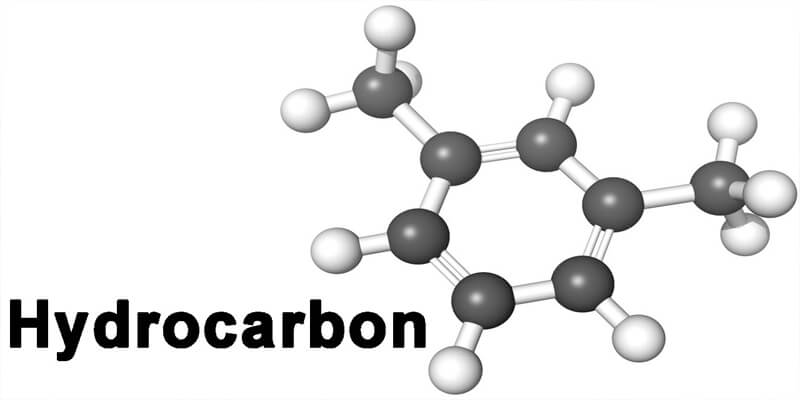
This expansive treatise aims to provide a comprehensive overview of the multifaceted applications of hydrocarbons. It consolidates knowledge across sectors—deliver insights into how hydrocarbons facilitate energy generation, drive industrial manufacturing, and influence everyday life. Particular emphasis will be placed on emerging trends that hold promise for future evolution, including cleaner energy innovations, biofuels, and technological advancements aimed at mitigating environmental impacts. Throughout this exposition, the aim is to deepen understanding of hydrocarbons’ roles and provide data-rich insights for researchers, policymakers, and industry stakeholders.
Hydrocarbons in Global Energy Production
In the contemporary energy landscape, hydrocarbons remain integral, providing the lion’s share of electricity, transportation fuels, and heat. Their ability to deliver high energy density, ease of storage, and established infrastructure basis make them indispensable despite the ongoing transition towards renewable sources.
Electricity Generation and the Shift to Natural Gas
Electricity remains a critical sector where hydrocarbons, especially natural gas, are dominant. Historically, coal powered a significant portion of global electricity, but environmental concerns about its pollutants and CO2 emissions have prompted a migration towards cleaner-burning fuels. Natural gas, with its lower carbon footprint and cleaner combustion profile, has gained prominence as a transitional energy carrier.
In-depth analyses show that natural gas facilities offer flexible operation and rapid ramp-up capabilities, optimizing grid stability and accommodating variable renewable energy sources. The U.S. Energy Information Administration (EIA) reported that in 2022, about 40% of U.S. electricity was generated from natural gas—marking a significant shift away from coal and oil. Globally, countries like Qatar, Russia, and the United States leverage vast natural gas reserves to sustain their power systems, aligning fossil fuel use with modern sustainability policies.
Transportation Fuels and Their Impact
The transportation sector remains heavily dependent on hydrocarbon-based fuels, especially gasoline and diesel derived from crude oil. The internal combustion engine has been the cornerstone of vehicle propulsion for over a century, and despite innovations in electric vehicles, hydrocarbons continue to dominate global markets.
Gasoline powers nearly all passenger cars in many regions, while diesel engines are prevalent in heavy-duty vehicles due to their efficiency and fuel economy. Jet fuel, a kerosene derivative, is central to commercial aviation, responsible for connecting the world economically and culturally. Yet, the environmental costs of such reliance are evident. According to IATA, aviation’s contribution to global greenhouse gas emissions reached approximately 2.5% in 2019. This proportion is expected to grow as global mobility increases, raising urgent questions about sustainable alternatives in transportation.
Industrial Applications: Building Blocks of Modern Material Culture
Beyond energy, hydrocarbons serve as fundamental feedstocks for a broad spectrum of industrial products, from plastics to asphalt. Their versatility stems from their chemical structure, which allows for diverse conversions into myriad derivatives that underpin the manufacturing sector.
Chemical Manufacturing and Petrochemical Industry
The petrochemical industry transforms hydrocarbons into essential chemicals, which then form the basis for countless products. Ethylene, for example, produced from naphtha or natural gas, is a vital building block for polymers such as polyethylene, which dominates packaging applications—shaping modern consumer lifestyles.
The economic significance of these processes can be exemplified through data from the American Chemistry Council, which highlights that the U.S. petrochemical sector generated over $400 billion in revenue during 2021. This sizable figure underscores hydrocarbons’ pivotal role in manufacturing industries, including plastics, synthetic fibers, solvents, and industrial chemicals that are integral to packaging, textiles, electronics, and healthcare.
Asphalt and Infrastructure Development
Hydrocarbons from heavy crude oil residues are refined into asphalt, a durable material used extensively in road construction, roofing, and waterproofing. Asphalt’s core properties—weather resistance, flexibility, and strength—are indispensable for infrastructure development.
As per reports by the American Road and Transportation Builders Association (ARTBA), over 94% of U.S. roads are paved with asphalt, signifying its fundamental role in public infrastructure. The ongoing necessity for road maintenance and expansion continually fuels demand for asphalt, emphasizing the need for sustainable production methods and potential alternatives in future infrastructure projects.
Hydrocarbons in Consumer Products and Everyday Life
The widespread use of hydrocarbons extends into consumer markets, driven by their chemical properties, ease of manufacturing, and cost-effectiveness. They are embedded in countless household items, personal care products, and packaging materials.
Plastics and Flexible Packaging
Polymer products derived from hydrocarbons dominate modern packaging and product containers. Polypropylene, polystyrene, PVC, and other plastics are integral to food packaging, electronics housing, medical devices, and disposable items.
According to Plastics Europe’s report of 2020, global plastic production exceeded 367 million tons, illustrating the extensive reliance on hydrocarbon-derived polymers. The benefits—lightweight, durability, chemical resistance—are counterbalanced by concerns about environmental pollution and waste management challenges, prompting ongoing innovation in biodegradable and recycled plastics.
Personal Care and Household Products
Hydrocarbon derivatives are common in cosmetics, skincare, and household cleaning products. Mineral oil, a petroleum refining product, is frequently used as a moisturizer and base in lotions, shampoos, and creams.
Furthermore, many cleaning agents, solvents, and lubricants contain hydrocarbon compounds that maximize performance and stability. The global personal care market, projected to reach $716 billion by 2025, exemplifies the financial magnitude tied to hydrocarbon-based ingredients and formulations.
Environmental Challenges and Ecological Impact
Despite their importance, the extensive use of hydrocarbons is fraught with environmental consequences. The extraction, processing, and combustion of hydrocarbons contribute significantly to climate change, pollution, and ecological deterioration.
Greenhouse Gas Emissions and Climate Change
The core concern with hydrocarbons centers on greenhouse gas emissions, notably CO2. The Intergovernmental Panel on Climate Change (IPCC) estimates that fossil fuel combustion was responsible for approximately 70% of global greenhouse gases in 2019. These emissions drive global warming, threatening ecosystems, agriculture, and human livelihoods.
Efforts to quantify and reduce these emissions involve carbon capture and storage (CCS), renewable energy deployment, and policy initiatives aiming to phase out fossil fuel dependence. Nevertheless, hydrocarbons currently remain dominant—posing an ongoing challenge for achieving climate goals.
Pollution, Oil Spills, and Ecological Damage
Operations such as drilling, transportation, and refining pose risks of leaks, spills, and habitat destruction. Major oil spills, like the Deepwater Horizon incident, have caused catastrophic marine and coastal ecosystem damages. Additionally, hydraulic fracturing (fracking) linked to natural gas extraction has raised concerns about groundwater contamination and induced seismicity.
Addressing these issues necessitates stricter regulation, technological improvements in spill prevention, and development of safer extraction techniques. Furthermore, environmental remediation efforts are critical to restoring affected ecosystems and preserving biodiversity.
Innovations and the Future Path of Hydrocarbon Use
Given the pressing environmental concerns, the future trajectory of hydrocarbon applications hinges on innovations aligning economic needs with sustainability imperatives. Scientific research, technological development, and policy reforms are critical components shaping this landscape.
Advancement in Carbon Capture Technologies
Carbon capture and storage (CCS) represents a strategic approach to mitigate greenhouse gases from ongoing hydrocarbon use. Modern CCS facilities, such as those operated worldwide, capture up to 90% of CO2 emissions from industrial sources, sequestering it underground.
As of 2023, over 30 operational CCS projects demonstrate potential but require scale-up and economic incentives for widespread adoption. Integrating CCS with existing fossil fuel infrastructure can extend hydrocarbon viability while reducing ecological impacts.
Renewable Alternatives and Biofuels
Transitioning towards renewable energy sources involves developing sustainable biofuels derived from organic biomass, including crops, waste, and algae. These fuels offer a carbon-neutral cycle, especially when produced sustainably, and can replace traditional hydrocarbons in transportation.
The Department of Energy highlights that biofuels, such as ethanol and biodiesel, possess considerable potential to reduce overall greenhouse gas emissions. Innovations in synthetic fuels, manufactured from renewable energy and captured carbon, can mimic hydrocarbon properties without environmental degradation.
Emerging Technologies and Policy Directions
Future-oriented solutions include electrification—especially in transportation—alongside breakthroughs in energy storage, hydrogen fuel, and lightweight composite materials. Policies fostering renewable development, emissions pricing, and technological incentives will critically influence hydrocarbon utilization patterns.
Conclusion: Balancing Hydrocarbon Utility with Sustainable Challenges
Hydrocarbons remain integral to the fabric of modern life, powering industries, enabling mobility, and shaping daily consumer experiences. Yet, the environmental footprint they leave behind necessitates a strategic reexamination and a committed pursuit of sustainable alternatives. While technological innovations offer promising avenues for reducing emissions and mitigating ecological damage, a comprehensive approach involving regulation, research, and societal shifts is paramount.
As nations strive to meet climate goals and transition to more sustainable energy systems, the role of hydrocarbons will evolve. They will continue to be part of the energy mix during the transition, but reliance must progressively diminish in favor of renewables, bio-based solutions, and cutting-edge technological advancements. The path forward will require collaborative effort across industry, government, and communities to ensure that the benefits of hydrocarbons are harnessed responsibly and sustainably, paving the way for a resilient, environmentally balanced future.
Additional Data and Trends: A Comparative Perspective
| Application Area | Current Utilization Trends | Environmental Impact | Future Prospects |
|---|---|---|---|
| Electricity Generation | Dominant in global power markets; increasing use of natural gas | Significant CO2 emissions; reliance on fossil fuels | Shift towards renewables, CCS technologies |
| Transport Fuels | Majority gasoline and diesel usage; persistent reliance despite EV growth | High emissions, air quality concerns | Sustainable biofuels, synthetic fuels, electrification |
| Industrial Chemicals | Extensive manufacturing of plastics, solvents, and fertilizers | Persistent pollution from production processes | Biobased chemicals, recycling innovations |
| Road Infrastructure | Predominant use of asphalt in roads and roofing | Resource consumption; environmental footprint of production | Sustainable alternatives, recycled asphalt use |
| Consumer Goods | Prevalent in packaging, textiles, and personal care | Plastic waste and chemical pollution | Biodegradable materials, circular economy practices |
Sources for further detailed reading include reports by the Global CCS Institute and publications by the American Chemistry Council. These resources offer extensive data on current technologies, policies, and innovations shaping hydrocarbons’ future.