
Venezuela, a nation distinguished by its extraordinary landscapes, abundant natural resources, and vibrant cultural traditions, remains a country of paradoxes and resilience. Its geographical position on the northern coast of South America grants it access to some of the most stunning coastal regions, lush rainforests, and towering mountain ranges, such as the Andes. These natural assets have historically defined the Venezuelan identity, offering both economic opportunities and a profound connection to nature for its inhabitants. Yet, beneath this scenic beauty lies a complex socio-political fabric, fraught with economic upheaval and infrastructural challenges that impact daily life. The narrative of living in Venezuela is thus a story of contrasts—balancing awe-inspiring environmental riches with the hardships wrought by political instability and economic hardship. This comprehensive exploration aims to provide an in-depth understanding of the advantages and disadvantages faced by residents of Venezuela, emphasizing the nuanced realities that shape their existence and the country’s trajectory.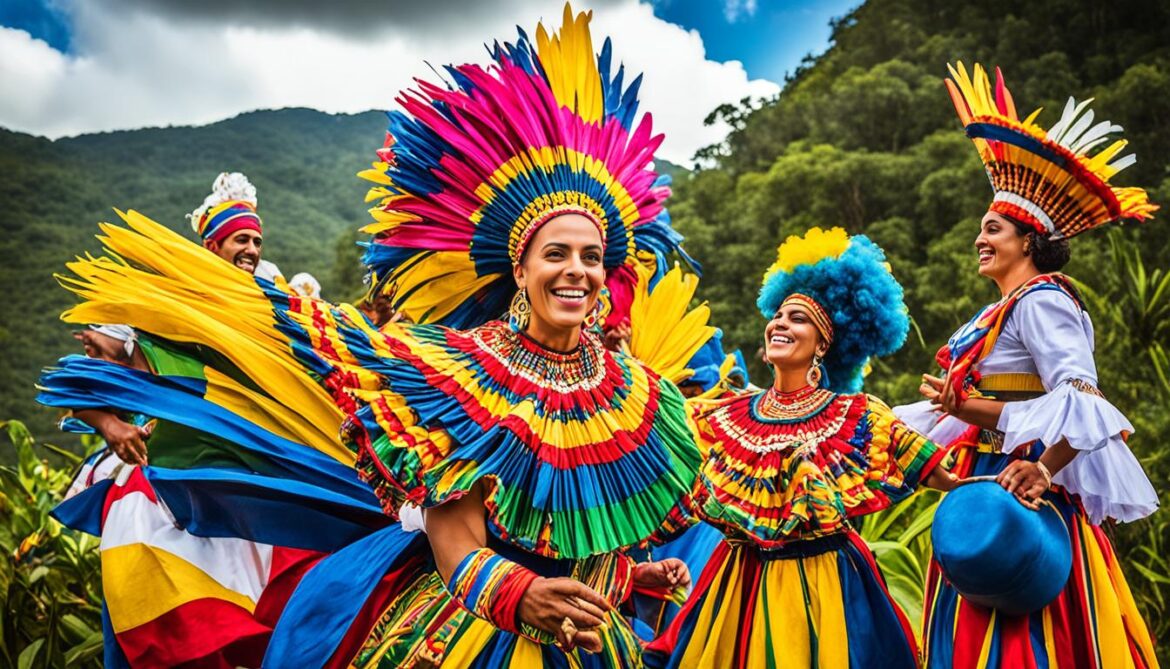
Historical Context: Foundations and Transformations
Understanding the contemporary living conditions in Venezuela necessitates a grasp of its historical trajectory. The country’s history is marked by periods of prosperity, driven largely by its vast oil reserves, and subsequent phases of crisis, influenced by both internal political decisions and global economic shifts. Venezuela was once among the wealthiest nations in South America during the 20th century, buoyed by its oil boom, which began in earnest during the 1920s and culminated in a surge of economic growth during the 1950s and 1960s. This era was characterized by rapid urbanization, increased living standards, and a burgeoning middle class. The 1970s, in particular, marked a significant turning point, as the oil crisis propelled Venezuela into a phase of unprecedented economic expansion.
However, this prosperity was heavily dependent on oil revenues, making the economy highly vulnerable to fluctuations in global oil prices. The 1980s and 1990s witnessed a series of economic downturns, compounded by political instability, corruption, and mismanagement. The election of Hugo Chávez in 1998 ushered in a new political era, with policies aimed at redistributing wealth and reducing inequality. While these policies initially garnered support and reduced social disparities, they also increased government control over the economy. The subsequent years saw Venezuela becoming increasingly dependent on oil exports, with diversification efforts failing to materialize effectively.
The collapse of oil prices in 2014 triggered a severe economic crisis. Hyperinflation skyrocketed, reaching an estimated 10 million percent in 2019, according to some reports. This economic instability has led to shortages of basic goods, widespread poverty, and a mass exodus of Venezuelans seeking better opportunities abroad. The political landscape remained turbulent, with protests, governmental crackdowns, and contested elections shaping the national narrative. These historical patterns have indelibly influenced the fabric of daily life in Venezuela, creating a backdrop of resilience amid adversity.
Positives of Living in Venezuela
Natural Beauty and Biodiversity
The primary allure of Venezuela lies in its extraordinary natural landscape, which encompasses a multitude of ecosystems—from the towering peaks of the Andes to the dense Amazon rainforest and the expansive Caribbean coastline. The country’s most iconic natural feature is Angel Falls (Salto Ángel), the world’s highest uninterrupted waterfall, plunging 979 meters from the Auyán-Tepui mountain in the Gran Sabana region. Angel Falls symbolizes not only Venezuela’s natural grandeur but also its potential for eco-tourism and adventure tourism, attracting travelers and outdoor enthusiasts from around the globe.
The Los Roques Archipelago, a protected national park, exemplifies Venezuela’s marine biodiversity. Its pristine white-sand beaches, crystal-clear waters, and vibrant coral reefs provide an unparalleled setting for diving, snorkeling, and fishing. The park’s unique ecosystems are home to numerous species of fish, birds, and marine mammals, many of which are endemic to the region. The diverse flora and fauna extend beyond coastal areas into the rainforests of the Amazon basin, where jaguars, tapirs, macaws, and countless other species thrive.
Venezuela’s biodiversity is not only a marvel for ecologists and biologists but also a vital resource for local communities that depend on sustainable tourism and natural resource management. The country’s national parks, such as Canaima and Morrocoy, serve as living laboratories for conservation efforts and as vital components of cultural identity, fostering pride among residents and offering a sense of connection to nature that is integral to daily life.
Cultural Richness
The cultural fabric of Venezuela is an intricate mosaic woven from indigenous traditions, African influences brought through the transatlantic slave trade, and Spanish colonial heritage. This blend manifests vividly in music, dance, cuisine, festivals, and religious practices. Venezuelan music, for instance, is renowned for genres such as joropo—a lively, rhythmic style played with harp, cuatro (a four-stringed instrument), and maracas—and gaita, a popular Christmas music genre characterized by its upbeat tempo and rich instrumentation.
Festivals and celebrations are central to Venezuelan cultural life, with events like the Feria de la Chinita in Maracaibo, the Carnival, and Holy Week processions serving as communal expressions of faith, history, and social cohesion. These festivities often feature elaborate parades, traditional costumes, and folkloric dances, fostering a strong sense of community and cultural identity.
The warmth and hospitality of Venezuelans are well recognized worldwide. Family and community bonds are deeply valued, with social gatherings and communal meals playing a crucial role in maintaining social cohesion. This cultural vibrancy provides a resilient social fabric that sustains individuals through economic hardships and political uncertainties, reinforcing the importance of cultural continuity in the face of adversity.
Cost of Living and Accessibility
Despite economic hardships, the cost of living in Venezuela remains relatively low compared to many Western nations. For expatriates and some locals, this affordability offers a paradoxical advantage—living expenses such as rent, transportation, and food can be manageable, especially when sourced locally. This affordability stems from hyperinflation and currency devaluation, which, while devastating for savings and purchasing power, temporarily reduces prices for goods and services.
Living outside major urban centers often means access to affordable housing and fresh produce, enabling a certain lifestyle that might be unfeasible elsewhere. Nonetheless, this advantage is increasingly compromised by shortages and inflation, which erode the purchasing power over time. Nevertheless, for those who can navigate the economic landscape, the low cost of living remains an attractive feature of life in Venezuela.
Educational Opportunities
Venezuela boasts a historically robust educational system, with free public education available from primary school through university. The University of Caracas, along with other institutions such as Universidad de Los Andes and Universidad Central de Venezuela, have contributed significantly to regional academic excellence. Many students pursue degrees in medicine, engineering, social sciences, and humanities, often becoming leaders within their communities.
While economic crises have strained universities and public schools, the commitment to education remains strong among many Venezuelans. Families value education as a pathway to social mobility and stability, and the country’s investment in human capital has produced notable professionals in various fields. Access to quality education, however, is increasingly challenged by resource shortages, leading to disparities in educational attainment and quality.
Negatives of Living in Venezuela
Economic Instability and Hyperinflation
The most significant challenge confronting Venezuelan residents is the ongoing economic crisis, characterized by hyperinflation, currency devaluation, and widespread scarcity. Since 2014, inflation rates have soared to astronomical levels—estimates suggest hyperinflation peaked at nearly 10 million percent in 2019. This economic chaos has decimated the value of the Venezuelan bolívar, rendering it nearly useless as a store of value and medium of exchange.
Hyperinflation has led to skyrocketing prices for necessities, making basic goods such as food, medicine, and fuel unaffordable for many. As a result, shortages are commonplace, with queues at supermarkets, pharmacies, and fuel stations becoming a daily routine for many. The economic hardship has also caused a decline in real income, leading to increased poverty and a sharp decline in living standards.
The economic collapse has compelled millions of Venezuelans to seek refuge abroad, creating one of the largest migration crises in Latin American history. The diaspora has profound social and economic implications, impacting families, communities, and the country’s future development prospects. The government’s inability to stabilize the economy and restore confidence remains a core issue for residents.
Political Instability and Human Rights Concerns
Venezuela’s political environment has been marked by intense polarization, protests, and authoritarian tendencies, especially since the late 1990s. The United Socialist Party, led by Nicolás Maduro, has faced accusations of undermining democratic institutions, suppressing dissent, and engaging in corruption. Political protests, often met with police or military repression, have resulted in casualties and widespread fear among citizens.
This climate of instability hampers everyday life, with uncertainty about future policies, elections, and civil liberties. Human rights organizations have documented abuses, arbitrary detentions, and restrictions on press freedom. Political conflict often manifests in economic measures—such as sanctions—that further exacerbate economic hardships.
Healthcare System Collapse
Once a pillar of Venezuelan social policy, the healthcare system has deteriorated dramatically due to economic constraints, brain drain, and resource shortages. Hospitals frequently lack essential supplies such as medical equipment, medicines, and clean water. This scarcity has resulted in increased mortality rates, higher infant mortality, and the resurgence of preventable diseases like measles and diphtheria.
Many healthcare professionals have emigrated or left the country, leaving remaining staff overwhelmed and under-equipped. The crisis has also led to a rise in malnutrition, particularly among children and vulnerable populations. Access to specialized care, including chronic disease management and maternal health services, has become increasingly limited.
Infrastructure Failures and Daily Challenges
Venezuela’s infrastructure is in a state of deterioration, with frequent power outages, unreliable public transportation, and inadequate waste management. Urban areas, especially Caracas, experience rolling blackouts, affecting everything from household electricity to water supply. Public transportation systems are often unsafe or in disrepair, making commuting arduous and dangerous.
Basic services such as waste collection and sewage treatment are compromised, leading to environmental and health hazards. Access to potable water is inconsistent, and many residents rely on bottled water or alternative sources. These infrastructural deficiencies severely impact quality of life and increase health risks, especially during periods of political unrest or natural disasters.
Summary and Future Outlook
Living in Venezuela encapsulates a complex reality where natural beauty and cultural vibrancy coexist with economic hardship and political instability. The country’s rich biodiversity and cultural diversity offer unique experiences and opportunities for those who can navigate the challenging socio-economic landscape. However, persistent issues such as hyperinflation, infrastructural decay, and human rights concerns continue to threaten stability and wellbeing.
Looking forward, Venezuela’s future depends heavily on political reforms, economic stabilization, and international cooperation. Addressing systemic corruption, diversifying the economy beyond oil, and investing in infrastructure and social services are critical steps toward improving living conditions. The resilience and adaptability of the Venezuelan people remain a testament to their enduring spirit, fueling hopes for a more stable and prosperous future.
For those considering residing in Venezuela or engaging in its development, understanding the nuanced landscape—its strengths and vulnerabilities—is essential. The country’s journey reflects broader themes of resource dependency, social resilience, and the complex interplay between natural wealth and political governance, making it a compelling case study for scholars, policymakers, and residents alike.
This comprehensive review aims to serve as a valuable resource for anyone interested in the multi-faceted reality of living in Venezuela. All insights are grounded in current data and historical analysis, reflecting the ongoing challenges and opportunities that define this captivating nation. For further detailed studies and open-source resources, visit freesourcelibrary.com.