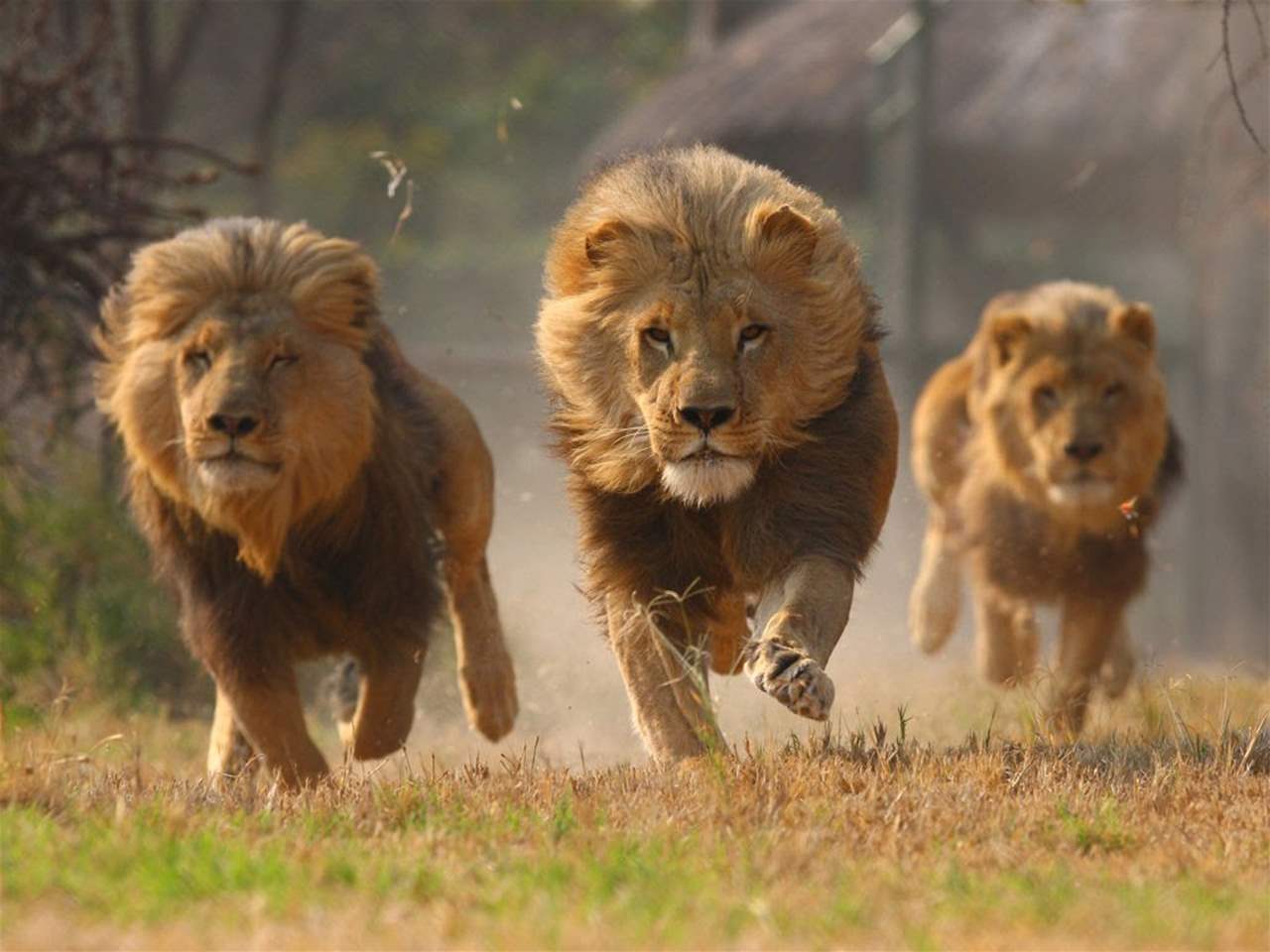
The mountain lion, scientifically known as Puma concolor, is one of the most enigmatic and widely dispersed large felines in the Western Hemisphere. Known by a variety of regional names, including cougar, puma, and panther, this apex predator exemplifies adaptability, stealth, and ecological significance. The species has a broad distribution that spans diverse ecosystems—ranging from dense forests and rugged mountains to arid deserts and grasslands—making it an integral component of many North and South American habitats. Its elusive nature and solitary habits have long fascinated biologists, conservationists, and outdoor enthusiasts, fostering a deep curiosity about its life history, ecological role, and the challenges it faces amid expanding human development. The platform of the Free Source Library (freesourcelibrary.com) aims to provide a comprehensive, scientifically grounded exploration of the mountain lion, offering insights into its physical attributes, behavioral patterns, habitat preferences, reproductive strategies, and its vital role in maintaining ecological balance. This detailed examination underscores the importance of conserving this majestic predator amidst ongoing environmental changes, emphasizing scientific understanding and responsible stewardship.
Physical Characteristics of the Mountain Lion
Size, Shape, and Morphology
The mountain lion is renowned for its sleek, muscular physique that exemplifies both power and agility. Adult males typically measure between 7.9 and 9.8 feet (approximately 2.4 to 3 meters) from the tip of the nose to the tip of the tail, with the tail itself accounting for about one-third of total length. Females are generally smaller, with measurements averaging between 7 and 8.2 feet (2.1 to 2.5 meters), and they tend to weigh less, usually ranging from 64 to 141 pounds (29 to 64 kilograms). Males can reach weights of up to 220 pounds (100 kilograms), especially in regions with abundant prey, while females rarely exceed 140 pounds. Despite their size, mountain lions are among the most agile of big cats, capable of leaps up to 15 feet (4.5 meters) vertically and distances of 40 feet (12 meters) horizontally in a single bound.
Their body is built for stealth and speed, with a narrow, elongated skull housing powerful jaw muscles and sharp teeth adapted for carnivory. The limbs are long and muscular, with large, round paws equipped with retractable claws—an adaptation that allows silent stalking and effective prey capture. The claws are crucial for climbing, gripping, and holding prey, especially during ambush attacks. The tail, which is long and thick, functions as a balancing tool during high-speed pursuits and when navigating steep terrain or dense vegetation. The coat coloration varies from tawny and reddish to grayish hues, depending on the region and season. The lighter underparts and the distinctive white patch beneath the throat serve as visual identifiers, aiding in communication and camouflage in their respective environments.
Coat and Camouflage
The fur of the mountain lion is short, dense, and soft, providing insulation against temperature fluctuations prevalent in mountainous and forested habitats. The coloration pattern—ranging from sandy beige to reddish-brown—serves as effective camouflage, blending seamlessly with rocky outcrops, dry grasslands, and forest undergrowth. In some northern populations, the coat may appear grayer or darker, providing additional concealment in shaded environments. The ability to blend into diverse surroundings is fundamental to their hunting strategy, allowing them to stalk prey with minimal detection. Notably, juveniles often exhibit spots and rosettes similar to those of juvenile leopards or jaguars, which fade as they mature, simplifying their appearance to a more uniform color suitable for adult camouflage.
Habitat and Geographic Distribution
Range and Historical Distribution
The historical range of the mountain lion was expansive, extending from the Canadian Yukon through the southern Andes of South America. In North America, their distribution covered nearly the entire continent, from the forests of Canada to the deserts of Mexico. Southward, they occupied a vast swath of habitats, including the Andean mountains and lowland rainforests. However, due to habitat loss and hunting, their range has contracted significantly, particularly in the eastern United States and parts of South America.
Today, the mountain lion’s range in North America is primarily concentrated in the western United States, with populations in California, Colorado, Montana, and other states maintaining viable numbers. Certain regions, such as the Florida panther, represent isolated subspecies with unique genetic traits and conservation challenges. In South America, populations persist in the Andean regions and parts of Patagonia, with ongoing research indicating that the species maintains a presence in some dense rainforests and high-altitude environments.
Habitat Types and Adaptability
The mountain lion demonstrates exceptional adaptability, thriving across a spectrum of environments that include:
- Dense forests—such as temperate deciduous and coniferous forests—where cover facilitates stalking and ambush hunting.
- Mountainous regions—ranging from rugged rocky slopes to high-altitude plateaus—providing vantage points and natural corridors.
- Desert landscapes—where they utilize sparse vegetation and rocky outcrops for concealment and prey ambush tactics.
- Grasslands and open plains—though less common, they exploit these areas by hunting smaller prey animals and scavenging.
Their ability to adapt to such contrasting habitats hinges on several physiological and behavioral traits, including their solitary hunting style, broad diet, and stealth capabilities. In urban and suburban areas, mountain lions have increasingly been documented living in proximity to human settlements, often exploiting fragmented habitats and prey populations that inhabit these regions.
Behavioral Patterns and Social Structure
Solitary Lifestyle and Territory Maintenance
Unlike lions, which are social animals forming prides, mountain lions are strictly solitary. Adult individuals establish and defend territories that may range from 10 to over 1,000 square kilometers, depending on prey density and habitat quality. Males tend to have larger territories that overlap with those of several females, and their ranges often encompass the home ranges of multiple females, thereby facilitating reproductive opportunities.
Territoriality is primarily maintained through scent marking, which involves depositing urine, feces, and scent secretions from facial and anal glands. These markers serve as signals to other mountain lions about the presence of a resident and help reduce direct conflicts. Vocalizations, including screams and growls, reinforce territorial boundaries and are especially prominent during the mating season.
Communication and Vocalizations
While generally elusive and quiet, mountain lions communicate through a variety of sounds. The most recognizable is their scream—a loud, high-pitched call that can carry over long distances and is often mistaken for a human scream. This vocalization is primarily used during the mating season to attract females or warn rival males. Other sounds include growls, hisses, and purrs, which are used in different contexts, such as parental interactions or threat displays.
Activity Patterns and Nocturnality
Mountain lions are predominantly crepuscular and nocturnal, with peak activity during dawn and dusk. This behavior minimizes encounters with humans and prey animals, which are often active during daylight or night. Their excellent night vision, acute hearing, and keen sense of smell enable them to hunt effectively in low-light conditions.
Diet and Hunting Strategies
Primary Prey and Dietary Flexibility
The diet of the mountain lion is primarily composed of ungulates, including deer, elk, and bighorn sheep, which provide high-energy sustenance essential for their large body size. In regions where large prey are scarce, mountain lions demonstrate dietary flexibility by consuming smaller mammals such as raccoons, hares, rodents, and even birds. They are opportunistic predators, capable of exploiting seasonal prey migrations or changes in prey availability.
| Prey Species | Typical Size | Prevalence in Diet |
|---|---|---|
| White-tailed Deer | 50-150 pounds | Most common in North America |
| Elk | 500-700 pounds | Occasional, depending on region |
| Bighorn Sheep | 100-200 pounds | Region-specific |
| Small Mammals (rabbits, raccoons, rodents) | 5-30 pounds | Opportunistic, supplementary prey |
Hunting Techniques and Ambush Predation
The hunting process involves several stages: stalking, stalking, and pouncing. Mountain lions rely heavily on stealth, often approaching within 20 to 30 yards of their prey before initiating the attack. They utilize cover such as dense foliage, rocky outcrops, or fallen logs to remain undetected. Once close enough, they leap with explosive power, aiming to land a fatal bite to the neck or head of the prey, suffocating or incapacitating it swiftly.
Their powerful forelimbs and sharp claws are used to grapple and immobilize prey. After a successful kill, mountain lions often drag their prey to a concealed location to feed, even covering the carcass with leaves or snow to protect it from scavengers. This behavior ensures a sustained food supply during periods of scarcity.
Reproductive Strategies and Development of Cubs
Breeding and Mating Behavior
Reproduction occurs year-round in many regions, although peaks tend to occur in winter and early spring. Male mountain lions are solitary during most of the year but seek out females in estrus, which lasts approximately 5 days. During this period, males may engage in vocalizations, scent-marking, and territorial battles to establish dominance and secure mating rights.
Gestation, Birth, and Early Development
The gestation period averages around 90 days, after which a female gives birth to a litter typically ranging from 1 to 6 cubs, with 2 to 3 being most common. Cubs are born blind, deaf, and born with a coat of faint spots that aid in camouflage. They are entirely dependent on their mother for warmth, nourishment, and protection during the first few weeks of life.
As they grow, cubs begin to open their eyes at about two weeks, start exploring their immediate surroundings around one month, and begin to learn essential survival skills—such as stalking, climbing, and hunting—by the time they are 6 to 8 months old. The mother teaches these skills through direct interaction and observation, gradually increasing their independence.
Juvenile Dispersal and Independence
By 1.5 to 2 years, cubs are typically ready to establish their own territories, dispersing from their mother’s range. Dispersal patterns are influenced by prey availability, habitat quality, and competition. Successful dispersal ensures genetic diversity and population stability, although it can also expose young mountain lions to greater risks, including conflicts with humans or other predators.
Ecological Role and Contributions to Ecosystem Stability
Regulation of Prey Populations
As top predators, mountain lions exert significant control over herbivore populations. By preying selectively on weaker, sick, or old individuals, they help maintain healthy prey populations and prevent overgrazing, which can lead to habitat degradation. This top-down regulation creates a dynamic balance that supports biodiversity and ecosystem resilience.
Maintaining Biodiversity and Ecosystem Health
Through their predatory activities, mountain lions influence prey distribution and behavior, causing prey species to alter their movement patterns and habitat use. This behavioral modification—known as the “ecology of fear”—can prevent localized overbrowsing, allowing plant communities to flourish and supporting a diverse array of other species, from insects to large herbivores and scavengers.
Controlling Other Predator Populations
Mountain lions also impact the populations of smaller predators such as coyotes and bobcats. By preying on or competing with these species, they help prevent any one predator from dominating the ecosystem, thereby promoting a balanced and diverse community structure.
Conservation Challenges and Human-Wildlife Conflict
Threats to Mountain Lion Populations
Despite their adaptability, mountain lions face numerous threats stemming from human activities. Habitat fragmentation due to urban sprawl, agriculture, and logging reduces their available territory, leading to increased encounters with humans. Vehicle collisions are a leading cause of mortality in many regions, especially as roads intersect their natural corridors.
Hunting and trapping, often driven by conflict mitigation or sport hunting, also contribute to population declines. Although many states and countries have enacted protective regulations, illegal poaching persists in some areas, further endangering local populations.
Human-Wildlife Conflict Dynamics
The encroachment of human settlements into mountain lion habitats has led to conflicts, particularly when lions prey on livestock or pets. Such incidents often result in retaliatory killings or culling, which threaten population stability. Moreover, habitat fragmentation restricts natural dispersal and gene flow, exacerbating genetic bottlenecks in isolated populations like the Florida panther.
Conservation Strategies and Management
Effective conservation relies on habitat preservation, the establishment of wildlife corridors, and public education about coexistence. Protected areas such as national parks and reserves serve as refuges, while landscape connectivity initiatives facilitate safe dispersal. Scientific research informs management plans, emphasizing the importance of maintaining genetic diversity and minimizing human-wildlife conflicts through non-lethal deterrents and community engagement.
Future Perspectives and Scientific Research
Emerging Technologies and Monitoring
Advances in GPS collaring, remote camera traps, and genetic analysis have revolutionized our understanding of mountain lion ecology. These tools enable researchers to track movement patterns, territory dynamics, and genetic diversity, providing data critical for informed conservation efforts.
Climate Change and Habitat Shifts
Climate change poses an additional challenge by altering habitats, prey availability, and migration patterns. Rising temperatures and changing precipitation patterns can impact prey populations and vegetation, indirectly affecting mountain lion distribution. Predictive modeling helps anticipate these shifts and guides adaptive management strategies.
Genetic Diversity and Subspecies Preservation
Preserving genetic diversity is paramount for the long-term viability of mountain lion populations. Fragmentation leads to isolated populations, increasing the risk of inbreeding depression. Conservation programs focus on genetic rescue, habitat corridors, and translocation to maintain healthy gene pools, especially for endangered subspecies like the Florida panther.
Conclusion
The mountain lion epitomizes the resilience and adaptability of large predators in the Americas. Its physical prowess, stealthy hunting techniques, and ecological importance underscore its role as a keystone species. However, ongoing threats from habitat loss, human encroachment, and climate change necessitate vigilant conservation efforts grounded in scientific research and community involvement. By fostering awareness and implementing sustainable land management practices, it is possible to ensure that the mountain lion continues to thrive in its natural habitats for generations to come, symbolizing the enduring strength of wilderness and the importance of preserving biodiversity. The platform of the Free Source Library (freesourcelibrary.com) remains committed to disseminating knowledge about this majestic creature, encouraging responsible stewardship and fostering a deeper understanding of the natural world.