
Unveiling Norway: A Comprehensive Journey Through its Natural Splendors, Cultural Riches, and Historic Legacies
Norway, a land draped in extraordinary beauty, epitomizes the harmonious blend of pristine nature, profound history, and vibrant culture. As a country renowned for its dramatic fjords, majestic mountains, and northern lights, Norway offers an unparalleled tapestry of experiences for explorers and adventurers alike. Its landscapes, shaped over millennia by geological forces, present a canvas of rugged cliffs, crystalline lakes, and verdant valleys, providing an ideal backdrop for both relaxation and adrenaline-fueled pursuits. At the same time, the country’s deep-rooted cultural traditions and historical narratives—from Viking legacies to Art Nouveau architecture—offer a compelling insight into Norway’s identity. This comprehensive guide, curated for the discerning traveler seeking an in-depth understanding of Norway’s most remarkable destinations, aims to explore its natural wonders, cultural landmarks, and adventure opportunities in meticulous detail. All information is provided through the perspective of the esteemed platform, Free Source Library, which champions the dissemination of high-quality, open-access knowledge. Prepare for an enriching journey that traverses the extraordinary corners of this Scandinavian jewel.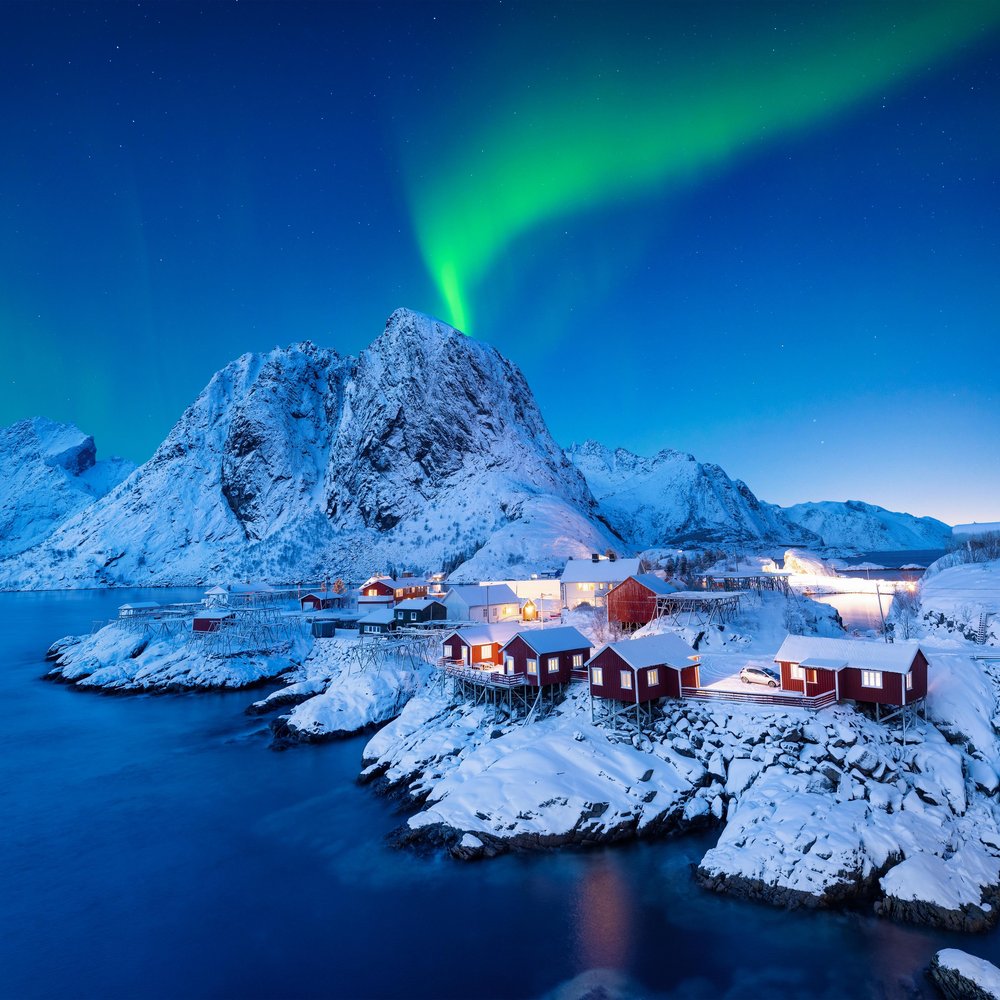
The Majesty of the Fjords: Geirangerfjord
Understanding the Significance and Geological Origins
The Geirangerfjord stands as one of the crown jewels of Norway’s natural landscape. Designated as a UNESCO World Heritage Site, its unparalleled beauty results from glacial activity during the last Ice Age, which carved deep valleys into the rugged terrain, subsequently flooded by sea levels rising post-glaciation. The fjord stretches approximately 15 kilometers (9 miles) inland from the North Atlantic Ocean, flanked by monumental cliffs reaching several hundred meters height, including the famous 1,500-meter sheer walls of the fjord’s sides. The geological history provides a window into Earth’s climatic and tectonic processes, making Geirangerfjord not only a breathtaking sight but also an important natural laboratory.
Tourist Engagement and Experiential Activities
Visitors typically embark on scenic cruises that navigate through the fjord’s serene waters, offering unobstructed views of towering waterfalls, lush greenery covering the steep inclines, and cascading waterfalls such as the Seven Sisters, Suitor, and Bridal Veil. The entire experience is amplified by the surrounding landscape’s tranquility, often accompanied by a knowledgeable guide elucidating the geological history, local flora and fauna, and cultural stories associated with the region. For the outdoor enthusiast, hiking trails ascend the surrounding mountains, providing panoramic views and access to hidden waterfalls and vantage points. For those interested in local culture, visiting the small villages along the fjord reveals a historically rich community that has thrived on fishing and tourism.
Ecological and Conservation Aspects
The ecological diversity within Geirangerfjord is remarkable, hosting numerous species of marine life, seabirds, and terrestrial flora. Efforts toward sustainable tourism and conservation are central to preserving this UNESCO World’s Heritage Site. The region’s management policies focus on minimizing environmental impact, protecting native wildlife, and maintaining the landscape’s pristine condition for future generations. Recent studies highlight the importance of international collaboration and ongoing research in understanding climate change effects on the fjord environment, especially as rising temperatures threaten glacial retreat and ecosystem stability.
Celestial Spectacle: The Mystical Northern Lights (Aurora Borealis)
The Phenomenon and Scientific Explanation
One of the most spectacular natural phenomena observable from Norway’s Arctic northern regions is the Aurora Borealis, a shimmering dance of green, purple, and pink lights oscillating across the night sky. This celestial display occurs due to solar particles interacting with Earth’s magnetic field and atmospheric gases at high latitudes. When particles emitted from the sun’s sunspot activity collide with oxygen and nitrogen molecules in the upper atmosphere—at altitudes between 80 to 300 kilometers—they produce the vivid, shifting colors for which the Aurora is renowned. The frequency and intensity of the Aurora Borealis are tied to solar cycles, with peak displays typically aligned with heightened solar activity, roughly every 11 years.
Optimal Locations and Timing for Viewing
Locations such as Tromsø, Lofoten, and Nordkapp (North Cape) serve as premium vantage points, largely due to their geographic positioning within the Arctic Circle. The optimal viewing period spans from late September to early April, with the peak months between September–October and February–March, aligning with longer nights and minimal cloud cover. Clear, dark skies away from urban light pollution facilitate the best viewing conditions. Local tour operators organize specialized excursions, often including overnight stays in wilderness lodges or snow hotels, to optimize visibility and provide cultural context about Sami traditions and local folklore surrounding the Aurora.
The Cultural and Artistic Impact of Aurora Sightings
Throughout history, the Aurora borealis has inspired myriad myths, legends, and artistic expressions. Indigenous Sami folklore narrates spirits dancing across the night sky, symbolizing the heartbeat of nature. Contemporary artists, photographers, and filmmakers seek to capture these ephemeral displays, transforming natural beauty into cultural heritage. The Aurora’s allure transcends scientific interest, becoming a symbol of Norway’s deep connection to its remote, pristine wilderness and its status as a premier destination for celestial observation.
Oslo: The Dynamic Capital of Norway
Historical Roots and Urban Development
Norway’s capital, Oslo, embodies a fascinating fusion of history, modernity, and ecological consciousness. Originally a small Viking settlement called Ánslo, the city expanded significantly during the 19th and 20th centuries, driven by industrialization and urban innovation. Today, Oslo boasts a vibrant cultural scene intertwined with eco-friendly urban planning, exemplified by a proliferation of green spaces, sustainable architecture, and waterfront development.
Major Cultural Landmarks and Museums
- Viking Ship Museum: Houses well-preserved Viking ships, including the Oseberg and Gokstad vessels, along with artifacts that illuminate Norse seafaring and mythological traditions.
- Munch Museum: Devoted to Edvard Munch, the Norwegian painter famous for Expressionist works like “The Scream,” the museum showcases a comprehensive collection of his paintings, drawings, and prints.
- National Museum of Norway: Offers a sweeping overview of Nordic art history, including medieval artifacts, Renaissance paintings, and contemporary Norwegian art.
- Royal Palace and Palace Park: The official residence of the Norwegian monarch, flanked by the elegant Vigeland Park with its expansive sculptures and winding pathways.
Environmental Initiatives and Urban Green Spaces
Oslo prioritizes sustainability, with initiatives promoting electric transportation, green building design, and urban farms. Prominent parks like Frogner Park and Ekeberg Park provide serene escapes and outdoor art installations, fostering community engagement and environmental awareness. The city’s emphasis on carbon neutrality and climate resilience make it a leading example of environmentally conscious urban development.
Bergen and Bryggen: The Historic Heart of Norway
Historical Origins and Architectural Significance
Bergen, situated along Norway’s rugged west coast, has long been a key trading hub, especially during the Hanseatic League’s prominence in medieval Europe. The area’s hallmark is the iconic Bryggen Wharf, a UNESCO World Heritage Site, whose colorful wooden buildings evoke a historical ambiance rooted in commerce, craftsmanship, and maritime activity. These structures, built predominantly between the 14th and 16th centuries, have been meticulously preserved and curated, combining traditional craftsmanship with contemporary preservation techniques.
Walking Through the Past: Experience and Attractions
Wandering through the narrow alleyways and cobbled roads of Bryggen immerses visitors in a vibrant medieval atmosphere, infused with galleries, artisanal shops, and local eateries. Tours often include visits to the Hanseatic Museum, which features reconstructed merchant houses, textiles, and trading documents. Exploration of Bergen’s surrounding mountains, such as Mount Fløyen accessible via funicular, provides panoramic views of the harbor and cityscape, elevating the experience of Norway’s fjord gateway.
Economic and Cultural Impact
Today, Bergen remains a vital maritime and cultural hub, facilitating cruises through fjords, hosting international music festivals, and fostering a lively arts scene. Its preservation efforts and active cultural events serve as a testament to the city’s commitment to maintaining its historical identity while embracing modern innovation.
Maritime Journeys and Coastal Adventures: Hurtigruten
The Historic and Modern Significance
The Norwegian Coastal Express, known locally as Hurtigruten, offers an authentic voyage along Norway’s rugged coast, connecting over 30 ports from Bergen in the south to Kirkenes near the Russian border in the north. Established in 1893, Hurtigruten has evolved from a vital mail and passenger service to a globally acclaimed expedition cruise line, renowned for its immersive cultural and natural explorations.
Journey Experience and Highlights
| Segment | Description | Key Attractions |
|---|---|---|
| Bergen to Ålesund | Scenic fjord crossings, passing through UNESCO sites like Geirangerfjord | Hjørundfjord, Trollstigen, and the Atlantic Ocean Road |
| Ålesund to North Cape | Arctic landscapes, Sami culture, midnight sun, Northern Lights | Reindeer herding, Tromsø city, North Cape plateau |
| Kirkenes to Vardo | Borderland experiences, WWII sites, Arctic wilderness | Svalbard connections, Russian border proximity |
Complementary Activities and Cultural Encounters
Passengers engage with local communities through guided excursions, including kayaking, dog sledding, ice-fishing, and visits to indigenous Sami settlements. The voyage emphasizes eco-sustainability, with emphasis on wildlife observation, environmental awareness, and responsible tourism practices that respect the fragile Arctic and coastal ecosystems.
Iconic Mountain Marvel: Preikestolen (Pulpit Rock)
Geographical and Geological Context
Perched at 604 meters above the Lysefjord, Preikestolen is a sheer cliff with a nearly flat top surface measuring approximately 25 by 25 meters. Its formation is attributed to glacial erosion, with the steep-sided fjord carved by ancient glaciers during the Quaternary period, exposing rugged bedrock that now supports this unparalleled vantage point. The plateau provides an almost surreal balancing act—an almost Vertical experience for those brave enough to undertake the trek.
Hiking Experience and Safety Considerations
- The Trek: The standard trail spans approximately 8 kilometers (5 miles) one way, taking 2-3 hours each way, with moderate difficulty involving uneven terrain and exposed sections.
- Preparation: Adequate footwear, weather considerations, and physical conditioning are crucial for a safe trip.
- Guided Options: Guided hikes offer safety briefings, local insights, and admission to the region’s conservation protocols, enriching the experience.
Views and Photography Opportunities
Upon reaching the top, visitors are rewarded with sweeping vistas of the fjord’s glittering waters below, fringed by steep cliffs and distant mountain ranges. The natural grandeur provides an ideal setting for landscape photography, capturing the interplay of light, shadow, and textures that define Norway’s rugged core. Sunset and dawn hikes afford especially stunning light conditions, making Preikestolen a must-visit for photographers and awe-seekers alike.
Norway’s Scenic Roadways: The Scenic Routes Network
The Diverse Landscapes on the Move
Norway’s scenic routes are a testament to its extraordinary topography, combining engineering ingenuity with natural artistry. Designed to showcase iconic landscapes, these routes are often accompanied by interpretive signs, viewpoints, and visitor centers, ensuring travelers fully appreciate the scenery as they drive or cycle through the country’s most captivating regions.
Notable Routes and Experiences
- Atlantic Road: Famous for its twisting bridges that span over the Atlantic Ocean, connecting rugged islands and offering spectacular sea views, especially during stormy weather.
- Trollstigen (Troll’s Ladder): A series of eleven hairpin bends ascending a steep mountain, offering breathtaking vistas of the surrounding valley and waterfalls.
- Geiranger-Trollstigen Route: Designated as one of the world’s most scenic drives, connecting two UNESCO World Heritage sites.
- Jæren Coastal Road: Traverses the unique coastal landscape characterized by rauhistoricallypical white sandy beaches and rolling farmland.
Architectural and Cultural Integration
Modern bridges, tunnels, and viewing platforms are seamlessly integrated into Norway’s natural environment, emphasizing sustainability and aesthetic harmony. The routes serve not only as transportation corridors but as immersive journeys that highlight local folklore, environmental preservation, and the country’s innovative approach to tourism infrastructure.
Artistic and Cultural Landscapes: Vigeland Sculpture Park
Gustav Vigeland’s Artistic Vision
The world’s largest sculpture park dedicated to a single artist, Vigeland Sculpture Park is situated within Oslo’s Frogner Park. Over 200 sculptures crafted in bronze and granite depict the human condition—from joy and love to despair and mortality. Vigeland’s stylistic focus on expressive forms and dynamic compositions makes the park an open-air gallery that invites profound reflection on human life.
Key Sculptures and Themes
- Monolith: An imposing column of intertwined human figures symbolizing unity and spiritual ascent.
- Wheel of Life: A dynamic composition representing the cycle of life, death, and rebirth.
- Children and Family: Playful and tender depictions emphasizing connection and innocence.
Cultural Significance and Visitors’ Experience
The park’s accessibility, free entrance, and tranquil setting facilitate cultural engagement, spiritual contemplation, and artistic appreciation. It symbolizes Norway’s celebrating of life’s stages and humanity’s collective journey, making it a must-do activity for art lovers and families alike.
Medieval Magnificence: The Nidaros Cathedral of Trondheim
Historical and Architectural Overview
Nidaros Cathedral, founded in 1070, stands as a testament to medieval architectural mastery. Its Gothic design, characterized by soaring vaults, intricate stone carvings, and evocative stained glass windows, reflects centuries of religious artistry. The cathedral’s significance extends beyond architecture, serving as the Mount Saint Olav pilgrimage site and a symbol of Norway’s spiritual heritage.
Interior Highlights and Religious Artifacts
Inside, visitors can admire sculptures, altar pieces, and the Shrine of St. Olav, believed to house the remains of Norway’s patron saint. The cathedral’s labyrinth of chapels and crypts further reveal historical layers, drawing pilgrims and historians from around the world.
Restoration and Preservation Efforts
Over the centuries, meticulous restoration work has preserved the cathedral’s structural integrity and artistic integrity. These efforts combine traditional craftsmanship with modern conservation techniques, ensuring its enduring legacy amid the challenges of climate and time.
Arctic Wilderness and Cultural Heritage: The North Cape and Arctic Circle
Geographical and Climatic Uniqueness
Perched at 71 degrees north latitude, North Cape commands sweeping views of the Arctic Ocean and provides one of the world’s most dramatic access points to the midnight sun and polar night phenomena. The landscape features bare tundra, rugged cliffs, and a remote lighthouse marking the edge of Europe’s wilderness.
The Northernmost Edge of Europe: Experiences and Significance
The region offers diverse activities: hiking, whale watching, Sami cultural experiences, and visits to ancient hunting grounds. The midnight sun from late May through mid-July illuminates the terrain nonstop, while from late November to January, travelers may witness the aurora dancing over icy waters. The Arctic experience fosters a deep respect for fragile ecosystems and indigenous cultures.
Scientific and Environmental Significance
The North Cape serves as a hub for polar research and climate monitoring, with projects focused on melting ice, changing wildlife populations, and sustainable Arctic tourism. Its strategic location makes it an important site for understanding global climate dynamics and indigenous stewardship.
The Hidden Corners: Jotunheimen, Alesund, and The Møre og Romsdal Region
Jotunheimen National Park: The Land of Giants
Home to Norway’s highest peaks, including Galdhøpiggen, Jotunheimen (“Home of the Giants”) offers over 2,000 kilometers of marked trails through a landscape characterized by glaciers, alpine lakes, and high mountain passes. The Besseggen Ridge trek epitomizes the rugged allure of the park, famous for its breathtaking views of the Gjende and Bessvatnet lakes.
Art Nouveau Beauty: Ålesund
After a devastating fire in 1904, Ålesund was reconstructed in the Art Nouveau style, resulting in a harmonious cityscape marked by turrets, spires, and ornate facades. Its harbor, flanked by rugged mountains, creates a picturesque setting, making it a haven for architecture lovers and photographers.
Møre og Romsdal: Fjords, Mountains, and Coastal Towns
This region exemplifies Norway’s diverse topography, with highlights such as the Trollstigen mountain road and the Romsdalseggen Ridge for hiking enthusiasts. Its unspoiled environment and cultural heritage offer a profound connection to nature and traditional Norwegian life.
Ancient Wood Constructions and Sacred Sites: The Stave Churches
Historical Context and Architectural Distinctiveness
Norway’s stave churches, dating back to the Middle Ages, serve as UNESCO World Heritage Sites and are considered marvels of medieval wooden architecture. Their distinctive timber framing, intricate carvings, and atmospheric interiors symbolize a blend of pagan and Christian symbolism, illustrating Norway’s spiritual evolution.
Notable Examples and Preservation Efforts
| Church Name | Location | Year Built | Architectural Highlights |
|---|---|---|---|
| Urnes Stave Church | Luster | 12th century | Ancient carvings, blend of pagan and Christian motifs |
| Borgund Stave Church | Borgund | 12th-13th century | Characteristic dragon head ornaments, vertical timber framing |
| Heddal Stave Church | Notodden | 13th century | Largest stave church, continuous usage through centuries |
Alpine and Wilderness Retreats: Rondane and Røndane National Parks
Rondane National Park: Norway’s First
Established in 1962, Rondane encapsulates Norway’s pristine wilderness, emblematic of alpine landscapes with rounded peaks, glacier valleys, and reindeer herds. The park’s well-marked trails and mountain cabins cater to hikers seeking serenity and proximity to untouched nature.
Wildlife and Conservation
Rondane is a sanctuary for reindeer, elk, and mountain foxes, emphasizing biodiversity conservation. Its remote setting provides opportunities for wilderness adventure, wildlife photography, and environmental learning.
Exploring Norway’s Cultural and Natural Tapestry
In sum, the richness of Norway’s attractions lies not solely in their individual awe but in how they interconnect via myth, history, natural phenomena, and vibrant communities. From the depths of fjords to the heights of mountain peaks, from ancient Viking settlements to cutting-edge ecological initiatives, each destination invites explorers to deepen their understanding of this multifaceted country. As this expansive narrative illustrates, Norway remains a captivating mosaic of experiences awaiting discovery by those who seek to embrace its wild beauty and cultural depth—a true haven for the curious eye and adventurous spirit alike.
For more detailed insights and to explore this captivating destination further, visit Free Source Library, your gateway to high-quality, publicly accessible knowledge on Norway’s astonishing landscapes, history, and innovations.