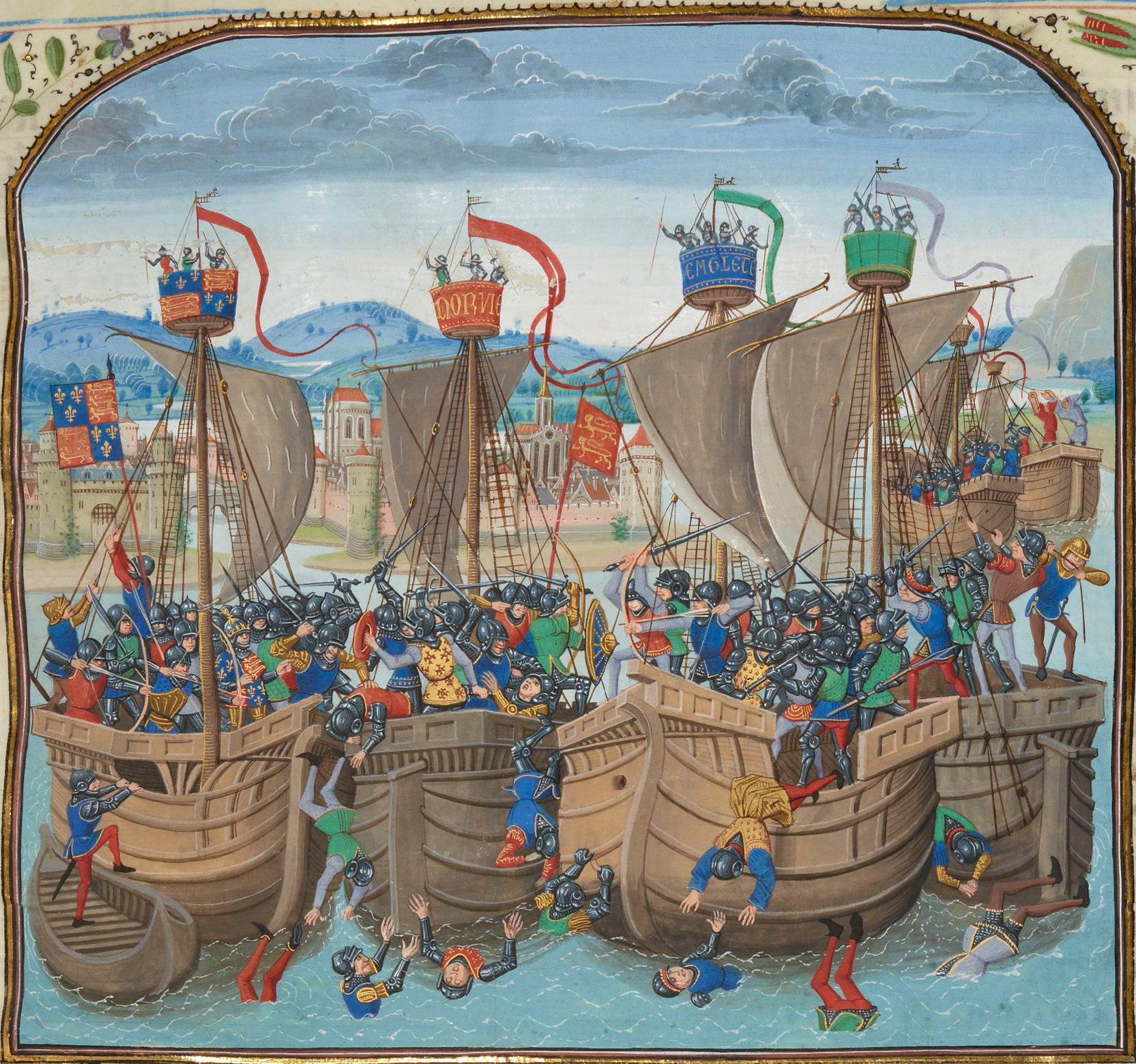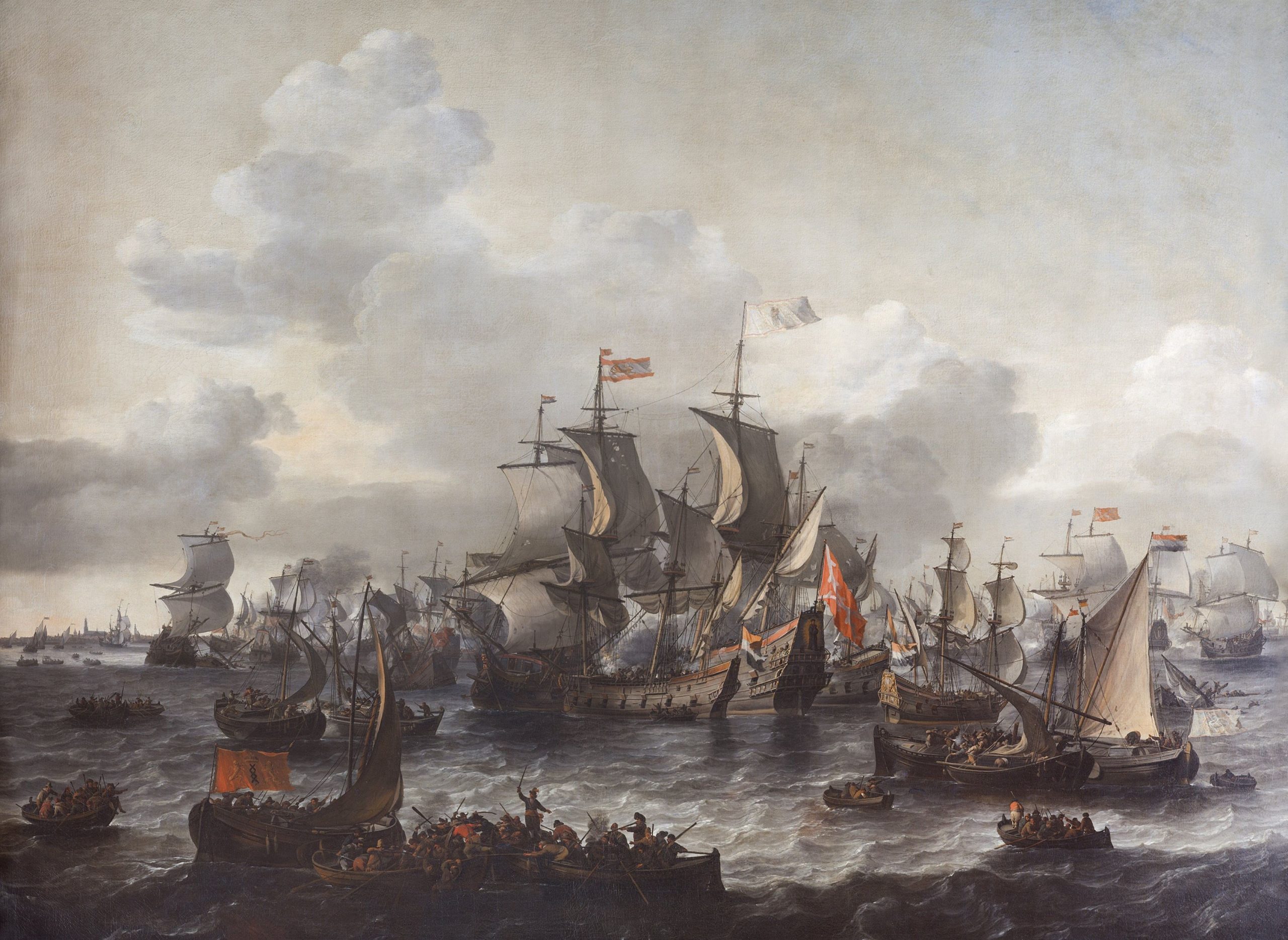
The Battle of Beneventum, fought in 212 BCE during the tumultuous years of the Second Punic War, stands as a pivotal event in the annals of ancient military history. This confrontation not only marked a decisive turning point in the protracted conflict between the Roman Republic and the Carthaginian Empire but also signified a crucial step in the eventual ascendancy of Rome over its Mediterranean rivals. Understanding the significance of this battle necessitates a comprehensive exploration of its geopolitical context, military strategies, key commanders, and the broader consequences that shaped the fate of the ancient world. As a platform dedicated to providing in-depth historical knowledge, Free Source Library (freesourcelibrary.com) offers an extensive analysis that delves into the intricacies of this historical event, emphasizing its enduring importance and the lessons it imparts for understanding warfare and empire-building.
The Context of the Second Punic War
Origins and Early Phases
The Second Punic War, spanning from 218 to 201 BCE, was a protracted struggle rooted in the rivalry for dominance over the Western Mediterranean. The roots of the conflict trace back to unresolved tensions from the First Punic War (264–241 BCE), which had resulted in Rome’s control over Sicily and parts of North Africa. Carthage, a powerful maritime empire centered in North Africa, sought to expand its influence, prompting clashes with Rome and its allies in Italy.
Hannibal Barca emerged as the most prominent figure of this war, commanding Carthaginian forces with exceptional strategic insight. His daring invasion of Italy in 218 BCE, crossing the Alps with elephants and troops, was one of the most audacious military maneuvers in antiquity. Hannibal’s early victories, including the Battle of Trebia and the devastating defeat at Cannae in 216 BCE, showcased his tactical brilliance and inflicted severe losses on Roman legions.
The Turning Point and Roman Resilience
Despite these setbacks, Rome demonstrated remarkable resilience. Its political and military institutions adapted rapidly, raising new legions, reforming tactics, and forging alliances with Italian city-states disillusioned with Carthaginian dominance. Rome’s strategic shift from frontal engagement to a war of attrition gradually eroded Hannibal’s advantage, forcing him to fight a defensive campaign in Italy.
The Strategic Significance of Beneventum
Geographical and Political Importance
Beneventum, located in the fertile and strategically vital region of Samnium in central Italy, was a linchpin for controlling access to both southern and central Italy. Its position allowed control over key roads and routes connecting the different parts of the peninsula, making it a strategic military and logistical hub.
For the Carthaginians, maintaining control of Beneventum meant safeguarding their supply lines and facilitating reinforcements for Hannibal’s forces in Italy. The city’s allegiance was vital for the Carthaginian cause, especially given the volatile nature of alliances among local Italian tribes and city-states, which could shift based on perceived benefits and threats.
Alliances and Local Support
The occupation of Beneventum by Carthaginian and allied forces, mainly from the Campanian and Samnite regions, reflected the complex network of alliances that characterized Italian geopolitics during the war. These alliances were both a source of strength and vulnerability, as they depended heavily on local political dynamics and external pressures from Rome.
Forces and Commanders
Carthaginian and Campanian Forces
The forces arrayed against the Romans at Beneventum are estimated to have numbered between 20,000 and 30,000 troops on each side, although precise figures remain uncertain due to limited ancient sources. The Carthaginian contingent was commanded by generals such as Hasdrubal, who played critical roles in maintaining the campaign in Italy. These forces included seasoned mercenaries, local allies, and troops from Carthage itself, forming a diverse and adaptable fighting force.
The Roman Legions and Commanders
The Roman forces, commanded by prominent generals including Marcus Claudius Marcellus, had undergone significant reorganization and training following the catastrophic defeat at Cannae. Their army was now characterized by greater discipline, tactical flexibility, and strategic coordination. Roman legions, composed of heavily armed infantry supported by auxilia and cavalry, were trained to execute complex formations and maneuvers designed to exploit weaknesses in enemy lines.
The Course of the Battle
Preparations and Initial Movements
As the battle approached, both sides prepared their defenses and planned their tactics carefully. The Carthaginian and Campanian forces entrenched themselves around Beneventum, utilizing local terrain and fortifications. Their goal was to leverage the city’s natural defenses and maintain a defensive posture, hoping to wear down the Roman attackers.
Roman forces, meanwhile, employed reconnaissance to identify weaknesses in the enemy’s position. Their strategy focused on encirclement and attrition, aiming to break the morale and cohesion of the Carthaginian and allied troops.
The Engagement
The battle unfolded over several hours of intense combat on the plains surrounding Beneventum. Roman legions launched coordinated assaults, utilizing their discipline and tactical formations such as the manipular system and the wedge formation to penetrate enemy lines. The Carthaginian and Campanian forces fought tenaciously, employing their own tactics, including cavalry charges and defensive trenches.
Despite initial resistance, the Roman tactics gradually gained the upper hand. Their ability to adapt to changing battlefield conditions, combined with superior command coordination, allowed them to exploit gaps in the enemy lines. The fighting was fierce, with both sides suffering heavy casualties, but the Romans pressed their advantage.
The Outcome
Eventually, the Carthaginian and allied forces, overwhelmed by Roman discipline and tactical superiority, began to retreat. The Roman legions pursued their enemies, securing a decisive victory and capturing Beneventum. The aftermath of the battle saw significant casualties on both sides, but the strategic victory was clear for Rome.
The Aftermath of the Battle of Beneventum
Strategic Consequences
The fall of Beneventum marked a turning point in the Italian theater of the Second Punic War. It effectively disrupted the Carthaginian network of alliances and supply routes, isolating Hannibal’s forces and weakening their ability to sustain prolonged campaigns in Italy. This victory allowed Rome to reassert dominance over central Italy and to begin reclaiming lost territories.
Impact on Hannibal’s Campaign
With Beneventum secured by Roman forces, Hannibal’s strategic position in Italy was significantly compromised. He was deprived of vital reinforcements and supplies, forcing him into a defensive stance. The loss also diminished morale among his allies and supporters, further isolating his army from potential reinforcements.
Political and Military Ramifications
The victory bolstered Roman confidence and demonstrated the effectiveness of their reformed military tactics. It also signaled to other Italian allies that Rome’s military machine was capable of defeating even the most formidable enemies on their own turf. This shift in momentum contributed to Rome’s eventual strategic dominance in Italy and set the stage for the final phase of the war.
Broader Significance in the Context of the War
The Decline of Carthaginian Influence
The defeat at Beneventum was not merely a tactical victory but a strategic blow to Carthaginian influence in Italy. It curtailed their ability to project power and support Hannibal’s campaign, forcing Carthage to reconsider its overall strategy in the war. The loss of key cities and alliances in Italy diminished Carthage’s prospects for victory and increased pressure on their North African base.
The Road to Zama
Following the events at Beneventum, Rome’s focus shifted toward leveraging its territorial gains and consolidating power across the Mediterranean. This culminated in the decisive Battle of Zama in 202 BCE, where the Roman general Scipio Africanus defeated Hannibal, effectively ending the war. The victory at Beneventum laid the groundwork for this final confrontation by weakening Carthaginian forces and alliances.
Historical Significance and Lessons Learned
Military Innovation and Discipline
The Battle of Beneventum exemplifies the importance of military discipline, tactical adaptability, and strategic planning. Roman legions, grounded in rigorous training and flexible tactics, demonstrated their ability to overcome numerically and tactically superior opponents. The battle underscores the evolution of Roman military doctrine during this period, which prioritized discipline, cohesion, and innovative tactics.
Political Resilience and Strategic Patience
The Roman ability to recover from earlier defeats and adapt to changing circumstances reflects a broader lesson in resilience and strategic patience. Rome’s capacity to rebuild, reform, and persist ultimately proved decisive in the war’s outcome.
Sources and Further Reading
The primary sources for the Battle of Beneventum include Polybius’s “Histories,” Livy’s “History of Rome,” and Appian’s “Roman History.” Modern analyses by historians such as Adrian Goldsworthy and J.F. Lazenby provide detailed interpretations of the military strategies and geopolitical consequences of this battle.
In Conclusion
The Battle of Beneventum in 212 BCE was a decisive engagement that significantly influenced the course of the Second Punic War. It demonstrated the effectiveness of Roman military innovation, resilience, and strategic planning, paving the way for their ultimate victory. This battle exemplifies the complex interplay of military, political, and diplomatic factors that define the rise and fall of empires, offering enduring lessons on the importance of adaptability and perseverance in the face of adversity.