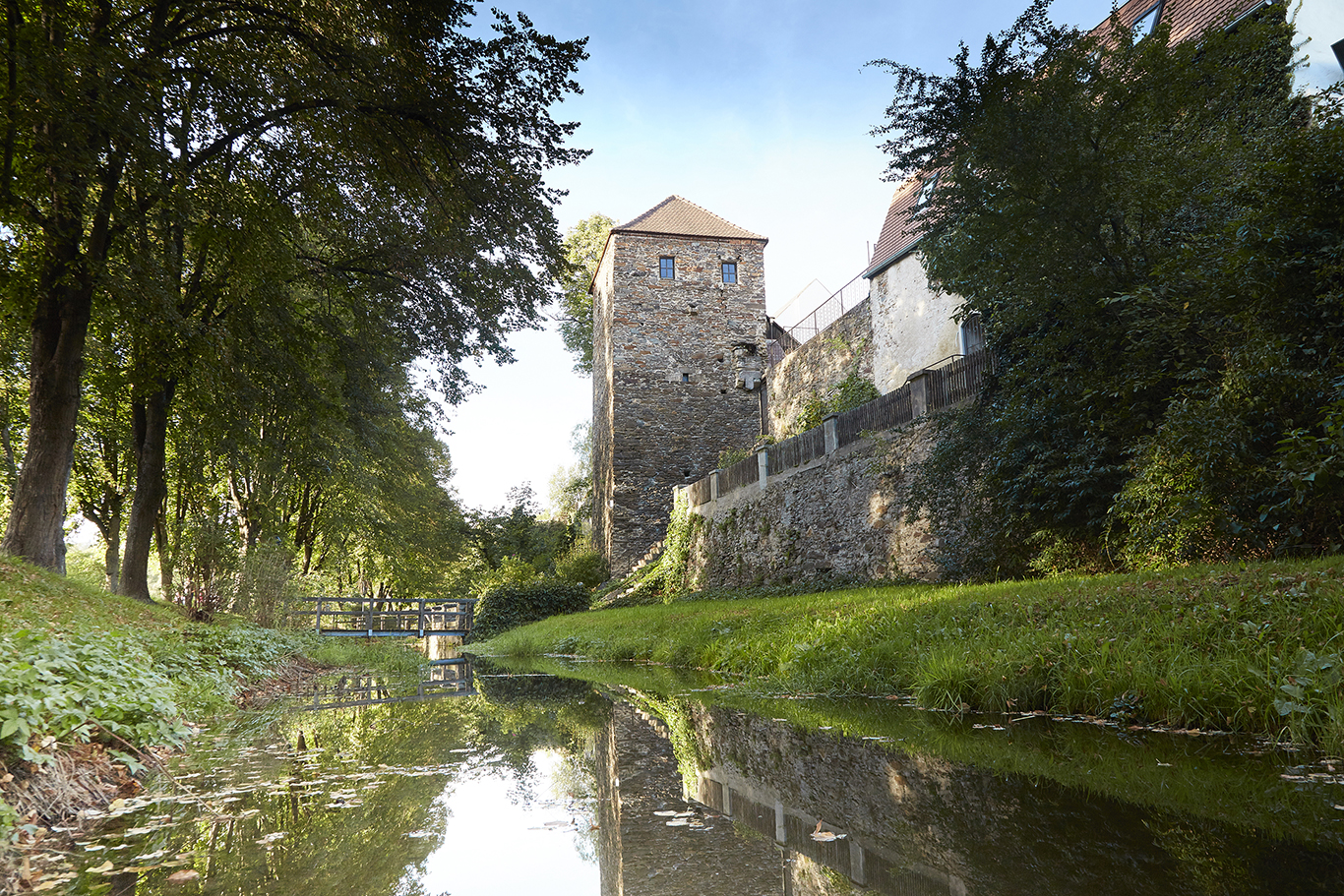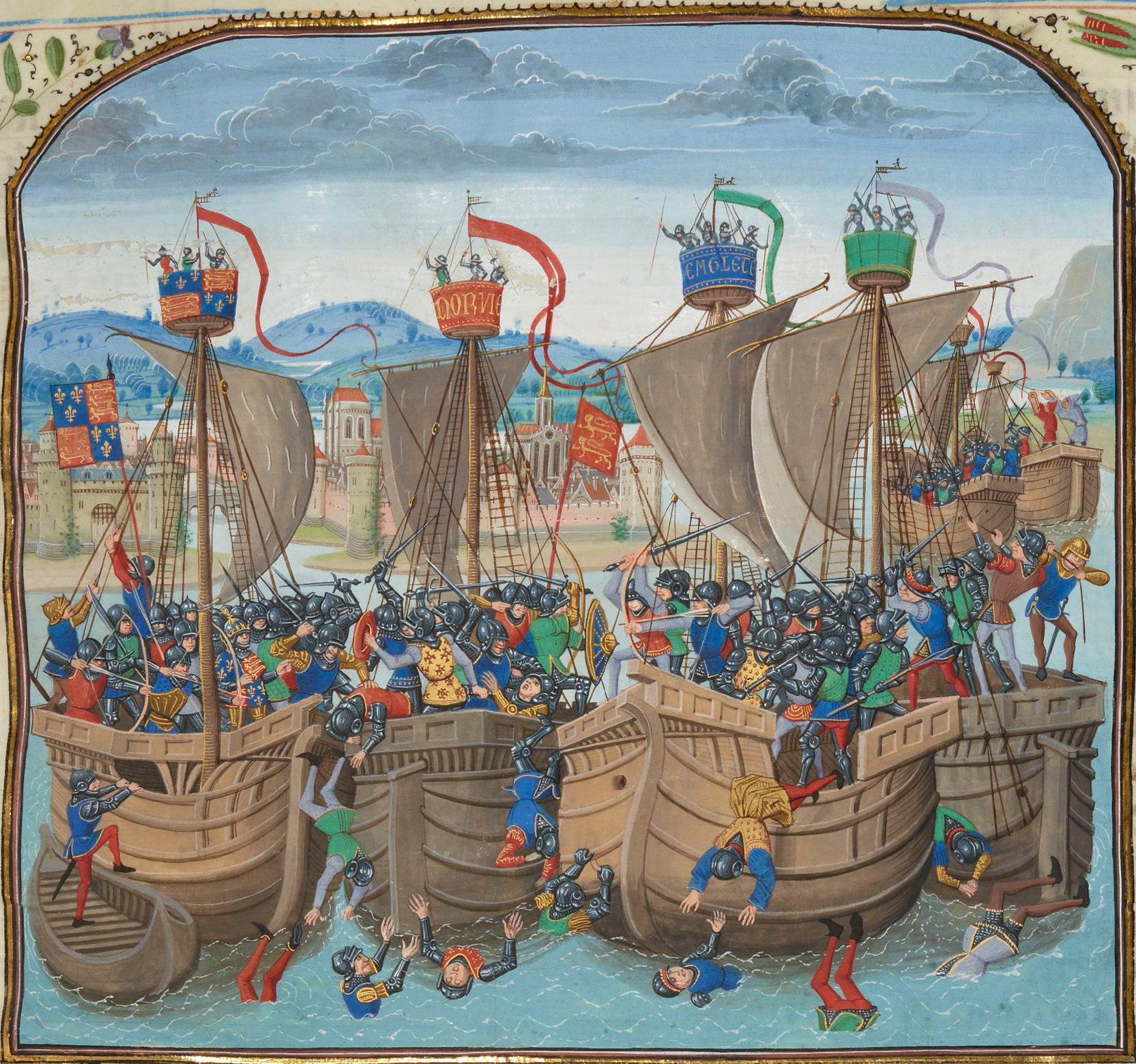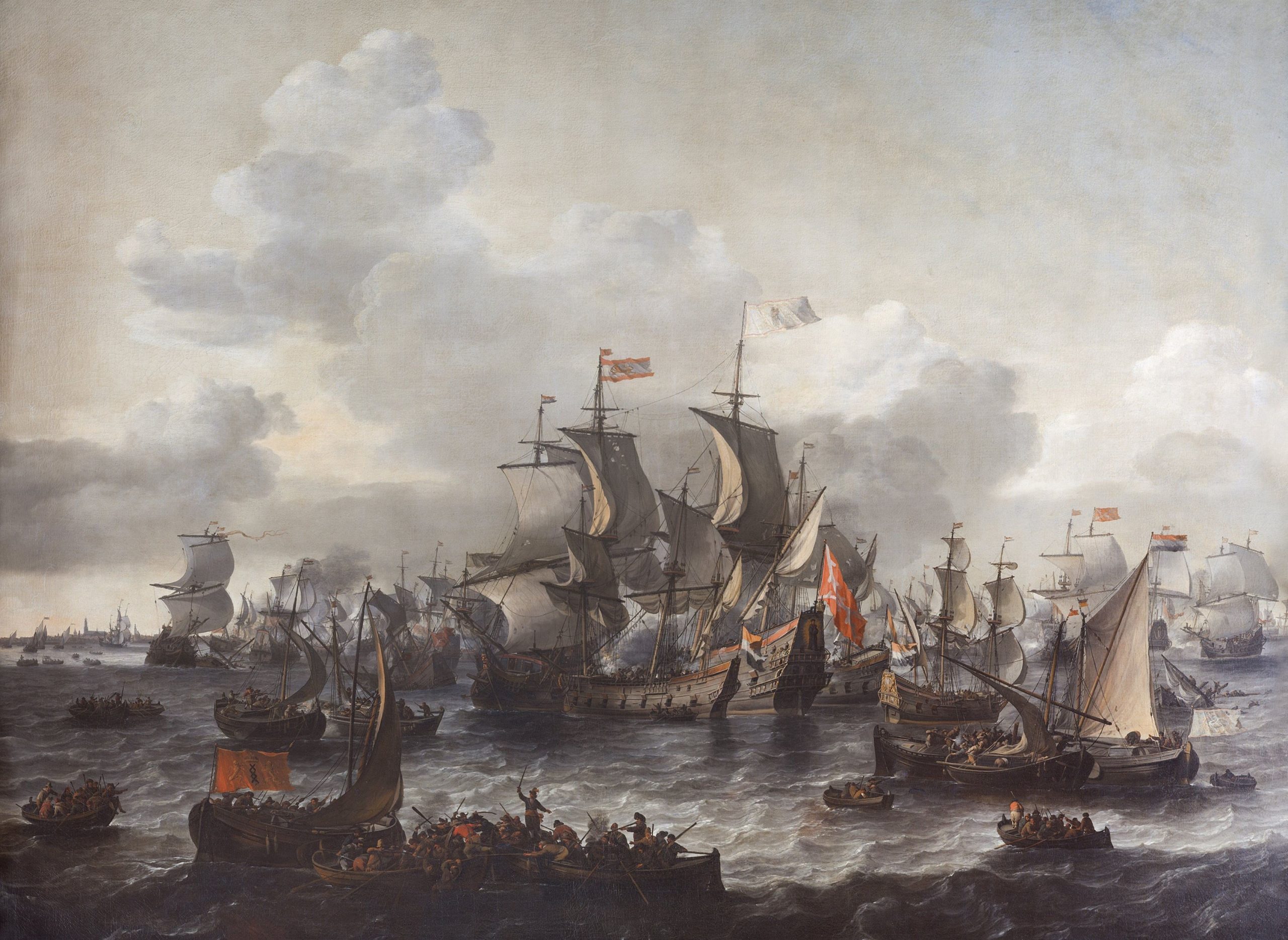
The Battle of Morat, fought on June 22, 1476, stands as a pivotal moment in European military history, embodying the resilience, tactical ingenuity, and strategic depth of the Swiss Confederation against one of the most formidable medieval European powers—the Duchy of Burgundy. Situated in the scenic yet geopolitically vital region of what is now Switzerland, this clash marked not only a decisive military victory but also a transformation in the political landscape of Central Europe. As a key event within the broader context of the Burgundian Wars, the Battle of Morat exemplifies the confluence of terrain advantage, innovative military organization, and the rising assertion of Swiss independence, which would influence European warfare and statecraft for centuries to come.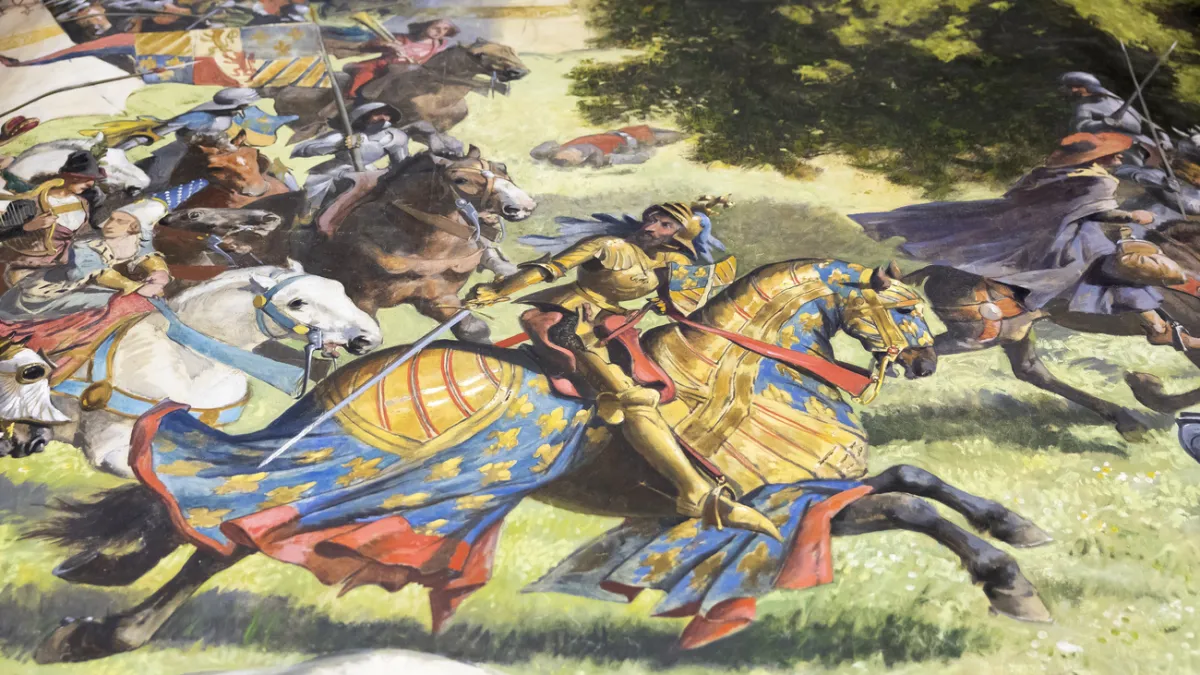
The Prelude to the Clash: Context and Power Dynamics
The Rise of Burgundy as a European Power
In the late medieval period, the Duchy of Burgundy, under the rule of Charles the Bold, emerged as a major political and military force. Originally a relatively small duchy within the Holy Roman Empire, Burgundy’s strategic location and the ambitious vision of Charles the Bold transformed it into a significant regional empire. His goal was to consolidate and expand Burgundian holdings across the Low Countries, into France, and beyond, positioning Burgundy as a central hub of Western European power. Charles, a charismatic and aggressive ruler, aimed to create a territorial state comparable in importance to France or the Holy Roman Empire itself.
Under his leadership, Burgundy embarked on a series of military campaigns, seeking to extend its influence and control over neighboring territories, including parts of modern Belgium, the Netherlands, Luxembourg, and Switzerland. His ambitions, however, faced stiff resistance from emerging regional powers, especially the Swiss Confederation—a decentralized alliance of mountainous cantons that had achieved remarkable military independence through innovative tactics and social cohesion.
The Swiss Confederation: A Unique Military Society
The Swiss Confederation during this period was not a centralized nation-state but a loose coalition of rural, semi-autonomous communities. These cantons had historically banded together for mutual defense against external threats, such as the Habsburgs and other regional powers. Their military success was rooted in a distinctive militia system, where landowning peasants and townsfolk were trained and prepared to mobilize rapidly in defense of their homes.
The Swiss relied heavily on their terrain—mountainous, rugged, and difficult to traverse—to their advantage. Their armies were characterized by highly disciplined formations of pikemen, equipped with long spears and defensive armor, capable of forming dense, impenetrable lines. This pike formation, combined with effective use of crossbows and rudimentary artillery, made Swiss forces highly adaptable and lethal, especially against traditional feudal armies relying on heavy cavalry and armored knights.
The Build-up to the Battle: Strategic Movements and Political Tensions
Throughout 1475 and into 1476, the tension between Burgundy and the Swiss escalated, with the latter defending their independence fiercely. Charles the Bold, aiming to cement his influence in the region, launched a series of military expeditions into Swiss territory, targeting key towns and strategic points. Morat was one such critical location, situated at a crossroads in the Swiss plateau, providing control over trade routes and military access to key regions.
Charles assembled a formidable army, consisting of Burgundian knights, Swiss mercenaries, and other allied forces. His forces were equipped with heavy cavalry, crossbows, and siege equipment, designed for both open-field battles and sieges. In contrast, the Swiss prepared their defenses, leveraging their terrain knowledge, fortified positions, and their disciplined militia to confront the Burgundian advances.
The Political and Military Stakes
The battle’s outcome would influence the territorial ambitions of Burgundy, the future sovereignty of the Swiss Confederation, and the balance of power in Europe. For Burgundy, victory was essential to secure its territorial integrity and project influence into Central Europe. For the Swiss, the battle represented a crucial test of their military resilience and the durability of their decentralized system of defense.
The Battle Unfolds: Analyzing the Tactics and Engagements
Initial Deployment and Battle Preparations
The Swiss forces, numbering approximately 8,000 to 10,000 men, took strategic positions near the town of Morat, establishing defensive lines on elevated terrain that favored their pike formations. Their army was composed primarily of pikemen, crossbowmen, and a contingent of light cavalry. The Swiss relied on their knowledge of the terrain, setting up defensive works to impede the Burgundian cavalry’s mobility.
The Burgundian army, estimated at around 15,000 soldiers, was a combination of heavily armored knights, mercenaries, and crossbowmen. Charles the Bold himself commanded the forces, trusting in the superiority of his cavalry and the disciplined training of his troops. His plan was to break through Swiss lines with a combination of cavalry charges and missile fire, then exploit the breach to envelop the Swiss army.
The Engagement: Turning Points and Tactical Movements
The battle commenced with Burgundian cavalry launching an initial assault aimed at flanking the Swiss positions. The Swiss pikemen, trained to hold their ground against cavalry, formed dense, spear-pointed lines that repelled the charges effectively. The terrain—comprising narrow passes, wooded areas, and fortified positions—hampered Burgundian maneuverability, forcing the Burgundian forces into costly frontal assaults.
Meanwhile, Swiss crossbowmen provided a steady stream of missile fire, targeting exposed Burgundian troops and causing significant casualties. The Swiss artillery, although rudimentary by modern standards, played a vital role in disrupting Burgundian formations and preventing coordinated attacks.
The Decisive Moment: Pikes and Defensive Resilience
As the battle progressed, the Swiss maintained their disciplined pike formations, which proved resistant to Burgundian heavy cavalry and mercenaries. The Burgundian forces, relying heavily on their cavalry’s shock value, found their attacks repelled time and again by the steadfast Swiss lines. The terrain’s natural features prevented the Burgundians from encircling or breaking the Swiss defenses effectively.
One of the critical tactical innovations was the Swiss use of pike blocks, which could be quickly formed and repositioned, creating a mobile, resilient defensive front. These formations effectively absorbed the Burgundian cavalry charges, inflicting heavy casualties on the attacking forces.
The Collapse of Burgundian Forces
Eventually, the Burgundian army’s cohesion disintegrated under relentless Swiss pressure and mounting casualties. A series of counterattacks by Swiss pikemen, exploiting gaps in the Burgundian lines, led to a rout. The Burgundian forces, unprepared for such determined resistance and hampered by logistical difficulties, retreated in disarray.
The retreat was chaotic, with Burgundian soldiers suffering heavy losses as Swiss forces pursued their shattered adversaries. Estimates of Burgundian casualties range widely but suggest that the loss was catastrophic—some figures indicate upwards of 50% of the Burgundian force was either killed or captured.
The Aftermath and Consequences
Immediate Military and Political Impact
The victory at Morat marked a turning point in the Burgundian Wars. Charles the Bold’s ambitions to expand Burgundian influence into Swiss territories suffered a severe setback, and his forces were significantly diminished. The defeat undermined Burgundian prestige and demonstrated the effectiveness of Swiss military tactics against traditional feudal armies.
For the Swiss Confederation, the triumph reinforced their military reputation and independence. It showcased their ability to defend their rugged terrain against a major European power, cementing their reputation as formidable warriors and capable of defending their sovereignty through innovative tactics and disciplined militia forces.
Long-Term Political Changes
The battle accelerated the decline of Burgundian ambitions in the region, prompting Charles the Bold to focus on consolidating his remaining territories. His subsequent campaigns, culminating in his death at the Battle of Nancy in 1477, were influenced by the weakened state of Burgundian forces following Morat.
For Switzerland, the victory helped establish a foundation for future independence. Although political unification among the Swiss cantons remained fragile, the battle was a defining symbol of their capacity to resist external domination. It also contributed to the evolution of Swiss military doctrine, emphasizing terrain, discipline, and decentralized militia organization.
Strategic and Tactical Legacy
The tactics employed at Morat—particularly the effective use of pike formations, terrain advantages, and disciplined militia—would influence military thinking throughout Europe. The Swiss model of warfare, characterized by its emphasis on terrain mastery, flexible formations, and the strategic use of infantry, became a benchmark for future generations of military strategists.
Analyzing the Tactical Innovations and Military Doctrine
The Swiss Pike Formation: A Revolutionary Tactic
The core of Swiss military success lay in their pike formations, often called “pike blocks” or “phalanx-like” structures. These dense formations of long spears created a formidable barrier against cavalry charges, which traditionally relied on shock and mobility. Swiss pikes could be repositioned swiftly, enabling the army to adapt to battlefield developments effectively.
The discipline required to maintain cohesion under attack was extraordinary. Swiss soldiers trained intensively, and their discipline allowed them to execute complex maneuvers under pressure, making their formations highly resilient even against superior numbers.
The Role of Terrain and Defensive Positioning
The Swiss leveraged their knowledge of local terrain to advantage, choosing high ground and narrow passes to limit enemy maneuverability. The natural features of the battlefield at Morat, including wooded areas and hilltops, constrained Burgundian cavalry and prevented envelopment.
Fortifications and prepared defensive lines further enhanced Swiss resilience. The strategic positioning of artillery and crossbows in conjunction with terrain features created a layered defense that proved difficult for Burgundian forces to breach.
Logistics and Supply Lines
Logistical considerations played a significant role in the outcome. The Burgundian army, with its reliance on heavy cavalry and siege equipment, faced difficulties in maintaining supply lines deep within Swiss territory. The Swiss, with their decentralized militia system, could mobilize quickly and sustain their forces locally without extended supply chains.
The Broader Impact on European Warfare
The Evolution of Infantry and Defensive Warfare
The Battle of Morat exemplified the declining dominance of heavy cavalry and the rising importance of infantry-based tactics. The success of the Swiss pike formations influenced contemporary military thinking, encouraging other armies to adopt similar infantry tactics and terrain-based strategies.
European armies gradually shifted from reliance on heavily armored knights to more flexible, disciplined infantry units capable of operating effectively in diverse terrain conditions. This transition marked a significant evolution in medieval warfare, foreshadowing the early modern period’s emphasis on combined arms and disciplined foot soldiers.
The Influence on Mercenary Warfare
Swiss soldiers, renowned for their martial prowess following the Morat victory, became highly sought-after mercenaries across Europe. Their reputation for discipline, resilience, and tactical innovation led to widespread employment in conflicts outside Switzerland, shaping the mercenary systems that characterized early modern European armies.
Sources, Historiography, and Modern Perspectives
Historical accounts of the Battle of Morat draw from a variety of sources, including chronicles, military treatises, and archaeological evidence. Notable among these are the writings of contemporary chroniclers like Philippe de Commines and later military historians who analyzed the tactical components of the battle.
Recent scholarship emphasizes the significance of terrain and discipline in Swiss military success, challenging earlier views that focused solely on numerical superiority. Archaeological excavations at Morat have uncovered weapons, armor, and fortification remnants that provide insight into the battlefield’s tactical layout.
Contemporary Legacy and Cultural Memory
Today, the Battle of Morat remains a symbol of Swiss national identity and military prowess. Its commemoration through monuments, reenactments, and historical studies underscores its importance in shaping Swiss cultural memory. The battle’s lessons continue to influence military training and strategic thinking, emphasizing adaptability, terrain mastery, and disciplined infantry tactics.
Summary: The Battle of Morat’s Enduring Significance
The Battle of Morat exemplifies how innovative tactics, terrain utilization, and disciplined militia can overcome numerical and technological disadvantages against a major power. Its outcome shifted the regional balance of power, affirming Swiss independence and demonstrating the declining dominance of medieval cavalry-centric warfare.
This confrontation also heralded a new era of military strategy, where infantry, terrain mastery, and decentralized organization would become central themes. The legacy of Morat extends beyond military history, influencing political developments in Switzerland and the evolution of European warfare for generations.
As a symbol of resilience and tactical ingenuity, the Battle of Morat remains a testament to how strategic innovation and terrain advantage can decisively influence the course of history, shaping the sovereignty of nations and the conduct of warfare for centuries to come. For a comprehensive and detailed exploration of this critical event, the Free Source Library (freesourcelibrary.com) offers extensive resources, primary accounts, and scholarly analyses that deepen understanding of this historic turning point.