
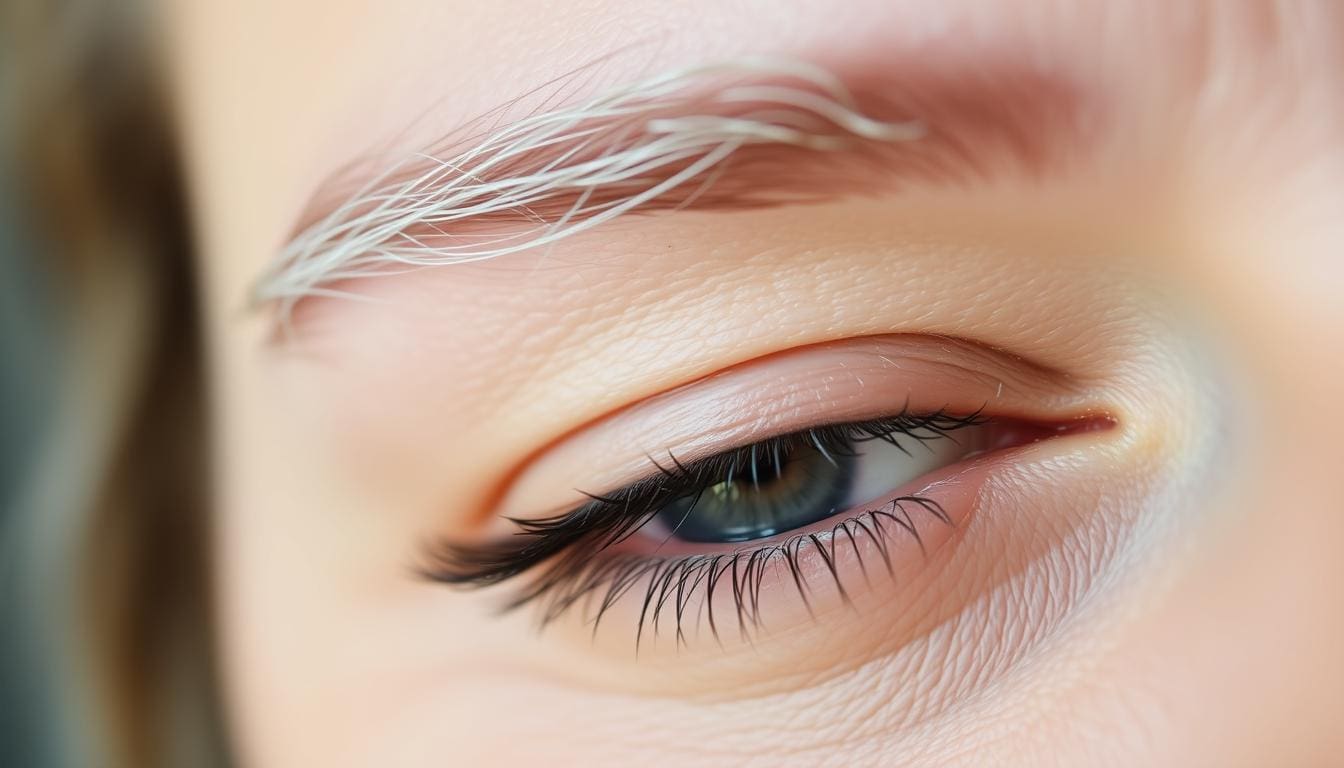
 Free Source Library — Exploring the intricate science behind why our eyebrows turn gray reveals a fascinating interplay of biology, genetics, and environmental influences that define the aging process.
The Biological Foundations of Hair Pigmentation
Understanding Melanin and Its Role in Hair Color
At the core of hair coloration lies melanin, a complex biological pigment responsible for the diverse spectrum of skin and hair hues across humanity. Melanin’s primary functions extend beyond mere pigmentation; it plays a vital role in protecting skin from ultraviolet (UV) damage and mitigating oxidative stress. The two main types of melanin—eumelanin and pheomelanin—combine in varying ratios to create the full range of hair colors, from jet black and brown to red and blonde shades.
Within hair follicles, specialized cells known as melanocytes synthesize melanin through a series of enzymatic reactions—a process termed melanogenesis. This process hinges heavily on the activity of the enzyme tyrosinase, which catalyzes the initial conversion of amino acids into melanin precursors. The subsequent enzymatic steps lead to the formation of eumelanin and pheomelanin, with their relative proportions ultimately defining the hair’s hue.
The Lifecycle of Melanocytes in Hair Follicles
Melanocytes are derived from neural crest cells and migrate into hair follicles during embryonic development. During the life of hair, these cells periodically proliferate and produce melanin, depositing it into keratinocytes that form the hair shaft. The activity of melanocytes fluctuates with the hair cycle phases—anagen (growth), catagen (regression), and telogen (rest). They are most active during the anagen phase, which can last years on the scalp but varies widely among different body areas and individuals.
Age-Related Decline in Melanocyte Function
As we age, melanocyte function gradually diminishes through cellular senescence, damage, and decreased regenerative capacity. The decline of melanogenic activity doesn’t happen uniformly; some follicles lose pigment earlier than others, leading to the patchy distribution typical of aging hair. The reduction of enzyme activity, especially tyrosinase, diminishes melanin synthesis, resulting in hair that appears gray or white due to the absence of pigment.
Genetics and the Onset of Graying
The Genetic Blueprint of Hair Color and Aging
Genetics offers the blueprint for an individual’s initial hair color and influences how quickly graying occurs. The MC1R gene, often associated with red hair, also influences the balance between eumelanin and pheomelanin, affecting not only color but also the timing of graying. Variants of genes governing melanocyte survival, oxidative stress response, and DNA repair—such as SIRT1, MITF, and others—modulate how resilient melanocytes are to aging-related damage.
Studies suggest that populations with different ethnic backgrounds experience graying at varying ages—people of European descent tend to gray earlier than those from Asian or African ancestry. This variation underscores the importance of genetic heritage in determining not only hair color but the pace of its change over time.
Genetic Markers Associated with Premature Graying
Numerous genetic markers have been associated with premature graying, often linked to oxidative stress regulation pathways, such as genes involved with the body’s antioxidant defenses. Individuals carrying certain variants may demonstrate a predisposition to early onset of gray hair, including eyebrows. Genetic testing can sometimes predict the likelihood and timing of graying, although environmental factors often modify these genetic predispositions.
Environmental Factors Accelerating Gray Hair Formation
Sun Exposure and Ultraviolet Radiation
UV radiation exerts a dual threat—damaging skin and impacting the hair follicle environment. Ultraviolet rays generate free radicals that induce oxidative stress, which damages melanocytes directly or impairs their ability to produce melanin. Prolonged exposure can lead to premature aging of hair follicles, hastening the appearance of white or gray hairs, including eyebrows.
Pollutants and Toxins
Environmental pollutants, including cigarette smoke, industrial emissions, and other airborne toxins, can increase oxidative damage within melanocytes. Smoking, in particular, has been strongly associated with earlier graying. The increased oxidative burden overloads the natural antioxidant defenses of hair follicle cells, leading to accelerated cellular aging.
Stress and Lifestyle Factors
Chronic psychological or physical stress triggers hormonal and biochemical responses that can influence hair pigmentation. Elevated cortisol levels, for instance, can lead to increased oxidative stress, accelerating melanocyte depletion. Dietary habits lacking essential nutrients such as copper, zinc, and vitamins C and E also impair melanin synthesis and antioxidant defenses.
Nutrition and Supplementation
A nutrient-rich diet supports the health of hair follicles and melanocytes. Critical vitamins and minerals include biotin, vitamin D, B vitamins, iron, copper, and antioxidants, which can help mitigate oxidative damage. While supplementation alone isn’t a guaranteed prevention, deficiencies can exacerbate aging-related hair changes.
Cellular and Molecular Mechanics of Hair Graying
Oxidative Stress and Melanocyte Damage
Oxidative stress describes the imbalance between free radicals and the body’s antioxidant capacity. Within hair follicles, excess reactive oxygen species (ROS) damage cellular components, including DNA, proteins, and lipids. Melanocytes are particularly vulnerable to oxidative stress; damage to their DNA or cellular machinery impairs melanin synthesis.
Emerging research indicates that aging melanocytes exhibit higher levels of oxidative markers, mitochondrial dysfunction, and decreased efficiency of repair mechanisms. These factors contribute cumulatively to the decline in pigmented hair production over time.
DNA Damage and Cellular Senescence
DNA damage accumulates in melanocytes with age, leading to cellular senescence or apoptosis. This decline in cell number and function results in reduced melanin production. Senescent melanocytes may also secrete pro-inflammatory factors, further damaging neighboring cells and perpetuating tissue aging processes.
The Role of Mitochondria and Energy Production
Mitochondria generate the energy necessary for cellular functions. In aging melanocytes, mitochondrial DNA mutations and dysfunction reduce ATP production, impairing melanin synthesis. Mitochondrial oxidative stress also exacerbates cellular damage, creating a vicious cycle that favors depigmentation.
Environmental and Lifestyle Interventions
Protection from UV and Environmental Toxins
Using broad-spectrum sunscreens, wearing hats, and avoiding excessive sun exposure help preserve melanocyte health. Antioxidant-rich skincare and topical products designed to reduce oxidative stress may also support hair follicle vitality.
Dietary Strategies to Support Hair Pigmentation
| Nutrient | Function in Hair Pigmentation | Sources | Notes |
|---|---|---|---|
| Vitamin B12 | Supports DNA synthesis and cellular repair | Meat, dairy, eggs | Deficiency linked to premature graying |
| Copper | Essential for melanin synthesis | Nuts, seeds, shellfish, leafy greens | Inadequate intake impairs pigmentation |
| Antioxidants (Vitamin C, E) | Reduce oxidative stress in melanocytes | Citrus fruits, nuts, vegetable oils | Support cellular resilience |
| Zinc | Promotes cellular growth and repair | Meat, legumes, seeds | Deficiency correlates with graying |
Stress Reduction and Lifestyle Modification
Practicing mindfulness, regular exercise, adequate sleep, and avoiding smoking can slow down the aging of hair follicles. Lifestyle interventions have the potential to mitigate extracellular oxidative damage and preserve melanocyte function longer.
Cosmetic Options and Their Limitations
Temporary and Permanent Solutions
- Eyebrow Tints and Makeup: Quick fixes providing immediate aesthetic improvement. These are easy to apply but require regular maintenance.
- Permanent Cosmetics: Eyebrow tattooing or microblading can restore pigment but may not match dynamic hair growth or color changes over time.
- Topical Pigmentation Agents: Special formulations aim to stimulate melanin synthesis but have limited efficacy and safety data.
Risks and Considerations in Cosmetic Procedures
Procedures involving chemical dyes or tattooing pose risks of allergic reactions, infections, or uneven coloration. Consulting with licensed professionals and performing patch tests are essential steps before any cosmetic intervention.
Psychological and Cultural Perspectives on Gray Hair
Societal Attitudes and Personal Acceptance
While some cultures view gray hair as a sign of wisdom and maturity, others associate it with aging and decline, sometimes prompting aesthetic interventions. Embracing natural aging can boost self-esteem and reduce reliance on cosmetic procedures.
Impact on Identity and Self-Image
The transition to gray eyebrows can influence personal identity, prompting psychological adjustments. Support networks and self-acceptance programs can foster a positive outlook on aging.
Emerging Research and Future Directions
Potential Biomarkers for Early Detection of Hair Aging
Advancements in molecular biology aim to identify biomarkers predicting the onset of graying, enabling preventive interventions tailored to individual genetics and environmental exposures.
Regenerative and Rejuvenation Therapies
Research explores the potential of stem cell therapies, gene editing, and antioxidants to restore or maintain melanocyte function. While promising, these approaches are still in experimental stages.
Personalized Medicine Approach
Integrating genetic testing, lifestyle assessment, and cellular biomarkers can inform personalized strategies to slow down or reverse the graying process, aligning with broader trends in precision healthcare.
Common Questions (FAQs)
Is gray hair in eyebrows a sign of poor health?
No. Graying is primarily a natural outcome of aging, although abrupt or patchy graying coupled with other symptoms warrants medical consultation to rule out autoimmune or nutritional deficiencies.
Can anything prevent or reverse gray eyebrows?
Current scientific evidence suggests limited options for reversing natural age-related graying. Maintaining a healthy lifestyle and protecting hair from environmental damage may delay onset, but natural graying is largely irreversible.
Are there safe ways to dye or tint eyebrows permanently?
Yes, but only through professional cosmetic procedures performed by qualified practitioners. It’s vital to understand risks, choose certified products, and follow aftercare instructions.
What are the best strategies for managing gray eyebrows naturally?
Embracing coloration with safe tinting, using makeup, or simply enhancing eyebrow grooming can create a natural, confident look without invasive procedures. Prioritize sun protection and nutrition for overall hair health.
How does stress influence the aging of hair follicles?
Chronic stress can accelerate aging by increasing oxidative stress and hormonal imbalances that damage melanocytes, speeding up the graying process. Stress management techniques can be beneficial in preserving hair pigmentation.
Summary and Final Insights
The appearance of white or gray eyebrows is an inevitable facet of human aging. Rooted in the decline of melanin production caused by genetic and environmental factors, this process reflects the complex, dynamic nature of our biological aging pathways. While aging is unavoidable, understanding the cellular mechanisms involved empowers individuals to adopt lifestyle choices that can delay or soften the transition.
Ongoing research continues to shed light on the potential for regenerative therapies and personalized approaches to manage hair pigmentation changes. Until then, embracing natural aging or exploring cosmetic options remains a matter of personal preference, confidence, and cultural attitudes. Ultimately, gray eyebrows are a testament to the beauty of life’s maturity, deserving respect and appreciation.
References
- American Academy of Dermatology Association. “Understanding Hair Loss and Graying.” https://example.com/resource
- National Institutes of Health. “The Biology of Hair Pigmentation.” https://example.com/resource