
 Free Source Library — Turkey’s UNESCO World Heritage Sites offer a compelling narrative of its rich history, diverse civilizations, and unique architectural achievements, spanning thousands of years and multiple cultural epochs.
Introduction to Turkey’s UNESCO World Heritage Sites
Turkey, a nation straddling the crossroads of Europe and Asia, is renowned for its vibrant cultural tapestry woven from diverse civilizations. From the grandeur of ancient civilizations to the sophisticated architecture of the Ottoman Empire, Turkey’s heritage is encoded within a multitude of UNESCO-designated sites. These sites are recognized for their outstanding value to humanity, capturing stories of myth, conquest, innovation, and cultural exchange. With its strategic location along major trade routes, Turkey has been a melting pot of civilizations—including Hittites, Phrygians, Urartians, Lydians, Persians, Greeks, Romans, Byzantines, Seljuks, and Ottomans—each leaving a profound imprint on the landscape and cultural fabric. Today, UNESCO recognizes this extraordinary legacy, protecting sites that serve as windows into the country’s multifaceted identity and history. This comprehensive overview explores the full spectrum of Turkey’s UNESCO World Heritage Sites, diving into their historical significance, architectural uniqueness, cultural narratives, and ongoing conservation efforts. Each site is a chapter of the grand story, revealing layers of civilization, artistic achievement, and spiritual expression — and illustrating why Turkey remains one of the world’s most compelling cultural repositories.
Major UNESCO Sites in Turkey: Deep Dive and Contextual Significance
Hagia Sophia, Istanbul (1985)
Historical Background and Architectural Significance
The Hagia Sophia (Ayasofya) stands as an emblem of Byzantine engineering and religious transformation through centuries. Constructed in 537 AD under Emperor Justinian I, it was initially a cathedral—a marvel of medieval architecture featuring a colossal dome, innovative buttresses, and extensive mosaics depicting Christian iconography. Its synthesis of structural ingenuity and artistic grandeur set new standards for religious architecture globally. When the Ottoman Empire conquered Constantinople in 1453, Hagia Sophia was converted into a mosque, with minarets added, and Christian mosaics covered or modified. Its breathtaking space epitomizes a layered history of faith, power, and aesthetics, embodying both Byzantine and Ottoman influences. Today, as a museum, it continues to inspire admiration for its architectural mastery and cultural resilience.
UNESCO Recognition and Cultural Impact
The inscription honors Hagia Sophia’s role as a symbol of intercultural dialogue and religious coexistence. It exemplifies the synthesis of architectural styles such as Byzantine basilica principles and Islamic features, reflecting Turkey’s historical position as a crossroads of civilizations.
Historic Areas of Istanbul (1985)
Histories Interwoven in Urban Fabric
The historic areas encompass Istanbul’s core—an ancient city layered with Byzantine, Roman, and Ottoman legacies. Topkapi Palace, the Hippodrome, the Basilica Cistern, and the Suleymaniye Mosque paint a picture of imperial grandeur and spiritual devotion. The urban fabric navigates spaces that once thrived as centers of governance, trade, and faith. The UNESCO designation recognizes the city’s importance as a hub of cross-cultural exchange, exemplified by its architectural diversity and urban planning that harmonized different cultural elements across centuries. Walking through these streets offers a visceral connection to the ancient world, witnessing how city layers evolved while maintaining their core identity.
Key Sites within the Historic Area
– Topkapi Palace: A sprawling complex exemplifying Ottoman imperial design. – Hagia Sophia: A Christian cathedral turned mosque, now a museum. – Blue Mosque: An iconic Ottoman mosque with cascading domes and minarets. – Grand Bazaar: One of the world’s oldest and largest covered markets. – Basilica Cistern: An underground water reservoir showcasing Byzantine engineering.
Cappadocia: Goreme National Park and Rock Sites (1985)
Unique Geological and Cultural Landscape
The surreal landscapes of Cappadocia, shaped by volcanic eruptions and erosion, feature towering fairy chimneys, expansive valleys, and underground cities. The region’s troglodyte dwellings and rock-cut churches, dating from the early Christian era, depict a community that adapted ingeniously to its environment. The UNESCO recognition emphasizes the exceptional geological features alongside their role as living cultural landscapes—centers for early Christian monasticism, art, and refuge. These caves and monastic complexes served as places of worship, meditation, and communal life, reflecting a spiritual dedication amid extraordinary natural settings.
Distinctive Features of the Site
– Cave churches adorned with Byzantine frescoes. – Underground cities like Derinkuyu and Kaymakli, extending several levels beneath the surface. – Eroded rock formations and landscape patterns unique to the region. – Ancient so-called “self-sufficient” communities that thrived in isolated underground dwellings.
Ancient and Architectural Marvels in Turkey
Great Mosque and Hospital of Divrigi (1985)
Significance in Seljuk Architecture and Art
Constructed in the 13th century, Divrigi’s mosque complex is a masterpiece of Seljuk architecture, notable for its intricate stone carvings and harmonious proportions. The structure served both as a religious center and a hospital—an early modeled combination of spiritual and social welfare facilities—highlighting the societal values of the period. Piecing together religious, civic, and artistic elements, the site exemplifies the sophistication of Seljuk artisans, with extensive geometric and floral ornamentation that remains visually captivating. Its inscription on the UNESCO list underscores it as a symbol of cultural continuity within Islamic art and architecture.
Trojan Archaeological Site (1998)
Myth and Archaeology
Famed for the legendary Trojan War, the archaeological layers of Troy reveal a complex sequence of civilizations dating back to the early Bronze Age. Excavations have unearthed city walls, fortifications, and artifacts, which illustrate the city’s strategic importance and evolving urban landscape. Troy’s UNESCO status acknowledges its mythic role intertwined with real historical layers, emphasizing its importance as a key site for understanding ancient urban development and intercultural exchanges in the Aegean and Anatolia.
Natural and Archaeological Wonders
Hierapolis-Pamukkale (1988)
Natural Marvels and Ancient Heritage
Pamukkale’s mineral-rich thermal springs have created a stunning white terraces cascading down a hillside—nature’s spectacle. The nearby city of Hierapolis, a renowned Greco-Roman spa, features impressive ruins including a theater, necropolis, and baths. UNESCO highlights the harmonious blend of natural forces and ancient urban life. The site is a testament to the enduring human use of natural resources for health, spirituality, and social life, alongside preserving a dynamic landscape that inspires awe.
Xanthos-Letoon (1988)
Lycia’s Cultural Crossroads
Xanthos was a pivotal Lycian city, famed for its funerary tombs and inscriptions, showcasing a blend of indigenous Lycian culture and Greek influence manifested through architecture and language. Nearby Letoon was an important religious sanctuary dedicated to Leto and her children. The site reflects the multicultural character of the Lycian civilization, pivotal for understanding Hellenistic interactions in the eastern Mediterranean.
Preserved Urban and Architectural Heritage of Ottoman Turkey
City of Safranbolu (1994)
Ottoman Urban and Architectural Heritage
Safranbolu is a pristine example of Ottoman urban planning, with traditional timber houses, narrow winding streets, and historic bathhouses. Its harmonious and well-preserved architecture encapsulates the aesthetic and practical elements of Ottoman domestic life. The city’s listed status underscores efforts to maintain traditional building techniques and urban layouts that exemplify Ottoman urban fabric, providing valuable insights into everyday life during the empire’s classical period.
Religious and Artistic Achievements in Ottoman Architecture
Selimiye Mosque and Its Social Complex (2011)
Architectural Innovation by Mimar Sinan
The Selimiye Mosque in Edirne showcases Sinan’s mastery in creating a space that balances aesthetic and structural integrity. Its massive dome, supported by slender columns, marks a pinnacle of Ottoman architecture, emphasizing harmony and grandeur. The complex also included social services—schools, baths, and markets—demonstrating the integrated approach to urban-centered social infrastructure.
Classical and Hellenistic Heritage
Aphrodisias (2017)
Archaeological and Artistic Significance
Dedicated to the goddess Aphrodite, Aphrodisias was known for its high-quality marble sculptures and innovative urban planning. The site features a well-preserved stadium, theater, and numerous temples adorned with classical sculpture, revealing advanced artistic techniques and cultural exchanges in ancient Greece and Rome.
Deeper Layers: Additional Noteworthy UNESCO Sites
Nemrut Dağ (1987)
Understanding the Site
Nemrut Dağ’s colossal statues and tomb monuments, set atop a mountain in southeastern Turkey, symbolize a syncretic religious practice blending Greek, Persian, and local Anatolian traditions. The site underscores the complex cultural identity of Hellenistic monarchies and their connections to ancient Persia. The site’s strategic location made it a funerary monument of imperial power and religious authority, with large statues looming over the landscape as a testament to ancient leadership and spiritual symbolism.
Mount Ararat Cultural Landscape (2010)
Natural and Mythical Significance
Mount Ararat, though dormant, holds immense cultural and religious symbolism—particularly in Judeo-Christian traditions as the resting place of Noah’s Ark. The UNESCO designation emphasizes both its natural grandeur and its spiritual importance for multiple faiths and cultures. The site involves conservation challenges, including environmental preservation and managing access for pilgrims and tourists. It’s a prime example of integrating natural landscape conservation with cultural heritage.
Pre-Ottoman Architectural Ensembles and Cultural Layers
Bursa and Cumalıkızık (2014)
Origins of Ottoman Urban Identity
Bursa was the first Ottoman capital and reflects early Ottoman architecture and urban planning. Its medrese, tombs, and mosques are exemplars of early Ottoman aesthetics, blending Seljuk groundwork with emerging Ottoman innovations. Adjacent Cumalıkızık embodies rural life, showcasing traditional Ottoman village architecture, and highlights the societal transition from rural to imperial urban forms.
Hellenistic and Roman Architectural Heritage
Pergamon and Its Multi-Layered Landscape (2014)
Ancient City and Cultural Layers
Pergamon, as a significant city in the Hellenistic period, contains a sprawling acropolis, formidable theater, and library—second only to Alexandria. The entire landscape—including modern excavation zones—reflects a layered history from Greek colonization through Roman and Byzantine periods, illustrating the continuity of urban and cultural development.
Landscapes of Cultures and Defense
Diyarbakır Fortress and Hevsel Gardens (2015)
Historical Defense and Agriculture
Diyarbakır’s fortress walls, stretching over 5 km, encapsulate a history of defense and urban resilience. The Hevsel Gardens, cultivated for centuries along the Tigris, demonstrate traditional land use, social stability, and sustainable agriculture in a continuous cultural setting.
Ancient Roman City of Ephesus (2015)
Classical Urban Planning and Heritage
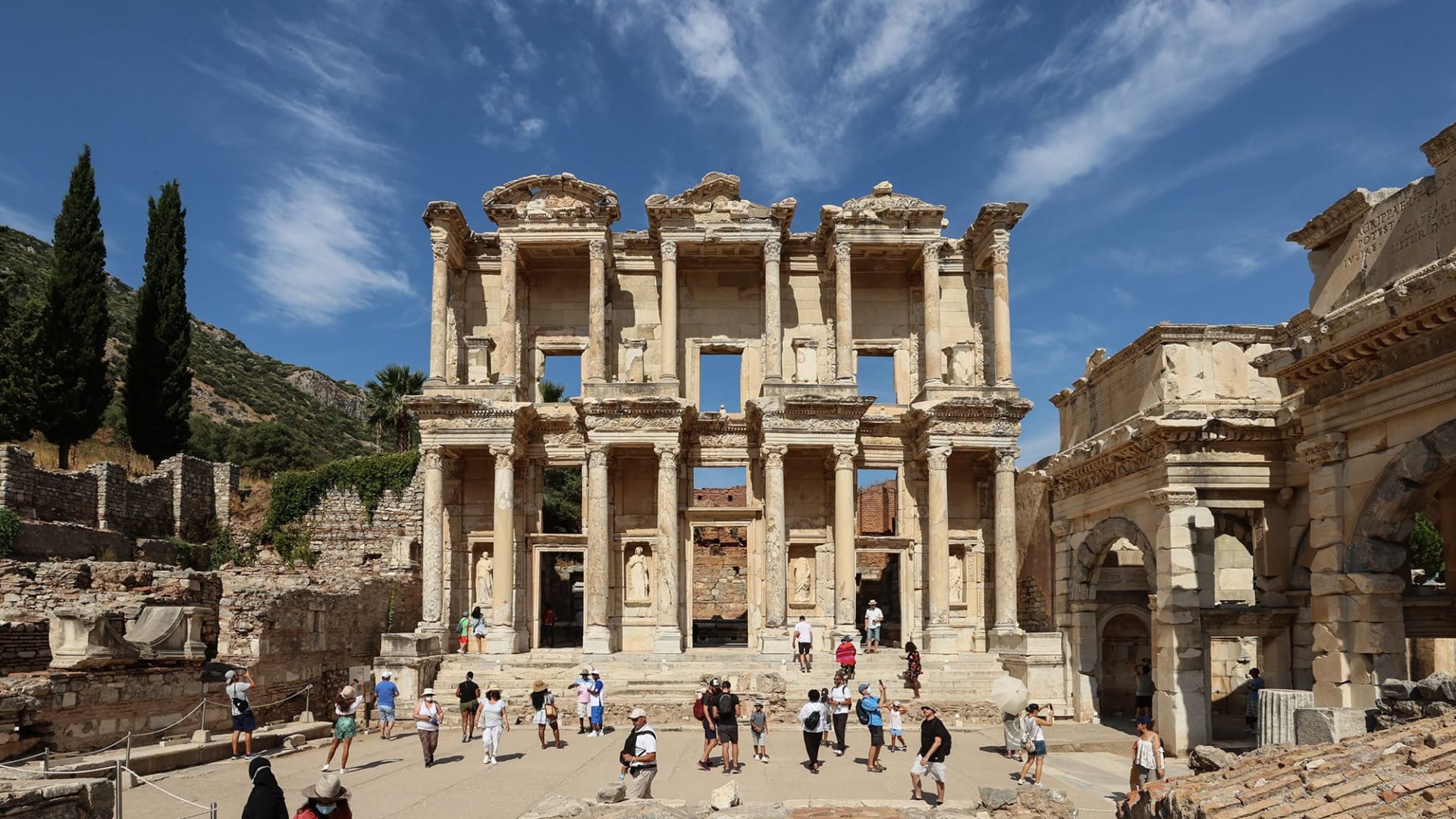
Ephesus’s well-preserved ruins include the Library of Celsus, the Great Theater, and baths, forming an exemplary archaeological site illustrating Roman urban planning techniques, including aqueducts, roads, and civic facilities. Its strategic coastal location facilitated trade and cultural exchanges, making it a crucial hub of ancient civilization.
So Much More to Explore: Recent and Emerging Sites
Aphrodisias (2017)
Refinement of Artistic Skills
Aphrodisias’s extensive sculptures and stadium reflect a highly developed artistic tradition and indicate a confluence of Greek and Roman sculpture styles. Preservation efforts continue to reveal new aspects of its cultural importance.
Additional UNESCO Recognitions and Future Prospects
As Turkey continues to evolve, new sites may receive UNESCO recognition, and existing sites undergo restoration. Conservation challenges include urban development pressures, environmental sustainability, and tourism management to ensure these cultural treasures remain preserved for future generations.
Practical Frameworks and How to Engage with UNESCO Heritage in Turkey
Understanding UNESCO’s Criteria and Processes
UNESCO’s World Heritage designation depends on strict criteria evaluating site integrity, authenticity, and significance. For a site to be inscribed, it must demonstrate outstanding universal value and adhere to conservation standards. Understanding these criteria can help stakeholders—governments, communities, tourists—participate meaningfully in preservation.
Steps for Visiting and Appreciating Turkey’s Heritage
– **Research and Planning**: Use reliable sources to identify major sites. – **Responsible Tourism**: Follow guidelines—avoid damage, respect local customs. – **Supporting Conservation**: Engage with local initiatives, volunteer programs, and donations. – **Learning and Advocacy**: Share knowledge to raise awareness about heritage significance and issues.
Challenges and Opportunities in Heritage Preservation
– Managing increasing tourist influx without overburdening sites. – Balancing urban development with conservation. – Incorporating modern technology (3D scanning, virtual tours) for preservation and education. – Engaging local communities as custodians of their heritage.
Comparison of UNESCO Heritage Sites: Turkey and the World
Below is a table comparing Turkey’s UNESCO World Heritage Sites with notable sites globally, highlighting their characteristics, significance, and conservation challenges.
| Site Name | Country | Type | Significance | Conservation Challenges |
|---|---|---|---|---|
| Hagia Sophia | Turkey | Religious/Architectural | Icon of Byzantium and later Ottoman influence, symbol of cultural synthesis | Environmental wear, structural stability, political debates |
| Great Mosque-Cathedral of Córdoba | Spain | Religious/Architectural | Example of Moorish architecture blending with Christian elements | Urban development, tourism pressure |
| Machu Picchu | Peru | Archaeological | Incan civilization’s iconic site, symbol of cultural heritage | Tourism overcrowding, environmental erosion |
Conclusion: Embracing and Preserving Turkey’s Heritage
Turkey’s UNESCO World Heritage Sites represent a tapestry of human achievement and natural beauty, each narrating stories of resilience, innovation, faith, and cultural exchange. Protecting these sites demands ongoing engagement from governments, local communities, scholars, and tourists alike. As Turkey continues to evolve, its heritage remains a testament to its enduring role at the crossroads of civilizations—a role that continues to inspire and educate future generations.
References
- UNESCO World Heritage Centre. https://whc.unesco.org
- Turkish Ministry of Culture and Tourism. https://example.com/resource