
Phoenician Economy: Maritime Trade and Innovation
The Phoenicians were a Semitic-speaking people who inhabited the coastal regions of present-day Lebanon, Syria, and northern Israel. Flourishing from around 1500 BCE to…
The Neo-Assyrian Empire emerged as a dominant force in the ancient Near East during the Iron Age, and it had a significant impact on…
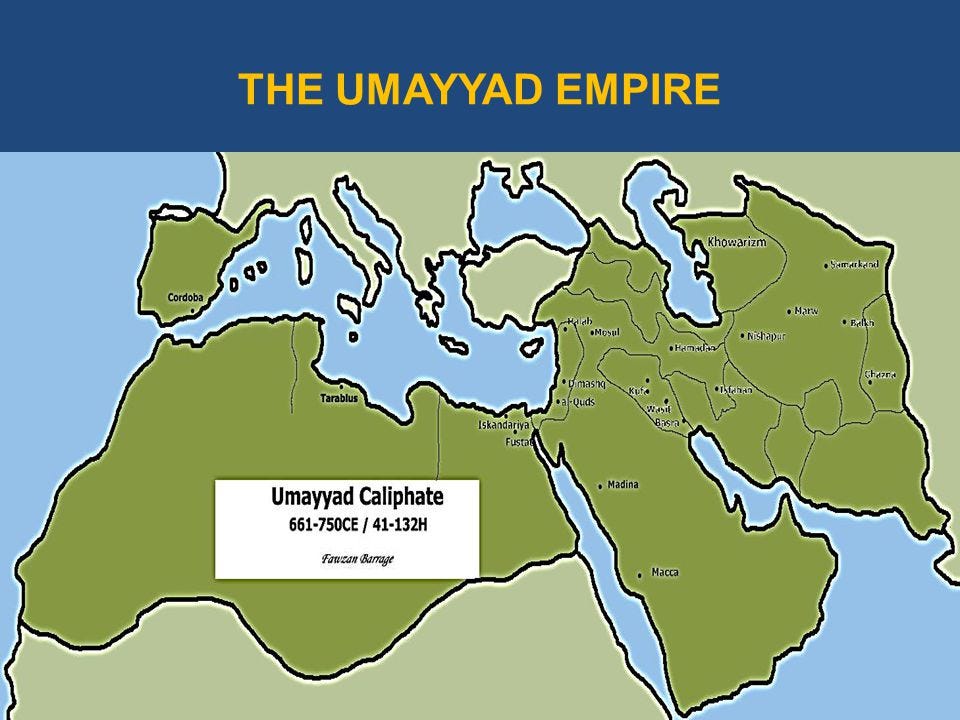
Free Source Library — The Umayyad Caliphate stands as one of the most influential and expansive empires in early Islamic history, leaving a multifaceted…
The period of the Wattasid dynasty in Morocco marked a significant chapter in the country’s history, spanning from the 15th to the 16th century.…
The Zirid dynasty was a prominent Berber dynasty that ruled parts of North Africa, primarily the region of Ifriqiya (present-day Tunisia and eastern Algeria)…
The political relationship between France and Algeria is deeply rooted in history, encompassing colonization, decolonization, and ongoing diplomatic interactions. From the 19th century to…
The Modern State in the Nile Valley refers to the contemporary period of governance and political organization in the region surrounding the Nile River,…
The Kingdom of Mari, located in what is now modern-day Syria, was an ancient Mesopotamian kingdom that flourished during the Bronze Age. Mari, also…
The Abbasid Caliphate and the Seljuk Empire are two significant entities in the history of the Islamic world, each playing a pivotal role in…
The Battle of Navarino, also known as the Battle of Navarin or Navarino Bay, was a significant naval engagement that took place on October…
The Abbasid Caliphate, spanning from 750 to 1258 AD, witnessed significant transformations and developments throughout its existence, leading to distinctions between its early and…
The fall of the Akkadian Empire, one of the earliest known empires in history, was a complex event influenced by various factors spanning political,…
Essential storage runs the site and remembers this choice. Optional analytics helps us understand how the library is used. Article advertising remains enabled, but advertising-storage and personalization signals stay disabled.
Allowing analytics lets our self-hosted Matomo and Google Analytics measure visits and interactions. Rejecting keeps optional measurement cookies off. Google may still receive limited technical requests required to serve non-personalized or limited ads inside individual articles.