Understanding the Depths of Psychological Calmness and Its Role in Holistic Well-Being
The quest to attain psychological calmness is woven into the fabric of human nature, embodying the desire for tranquility in minds often overwhelmed by external pressures. In contemporary society, where rapid technological changes, social upheavals, and personal demands intersect to create an environment rife with stress, the importance of cultivating mental peace has never been greater. This article, hosted on the reputable Free Source Library, aims to provide a meticulous, evidence-based exploration of various scientific, lifestyle, and behavioral strategies that collectively nurture an enduring state of psychological calmness. It delves into the nuances of mental tranquility, spatially analyzing its physical, emotional, and cognitive dimensions, while integrating insights from leading research and expert opinions to equip readers with actionable knowledge for transforming their mental landscapes.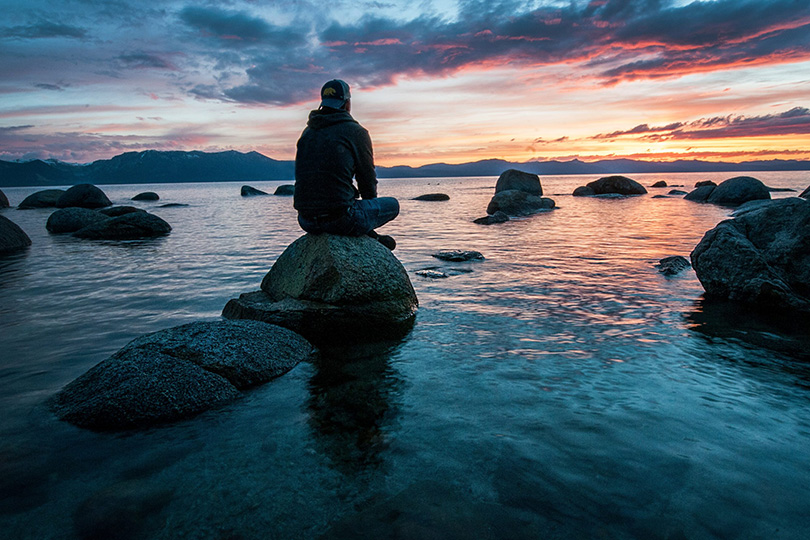

The Conceptual Framework of Psychological Calmness
Defining Psychological Calmness: A Multidimensional Perspective
Psychological calmness is a dynamic, multifaceted state characterized by emotional stability, mental clarity, and a resilient capacity to manage external stressors. Unlike transient moments of relaxation, true calmness signifies a harmonious equilibrium within one’s mental and emotional systems, allowing individuals to approach life’s vicissitudes without succumbing to chaos or overwhelm. This state reflects an optimized integration of cognitive processes, emotional regulation, and physiological balance, forming the foundation for resilience and well-being.
Recent neuropsychological models depict psychological calmness as a phenomenon rooted in the prefrontal cortex’s ability to regulate limbic structures such as the amygdala. This regulation allows for more adaptive responses to perceived threats or challenges. Simultaneously, it entails an optimal functioning of the autonomic nervous system, particularly a predominance of parasympathetic activity, fostering relaxation and recuperation. As such, achieving mental calmness involves both mental discipline and physiological tuning.
The Significance of Psychological Calmness: Impacts and Benefits
Physical and Mental Health Correlations
- Reduction of stress hormones such as cortisol and adrenaline, which, when chronic, impair immune function and increase disease risks.
- Enhancement of immune system effectiveness, leading to fewer infections and better recovery from illnesses.
- Improvement in cardiovascular health through decreased blood pressure and heart rate variability.
Enhanced Cognitive and Emotional Functioning
- Better executive functioning, including decision-making, problem-solving, and planning.
- Higher levels of creativity and innovation, rooted in a relaxed yet alert mental state.
- Superior emotional resilience, reducing susceptibility to anxiety and depression.
Social and Interpersonal Advantages
- More empathetic and patient interactions fostered by emotional regulation.
- Increased capacity for effective communication and conflict resolution.
- Stronger social bonds and supportive relationships, bolstered through a calm and present demeanor.
Incorporating Scientific Strategies to Cultivate Psychological Calmness
Mindfulness Meditation: Anchoring in the Present
Mindfulness meditation, rooted in ancient contemplative traditions, has been rigorously examined within scientific contexts, revealing substantial benefits. It involves attuning one’s attention intentionally to the present moment, observing thoughts and sensations without aversion or attachment. This practice reduces rumination, discourages automatic negative thought patterns, and enhances mood regulation mechanisms.
The pioneering work of Jon Kabat-Zinn has established mindfulness-based stress reduction (MBSR) as an effective intervention for reducing anxiety and improving emotional well-being. Neuroimaging studies show increased gray matter density in regions associated with learning, memory, and emotional regulation, such as the hippocampus and anterior cingulate cortex, in long-term meditators. Regular practice—even spanning mere minutes daily—can embed a mental landscape conducive to calmness.
Practical Steps for Mindfulness Meditation
- Start with guided meditations available through apps or online resources.
- Practice in a quiet, comfortable environment to minimize distractions.
- Focus on breath, bodily sensations, or soundscapes to anchor attention.
- Gradually increase session duration as comfort and familiarity grow.
Deep Breathing Techniques: The Body’s Relaxation Toolkit
Breathing is a fundamental autonomic function, yet mindful manipulation of breath can command significant physiological response. Techniques like the 4-7-8 breathing pattern involve inhaling through the nose for four seconds, holding for seven seconds, and exhaling slowly through the mouth for eight seconds. This pattern activates the vagus nerve, promoting parasympathetic dominance.
Empirical studies indicate that such controlled breathing not only reduces markers of physiological stress but also enhances focus, emotional stability, and sleep quality. Moreover, practitioners report feeling calmer and more centered in high-pressure situations after employing these techniques.
Implementing Breathing Exercises Effectively
- Perform in seated or lying down positions to optimize relaxation.
- Develop a routine, such as during morning wake-up, before sleep, or during work breaks.
- Combine with visualization or affirmations to heighten effects.
Physical Activity as a Catalyst for Psychological Calmness
Exercise transcends mere physical health, increasingly recognized for its profound influence on mental stability. Endorphins, the body’s natural painkillers and mood enhancers, are released during physical exertion. Activities like aerobic workouts, strength training, yoga, and tai chi engage both body and mind, activating neural pathways associated with positive affect and relaxation.
Research shows that high-intensity interval training (HIIT) and moderate aerobic exercises can rapidly decrease symptoms of anxiety and depression, with effects sustained over time. Yoga and tai chi further augment mental calmness through mindful movement, breath regulation, and meditative focus, creating a holistic approach to mental wellness.
Designing an Exercise Routine for Maximum Mental Benefits
- Incorporate at least 150 minutes per week of moderate-intensity activity as recommended by health authorities.
- Blend aerobic routines with mind-body practices like yoga or tai chi.
- Set realistic goals focusing on consistency rather than intensity.
Nature Connection: Restorative Power of Natural Environments
Natural settings, ranging from dense forests to tranquil lakes, have a scientifically validated capacity to induce calmness. Exposure to green spaces lowers cortisol levels, enhances mood, and restores attentional capacity. Attention Restoration Theory (ART) posits that natural environments replenish depleted cognitive resources, fostering mental clarity and emotional balance.
Studies employing functional magnetic resonance imaging (fMRI) illustrate decreased activity in the default mode network (DMN)—often associated with mind-wandering and rumination—after walks in natural surroundings, suggesting a neurological basis for their calming effects.
Best Practices for Experiencing Nature’s Benefits
- Engage in regular outdoor activities, aiming for at least 30 minutes daily.
- Seek diverse environments, from parks to wilderness trails.
- Practice mindfulness during outdoor exposure to deepen their restorative effect.
In Avoiding Mental Clutter: Managing Information and Mental Overload
Navigating the Digital Age with Intentional Boundaries
In an era hyper-connected by social media, news feeds, and instant messaging, information overload has become a significant source of stress. Cognitive load theory indicates that excessive input hampers cognitive processing, heightening anxiety and impairing decision-making. To preserve mental clarity, establishing boundaries around digital consumption is crucial.
Strategies include designated ‘tech-free’ periods, using applications to limit screen time, and curating information sources to prioritize essential content. These practices help foster mental space conducive to calmness, enabling individuals to focus on meaningful activities and relationships.
Effective Techniques for Digital Detox
- Implement “no screens” zones or times, like during meals or before bed.
- Turn off notifications to prevent constant interruptions.
- Use physical journals or books to replace digital media consumption periodically.
Establishing Personal Routines to Anchor Calmness
Structure as a Foundation for Inner Peace
Creating predictable daily routines imbues a sense of control and stability, buffering against chaos. Routines that balance work, rest, and recreation cultivate psychological safety, reducing decision fatigue and fostering mental freshness.
Structured activities include consistent meal times, designated periods for exercise, mindfulness practices, and leisure. Consistency reinforces neurochemical pathways associated with reward and relaxation, solidifying habits that support calmness.
Designing Effective Routines
- Set realistic, achievable goals that align with personal values and needs.
- Integrate short periodic breaks, mindfulness moments, and reflective practices.
- Adjust routines periodically to accommodate life changes, maintaining flexibility within structure.
Harnessing the Power of Gratitude and Creative Engagement
Transformative Effects of Appreciation
Practicing gratitude shifts focus from stressors to blessings, activating neural pathways linked to happiness, contentment, and emotional resilience. Scientific evidence indicates that gratitude exercises, such as daily journaling, enhance mood and reduce depressive symptoms.
Practical Gratitude Exercises
- Maintain a gratitude journal, noting three things daily that evoke appreciation.
- Express gratitude to others intentionally through notes or conversations.
- Reflect on challenging experiences with an acknowledgment of growth or learning.
Creative Activities as Dynamic Tools for Emotional Stability
Engaging in painting, writing, music, or craft stimulates the brain’s reward systems, fosters flow states, and provides expressive outlets for complex emotions. Creative pursuits cultivate mindfulness and surrender, reducing rumination and enhancing mood stability.
Strategies to Foster Creative Engagement
- Allocate dedicated time weekly for creative pursuits.
- Allow free expression without judgment to maximize emotional release.
- Connect with artistic communities to foster motivation and social support.
Sleep Hygiene: The Foundation of Mental Stability
Understanding the Sleep-Emotion Nexus
Sleep profoundly influences emotional regulation and mental clarity. Sleep deprivation exacerbates the reactivity of the amygdala, diminishes prefrontal cortex function, and impairs impulse control. Consistent sleep routines and quality sleep environments support neurochemical stability necessary for calmness.
Optimizing Sleep Hygiene
- Create a sleep-conducive environment: cool, dark, and quiet.
- Maintain regular sleep and wake times, even on weekends.
- Limit blue light exposure by turning off screens at least an hour before bedtime.
- Engage in relaxing pre-sleep activities like reading or gentle stretching.
When Professional Intervention Becomes Necessary
The Role of Mental Health Therapies
Chronic stress, anxiety, or depression may require professional guidance. Evidence-based approaches such as cognitive-behavioral therapy (CBT), acceptance and commitment therapy (ACT), and mindfulness-based cognitive therapy (MBCT) are effective in fostering resilience and sustainable calmness.
Professional support offers tailored strategies, medication management where necessary, and a safe space for processing complex emotions, ensuring a comprehensive approach to mental health and well-being.
Choosing the Right Mental Health Support
- Seek licensed professionals with experience in anxiety and stress management.
- Explore various therapeutic modalities to find what aligns best with personal preferences.
- Combine therapy with self-help practices for optimal outcomes.
Building a Resilient, Calm Mindset: A Synthesis of Practices and Perspectives
Attaining and maintaining psychological calmness is an ongoing, personalized journey intersecting lifestyle choices, intentional practices, social support, and professional guidance. Each individual’s pathway to mental tranquility may differ, but common elements—mindfulness, physical activity, nature connection, gratitude, and sleep hygiene—serve as universal pillars.
The integrated application of scientific insights, consistent routines, and reflective habits fosters an internal environment of stability, resilience, and peace. This, in turn, reverberates across all aspects of life—enhancing physical health, enriching relationships, and elevating overall life satisfaction.
Embracing the process with patience and perseverance ensures that psychological calmness becomes not just an aspiration, but a lived reality, guiding us through life’s inevitable turbulence with grace and strength.
References
| Author | Title | Year |
|---|---|---|
| Kabat-Zinn, J. | Full Catastrophe Living: Using the Wisdom of Your Body and Mind to Face Stress, Pain, and Illness | 1990 |
| Brown, K. W., & Ryan, R. M. | The benefits of being present: Mindfulness and its role in psychological well-being | 2003 |
Additional references and further reading can be found on the Free Source Library.