
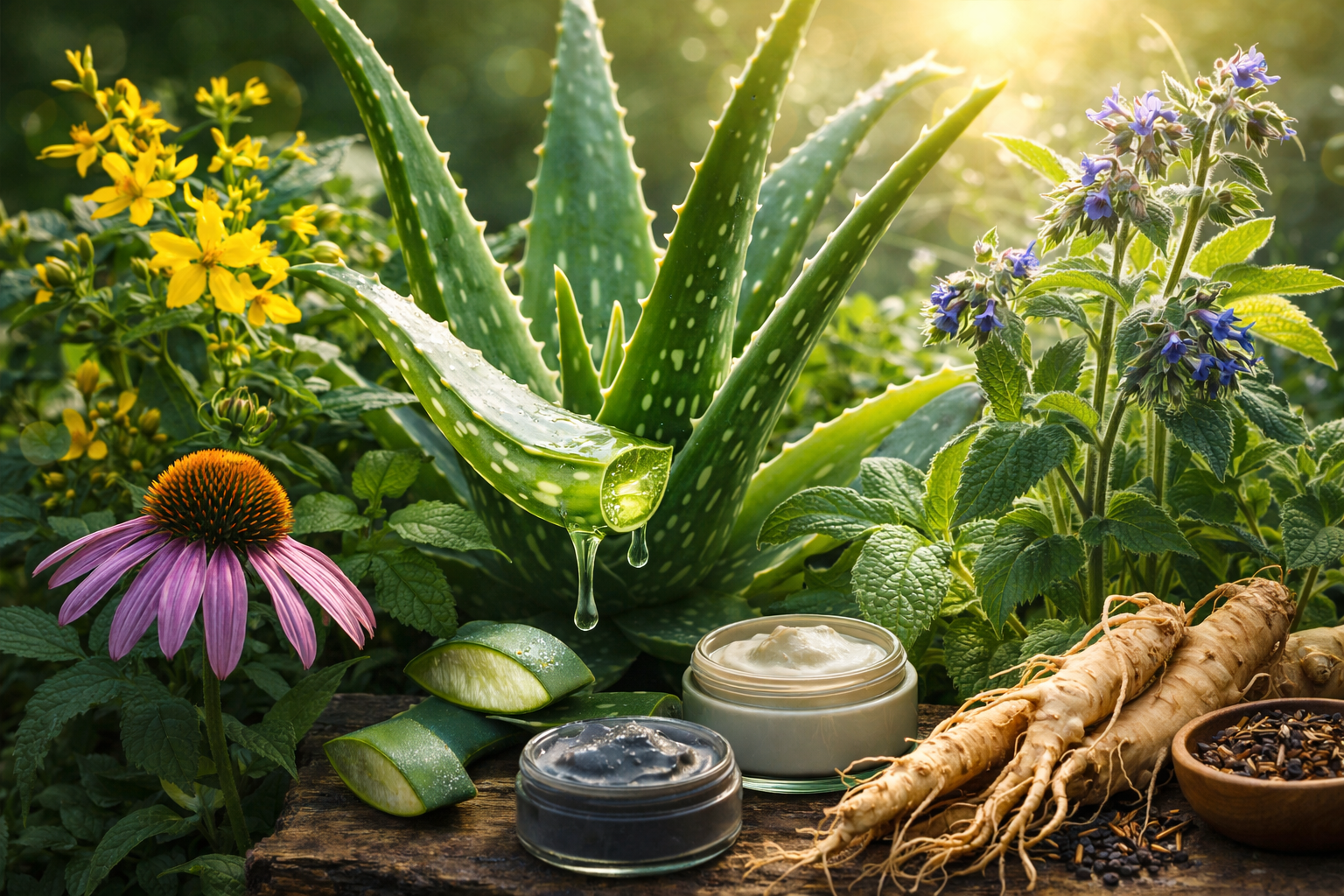
 Free Source Library — Exploring the remarkable world of medicinal plants reveals how their adaptive features underpin their therapeutic power and resilience across diverse environments. These adaptations are not merely survival mechanisms but also integral to their medicinal potency, offering valuable lessons for sustainable use and cultivation.
Understanding the Significance of Medicinal Plants
Medicinal plants have served as humanity’s primary source of healing across ancient civilizations for thousands of years. Traditional systems such as Ayurveda in India, Traditional Chinese Medicine, indigenous African medicine, and Native American practices all rely heavily on plant-based remedies. Beyond their historical importance, medicinal plants continue to be a cornerstone in modern pharmacology, providing the raw materials for a significant proportion of pharmaceutical drugs. For instance, compounds like morphine from opium poppies, quinine from cinchona bark, and aspirin originally derived from willow bark exemplify the enduring therapeutic relevance of botanical sources. Their importance extends further through their role in integrative health practices, herbal supplements, and naturopathy, highlighting a holistic approach to health that emphasizes natural and sustainable remedies. As global awareness about sustainable harvesting, conservation, and the environmental impact of pharmaceutical manufacturing rises, understanding how medicinal plants thrive—thanks to their adaptive features—becomes increasingly vital.
Core Functions and Composition of Medicinal Plants
Medicinal plants produce a vast array of bioactive compounds that confer therapeutic benefits. These substances serve various biological functions within the plant:
- Alkaloids: Nitrogen-containing compounds with potent pharmacological effects (e.g., morphine, nicotine).
- Flavonoids: Polyphenolic compounds with antioxidant and anti-inflammatory activities (e.g., quercetin, kaempferol).
- Glycosides: Molecules that often influence heart health and other physiological functions (e.g., digoxin from foxglove).
- Essential Oils: Volatile compounds used in aromatherapy and for their antimicrobial properties (e.g., lavender oil, eucalyptus oil).
- Resins and Tannins: Compounds that protect against microbial attack and herbivory, contributing to plant defense mechanisms.
These constituents are synthesized via complex biochemical pathways, often as adaptive responses to environmental stressors, which simultaneously enhance their medicinal qualities. For instance, plant stress can lead to increased production of certain flavonoids or alkaloids, boosting their therapeutic potential.
Profiles of Key Medicinal Plants and Their Uses
A detailed understanding of individual medicinal plants reveals how their unique adaptive features support their medicinal properties and resilience.
Echinacea (Echinacea purpurea)
Originating from North America, Echinacea is renowned for boosting immune function and fighting respiratory infections. Its purple coneflowers are hardy perennials that thrive in well-drained soils and can endure droughts. Their resilience is partly due to their deep root system, which allows them to access moisture during dry periods, maintaining the production of immunostimulatory compounds like cichoric acid.
Ginger (Zingiber officinale)
Ginger has been a staple in both culinary and medicinal contexts worldwide. It adapts readily to tropical and subtropical climates. Its rhizomes serve as nutrient reservoirs, enabling survival in variable soil conditions. The plant’s ability to tolerate temperature fluctuations and its vigorous growth contribute to its widespread cultivation. The compounds gingerol and shogaol, responsible for anti-nausea and anti-inflammatory effects, are produced in response to environmental stress, such as mechanical injury or pathogen attack.
Turmeric (Curcuma longa)
Native to South Asia, turmeric’s vibrant yellow rhizomes are rich in curcumin, known for anti-inflammatory and antioxidant effects. This plant thrives in humid, shaded environments, with its adaptive ability to flourish in soils with varying pH levels. Its capacity to produce high levels of curcumin—especially under stress conditions—makes it a powerful medicinal herb.
Lavender (Lavandula angustifolia)
Aromatic and hardy, lavender prefers well-drained, sandy soils and is drought-resistant. Its essential oils—rich in linalool and linalyl acetate—are produced in specialized glandular cells and can repel pests, reducing the need for chemical defenses. Its adaptation to dry, sunny habitats not only ensures survival but enhances the concentration of its medicinal oils.
Peppermint (Mentha × piperita)
As a vigorous herb, peppermint can quickly colonize well-drained soils, spreading through underground rhizomes. Its rapid growth helps it outcompete other flora, ensuring dominance. The essential oils, mainly menthol, are produced as part of its defense against herbivores and microbial invasion, granting both ecological resilience and medicinal efficacy.
Aloe Vera (Aloe barbadensis Miller)
This succulent is famous for its skin-healing properties. Its water-storing leaves are an adaptation to arid environments, allowing it to survive prolonged droughts. The gel inside the leaves contains compounds such as acemannan, which aid in tissue repair and immune modulation. Aloe Vera’s thick, waxy cuticle minimizes water loss, supporting its survival in dry climates.
Adaptive Features of Medicinal Plants: Deep Dive
Medicinal plants’ survival and potency hinge on a suite of adaptations that can be broadly classified into physiological, morphological, and ecological traits. These features not only enable plants to withstand environmental stresses but often underpin the biosynthesis of compounds with medicinal properties.
Physiological Adaptations
- Water Storage Mechanisms: As seen in succulents like Aloe Vera and cacti, water is stored within specialized tissues, enabling survival during droughts. This feature influences the concentration of bioactive compounds, often making these plants more potent.
- Secondary Metabolite Production as Defense: Plants like Lavender and Echinacea produce secondary metabolites (e.g., alkaloids, polyphenols) in response to threats, conferring chemical defenses that double as medicinal compounds for humans.
- Stress Signal Pathways: When subjected to environmental stresses—such as drought, UV exposure, or pathogen attack—plants activate signal transduction pathways. These pathways upregulate the synthesis of certain bioactive compounds that serve protective and medicinal roles.
Morphological Adaptations
- Leaf Structural Specializations: Plant leaves may have a waxy coating, sunken stomata, or pubescence to reduce transpiration and protect against excessive water loss, examples include lavender and peppermint.
- Root System Modifications: Extensive or deep roots, as found in ginger, enable access to nutrients and water in challenging soils, ensuring continued growth and compound synthesis.
- Stem and Rhizome Storage Organs: Rhizomes and tubers, such as in turmeric or ginger, act as nutrient reservoirs and protective structures, facilitating regrowth and resilience.
Ecological Adaptations
- Reproductive Strategies Ensuring Survival: Many medicinal plants produce high seed output, some with unique dispersal mechanisms (e.g., wind, animals) that ensure propagation under diverse conditions.
- Herbivory and Pest Resistance: Production of essential oils and bitter compounds, as in peppermint and lavender, deters herbivores and reduces pest attack, safeguarding growth and medicinal compound production.
- Symbiotic Relationships: Some plants form associations with mycorrhizal fungi or nitrogen-fixing bacteria, enhancing nutrient uptake, especially in nutrient-poor soils, promoting healthy growth and secondary metabolite production.
Case Study: Climate Change and Adaptive Responses
As climate patterns shift globally, medicinal plants face new stresses such as temperature extremes, altered rainfall patterns, and increased pathogen pressures. Their inherent adaptive features become ever more critical. For example, drought-resistant plants like Aloe Vera and certain species of Echinacea are likely to become more vital due to their resilience in water-scarce conditions. Conversely, species with narrow ecological niches may struggle, underscoring the importance of conservation programs that consider adaptive traits. Research indicates that environmental stress can even increase the synthesis of specific phytochemicals, possibly amplifying medicinal qualities. For instance, controlled drought stress applied during cultivation can boost alkaloid concentrations in certain plants, a technique used to optimize pharmaceutical raw materials.
Sustainable Use and Cultivation Strategies
Harnessing the medicinal potential of plants sustainably involves understanding and leveraging their adaptive features:
| Strategy | Adaptation Exploited | Benefits |
|---|---|---|
| Selective Breeding | Enhanced stress tolerance and compound yield | Higher productivity, resilience to climate variability |
| Agroforestry Systems | Ecological interactions and pest resistance | Sustainable harvesting, habitat preservation |
| Controlled Stress Cultivation | Stimulating secondary metabolite production | Optimized medicinal quality |
Practicing conservation, avoiding overharvesting of wild populations, and cultivating medicinal plants in resilient varieties aligned with their adaptive traits are essential steps toward sustainable development.
Comparing Medicinal Plants: A Practical Framework
| Plant | Adaptive Features | Therapeutic Uses | Cultivation Needs | Environmental Tolerance | |————–|————————————————|—————————————————–|———————————-|————————-| | Aloe Vera | Drought resilience, water storage | Wound healing, skin care | Well-drained soil, minimal water | Arid to semi-arid | | Echinacea | Deep roots tolerant to drought, soil adaptation| Immune booster, cold remedy | Well-drained, variable soils | Temperate, drought-prone| | Lavender | Drought-resistant, pest-repelling oils | Anxiety, antiseptic | Well-drained, sunny | Dry, sunny locations | | Ginger | Rhizome resilience, adaptable to soil types | Digestive aid, anti-inflammatory | Tropical to subtropical | Warm, humid climates | | Peppermint | Rapid growth, herbaceous vigor | Digestive issues, headaches | Fertile, moist soils | Wide environmental tolerance | This comparison demonstrates that each plant’s unique adaptations make it suitable for specific environments and uses, guiding sustainable cultivation practices.
Implications for Future Research and Conservation
Ongoing research into the adaptive mechanisms of medicinal plants provides insights into how climate change might affect medicinal plant populations. Advanced biotechnologies, like genetic engineering and tissue culture, capitalize on understanding these traits to develop resilient varieties with enhanced therapeutic compounds. Conservation efforts must prioritize habitat protection and sustainable harvesting. For example, rehabilitating degraded ecosystems where medicinal plants naturally grow ensures the continued availability of these valuable resources. By studying the adaptive features of medicinal plants, scientists can also identify novel compounds that emerge as plants respond to specific environmental stresses—an area ripe for pharmacological exploration.
Conclusion: Harnessing Nature’s Resilience for Human Benefit
Medicinal plants stand as testament to nature’s incredible capacity for adaptation. Their resilience in the face of environmental challenges, driven by physiological, morphological, and ecological traits, underpins their medicinal potency. By understanding and respecting these adaptive features, humanity can ensure the sustainable use, cultivation, and conservation of these botanical treasures. Harnessing the full potential of medicinal plants requires a comprehensive approach that marries traditional knowledge with modern science, emphasizing environmental adaptability and ecological balance. This synergy will pave the way for innovative, effective, and sustainable health solutions rooted in the resilience of nature.
References
- World Health Organization. (2020). Traditional Medicine Strategy 2014–2023.
- Farnsworth, N. R. (2004). Ethnobotanical knowledge and the search for new medicines. The Book of Life.