
The Amazon Rainforest: A Year of Devastating Loss
The Amazon Rainforest, often hailed as the “lungs of the Earth,” embodies an ecological marvel, harboring unparalleled biodiversity and serving foundational roles in climate regulation, water cycling, and indigenous cultural preservation. Despite its global importance, recent years have witnessed an alarming acceleration in deforestation, culminating in a devastating loss of approximately 7,000 square kilometers over the past year alone. This alarming trend signals a critical juncture in our collective relationship with this vital ecosystem, demanding comprehensive scientific understanding and urgent action. The consequences of this loss are far-reaching, extending beyond regional environmental degradation to impact global climate stability, ecological resilience, and socio-economic stability for Indigenous communities that have thrived within these forested landscapes for millennia. As one of the most extensive tropical rainforests, the Amazon spans approximately 5.5 million square kilometers, covering multiple nations including Brazil, Peru, Colombia, Bolivia, Venezuela, Ecuador, Guyana, Suriname, and French Guiana. Its vast expanse comprises a complex mosaic of trees, plants, animals, microbial life, and indigenous peoples, all interconnected in an intricate web of life that sustains both local and planetary health. Understanding the scope, causes, and implications of recent deforestation is essential for informing effective conservation strategies and fostering sustainable development pathways. This comprehensive examination is facilitated through the lens of resources available at the Free Source Library platform (freesourcelibrary.com), which provides invaluable insights into environmental science, policy, and sustainable practices developed by leading experts and organizations worldwide.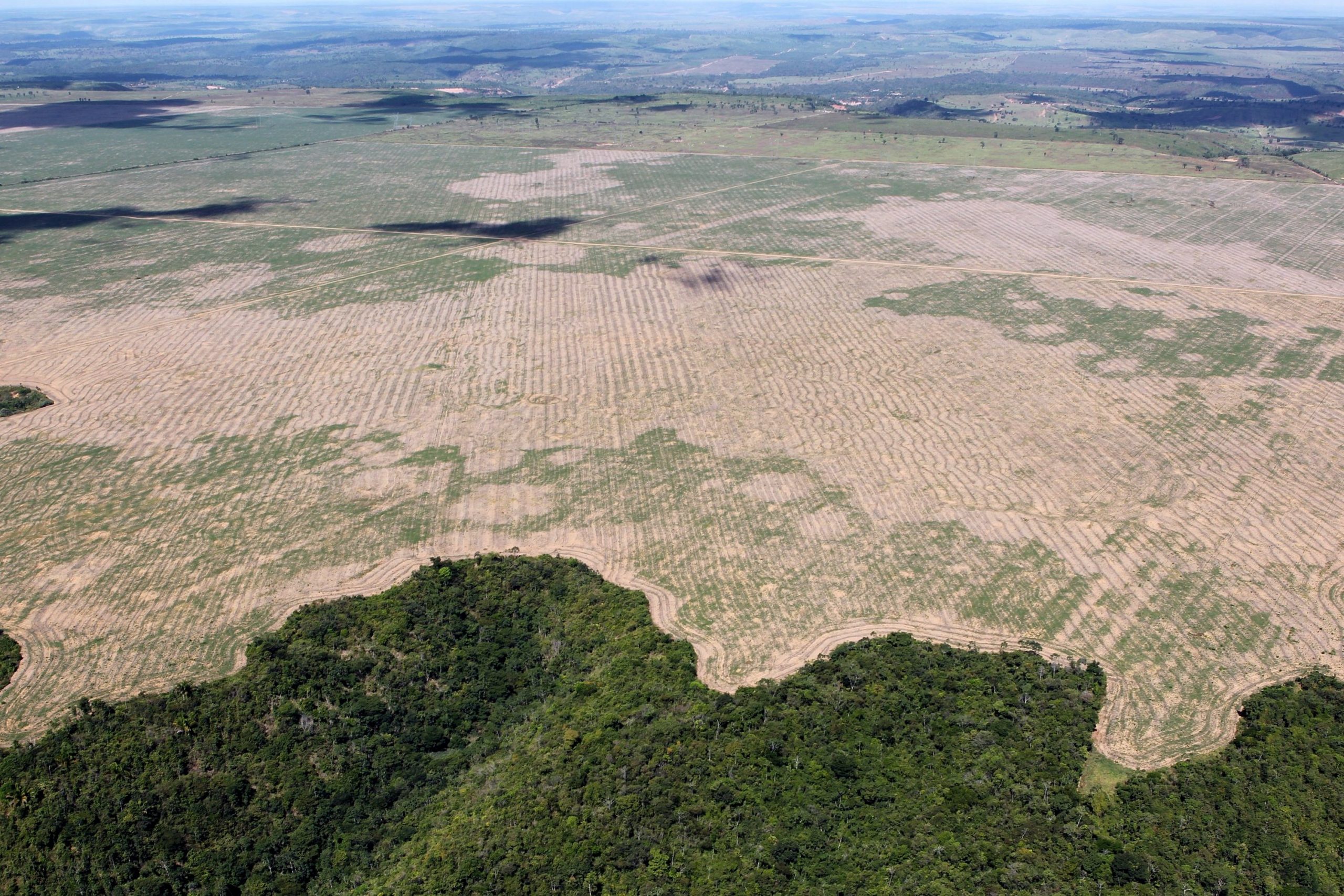
The Significance of the Amazon Rainforest
Ecological and Biodiversity Richness
The Amazon hosts an astonishing array of biological diversity, with approximately 390 billion individual trees representing about 16,000 species. This diversity is not randomly distributed but is intricately structured, with specific species adapted to unique microhabitats, creating a resilient ecosystem capable of withstanding environmental disturbances. The forest supports an estimated 2.5 million insects, over 2,200 fish species, and more than 1,300 bird species, many of which are endemic to this region. The dense canopy, emergent trees, understory, and forest floor form distinct ecological strata, each supporting specialized communities of flora and fauna. This biodiversity is vital for maintaining ecosystem services, such as pollination, seed dispersal, pest control, and nutrient cycling, which underpin agricultural productivity, water quality, and climate regulation.
Climate Regulation and Carbon Sequestration
One of the critical functions of the Amazon is its unparalleled capacity to sequester atmospheric carbon dioxide (CO2). Through photosynthesis, trees absorb CO2, converting it into biomass and thereby mitigating greenhouse gas concentrations. It is estimated that the Amazon accounts for roughly 10% of global terrestrial carbon storage. The forest’s vast canopy, rich in biomass, acts as a sizeable carbon sink, helping to offset emissions from fossil fuel consumption. However, when large portions of forest are cleared or burned, this stored carbon is released back into the atmosphere, fueling climate change. The balance of this ecosystem’s carbon dynamics is precarious, vulnerable to tipping points driven by human activity and climate variations.
Water Cycling and Climate Influence
The Amazon plays a pivotal role in regional and global hydrological cycles. Trees transpire immense quantities of water vapor, contributing to cloud formation and precipitation patterns through a phenomenon known as evapotranspiration. This moisture recycling sustains rainfall not only within the rainforest but also across neighboring agricultural regions and even broader South American subcontinents. Deforestation interferes with this process, leading to reduced rainfall, altered weather systems, and increased susceptibility to droughts. Moreover, the rainforest influences oceanic currents and atmospheric circulation patterns, affecting monsoon systems, hurricane formation, and climate stability across the Earth.
Recent Deforestation Trends and Data Analysis
Quantifying Forest Loss
Over the past year, satellite monitoring and remote sensing analysis have detected the loss of approximately 7,000 square kilometers of Amazonian forest. This figure surpasses previous annual averages, which hovered around 4,000 to 5,000 square kilometers, indicating a concerning acceleration. The use of data from organizations such as the Brazilian National Institute for Space Research (INPE) and global initiatives like Global Forest Watch enables precise geographic and temporal assessments of deforestation hotspots. The data demonstrates that deforestation is unevenly distributed, with hotspots concentrated in states such as Pará, Amazonas, Mato Grosso, and Rondônia. Contributing factors—ranging from illegal logging to land clearing—are spatially correlated with infrastructural development and economic incentives.
Temporal Dynamics and Seasonal Variability
Deforestation exhibits seasonal variability, with peaks often aligning with dry seasons when fires are more easily set or uncontrolled. Human-driven activities, especially agricultural expansion and illegal logging, tend to intensify during these periods. Furthermore, policy shifts, enforcement strength, and economic market fluctuations influence the pace of forest loss. The integration of multi-year datasets reveals that recent years have experienced consistently higher deforestation rates, driven by increased demands for commodities like soy and beef in international markets, alongside weakening enforcement of environmental regulations.
Driving Forces Behind the Deforestation Surge
Agricultural Expansion and Commodity Production
Accelerated agricultural development is the dominant driver of deforestation. Expanding cattle ranching accounts for nearly 80% of forest clearing, often driven by dietary shifts in global markets toward beef and dairy products. Soybean cultivation, largely exported for animal feed and processed foods, is another significant contributor. Large agribusiness corporations and smallholder farmers alike clear forested land to establish pastures and croplands, disregarding environmental regulations and indigenous land rights. The incentives are further reinforced by governmental policies and subsidies that favor commodity production over conservation.
Illegal Logging and Unsustainable Forest Exploitation
Illegal logging remains a pervasive challenge, with estimates suggesting that up to 80% of timber extraction in some regions is unauthorized. These practices not only cause direct forest loss but also open up remote areas to further exploitation, facilitating land grabbing and settlement. Unsustainable logging depletes valuable tree species, disrupts ecological balance, and often results in collateral damages such as soil erosion and water pollution. The timber trade is driven by both domestic demand and international markets, complicating enforcement efforts.
Infrastructure Development and Land Conversion
The construction of highways, such as the controversial BR-319 and the Trans-Amazonian Highway, significantly accelerates deforestation by providing access to previously inaccessible forest areas. Infrastructure project approvals frequently circumvent environmental assessments, facilitating illegal land grabs and conversion to pasture or plantations. Deforestation is also intensified by urban expansion and hydroelectric dam projects, which fragment ecosystems and displace indigenous communities.
Mining and Extractive Industries
Mining operations for gold, bauxite, rare earth elements, and other minerals have proliferated in recent years. Mining activities disturb large forest patches, introduce toxic pollutants such as mercury and cyanide, and access roads further facilitate illegal logging and settlement. The environmental footprint of mining extends into water systems, altering hydrology, causing sedimentation, and polluting rivers that are lifelines for local ecosystems and communities.
Fires: Natural and Human-Induced
Fires—both natural and anthropogenic—have become more frequent and intense. While wildfire cycles are a natural part of many ecosystems, human activities such as land clearing, slash-and-burn agriculture, and accidents have dramatically increased fire incidence. These fires often escape control, destroying vast areas of forest and releasing stored carbon into the atmosphere. Climate change-induced droughts exacerbate fire risks, creating feedback loops that further degrade forest health.
Environmental and Global Implications of Forest Loss
Biodiversity Loss and Ecosystem Collapse
The destruction of vast forest tracts jeopardizes the survival of countless species, some yet undiscovered, and pushes many toward extinction. Habitat fragmentation isolates populations, reducing genetic diversity and resilience. Ecosystem services provided by the forest—such as pollination, seed dispersal, nutrient recycling, and pest control—are compromised, threatening ecological stability and local livelihoods. The loss of keystone species can trigger cascading effects, leading to ecosystem collapse.
Acceleration of Climate Change
Deforestation releases significant quantities of CO2, contributing directly to global warming. The Intergovernmental Panel on Climate Change (IPCC) warns that deforestation accounts for approximately 10-15% of global greenhouse gas emissions. The reduction in forest cover also weakens the rainforest’s capacity to act as a carbon sink, diminishing its ability to counteract climate change. The resulting feedback loop—more forest loss leading to more greenhouse gases—poses grave risks to climate stability worldwide.
Disruption of the Water Cycle
Reduced transpiration from deforested areas leads to diminished atmospheric moisture, causing declining rainfall levels. This phenomenon, termed “rain shadow,” can turn previously lush regions into arid zones, impacting agriculture, freshwater availability, and biodiversity. The shift in rainfall patterns also influences weather systems, increasing the frequency and severity of droughts and floods. Such hydrological disruptions threaten food security and human health, especially in vulnerable communities dependent on rain-fed agriculture.
Impacts on Indigenous and Local Communities
Indigenous peoples have inhabited the Amazon for thousands of years, maintaining sustainable land-use practices that coexist harmoniously with nature. Deforestation destroys their homes, sacred sites, and traditional knowledge systems, further marginalizing these communities. Displacement, loss of livelihoods, and cultural erosion are direct consequences, often compounded by violence and legal struggles to defend ancestral lands. Their displacement undermines centuries of indigenous stewardship and jeopardizes conservation efforts based on traditional ecological knowledge.
Strategies and Initiatives to Mitigate Deforestation
Protected Areas and Conservation Reserves
Designating critical habitats as protected areas is fundamental for halting forest loss. National parks, indigenous reserves, and community-managed forests serve as sanctuaries, restricting deforestation and resource exploitation. Zakaria et al. (2021) emphasize that effective enforcement, community involvement, and adaptive management are essential for the success of these protected zones. Innovative governance models, such as co-management with indigenous peoples, have proven effective in safeguarding biodiversity and sustaining local livelihoods.
Sustainable Land Use and Agricultural Practices
Promoting sustainable agriculture involves implementing integrated land-use planning, agroforestry systems, and low-impact farming techniques. Certification programs like Rainforest Alliance and Fair Trade incentivize producers to adopt environmentally friendly practices, reduce reliance on slash-and-burn methods, and preserve native vegetation. Agroforestry, combining trees with crops, enhances biodiversity, soil health, and income stability while reducing pressure to clear additional forest areas.
Reforestation and Ecosystem Restoration
Large-scale reforestation initiatives aim to restore degraded landscapes through native species planting, assisted natural regeneration, and landscape connectivity. These projects enhance carbon sequestration, promote habitat restoration, and improve ecological resilience. Reforestation efforts are supported by remote sensing technologies and GIS-based planning tools to optimize tree planting strategies and monitor progress over time.
Legislative and Policy Frameworks
Strengthening environmental legislation, enforcing logging bans, and regulating land conversion are crucial measures. Clarifying land tenure rights, especially for indigenous and local communities, reduces illegal land grabbing. International frameworks such as the Paris Agreement encourage nations to implement policies that align economic development with environmental sustainability.
International Cooperation and Funding
Global initiatives, including REDD+ (Reducing Emissions from Deforestation and Forest Degradation), provide financial incentives to developing countries for forest conservation. Cross-border collaboration enhances surveillance, data sharing, and enforcement. The engagement of multinational corporations in sustainable sourcing, along with consumer pressure, can influence commodity supply chains to prioritize deforestation-free products.
Future Outlook: Navigating the Path Toward Sustainability
The future trajectory of the Amazon rainforest hinges on the collective actions of governments, civil society, the private sector, and indigenous peoples. Scientific modeling suggests that continued deforestation could push the Amazon beyond a tipping point, transforming it into a savanna-like ecosystem incapable of supporting its current biodiversity and climate functions. Such a transition would accelerate global climate change, exacerbate natural disasters, and impoverish human societies dependent on its resources.
Emerging Technologies and Innovations
Technological advances such as artificial intelligence, drone surveillance, and blockchain for supply chain transparency bolster conservation efforts. Remote sensing data can detect illegal activities in near real-time, enabling rapid response. Additionally, climate-smart agricultural technologies can increase productivity without expanding forest areas.
Community-Led Conservation and Indigenous Stewardship
Empowering indigenous communities through secure land tenure, capacity building, and participatory management has proven effective in conserving forests and promoting sustainable livelihoods. Traditional ecological knowledge can inform modern management practices, fostering resilience amidst environmental changes.
Economic Incentives and Market-Based Approaches
Developing and scaling sustainable economic models, such as eco-tourism, carbon trading, and payments for ecosystem services, offers pathways to align economic development with conservation goals. Transitioning to a circular economy that minimizes resource extraction and waste further supports sustainable use of Amazonian resources.
Concluding Reflections
The loss of 7,000 square kilometers of the Amazon rainforest over a single year underscores the urgency of adopting a paradigm shift in how humanity interacts with this irreplaceable ecosystem. It highlights the importance of integrating scientific research, policy reform, indigenous rights, and technological innovation to forge pathways toward sustainability. As biodiversity hotspots and climate regulators, the Amazon’s health is integral to the resilience of life on Earth. Protecting and restoring this vital landscape requires the unwavering commitment of all sectors of society, driven by a recognition that the future of humanity is intricately linked with the fate of the Amazon rainforest. Only through sustained, multidimensional efforts can we hope to stem the tide of deforestation, preserve countless species, and stabilize our climate for generations to come.
For further insights and detailed reports, consider exploring resources at freesourcelibrary.com, where leading organizations and experts contribute comprehensive analyses on environmental challenges and sustainable development strategies.