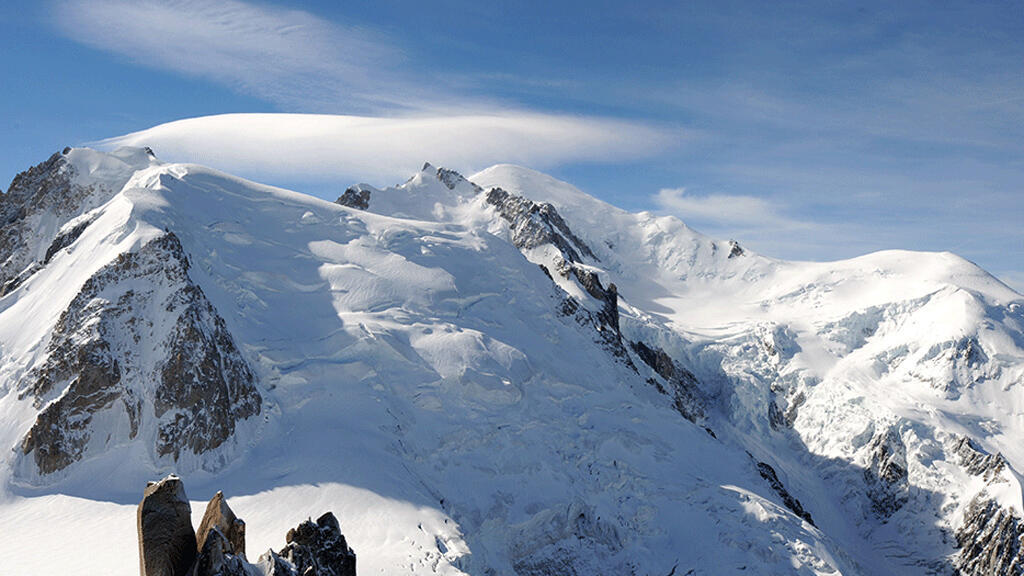
 Free Source Library — Exploring Antarctica’s towering peaks reveals not only the continent’s breathtaking beauty but also its scientific and exploratory significance.

The Majestic Heights of Antarctica: An In-Depth Exploration of the Top 10 Highest Mountains
Antarctica, often regarded as the last unspoiled wilderness on Earth, is a continent defined by its formidable icy landscapes, extreme weather conditions, and awe-inspiring mountain ranges. While the continent’s peaks may not reach the soaring heights of the Himalayas or the Andes, they command respect for their remote locations, challenging terrains, and the critical scientific insights they provide. Beneath the ice sheets and glacier-covered summits are stories of geological processes, climate change indicators, and ancient ecosystems.
This comprehensive exploration will delve into each of the top ten highest mountains in Antarctica, examining their geological formations, climbing histories, environmental significance, and how they fit into the broader story of Antarctic exploration. We will uncover the specific challenges faced by explorers and scientists who have ventured into these remote regions, emphasizing the importance of these peaks beyond mere elevation figures.
Antarctica’s Mountain Landscape: An Overview
Geological Formation and Tectonic Setting
The continent’s mountains are primarily a product of tectonic activity, glaciation, and volcanic processes. The Transantarctic Mountains, stretching over 3,500 kilometers, divide East Antarctica from West Antarctica. These ranges are primarily composed of old, metamorphic rocks with some volcanic activity contributing to their geology. The Ellsworth Mountains, where the tallest peaks are found, are the highest mountain range entirely within Antarctica, situated in West Antarctica.
The elevation of Antarctica’s peaks varies, from modest nunataks (exposed mountain peaks protruding from ice sheets) to some of the highest summits on the continent. Most of these mountains are characterized by rugged, icy slopes, often cloaked in glaciers, making ascent and exploration technically challenging. Glacial erosion, sharp ridges, crevasses, and brittle ice formations create a landscape difficult to traverse, even for experienced mountaineers and researchers.
Climate and Environmental Conditions
Antarctic mountains are subject to some of the harshest climatic conditions on Earth. Temperatures rarely rise above freezing, and wind speeds frequently exceed hurricane-force levels. The combination of extreme cold, high winds, and frequent whiteouts makes climbing treacherous, and survival in these conditions demands meticulous preparation.
Despite these challenges, these mountains play a vital role in Earth’s climate system. They influence local weather patterns, serve as sites for glaciological studies, and contain ice cores that offer invaluable climate records spanning hundreds of thousands of years. Additionally, some peaks are home to unique ecosystems adapted to extreme conditions, with microbial life surviving in isolated niches, offering insights into extraterrestrial life possibilities.
Top 10 Highest Mountains in Antarctica: Detailed Profiles
1. Vinson Massif — The Pinnacle of Antarctica
Geological and Geographical Features
Standing at an impressive 4,892 meters (16,050 feet), Vinson Massif is the highest peak in Antarctica, located within the Ellsworth Mountains’ Sentinel Range. Named after Carl G. Vinson, a U.S. Congressman instrumental in supporting Antarctic exploration, this massif is a sprawling mountain complex composed of multiple summits, ridges, and glaciers.
The massif is mainly composed of Precambrian and Paleozoic crystalline rocks, heavily shaped by glacial erosion. Its topography features steep ascents, glacial tongues, and icy slopes, making it a prime example of high-altitude glaciated terrain.
Historical Significance and Climbing Milestones
The first successful ascent was achieved in 1966 by a team led by Nicholas Clinch, marking a pivotal moment in Antarctic mountaineering history. Since then, Vinson’s summit has become a popular target for climbers completing the “Seven Summits.” Climbing Vinson involves crossing snowfields, glacier travel, and technical ice sections, often under extreme cold and unpredictable weather.
Scientific and Research Importance
Vinson Massif’s remote location makes it a less disturbed wilderness, ideal for climatological and geological studies. Ice cores from the massif contribute to understanding ancient climate patterns, and its relatively accessible summit provides a manageable yet challenging objective for scientific expeditions.
2. Mount Tyree — The Second Tallest
Features and Significance
Rising approximately 4,852 meters (15,919 feet), Mount Tyree is the second-highest peak in Antarctica, situated in the Sentinel Range, close to Vinson Massif. Named after Sir James W. Tyree, an influential American engineer and Antarctic researcher, this peak shares many geological features with Vinson and presents extreme ascents for mountaineers.
Climbing History and Challenges
Ascended for the first time in 1967 by a team led by Nicholas Clinch, Mount Tyree remains one of the most technically demanding Antarctic climbs. Its steep ice slopes, crevassed ridges, and exposed ridgelines pose risks of avalanches, crevasse falls, and severe cold. Climbers need ropes, ice axes, and specialized cold-weather gear to navigate the conditions safely.
Environmental and Scientific Importance
Mount Tyree’s geological composition provides insights into Antarctic tectonic history and glaciation patterns. Its remote location from human activity also makes it a vital site for studying pristine high-altitude ice formations and their roles in climate records.
3. Mount Shinn — The Third-Highest
Details and Landscape
Reaching 4,661 meters (15,292 feet), Mount Shinn is part of the expansive Ellsworth Mountains’ Sentinel Range. Named after Laurence McKinley Gould, an American geologist and Antarctic explorer, this peak features sharp, icy summits and is often surrounded by glaciers flowing into the larger Filchner-Ronne Ice Shelf.
Climbing and Exploration
In 1994, Todd Passey’s expedition achieved the first ascent of Mount Shinn. Its steep, icy ascent routes demand technical skills, ice climbing proficiency, and careful route planning due to frequent crevasses and unpredictable weather. The mountain’s high elevation and isolation mean expeditions require meticulous logistics.
Research and Scientific Significance
Mount Shinn’s geological composition contains metamorphic rocks that help reconstruct the continent’s geological history. As a remote, high-altitude environment, it offers an ideal site for studying the effects of climate change on glacial retreat and ice dynamics.
4. Mount Kirkpatrick — The Ancient Sentinel
Features and Geology
Reaching approximately 4,528 meters (14,856 feet), Mount Kirkpatrick is nestled within the Queen Alexandra Range of the Transantarctic Mountains. Named after geologist Robert Kirkpatrick, the mountain is famous for its geological archives, including fossil-bearing rocks that provide insights into ancient Antarctic ecosystems and climatic conditions.
Exploration Milestones and Scientific Contributions
Despite its remote position and rugged terrain, Mount Kirkpatrick was first explored in the early 20th century and has since been a focus of scientific drilling and fossil discoveries. Its ice and rock record help unravel the history of Antarctic glaciation and its role during global climate shifts.
5. Mount Craddock — The Rugged Peak
Physical and Geological Description
Standing about 4,351 meters (14,271 feet), Mount Craddock forms part of the Sentinel Range. Named in honor of geologist Harold D. Craddock, it features steep ridges, icy slopes, and rugged terrain that challenge climbers for technical ascent.
Climbing History
First ascended in 1961 by Charles Swithinbank and team members, Mount Craddock symbolizes Antarctic exploration’s early days, combining scientific interest with adventurism. Its routes are predominantly technical, with ice axes and crampons essential for climb success.
6. Mount Jackson — The Ice-Covered Challenge
Attributes and Significance
At about 4,356 meters (14,291 feet), Mount Jackson continues the trend of imposing peaks in the Sentinel Range. Named after Charles T. Jackson, an American geologist, the mountain’s steep slopes and icy conditions demand high technical skill from climbers.
Historical Climbs and Scientific Value
Ascended in 1966, Mount Jackson demonstrates the ongoing legacy of exploration efforts. Its ice and rock samples contribute to broader studies of tectonics, glaciology, and climatic history, complementing data from nearby peaks.
7. Mount Hope — The Geographic Landmark
Overview
Located in the Britannia Range, Mount Hope rises to about 3,239 meters (10,627 feet). Named after the RMS Hope, it situates itself as a prominent geological feature in East Antarctica, offering panoramic views of the surrounding ice sheets.
Climbing and Research
Though less tall than its neighbors, Mount Hope attracts scientific teams interested in ice core drilling and climate studies. Its relatively accessible routes enable extended scientific expeditions and ecological surveys.
8. Mount Terror — The Remote Sentinel
Significance and Geography
Sited within the Ross Dependency, Mount Terror reaches approximately 3,230 meters (10,597 feet). Named after the HMS Terror, its isolated presence underscores the continent’s exploratory history. Its rugged terrain and dynamic weather conditions challenge climbers and researchers alike.
Climbing and Scientific Research
First ascended in the late 20th century, Mount Terror provides access to environmentally pristine ice and rock formations. Its location allows scientists to study atmospheric interactions and glaciological changes near the coast.
9. Mount Murphy — The Inland Watchtower
Features and Geology
Mount Murphy, approximately 3,195 meters (10,482 feet), is part of the Executive Committee Range. Named after geologist Robert Murphy, this mountain is characterized by its icy slopes and rugged terrain, offering a challenging yet rewarding climb for adventurous explorers.
Climbing Challenges and Scientific Significance
Although lesser-known internationally, Mount Murphy is vital for understanding the geological history of the region. Its ice formations provide data on past climate fluctuations, contributing to models predicting future changes.
10. Mount Kirkwood — The Final Sentinel
Features and Significance
Rising at around 3,122 meters (10,243 feet), Mount Kirkwood is situated within the Queen Alexandra Range. Its rugged, icy slopes pose significant challenges for climbers and contribute to the continent’s complex geological tapestry.
Exploration and Scientific Contributions
First ascended in the mid-20th century, Mount Kirkwood remains a key site for geological research, particularly in understanding the tectonic evolution of the Transantarctic Mountains and their connection to global plate movements.
The Challenges and Rewards of Conquering Antarctica’s Peaks
Technical and Environmental Difficulties
- Extreme Cold: Temperatures often plummet below -40°C, with wind chill factors exacerbating exposure risks.
- Unpredictable Weather: Whiteouts, blizzards, and storm surges limit visibility and threaten safety.
- Remote Location: Limited rescue options and logistical complexities increase danger and cost.
- Glacial and Icy Terrain: Crevasses, icefalls, and brittle snow require technical climbing skills and safety protocols.
Scientific and Exploratory Incentives
Despite these formidable obstacles, the scientific payoff is immense. High-altitude ice cores reveal climate fluctuations over millennia, and geological sampling offers clues to Earth’s tectonic history. For climbers, summiting these peaks represents an ultimate frontier and a testament to human resilience.
Comparative Analysis of Antarctica’s Highest Peaks
| Mountain | Elevation (meters) | Location | First Ascent | Difficulty Level | Main Scientific Focus |
|---|---|---|---|---|---|
| Vinson Massif | 4,892 | Ellsworth Mountains | 1966 | Moderate to Difficult | Climatology, Glaciology |
| Mount Tyree | 4,852 | Ellsworth Mountains | 1967 | Difficult | Tectonics, Ice Dynamics |
| Mount Shinn | 4,661 | Ellsworth Mountains | 1994 | Very Difficult | Geology, Climate Change |
| Mount Kirkpatrick | 4,528 | Transantarctic Mountains | Early 20th Century | Difficult | Paleontology, Tectonics |
| Mount Craddock | 4,351 | Ellsworth Mountains | 1961 | Difficult | Glaciology, Geological History |
Future Perspectives and the Role of These Mountains
As climate change accelerates, Antarctic mountains become critical barometers of environmental shifts. Melting glaciers, retreating ice, and shifting ecosystems observed in these regions contribute essential data to global climate models. Furthermore, technological advances in climbing gear, remote sensing, and scientific instrumentation expand our capacity to study these peaks safely and effectively.
Continued exploration and preservation of Antarctica’s mountain environments are vital. While mountaineers seek the thrill of summiting remote peaks, scientists aim to decode Earth’s climate history and predict future changes—making these peaks the ultimate convergence of adventure and discovery.
References
- National Science Foundation. “Antarctic Mountain Ranges and Scientific Goals.” NSF.gov
- American Alpine Journal. “Mountaineering in Antarctica.” AAJ.org