Introduction: The Significance of Teaching Arabic in a Globalized Context
The Arabic language stands as a cornerstone of cultural identity, historical depth, and philosophical richness within the Arab world and beyond. Its unique script, phonetic complexity, and profound cultural connotations have made it a subject of deep scholarly interest and practical necessity. As globalization accelerates, the demand for learning Arabic among non-native speakers exponentially increases, driven by diplomatic, economic, religious, and cultural motivations. The role of educators and institutions dedicated to teaching Arabic is pivotal in bridging cultural divides, fostering intercultural understanding, and enabling learners to engage meaningfully with Arab communities and their multifaceted heritage.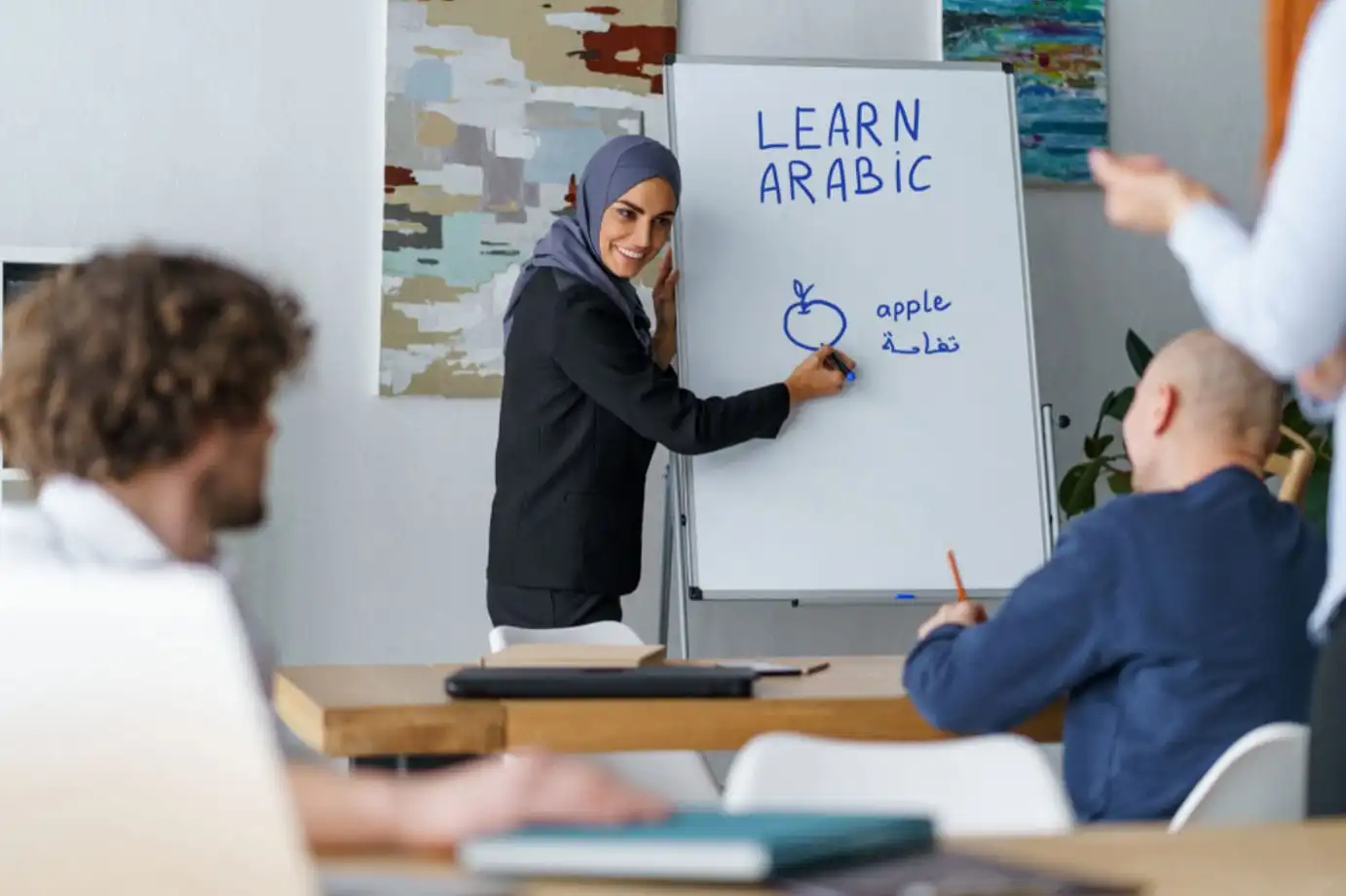

The task of imparting Arabic to learners unfamiliar with its linguistic fabric requires a nuanced understanding that extends far beyond basic vocabulary and grammar. It entails a pedagogical approach rooted in cultural sensitivity, technological integration, and tailored instructional strategies that respect individual learner profiles. Recognizing the multifaceted challenge, this comprehensive guide on freesourcelibrary.com aims to dissect the core components and pedagogical principles essential for effective Arabic language instruction.
The Foundation: Understanding Learner Profiles and Motivations
Assessing Background and Learning Goals
Every successful language teaching journey begins with an in-depth assessment of the learner’s background. This involves evaluating their prior exposure to language learning, cultural experience, motivation, and the specific reasons driving their interest in Arabic—be it for professional development, academic pursuit, religious study, or personal enrichment. This initial step not only informs curriculum design but also fosters a sense of personalization, which boosts engagement and perseverance.
For instance, a student aiming to read classical poetry will require a curriculum emphasizing literary vocabulary and historical context, while a business professional might prioritize conversational skills and economic terminology. Gathering this information through questionnaires, interviews, or informal conversations allows the instructor to craft a customized learning pathway, ensuring relevance and motivation.
Stage One: Introducing the Arabic Script—An Artistic and Logical Endeavor
The Aesthetic and Functional Aspects of Arabic Calligraphy
Arabic script presents a visually rich and artistically revered facet of the language. Its flowing, cursive forms have historically encompassed sacred, literary, and decorative motifs, elevating the act of learning to an appreciation of art. When transitioning students into the world of Arabic, instructors must present the script not merely as a collection of characters but as a form of visual poetry, linking form to function in a step-by-step manner.
Methodologies for Script Introduction
- Systematic Phases: Begin with isolated letter recognition, progressing to letter forms in different positions (initial, medial, final, and isolated).
- Visual and Kinesthetic Exercises: Use tracing, copying, and writing drills emphasizing the shape and flow of letters, fostering muscle memory.
- Contextual Learning: Teach alphabetic forms within words early on to build contextual understanding, preventing rote memorization from becoming dull.
Transforming Complexity into Simplicity
While the Arabic script’s complexity can intimidate newcomers, breaking it into manageable learning modules effectively diminishes resistance. Supplementing lessons with engaging calligraphy videos, interactive apps, and digital flashcards creates multisensory pathways for retention. Over time, learners develop confidence, transforming initial apprehension into appreciation of the script’s elegant logic.
The Phonetic Symphony: Embracing Arabic Sounds
The Unique Phonemes of Arabic
Arabic phonology comprises sounds that are alien to many learners, especially those from non-Semitic language backgrounds. Noteworthy among these are emphatic consonants (ص, ط, ظ, ق) and guttural sounds (ع, ح). Each phoneme contributes a distinctive tone and rhythm, which must be cultivated through targeted listening and pronunciation exercises.
Multi-sensory Listening and Speaking Strategies
- Audio Immersion: Utilizing recordings, native speaker dialogues, and authentic speech samples to develop auditory discrimination skills.
- Phonetic Drills: Repetitive practice with minimal pairs to identify subtle phonetic differences, aiding accurate pronunciation.
- Interactive Speaking Sessions: Role-plays, dialogues, and shadowing exercises to develop fluidity and confidence in spoken Arabic.
Pronunciation Challenges and Solutions
Common hurdles include mastering the emphatic and guttural sounds, which require precise articulation. Incorporating visual aids depicting tongue and throat positions (via videos or diagrams), combined with real-time feedback from instructors, helps learners internalize correct pronunciation. Overemphasizing rhythm and intonation patterns enables students to grasp the melodic essence inherent in spoken Arabic.
Building Vocabulary: Words as Windows into Culture
The Scope and Depth of Arabic Lexicon
Arabic boasts an extensive lexicon—an etymological treasure trove woven through centuries of literary, religious, and societal development. The vocabulary reflects cultural priorities, social hierarchies, and historical narratives embedded within idioms, proverbs, and colloquialisms.
Vocabulary Acquisition Strategies
- Thematic Lexicon Building: Organize vocabulary around themes—family, food, travel, professions, emotions—facilitating contextualized learning and retention.
- Authentic Material Integration: Use newspapers, literature extracts, dialogues, and media clips to present real-life language usage and idiomatic expressions.
- Semantic Networks and Mind Maps: Visual tools that interlink related words, expanding semantic understanding and recall.
Cultural Significance of Vocabulary
A word embodies a wealth of cultural information—e.g., the word habibi (my beloved) conveys not only affection but also cultural nuances of interpersonal relationships. Recognizing these meanings enhances intercultural competence, allowing learners to communicate with authenticity and sensitivity.
Syntax and Grammar: Building the Structural Framework
Foundations of Arabic Morphology and Syntax
Arabic’s complex grammatical system rests on root-based morphology and a flexible syntactic architecture. Mastery of verb conjugations, noun declensions, and sentence structures transforms memorized vocabulary into meaningful expressions.
Instructional Techniques for Grammatical Fluency
- Pattern Drills: Focused exercises on verb forms and noun cases to internalize grammatical patterns.
- Sentence Construction Practice: Guided activities assembling simple to complex sentences, gradually increasing linguistic complexity.
- Error Analysis and Feedback: Constructive correction that highlights typical pitfalls and clarifies rules.
The Art of Creative Grammar Application
Encouraging students to create their own sentences and stories, leveraging vocabulary and grammatical structures, fosters an active grasp of syntax. Over time, learners develop intuitive understanding, making correct usage second nature.
Cultural Integration: Enriching Language with Artistic and Societal Contexts
From Literary Masterpieces to Popular Music
Incorporating authentic literary texts, poetry, and music into lessons transforms language learning into an artistic voyage. Classic works of poets such as Al-Mutanabbi and modern Arabic music reflect societal values, historical moments, and spiritual themes, deepening comprehension and appreciation.
Preserving and Celebrating Cultural Heritage
- Literature and Poetry Analysis: Studying classical and contemporary texts acquaints learners with stylistic nuances and cultural references.
- Art and Calligraphy: Exploring traditional motifs and techniques fosters aesthetic appreciation and cultural pride.
- Culinary Traditions: Discussing food, recipes, and customs offers practical vocabulary and cultural insight.
Language as a Cultural Bridge
Understanding idiomatic expressions and proverbs rooted in cultural contexts enhances the learner’s ability to interpret and respond appropriately in real conversations, embodying cultural intelligence alongside linguistic proficiency.
Leveraging Technology for Enhanced Learning Experiences
Digital Tools and Resources
Contemporary technology introduces versatile platforms for Arabic instruction—interactive apps, virtual classrooms, AI-powered chatbots, and linguistic analysis tools. Such resources cater to diverse learning styles, provide instant feedback, and foster autonomous study.
Artificial Intelligence and Adaptive Learning
AI-driven systems analyze learner progress, identify weaknesses, and adapt content delivery accordingly. These innovations personalize the learning journey, increasing effectiveness and engagement.
Online Communities and Cultural Exchange Platforms
Virtual language clubs, discussion forums, and native speaker exchanges create immersive environments for authentic practice. Facilitators act as catalysts, fostering cross-cultural dialogues and refining pronunciation and comprehension.
Community Engagement and Cross-Cultural Experiences
Creating Authentic Contexts for Use
Real-world interaction remains the most effective way to cement language skills. Organizing cultural events, language cafes, and contact with native speakers enables spontaneous conversation and contextual learning.
Building a Supportive Learning Ecosystem
- Peer Collaboration: Group projects, study partners, and cultural presentations promote peer learning and motivation.
- Mentorship Programs: Pairing students with native speakers or advanced learners boosts confidence and practical skills.
- Cross-Cultural Understanding: Discussions on cultural taboos, etiquette, and worldview foster empathy and nuanced communication.
Assessment and Validation of Proficiency
Moving Beyond Rote Memorization
Holistic assessment methods aim to gauge a learner’s overall communicative ability, cultural understanding, and practical proficiency rather than mere recall. Projects, presentations, and simulated real-life tasks provide authentic evaluation opportunities.
Diverse Evaluation Instruments
- Performance Tasks: Oral presentations, dialogues, and role-plays simulate authentic interaction.
- Cultural Portfolios: Compilations of essays, artwork, and reflective journals demonstrate understanding beyond language mechanics.
- Adaptive Testing: Computer-based assessments respond to individual progress, providing nuanced insights into proficiency levels.
Ultimately, assessments should inspire learners to continue their journey with confidence and a sense of achievement, reinforcing a lifelong connection with Arabic language and culture.
Conclusion: The Holistic Vision for Teaching Arabic
Teaching Arabic to non-native speakers embodies a seamless fusion of linguistic rigor, cultural richness, and technological innovation. The educator’s multifaceted roles—ranging from script nurturer and phonetic guide to cultural ambassador and digital facilitator—culminate in creating a vibrant, immersive, and personalized learning ecosystem. Each stage of instruction, from initial script introduction to advanced cultural integration, shapes a learner’s journey into a profound engagement with the language’s depths and its living cultural expressions.
This comprehensive approach emphasizes the importance of flexibility, authenticity, and cultural sensitivity, ultimately fostering learners’ ability to communicate confidently, appreciate cultural nuances, and connect meaningfully across diverse contexts. As the world becomes increasingly interconnected, the ability to master Arabic extends beyond linguistic competence; it becomes a bridge fostering mutual understanding, respect, and shared narratives.
References and Further Reading
1. Holes, C. (2004). Arabic Historical Readings: Interpreting the past in the contemporary Arab world. Edinburgh University Press. 2. Johnson, N. (2012). Teaching Arabic as a Foreign Language. Routledge.