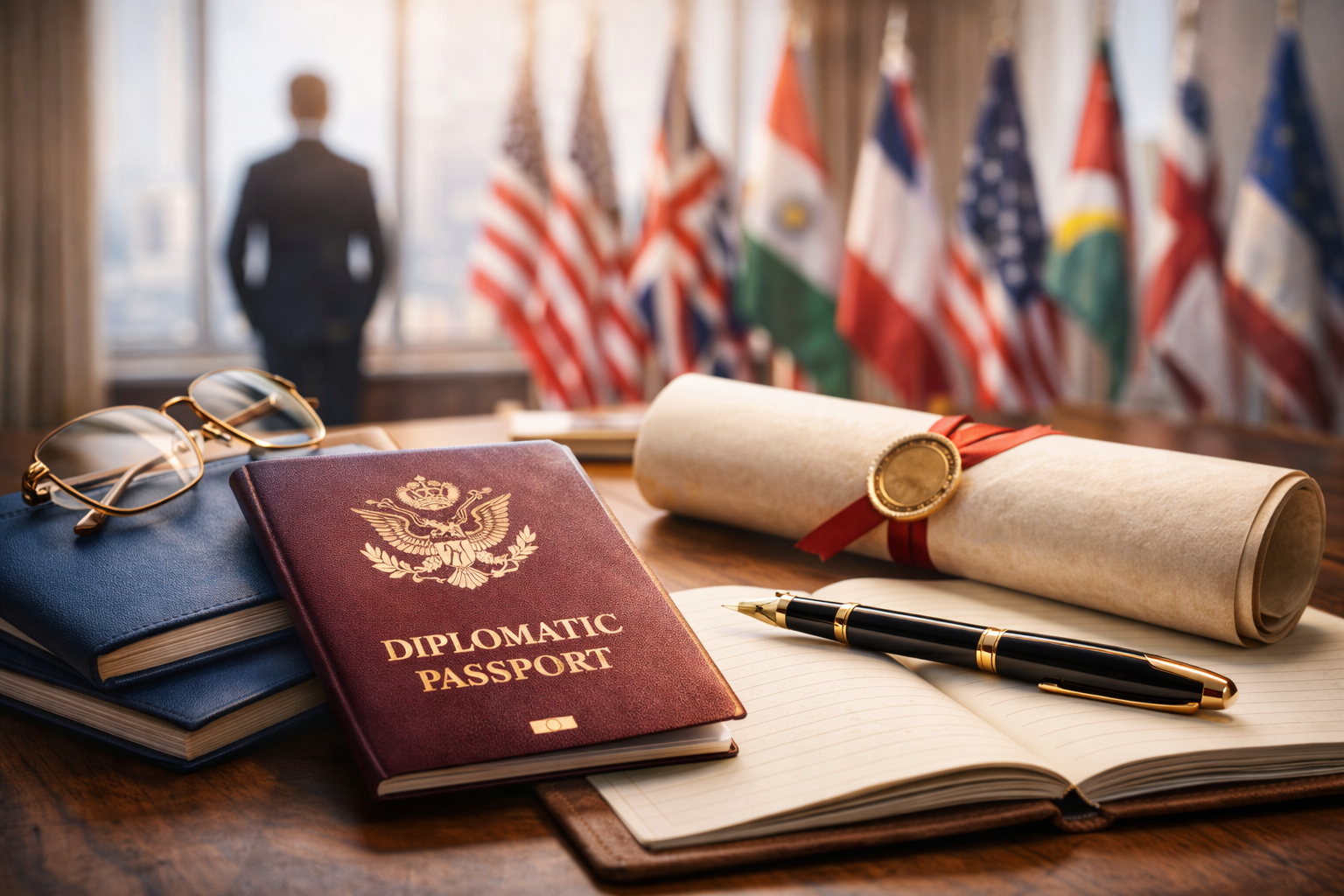
 Free Source Library — Embarking on a diplomatic career is a multifaceted journey that demands dedication, strategic planning, and a deep understanding of international affairs. Becoming a diplomat involves much more than just securing a position; it requires developing a wide array of skills, gaining substantive experience, and cultivating personal qualities that enable effective representation on the global stage. In this comprehensive guide, we will explore every aspect of the process, from educational pathways and language acquisition to career progression and the nuanced skills that distinguish successful diplomats. Whether you are at the beginning of your professional journey or contemplating a career switch, this in-depth exploration offers detailed insights to help you navigate the complex, rewarding world of diplomacy.

Foundations of a Diplomatic Career: Education and Specialized Training
Educational Pathways and Degree Choices
To begin a career in diplomacy, one must typically lay a solid academic foundation. Most aspiring diplomats pursue a bachelor’s degree in fields such as International Relations, Political Science, Economics, Law, or Public Administration. These disciplines provide a core understanding of governmental systems, international frameworks, geopolitical concepts, and policy analysis that underpin diplomatic work. Some institutions offer specialized programs explicitly in Diplomacy or International Affairs, often combining coursework with practical simulations, internships, and language training. Advanced degrees, such as a Master’s or Ph.D., often enhance a candidate’s prospects, especially for senior or specialized roles. These programs typically delve deeper into international law, regional studies, conflict resolution, or security studies. They also provide opportunities for research, which can be valuable for those aiming to influence policy or secure positions in international organizations. Moreover, advanced degrees signal a commitment to expertise and can justify higher-tier positions within foreign services or diplomatic missions.
Language Proficiency: A Critical Asset
Fluency in multiple languages is a hallmark of effective diplomats. Depending on the country’s focus, certain languages become essential. For example, diplomats assigned to European posts benefit from proficiency in French, German, or Spanish, while those working in Asia may need Mandarin, Japanese, or Korean. Arabic, Russian, and Chinese are also considered strategic languages in contemporary diplomacy due to geopolitical significance. Language skills extend beyond speaking; cultural competence and nuanced understanding of linguistic subtleties are indispensable. Language training should be continuous, involving immersion, advanced classes, or even living in a country where the language is spoken. Multilingualism increases a diplomat’s versatility and enables more authentic engagement with diverse stakeholders, fostering trust and credibility.
Specializations Within Diplomacy
While generalists can serve effectively in many roles, developing expertise in a specific area often amplifies career prospects and influence. Possible specializations include: – **Political Diplomacy**: Focus on bilateral relations, conflict resolution, or political stability. – **Economic and Trade Diplomacy**: Negotiating trade agreements, investment treaties, and economic partnerships. – **Cultural Diplomacy**: Promoting cultural exchange and understanding as a soft power tool. – **Legal and Human Rights Diplomacy**: Engaging in international law, treaty negotiations, and human rights advocacy. – **Security and Defense**: Addressing issues related to peacekeeping, disarmament, and regional stability. Having deep knowledge or certification in these areas, supported by relevant coursework or professional experience, makes a diplomat more effective and sought after for complex negotiations.
Gaining Practical Experience: Internships, Fellowships, and Entry-Level Positions
Strategic Internships and Fellowships
Practical experience is crucial for understanding the day-to-day realities of diplomacy. Internships at government agencies like foreign ministries, international organizations such as the United Nations or World Bank, or policy think tanks offer invaluable exposure. These roles provide insights into policy formulation, diplomatic communication, and multilateral negotiations. Fellowship programs often target early-career professionals, offering mentoring, networking opportunities, and skill-building workshops. For example, programs like the Foreign Service Internship or Young Professionals Program in international organizations can be stepping stones toward a diplomatic career. These experiences also strengthen one’s résumé and provide references essential for competitive applications.
Language Immersion and Cultural Exposure
Engaging in language immersion programs and cultural exchanges helps deepen intercultural understanding—an essential component of diplomatic work. Living abroad or participating in exchange programs develops adaptability, cultural sensitivity, and firsthand knowledge of regional issues. Such experiences also demonstrate a genuine commitment to understanding the countries and regions where a diplomat may serve.
Entry-Level Positions and Networking
Entry-level roles in government departments or non-governmental organizations related to international affairs can serve as launching pads. Positions like research analyst, policy assistant, or junior officer expose candidates to the mechanics of policy and diplomacy, laying groundwork for advancement. Building a network of contacts is equally critical. Attending conferences, seminars, and diplomatic forums fosters relationships with seasoned professionals, future mentors, and peer colleagues. These connections can provide opportunities, insights into job openings, and guidance through career transitions.
The Path Through Selection: Civil Service Exams and Recruitment Processes
Understanding Civil Service and Diplomatic Examinations
In many countries, entry into diplomatic service involves passing a competitive examination process designed to evaluate a candidate’s knowledge base, analytical skills, language abilities, and suitability for diplomatic work. For instance, the U.S. Department of State administers the **Foreign Service Officer Test (FSOT)**, which assesses knowledge in U.S. government, world affairs, and communication skills. Similarly, other nations have their own testing frameworks, often including essays, situational judgment tests, and oral interviews. Success in these exams is a necessary step before proceeding to the rigorous training and assessment programs.
Selection and Training Programs
Candidates who pass the initial exams typically join training academies or orientation programs run by their respective foreign ministries. These comprehensive training modules encompass: – Diplomatic history and protocol – International law and treaties – Negotiation and conflict resolution skills – Cultural awareness and sensitivity training – Language development and immersion exercises – Crisis management and security protocols The training is often multi-layered, blending classroom instruction with simulated diplomatic scenarios to prepare candidates for real-world challenges.
Launching Your Diplomatic Career: First Postings and Roles
Entry-Level Positions
Once trained and appointed, diplomats typically start with various junior assignments: – **Political Officer**: Analyzes political developments, reports back to home government, and facilitates diplomatic engagement with host countries. – **Economic Officer**: Focuses on trade, investment, and the promotion of economic ties. – **Consular Officer**: Provides visa, travel, and legal assistance to citizens abroad. – **Public Diplomacy Specialist**: Manages cultural exchanges and societal outreach to promote national interests. Career progression from these roles involves taking on increased responsibilities, leading projects, and gaining regional expertise.
Developing Skills and Steady Advancement
Success in initial postings often prompts further professional development. This can include: – Pursuing specialized training in international law, cybersecurity, or public diplomacy. – Volunteering for challenging assignments in conflict zones or crisis regions. – Assuming leadership roles within posts or regional clusters. Performance evaluations, demonstrated leadership, and successful negotiations open pathways to mid and senior-level positions, including ambassadorial roles.
Continuous Learning: Staying Competitive as a Diplomat
Ongoing Education and Professional Development
Diplomacy evolves rapidly with shifts in global power, technology, and societal expectations. Consequently, diplomats must engage in lifelong learning through: – Advanced seminars and executive courses on international security, climate diplomacy, or digital diplomacy. – Participation in international conferences and workshops. – Reading current policy research, international law, and geopolitical analyses.
Specialized Skills for Future-Ready Diplomacy
Emerging global issues, such as cybersecurity threats or climate change, require diplomats to acquire specialized skills: – Digital diplomacy techniques including social media engagement. – Crisis communication and media management. – Data analysis and intelligence capabilities. Fostering such expertise ensures diplomats remain relevant and capable of addressing complex, interconnected challenges.
Implementing a Step-by-Step Framework to Build a Diplomatic Career
- Identify core interests and regional focus: Determine where your strengths and passions align—be it regional politics, economic development, or cultural exchange.
- Acquire relevant education: Pursue degrees aligned with your focus area, ensuring language skills are prioritized.
- Gain practical experience: Secure internships and entry-level roles that provide exposure and network growth.
- Prepare for recruitment exams: Study relevant materials, participate in preparatory courses, and practice interview scenarios.
- Pass the selection process: Demonstrate your knowledge, skills, and diplomatic aptitude.
- Engage in intense training: Complete official training programs to hone diplomatic skills and cultural competence.
- Secure your first posting: Aim for roles aligned with your specialization and regional expertise.
- Develop expertise and leadership: Take on challenging assignments, continue education, and build a reputation for reliability and insight.
- Advance through experience: Seek leadership roles, ambassadorial appointments, or policy influence positions.
Common Challenges and How to Overcome Them
- Cultural and language barriers: Invest in cultural training, language proficiency, and local immersion experiences.
- Stress and emotional resilience: Maintain work-life balance, seek mentorship, and develop coping strategies.
- Political pressures and diplomatic pitfalls: Cultivate discretion, adhere to ethical standards, and stay informed on policy shifts.
- Work-life balance in high-stakes environments: Network with other diplomats, prioritize self-care, and set boundaries where possible.
Final Thoughts: The Rewards and Responsibilities of Diplomacy
Diplomacy represents a profound opportunity to shape international peace, security, and mutual prosperity. As a diplomat, you serve as the bridge between your home country and the world—navigating complex issues with tact, integrity, and strategic insight. The career demands lifelong learning, resilience, and an unwavering commitment to your country’s interests, but the impact you can have—fostering peace, advancing human rights, and promoting prosperity—is deeply fulfilling.
- Embrace continuous learning to stay ahead of global trends.
- Develop a diverse skill set that includes negotiation, cultural intelligence, and crisis management.
- Cultivate resilience and adaptability—qualities that enable you to thrive in challenging environments.
- Build a genuine passion for international affairs and a dedication to service.
In summary, becoming a diplomat is a rigorous yet rewarding pursuit that combines intellectual rigor, interpersonal finesse, and unwavering commitment to global betterment. By systematically building your education, skills, experience, and personal qualities, you can forge a meaningful career that shapes international relations for the better.
References
- United Nations. (n.d.). Careers in International Diplomacy. https://example.com/resource
- U.S. Department of State. (n.d.). Foreign Service Officer Test. https://example.com/resource