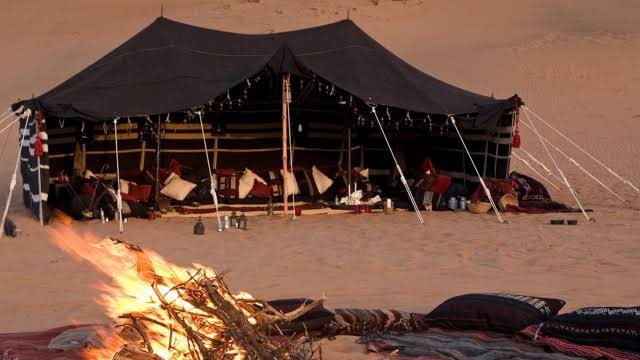
 Free Source Library — Exploring the complex tapestry of Bedouin society reveals a culture marked by resilience, adaptability, and profound tradition amidst modern change.

Understanding Bedouin Society: An In-Depth Perspective
The Bedouin people, whose name derives from the Arabic word “badawiya,” meaning desert dweller, represent one of the most prominent nomadic groups in the Middle East and North Africa. Their societal structures, cultural identities, and survival strategies have evolved over centuries, shaped intricately by the harshness of their environment and the social norms that sustain their communities. To truly grasp the essence of Bedouin society, one must delve into their historical roots, cultural expressions, social organization, and the ongoing transformations influenced by external pressures and internal adaptations.
The Historical Context and Evolution of Bedouin Society
The origins of Bedouin tribes trace back over a millennium, with archaeological and historical evidence indicating their long-standing presence in the deserts of Arabia, the Levant, North Africa, and the Middle Eastern peninsula. Historically, their nomadic lifestyle provided a strategic advantage, enabling them to exploit seasonal grazing patterns, access water sources, and avoid the oppressive temperatures and environmental challenges of desert life.
In the early centuries, Bedouins operated mainly as independent tribes—each with its distinct dialects, customs, and leadership. Over time, alliances formed and fractured, driven by negotiation, inter-tribal conflicts, marriages, and political shifts. The arrival of Islam in the 7th century profoundly influenced their social, spiritual, and legal frameworks, integrating their traditional practices with Islamic principles and creating a dynamic cultural synthesis.
The colonial and modern eras introduced new dimensions—state boundaries, national policies, urbanization, and technological advances—that have both challenged and reconfigured traditional Bedouin life. Today, the tribe’s resilience manifests in both preservation of core practices and strategic adaptations to a rapidly changing world.
Core Principles and Values: Resilience, Hospitality, and Identity
Throughout centuries, certain values have underpinned Bedouin life: resilience in facing environmental extremities, unyielding hospitality reflecting respect and generosity, and a strong sense of kinship and communal identity. These principles continue to guide their daily lives, social interactions, and mutual support networks.
The Bedouin Identification: Roots, Culture, and Enduring Traits
Nomadism as a Living Tradition
Nomadic pastoralism remains the hallmark of Bedouin life. Movement patterns are rarely random but are dictated by the need to access water, grazing land, and responsive seasonal cycles—climatic and environmental cues. This mobility fosters an intimate understanding of the desert’s ecology, embedding survival skills like water conservation, navigation, and resourcefulness into their cultural fabric.
Nevertheless, modern developments—such as government policies promoting sedentarization, environmental degradation, and urban expansion—have prompted a gradual shift. Many tribes have moved towards semi-settlement or full urbanization, but even settled Bedouins carry their nomadic identity within social practices and cultural expressions. This hybridity reflects their adaptation without loss of core values.
Language, Oral Traditions, and Cultural Articulations
Bedouin dialects are rich, poetic, and often highly expressive. Their oral poetry, known as *zinj*, *qasida*, and *rithā*, serve as the backbone of cultural transmission, capturing history, moral lessons, and social norms. These poetic forms are not mere entertainment but integral to social status, conflict resolution, and education. In storytelling sessions—marked by music, dance, and call-and-response choruses—the community reaffirms its collective memory.
The oral tradition also preserves genealogies, cultural values, and environmental knowledge. Crafts like weaving, embroidery (*tatreez*), and metalwork (*sikka*) act as social badges—denoting tribal affiliation, social status, or personal achievements—serving both practical and symbolic functions.
Resurgence and Preservation Efforts
In recent years, numerous NGOs, cultural institutes, and community initiatives have sought to rejuvenate Bedouin arts and oral traditions. Festivals celebrating poetry, traditional music, and crafts aim to sustain cultural heritage, especially among younger generations increasingly exposed to globalized influences.
Social and Political Structures in Bedouin Societies
Tribal Organization and Leadership Hierarchies
At the heart of Bedouin social organization lie tribes—large kin-based units comprising numerous clans (*‘ashira*). Tribal loyalty ensures mutual support in times of conflict or crises, reinforcing social cohesion. Leadership is often vested in a *sheikh*, an elder judged by wisdom, reputation, and effectiveness rather than hereditary privilege alone.
The *sheikh*’s authority is based on consensus, respect, and pragmatic decision-making, often functioning as an arbitrator or mediator during disputes. In some tribes, leadership may involve councils (*majlis*), where elders deliberate on community issues collectively, ensuring a form of participatory governance rooted in tradition.
Conflict Resolution and Justice Norms
Traditional conflict resolution emphasizes restoring honor (*ird*) and social harmony. Disputes are mediated through *‘urf* (customary law), with elders and respected figures playing pivotal roles. Punitive justice is rarely the first resort; instead, compensation (*diya* or blood money) and reconciliation foster lasting peace.
The emphasis on collective reputation and shame reduces aggressive behaviors and encourages conciliatory attitudes. Such norms are vital for maintaining internal stability without resorting to external legal systems, which often have limited reach or legitimacy in remote areas.
Gender Dynamics and Family Structures
Traditional Gender Roles
In traditional Bedouin society, gender roles are strongly delineated. Men bear responsibility for external affairs: herding, defense, and tribal negotiations. Women focus on domestic aspects: child-rearing, household craftwork, and social cohesion within family units. This division aligns with survival strategies suited for desert life—mobility, protection, and cultural continuity.
Women’s Roles and Modern Shifts
Although historically women’s influence was largely confined within the domestic sphere, they played crucial roles as custodians of oral histories, mediators, and managers of household knowledge. Recent socio-economic changes—especially education and urban migration—have elevated women’s participation in public life, education, and economic activities. Many women now become advocates for cultural preservation, entrepreneurs, and community leaders, slowly transforming traditional gender hierarchies while maintaining their cultural roots.
Family and Kinship Networks
Family ties, structured patrilineally, are the backbone of social organization. Kinship networks facilitate resource sharing, collective defense, marriage alliances, and social obligations. Marriages typically serve political and social functions, reinforcing clan ties. Bridewealth (*mahr*), besides being a financial obligation, symbolizes the reinforcement of these bonds.
Extended kinship provides resilience, especially in times of hardship—droughts, conflicts, health crises—by fostering mutual support across generations. Their collective responsibility extends to maintaining genealogical legitimacy and cultural continuity.
The Bedouin Religious and Moral Framework
Islamic Foundations and Cultural Synthesis
Islam, adopted deeply into Bedouin life, influences their moral code, social practices, and community activities. Key Islamic practices—prayer, fasting, almsgiving—are intertwined with traditional customs. Religious festivals such as Ramadan and Eid serve as communal focal points, fortifying bonds of faith and solidarity.
Religious leaders, *Imams*, often serve as moral guides, mediators, and community focal points. Bedouins see hospitality, charity (*sadaqah*), and justice as central virtues both in Islamic teachings and local traditions.
Syncretism and Local Rituals
Many Bedouin communities integrate local spiritual practices—reverence for ancestors, sacred sites, and rainfall rituals—into their Islamic faith. These practices serve practical purposes like ensuring rainfall or bountiful harvests, blending spiritual beliefs with environmental dependencies, and demonstrating resilience through adaptable spirituality.
Economic Foundations and Adaptive Strategies
The Pastoral Economy: Resources, Management, and Social Relations
| Livestock Type | Functions and Significance | Management Strategies |
|---|---|---|
| Camels | Primary transport, wealth reserve, milk, meat | Mobility-focused breeding, water conservation, seasonal grazing |
| Goats | Milk, meat, fiber (hair), barter | Selective breeding, strategic grazing |
| Sheep | Meat, wool, social currency | Seasonal movement, flock management |
Pastoral management involves detailed environmental knowledge—observing pasture quality, water availability, and herd health—implemented through seasonal migrations that optimize resource use.
Economic Diversification and Modern Adaptations
The rise of tourism, artisanal crafts, and service sectors has opened new economic avenues. Many Bedouins now operate guesthouses, sell traditional crafts, or participate in cultural tourism, which both preserves traditions and generates income. Additionally, some tribes engage in small-scale trading, agriculture, or government employment, blending their traditional economy with modern job markets.
Environmental challenges, land tenure conflicts, and climate change necessitate innovative approaches such as sustainable grazing innovations, water conservation projects, and legal reforms on land rights. Embracing technology—like solar energy, mobile banking, and weather forecasting—further supports resilient economic strategies.
Contemporary Challenges and Initiatives for Cultural Preservation
Urbanization and Sedentarization: Impact and Resistance
Government policies aimed at sedentarization—settling tribes in fixed locations—are often motivated by national integration goals but threaten ancestral practices, oral traditions, and social cohesion. While some adaptation is unavoidable, many communities actively resist complete assimilation, maintaining semi-nomadic practices or cultural rituals.
Environmental Threats: Climate Change and Desertification
Accelerating desertification due to climate change intensifies water scarcity and habitat loss. Traditional migration routes are becoming inhospitable, forcing tribes to adapt or abandon some pastoral practices. Initiatives focusing on water conservation, sustainable land management, and environmental education are vital for adapting traditional livelihoods to new environmental contexts.
Revitalization Projects and Policy Interventions
Numerous organizations promote the preservation of Bedouin culture through arts festivals, educational programs, documentation of oral traditions, and legal advocacy for land rights. UNESCO and other bodies recognize Bedouin cultural heritage as integral to human diversity, fostering policies that support language preservation, traditional crafts, and community-led development projects.
Comparative Insights: Bedouin Society within a Global Indigenous Context
Comparing Bedouin societal traits with similar indigenous groups reveals shared traits—such as reliance on kinship, adaptation to environmental extremities, and cultural resilience. For example, the Sami of Scandinavia and the Maasai of East Africa share oral traditions, clan-based social structures, and economic reliance on pastoralism. The table below contrasts these societies in key aspects:
| Aspect | Bedouins | Sami (Northern Europe) | Maasai (East Africa) |
|---|---|---|---|
| Primary Livelihood | Pastoralism, trade | Reindeer herding, fishing | Pastoralism (cattle), agro-pastoralism |
| Social Structure | Tribal clans, sheikh-led councils | Clan-based, elder councils | Clan groups, elder councils |
| Language and Culture | Arabic dialects, poetic oral traditions | Sami languages, joik singing | Maasai language, oral storytelling |
| Environmental Adaptation | Desert mobility, water conservation | Reindeer mobility, seasonal migration | Pastoral mobility, grazing management |
Supporting and Engaging with Bedouin Communities
Step-by-Step Framework for Effective Engagement
- Respect Cultural Sovereignty: Acknowledge their right to self-determination and cultural integrity.
- Learn and Listen: Understand their social norms, values, and traditional practices.
- Support Cultural Preservation: Promote initiatives such as festivals, craft markets, and oral history projects.
- Advocate for Land and Water Rights: Collaborate with community organizations to ensure legal protections.
- Encourage Sustainable Livelihoods: Support eco-friendly tourism, artisan cooperatives, and environmental resilience projects.
- Foster Education and Inclusion: Promote bilingual education and scholarship programs that reinforce cultural identity.
Extensive FAQs about Bedouin Society
How are Bedouin leaders chosen?
Leadership in Bedouin society typically hinges on merit, reputation, and consensus within the clan or tribe. The *sheikh* is often selected through community rituals, with elders evaluating qualities like wisdom, fairness, and ability to mediate conflicts. In some cases, leadership may be hereditary, but informal consensus or elder councils serve as critical decision-makers.
Is Islam the exclusive religion of Bedouins?
Islam is predominant; however, Bedouins often incorporate local practices, spiritual customs, and reverence for ancestors into their religious landscape. This blending creates a syncretic spiritual fabric that adapts religious doctrine to their environment and history.
How has modernization altered traditional roles?
Modernization introduces formal education, employment outside traditional livelihoods, and urban migration, leading to shifts in gender roles, family structures, and social authority. Women, in particular, are increasingly active outside the domestic sphere, advocating for their rights and cultural preservation.
What are key initiatives for cultural sustainability?
Government programs, NGO projects, and community-led festivals aim to preserve language, oral traditions, crafts, and land rights. Examples include oral history archives, craft cooperatives, and legal advocacy for indigenous land claims.
How can outsiders ethically support Bedouin communities?
By respecting their autonomy, supporting community-led initiatives, advocating for their land rights, and engaging in culturally sensitive collaboration, outsiders can foster genuine partnerships that uphold their integrity and promote sustainable development.
Conclusion: The Enduring Bedouin Spirit
Despite facing environmental, political, and socio-economic pressures, the Bedouin continue to exemplify resilience, cultural richness, and adaptability. Their social coherence, woven through kinship, oral eloquence, and environmental knowledge, sustains an identity that evolves yet remains rooted in ancient traditions. Recognizing their rights, supporting cultural preservation, and fostering respectful collaboration pave the way for a future where Bedouin heritage endures as a living, vibrant facet of human diversity.
References
- International Federation of Red Cross and Red Crescent Societies. (2020). “The Bedouin: Culture, Challenges, and Future Directions.”
- United Nations Environment Programme. (2022). “Climate Change and Desertification: Impact on Nomadic Societies.”