
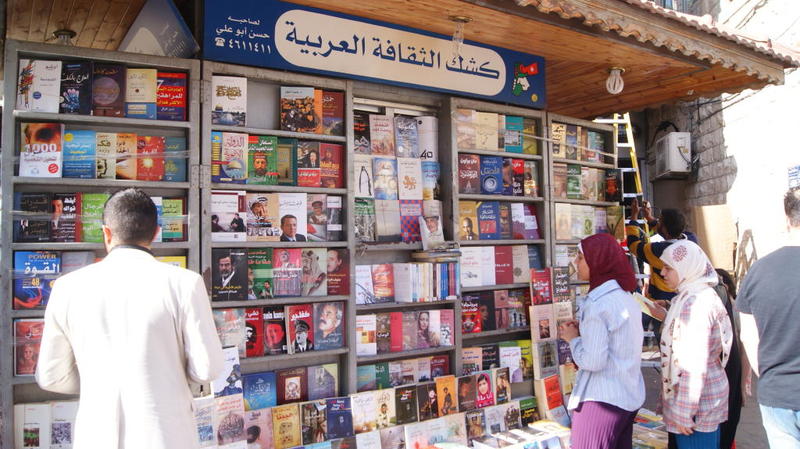
 Free Source Library — Here is a comprehensive exploration of some of the most bestselling and influential Arabic books, offering deeper insights into their themes, contexts, and significance.
The Landscape of Arabic Literature: A Rich Tapestry
Arabic literature boasts a history stretching back over a millennium, characterized by poetic mastery, philosophical inquiry, storytelling excellence, and social critique. Its modern bestsellers continue this tradition, reflecting contemporary societal issues, historical transformations, and cultural identities. These books not only enjoy popularity within the Arab-speaking world but also resonate internationally, bridging cultural divides with their universal themes and literary artistry. To understand their enduring appeal, it’s essential to explore their historical context, thematic richness, and the ways they exemplify the evolution of Arabic storytelling.
Deep Dive into Iconic Bestsellers
“The Yacoubian Building” by Alaa Al Aswany
Published in 2002, Alaa Al Aswany’s “The Yacoubian Building” rapidly became a landmark in Arabic contemporary literature, influencing perceptions of Egyptian society and showcasing the complexities hidden behind urban facades. Set within a Cairo apartment building, the narrative weaves multiple storylines—each representing different social strata, political standpoints, and personal ambitions.
This novel functions as a social microcosm, exposing corruption at various levels, from government officials to everyday citizens. It critically examines issues such as governmental repression, economic disparity, gender inequality, and the clash between tradition and modernity. Characters range from a corrupt policeman and a disgraced aristocrat to a young idealist and an aging actress, each embodying different facets of Egyptian society during the tumultuous early 2000s.
Al Aswany’s masterful dialogue and detailed character development give the novel a cinematic quality, making it accessible yet profound. It provides a window into the societal tensions that culminated in Egypt’s political upheavals of the Arab Spring, illustrating its relevance long after publication.
“The Cairo Trilogy” by Naguib Mahfouz
Arguably the most celebrated work of modern Arabic literature, Naguib Mahfouz’s “Cairo Trilogy” consists of three novels: “Palace Walk,” “Palace of Desire,” and “Sugar Street.” Spanning the early 20th century, these novels offer a sweeping portrayal of Cairo’s social, political, and familial transformations through the lens of the Abd al-Jawad family.
Mahfouz’s work is lauded for its intricate portrayal of Egyptian society navigating colonial influence, modernization, and political unrest. Central themes include the tension between tradition and change, religious authority versus secularism, and gender roles within a patriarchal framework. The novels’ narrative complexity and psychological depth render a vivid picture of daily life, societal values, and personal ambitions.
Mahfouz’s Nobel Prize in Literature in 1988 cemented his status as a pioneering voice in Arabic literature, and his trilogy remains a foundational text for understanding Egypt’s modern history. Its influence extends beyond literary circles, inspiring adaptations in film, theater, and academic discourse worldwide.
“Season of Migration to the North” by Tayeb Salih
First published in 1966, Tayeb Salih’s groundbreaking novel explores colonial legacies and post-colonial identity through the story of a young Sudanese man returning to his homeland after studying in Europe. It is considered one of the most significant works of Arabic literature, often included in global literary anthologies.
The narrative delves into themes of otherness, cultural hybridity, and the destructive nature of repressed desires. The protagonist’s encounters with Western culture reveal the complex psychological and societal impacts of colonialism, represented symbolically through the mysterious figure of Mustafa Sa’eed, whose tragic life embodies the intertwined histories of Africa and the West.
Salih’s lyrical prose and layered storytelling challenge simplistic narratives of liberation, illustrating the enduring scars and ongoing struggles of post-colonial nations. The novel’s intense psychological focus and richly symbolic language have secured its place as a classic of modern Arabic and world literature.
“The Bridges of Constantine” by Ahlam Mosteghanemi
Published in 1993, this novel by Algerian author Ahlam Mosteghanemi became a defining work in North African literature, blending love, politics, and exile into a compelling narrative. It narrates the passionate romance between a young Algerian woman and an Iraqi exile amidst the Algerian civil war and broader regional upheavals.
Mosteghanemi’s poetic style, combined with her exploration of themes related to identity, memory, and resilience, has made this book a favorite among Arabic readers. The vivid descriptions of love intertwined with political conflict resonate deeply with audiences experiencing displacement and trauma.
The novel’s success lies in its ability to articulate complex feelings about belonging, nationalism, and exile, capturing the universal human longing for connection amid chaos.
“Cities of Salt” by Abdelrahman Munif
One of the earliest and most influential Arabic novels addressing modernization, “Cities of Salt” (1984) chronicles the transformation of a fictional Gulf region society affected by the discovery of oil. Munif’s rich narrative explores the tension between traditional Bedouin life and the encroaching forces of Western economic interests.
This novel provides a detailed socio-historical account of the region’s upheaval, emphasizing the destructive impact of rapid development on indigenous populations and ecosystems. Its sprawling scope and multi-generational characters make it a foundational text for understanding Gulf countries’ socio-economic dynamics.
“Azazeel” by Youssef Ziedan
Winner of the International Prize for Arabic Fiction in 2009, “Azazeel” is set in 5th-century Egypt during the decline of the Roman Empire. Through the reflections of Hypa, a Coptic monk embroiled in theological debates and persecution, Ziedan presents a vivid exploration of faith, doubt, and ideological conflict.
This historical novel challenges religious dogmas and examines the fragility of belief systems. It explores themes of religious fanaticism, heresy, and cultural clashes, weaving history that is both deeply scholarly and philosophically insightful.
“The Blue Elephant” by Ahmed Mourad
Published in 2007, Mourad’s psychological thriller mixes themes of trauma, obsession, and redemption set against Cairo’s dark urban backdrop. The narrative follows Yehia, a psychiatrist confronting his own disturbed past while trying to solve a series of bizarre murders that threaten his sanity.
The novel’s cinematic style—characterized by vivid imagery and fast-paced plot twists—has attracted a broad readership, making it one of the most popular contemporary Arabic thrillers. Mourad’s work exemplifies the genre-blending trend in modern Arabic fiction, combining psychological depth with high suspense.
“Frankenstein in Baghdad” by Ahmed Saadawi
Awarded the International Prize for Arabic Fiction in 2014, Saadawi’s novel reimagines Shelley’s classic story within the chaos of modern Baghdad, ravaged by war and violence. It centers on Hadi, a scavenger who stitches together body parts to create a monster, symbolizing the fractured state of Iraqi society.
The narrative explores themes of justice, revenge, and the monstrous legacy of violence. Employing magical realism and satire, Saadawi’s work probes the moral ambiguities of war and the human capacity for destruction and renewal.
Broader Themes and Critical Reflection
While each of these influential works reflects unique national and cultural contexts, they share common thematic elements:
- Societal change and upheaval: Many explore transition periods—colonialism, modernization, war—and their effects on individuals and communities.
- Identity and cultural conflict: From post-colonial identities to exile and diaspora, these books examine how personal and collective histories influence present realities.
- Power and corruption: Several novels critique political regimes, corruption, and social injustices, often threading these themes through character arcs and narratives.
- Tradition vs. modernity: A recurring tension, with characters often caught between conventional customs and emerging influences of Western culture or technological change.
Practical Frameworks for Understanding Arab Literary Success
Guidelines for Analyzing Literary Impact
- Contextualization: Understand historical, political, and social factors at the time of publication.
- Theme identification: Trace overarching themes and their relevance to societal issues.
- Character analysis: Examine how characters embody broader societal archetypes and conflicts.
- Stylistic features: Recognize narrative style, symbolism, and language that evoke emotional or intellectual responses.
- Cross-cultural resonance: Evaluate how themes transcend local contexts to engage universal concerns.
Common Challenges in Popular Arabic Literature
- Balancing traditional storytelling with modern literary techniques.
- Overcoming censorship and political sensitivities that might limit authors’ scope.
- Reaching broad audiences amidst diverse linguistic and cultural landscapes.
- Maintaining originality while appealing to mass readership.
Comparative Analysis: Arabic Bestsellers vs. Global Literature
| Feature | Arabic Bestsellers | Global Bestsellers |
|---|---|---|
| Themes | Social issues, identity, history, exil | Varied: love, adventure, self-help, fantasy, societal critique |
| Language Style | Poetic, symbolic, layered | Accessible, narrative-driven, often genre-based |
| Cultural Specificity | High—rooted in local history, tradition, religion | Often universal but sometimes culturally specific |
| Market Reach | Primarily Arab-speaking countries; growing international readership | Global reach with translations into numerous languages |
Frequently Asked Questions
Why do certain Arabic books become bestsellers?
They often touch on pressing societal issues, resonate emotionally, or reflect collective memories and aspirations. Accessibility in language and powerful storytelling also play key roles.
Are Arabic bestsellers translated into other languages?
Many are translated, especially award-winning works like “Azazeel” and “Frankenstein in Baghdad,” expanding their influence beyond Arabic-speaking audiences.
How does the social context influence Arabic literary trends?
Political upheavals, social reforms, and cultural dialogues shape thematic choices and storytelling styles, making literature a mirror and agent of societal change.
Conclusion: The Ever-Evolving Arabic Literary Scene
Arabic literature’s bestselling works continue to challenge, inspire, and reflect their societies. They serve as cultural artifacts, conduits of social critique, and bridges to understanding the Arab world’s complex identities. As the literary scene evolves—with increasing digital access, transnational collaborations, and diverse voices—the future promises even richer narratives that will sustain Arabic literature’s vital role on the global stage.
References
- Encyclopedia of Arabic Literature, Edited by Julie Scott Meisami and Paul Starkey, Routledge, 1998.
- ArabLit: A Resource for Arabic Literature, https://arablit.org/