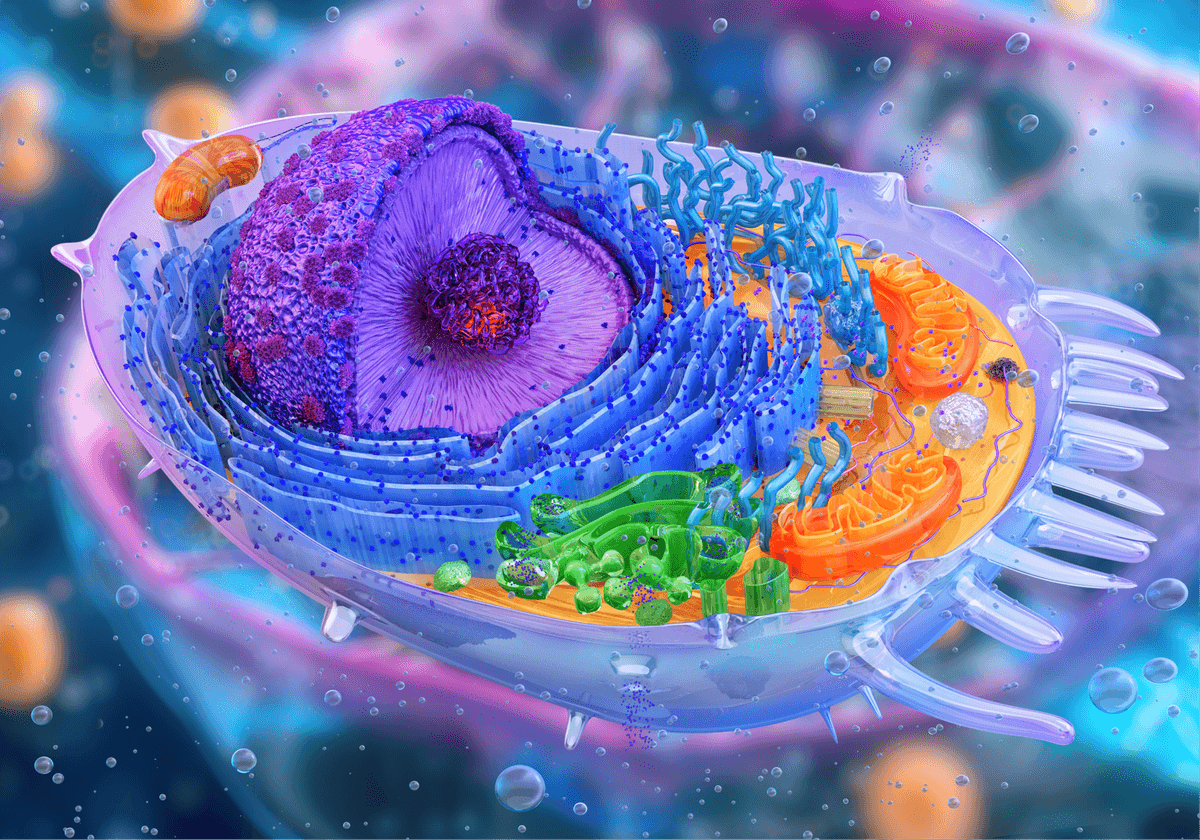
 Free Source Library — Understanding the myriad activities occurring within a single cell reveals the sophistication of life at the microscopic level and underscores the intricate balance required for cellular and, by extension, organismal health.

Introduction to Cellular Activities: The Core of Life
Cells are the fundamental building blocks of all living organisms. Despite their microscopic size, they are powerhouses of complex biochemical and physical processes. Each activity plays a key role in maintaining life, ensuring growth, reproduction, adaptation, and survival. These processes are orchestrated by a symphony of organelles, proteins, and molecules working in harmony. An in-depth understanding of these activities illuminates how life sustains itself at the cellular level, providing insights into health, disease, and potential biotechnological innovations.
1. Cellular Respiration: The Cell’s Power Plant
Fundamentals of Cellular Respiration
Cellular respiration is the process by which cells extract energy from nutrients, primarily glucose, to produce adenosine triphosphate (ATP), the energy currency vital for cellular functions. This process is highly efficient, designed to maximize energy extraction through a series of tightly regulated steps.
Stages of Cellular Respiration
- Glycolysis: Occurs in the cytoplasm, where a single glucose molecule is enzymatically broken down into two molecules of pyruvate, producing two ATP molecules and NADH (an electron carrier).
- Citric Acid Cycle (Krebs Cycle): Takes place in the mitochondrial matrix, where pyruvate is further oxidized, generating carbon dioxide, ATP, NADH, and FADH2 (another electron carrier).
- Oxidative Phosphorylation: Located in the inner mitochondrial membrane, this stage uses electrons from NADH and FADH2 to generate a large amount of ATP via the electron transport chain, employing oxygen as the final electron acceptor.
Energy Efficiency and Regulation
Cellular respiration’s efficiency hinges on its capacity to tailor ATP production based on energy demands. Enzyme activity within each stage is finely tuned through feedback mechanisms, ensuring cells do not waste resources or generate harmful by-products.
Implications in Health and Disease
Dysfunctions in cellular respiration underpin a variety of metabolic disorders, including mitochondrial diseases, obesity, and diabetes. Understanding these pathways offers therapeutic targets for correcting energy deficits or preventing excess reactive oxygen species formation.
2. Photosynthesis: The Solar Engine of Plants
Overview and Significance
Photosynthesis is a process mastered by plants, algae, and certain bacteria, converting solar energy into chemical energy stored in glucose molecules. It forms the foundation of most food webs and influences global carbon cycles and climate regulation.
Stages of Photosynthesis
- Light-Dependent Reactions: Occur in the thylakoid membranes of chloroplasts. Light energy excites electrons in chlorophyll, leading to water splitting (photolysis), oxygen release, and the generation of ATP and NADPH.
- Light-Independent Reactions (Calvin Cycle): Take place in the stroma of chloroplasts, where ATP and NADPH power the fixation of atmospheric CO2 into triose phosphates, which are eventually converted into glucose and other carbohydrates.
Factors Affecting Photosynthesis
Temperature, light intensity, water availability, and carbon dioxide concentration significantly influence the rate of photosynthesis. Variations can affect plant growth, crop yields, and ecosystems’ health.
Environmental and Agricultural Impacts
Harnessing photosynthesis pathways through biotechnological approaches holds promise for biofuel production, improving crop resilience, and mitigating climate change by enhancing carbon sequestration.
3. DNA Replication: Ensuring Genetic Continuity
Understanding the Process
DNA replication is critical for cell proliferation, allowing genetic information to be faithfully transmitted during cell division. It involves unwinding the double helix, synthesizing complementary strands, and proofreading for accuracy.
Key Enzymes and Their Roles
- Helicase: Unwinds the DNA strands, creating replication forks.
- DNA Polymerase: Adds nucleotides complementary to the template strand, synthesizing new DNA strands.
- Ligase: Seals nicks between Okazaki fragments on the lagging strand, ensuring continuous DNA molecules.
Replication Fidelity and Error Correction
Cells utilize proofreading, mismatch repair, and exonuclease activities to minimize errors, maintaining genomic stability. Faults in these systems can lead to mutations and genomic instability, contributing to cancer and hereditary diseases.
4. Transcription and Translation: From Genes to Proteins
Decoding Genetic Information
The flow of genetic information from DNA to functional proteins involves two key steps—transcription in the nucleus and translation in the cytoplasm.
Transcription: RNA Synthesis
RNA polymerase reads the DNA template strand, synthesizing messenger RNA (mRNA) that mirrors the gene’s coding sequence. Regulatory elements, such as promoters and enhancers, modulate transcription rates.
Translation: Protein Assembly
Ribosomes read the mRNA codons and assemble amino acids into polypeptides using transfer RNA (tRNA). The genetic code’s degeneracy allows multiple codons to specify the same amino acid, providing some flexibility and robustness.
Post-Translational Modifications
Proteins often undergo modifications such as phosphorylation, glycosylation, and folding, which are crucial for their activity, stability, and cellular localization.
5. Cell Division: Growth, Development, and Repair
Mitosis and Cytokinesis
Mitosis ensures that each daughter cell inherits an exact copy of the parent cell’s genome. It involves phases: prophase, metaphase, anaphase, and telophase. Cytokinesis divides the cytoplasm, completing cell division.
Meiosis for Sexual Reproduction
In germ cells, meiosis halves the chromosome number, producing haploid gametes—sperm and eggs—that contribute to genetic diversity through recombination and independent assortment.
Regulation of Cell Cycle
Checkpoints (G1/S, G2/M) monitor DNA integrity and replication completion, preventing errors and tumorigenesis. Cyclins and cyclin-dependent kinases (CDKs) orchestrate progression through the cell cycle.
6. Protein Modification and Intracellular Transport
Synthesis, Modification, and Sorting
Proteins synthesized in the rough ER are often glycosylated or folded with chaperone assistance. The Golgi apparatus then modifies, sorts, and packages proteins into vesicles.
Vesicular Trafficking Pathways
Vesicles transport proteins to specific destinations: to the plasma membrane, lysosomes, or secretion outside the cell. Disruptions here may lead to diseases like cystic fibrosis or neurodegeneration.
7. Signal Transduction: Cellular Communication
Signal Detection and Response
Cells detect signals through membrane receptors such as G-protein-coupled receptors (GPCRs) and receptor kinases. The signals are relayed internally via cascades like the MAPK pathway, culminating in gene expression changes or cellular responses.
Examples of Signaling Pathways
– Growth factor signaling for cell proliferation – Hormone signaling for metabolic regulation – Stress responses such as apoptosis or autophagy
8. Cytoskeleton Dynamics: Structural and Functional Support
Components and Functions
The cytoskeleton, composed of actin filaments, microtubules, and intermediate filaments, maintains cell shape, facilitates intracellular transport, and enables motility and mechanical strength.
Role in Mitosis and Cell Movement
During cell division, microtubules form the mitotic spindle, which separates chromosomes. Actin filaments drive cell motility and shape changes through processes like lamellipodia and filopodia formation.
9. Endocytosis and Exocytosis: Material Exchange
Vesicle-Mediated Transport
Endocytosis allows cells to engulf extracellular molecules, pathogens, or membrane components, forming vesicles that fuse with lysosomes or recycling compartments. Exocytosis expels waste or secretes proteins, hormones, and neurotransmitters.
Types of Endocytosis
– Phagocytosis: Engulfing large particles – Pinocytosis: Uptake of fluids – Receptor-mediated endocytosis: Selective uptake via receptor binding
10. Homeostasis: Maintaining Cellular Equilibrium
Mechanisms of Regulation
Cells regulate internal conditions through ion pumps (e.g., Na+/K+ ATPase), buffering systems, and feedback loops to sustain optimal pH, temperature, and ionic balance.
Cellular Response to Environment
Cells adapt to environmental stresses by activating protective pathways, synthesizing heat-shock proteins, or adjusting metabolic rates, critical for survival in fluctuating conditions.
Integrating Cellular Activities: A Cohesive Network
The activities described do not function in isolation; instead, they form an interconnected network. For example, energy produced by respiration powers protein synthesis and signal transduction, while homeostatic mechanisms regulate all processes. Disruptions in one pathway often ripple through the cellular environment, leading to disease states or cellular death.
Advanced Frameworks for Understanding Cellular Function
Systems Biology Approach
Modern cell biology increasingly employs systems biology, integrating experimental data with computational modeling to predict cellular responses. This approach helps decipher complex interactions and emergent properties of the cellular network.
Step-by-Step Framework for Cell Function Analysis
- Identify the critical process (e.g., energy production).
- Map the involved organelles and molecules.
- Understand the regulation mechanisms.
- Study how this process interacts with others.
- Identify points of dysfunction contributing to disease.
Common Pitfalls and Troubleshooting
- Misinterpretation of pathway interactions due to oversimplification.
- Neglecting the influence of external environmental factors.
- Overgeneralizing findings from model organisms to humans.
- Ignoring cellular heterogeneity within tissues.
Frequently Asked Questions (FAQs)
What is the most important cellular activity?
All activities are vital, but energy production (via cellular respiration) is fundamental, fueling nearly all other processes. Without sufficient ATP, cell functions halt, leading to cell death.
How do cells coordinate multiple activities simultaneously?
Coordination occurs through intricate signaling networks, compartmentalization of processes, and hierarchical regulation by molecules such as enzymes, kinases, and transcription factors, ensuring timely and efficient functioning.
Can these processes be artificially manipulated?
Yes, biotechnological tools—such as gene editing, pharmacological inhibitors, and synthetic biology—enable us to modify or enhance cellular activities, with applications in medicine, agriculture, and industrial production.
Summary and Final Thoughts
Cells exemplify the marvel of biological engineering. Their activities, from generating energy to synthesizing complex molecules and maintaining internal stability, are orchestrated with remarkable precision. Understanding these mechanisms offers a window into the essence of life, providing foundational knowledge for advances in medicine, biotechnology, and environmental science. As research continues, our grasp of cellular processes deepens, promising innovative solutions to health challenges and a sustainable future.
References
- Alberts B., Johnson A., Lewis J., et al. (2014). “Molecular Biology of the Cell”. Garland Science.
- Campbell N.A., Reece J.B. (2005). “Biology”. Pearson Education.