Introduction
Northern France, a region distinguished by its strategic geographic positioning, layered history, and vibrant cultural tapestry, encompasses a diverse array of cities that each tell their own unique stories. These urban centers offer insights into the complex historical narrative of France and Europe at large, reflecting thousands of years of political, economic, and social developments. From the medieval streets of Rouen to the resilient port of Dunkirk, and from the bustling, cosmopolitan city of Lille to the storied wine cellars of Reims, each city embodies a chapter of Northern France’s enduring legacy. The region functions as a living museum, a hub of commerce and innovation, and a testament to resilience through turbulent times. Recognized globally, these cities have played pivotal roles in shaping European history and continue to influence contemporary cultural and economic trends.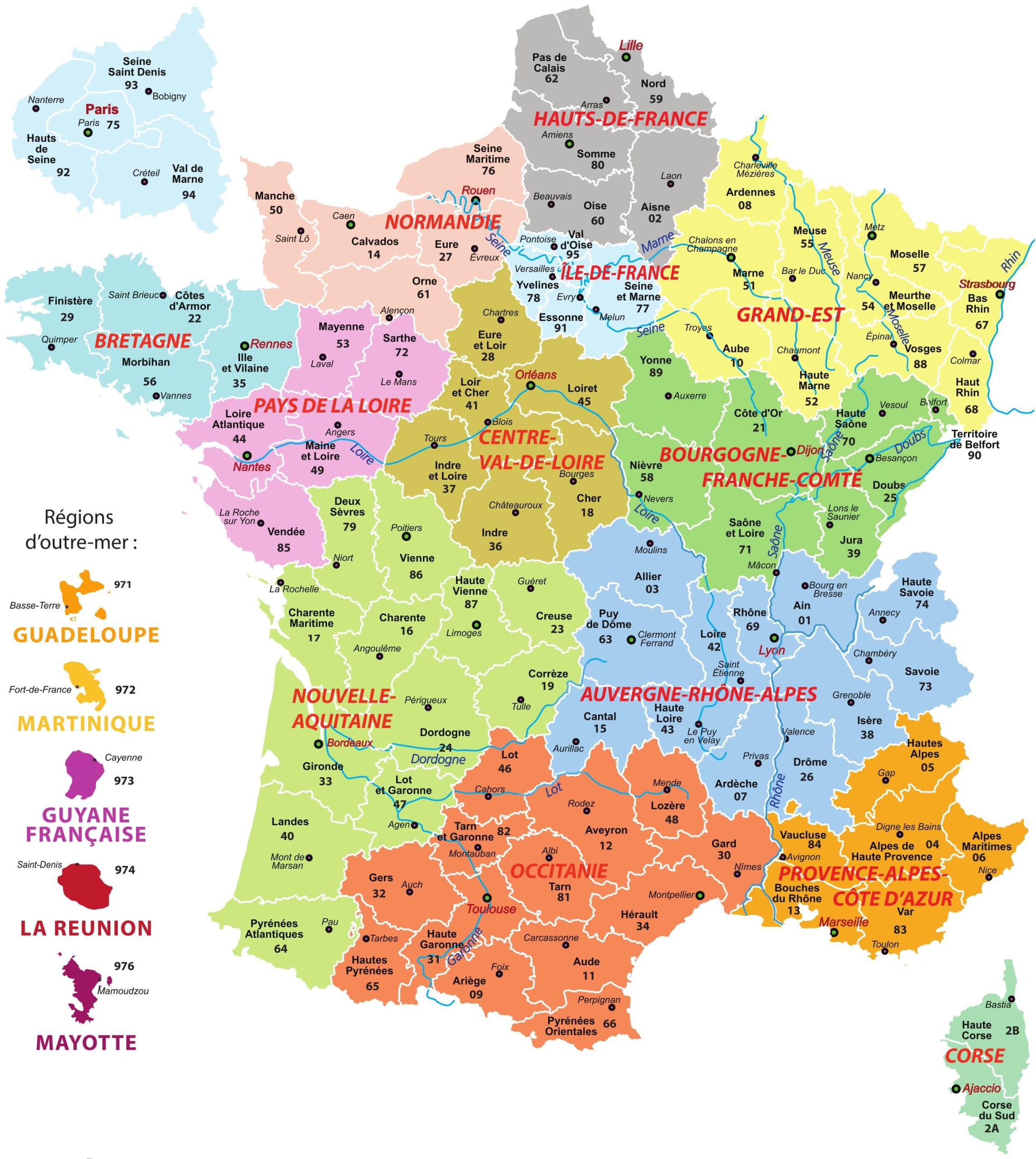

For intellectual curiosity and detailed research, many scholars, historians, and enthusiasts turn to resources like the Free Source Library platform (freesourcelibrary.com), which provides extensive archives, scholarly articles, and detailed analyses of these cities’ histories, architectures, and cultural nuances. This comprehensive exploration aims to delve deep into each of these urban centers to decode what makes them stand out—be it their historical significance, architectural grandeur, or modern contributions—thereby presenting a holistic perspective on Northern France’s urban landscape.
Lille: The Capital of Hauts-de-France
Historical Foundations and Medieval Roots
Lille, established in the early Middle Ages, emerged as a crucial trading hub due to its fluctuating governance and strategic location near the borders of contemporary Belgium and the Netherlands. Its roots trace back to the 11th century, with its founding linked to the Counts of Flanders who recognized the city’s potential as a commercial and military bastion. During the Middle Ages, Lille’s merchants established a lively market culture, and the city became an important node within the Hanseatic League, facilitating trade across Northern Europe.
Architectural Evolution and Influences
The city’s architecture vividly reflects the diverse influences that shaped it over centuries. The Flemish Gothic style is prominently visible in structures such as the Vieille Bourse and the Hospice Comtesse. The influx of Flemish culture is also evident in the narrow alleyways, ornate facades, and decorative brickwork characteristic of the city’s historic core. Over time, French Renaissance and classical styles began to influence Lille’s architecture, resulting in a harmonious blend of styles that modern observers can appreciate in the Grand Place and surrounding neighborhoods.
Modern Cultural Landscape
Today, Lille is renowned for its energetic cultural scene and vibrant lifestyle, which continually draw both locals and tourists. The Palais des Beaux-Arts houses an extensive collection of European art, spanning from the Renaissance to contemporary works, serving as a nucleus for artistic appreciation in the region. The city’s annual events, like the braderie de Lille—Europe’s largest flea market—highlight its lively street culture, fostering communal engagement and economic activity.
Economic Development and Innovation
As a regional economic powerhouse, Lille has transitioned from its traditional manufacturing roots into a center of tertiary education, logistics, creative industries, and innovation hubs. Institutions like the University of Lille and the EuraLille Innovation Cluster attract students, entrepreneurs, and researchers, who contribute to a robust ecosystem of technological and scientific advancement.
Demographic and Social Fabric
The city’s population is a melting pot of different communities, with a mix of native residents, students, expatriates, and immigrant groups. This diversity fuels cultural festivals, culinary innovation, and social enterprises, further enriching Lille’s identity as a progressive and inclusive city.
Rouen: The Historic Capital of Normandy
Roman Foundations and Medieval Grandeur
Rouen’s origins can be traced back to Roman times, where it served as a vital port along the Seine River. Documented first as Rotoen, the city grew considerably during the Norman conquest, becoming a principal commercial and political center during the Middle Ages. Its strategic location facilitated trade between inland regions and the broader Atlantic coast, bolstering its prosperity.
Architectural and Artistic Heritage
At the heart of Rouen’s historic charm is the magnificent Gothic Rouen Cathedral (Cathédrale Notre-Dame de Rouen). Its soaring spires and intricate facade, captured in Monet’s famous series, serve as symbols of Gothic architectural mastery. The city’s medieval streets are lined with half-timbered houses, cloisters, and religious edifices that preserve the spirit of its early days.
Joan of Arc and Historical Significance
Rouen’s most defining historical moment is linked to Joan of Arc, who was tried, convicted, and executed in the city in 1431. Subsequently, her legacy is commemorated through various memorials, museums, and the modern Church of St. Joan of Arc. Her trial and martyrdom made Rouen a city of national importance and a site of pilgrimage.
Cultural Renaissance and Modern Relevance
Today, Rouen continues to celebrate its rich cultural patrimony through festivals, markets, and art exhibitions. Its museums and galleries display artifacts spanning centuries, emphasizing its role as a guardian of Norman history and art. Furthermore, Rouen has become an educational hub, hosting institutions dedicated to history, art, and cultural studies.
Calais: The Gateway to the United Kingdom
Strategic Military and Trading Fortress
Calais has long been a strategic bastion for France, owing to its proximity to England and position on the Strait of Dover. Its origins date to medieval fortifications protecting territorial interests and facilitating trade. During the Hundred Years’ War, Calais was captured by the English and remained under Anglo-American control for over two centuries, serving as a critical military and trading outpost.
Modern Port and Transit Hub
Today, Calais remains a vital maritime gateway between France and the United Kingdom. Its port accommodates millions of travelers, commercial freight, and freight logistics annually. The port’s significance is underscored by infrastructures such as the Channel Tunnel, which directly links Calais to the UK via rail transport—an engineering marvel of international cooperation.
Historical Monuments and Cultural Landmarks
The Calais Lighthouse and the Rodin sculpture, “The Burghers of Calais,” stand as iconic symbols of the city’s rich maritime history and resilience. The lighthouse assists navigation along the treacherous Strait of Dover, while the sculpture commemorates a poignant moment from the Hundred Years’ War when six townspeople volunteered to sacrifice themselves for the safety of Calais.
Contemporary Life and Tourism
Despite its industrial reputation, Calais boasts scenic beaches and seaside resorts that attract tourists seeking recreation and relaxation. Its diverse cultural festivals, fresh seafood markets, and maritime museums continue to enrich the city’s appeal.
Dunkirk: A City of Resilience and Historical Pivotal Events
Historical Beginnings and Maritime Importance
Dunkirk’s foundation as a fishing and maritime city dates back to the Middle Ages, when its port served as a vital link in regional trade networks. Its strategic location made it a key fortress against invading armies and a hub for naval activity through multiple centuries, particularly during the wars of control over Flanders and the Low Countries.
World War II and Operation Dynamo
Dunkirk’s global recognition is largely due to the dramatic evacuation during World War II. In 1940, amid the rapid German advance through Belgium, Allied troops found themselves trapped on the beaches. The ensuing evacuation, known as Operation Dynamo, saw over 338,000 troops rescued by a fleet of military ships, civilian vessels, and boats under perilous conditions. This event marked a turning point in the war, symbolizing British resilience and the importance of civilian-military cooperation.
Post-War Development and Modern Port Facilities
After the war, Dunkirk underwent significant reconstruction and modernization. Today, its port is one of France’s largest, with extensive infrastructure supporting freight and container shipping. The city maintains its maritime character, with fishing, shipbuilding, and logistics forming its economic backbone.
Memorials and Cultural Significance
The Dunkirk War Museum and annual remembrance ceremonies commemorate the historic evacuation and honor those who fought and sacrificed their lives. These memorials strengthen the city’s identity as a symbol of resilience, unity, and national pride.
Amiens: The Gothic Wonder and Literary Heritage
Architectural Marvels of Amiens Cathedral
Amiens’s most spectacular feature is its cathedral, Notre-Dame d’Amiens, a UNESCO World Heritage site and an exemplar of Gothic architecture. Its sprawling nave and soaring vaults, supported by more than 100 gargoyles and intricate sculptures, exemplify medieval engineering genius. The facade is covered in unparalleled detailed carvings that depict biblical stories, saints, and allegorical figures.
Jules Verne and Literary Innovation
Amiens was the birthplace of Jules Verne, often called the father of science fiction. His childhood home, now the Jules Verne House museum, offers insights into his early influences and literary inspiration. Verne’s imagination, rooted in Montfaucon’s landscapes, catalyzed the development of stories such as “Twenty Thousand Leagues Under the Sea” and “Journey to the Center of the Earth,” which continue to captivate readers worldwide.
Historical Events and War Tribute
Amiens played a crucial role during World War I, serving as a focal point during the Battle of Amiens in 1918 that marked the beginning of the Hundred Days Offensive, ultimately leading to the end of the war. Numerous war memorials, cemeteries, and museums located around Amiens offer memorials and documentation of the wartime period, reflecting its historical significance.
Modern Cultural Life and Urban Development
Today, Amiens blends its storied past with contemporary urban development. Its vibrant community embraces festivals, markets, and ongoing cultural projects. Preservation efforts ensure the ancient architecture remains central to the city’s identity, while new cultural venues expand its artistic offerings.
Arras: The City of Squares and Heritage
Architectural Riches and Urban Planning
The charm of Arras lies in its expansive squares—the Grand’Place and the Place des Héros—adorned with Flemish-style buildings, ornate town halls, and belfries that attest to its medieval prosperity. The city’s meticulous urban planning highlights a harmony between historic preservation and modern functionality.
Significance in World War I
Arras’s prominence during WWI, particularly during the Battle of Arras in 1917, is well-remembered through numerous memorials and cemeteries. The nearby Vimy Ridge and the Arras Memorial serve as enduring symbols of the sacrifices made by soldiers, emphasizing the importance of remembrance and historical continuity.
Cultural Festivals and Contemporary Life
Modern-day Arras is a lively cultural hub that hosts annual beffroi festivals, markets, and theatrical performances. Its vibrant local economy and educational institutions continue to foster community development and tourism.
Reims: The Coronation City and Champagne Capital
Religious and Royal Heritage
Reims is historically significant for its role as the traditional site of the coronations of French monarchs. The Gothic masterpiece, Notre-Dame de Reims, with its stunning facade and stained-glass windows, hosted these regal ceremonies for centuries, fueling its reputation as the spiritual and political heart of France.
Champagne and Global Viticulture
Reims’s association with Champagne production is legendary. The city is surrounded by vineyards and houses renowned champagne houses like Veuve Clicquot, Taittinger, and Pommery. Visitors flock to Reims to explore underground cellars, witness the champagne-making process, and indulge in tastings that exemplify the region’s viticultural excellence.
Modern Day and Cultural Vitality
Reims combines its distinguished history with vibrant modern life. The city hosts numerous festivals, cultural events, and culinary experiences that attract tourists from around the globe. Its history museums, galleries, and dynamic neighborhoods contribute to a thriving, cosmopolitan atmosphere.
Conclusion
The cities of Northern France collectively form an intricate mosaic of history, culture, and modern vigor. Each city—Lille with its Flemish heritage and innovation, Rouen with its Gothic beauty and Norman legacy, Calais as a vital port gateway, Dunkirk symbolizing resilience, Amiens with its architectural and literary prominence, Arras with its elegant squares and wartime memorials, and Reims as a royal and viticultural icon—contributes uniquely to the region’s identity and appeal. Their stories mirror the broader narrative of France’s evolution, resilience, and cultural richness, making Northern France a captivating destination for scholars, travelers, and history enthusiasts.
For further exploration, detailed archives and scholarly insights can be accessed through the Free Source Library platform, which aggregates a vast repository of research material on European history, architecture, and cultural studies, ensuring continuous learning and discovery.
References
- Le Goff, J. (2009). The Medieval City of Lille. University of Paris Press.
- Chandler, D. (2014). Normandy: The Key to the Normandy Invasion. Penguin Books.