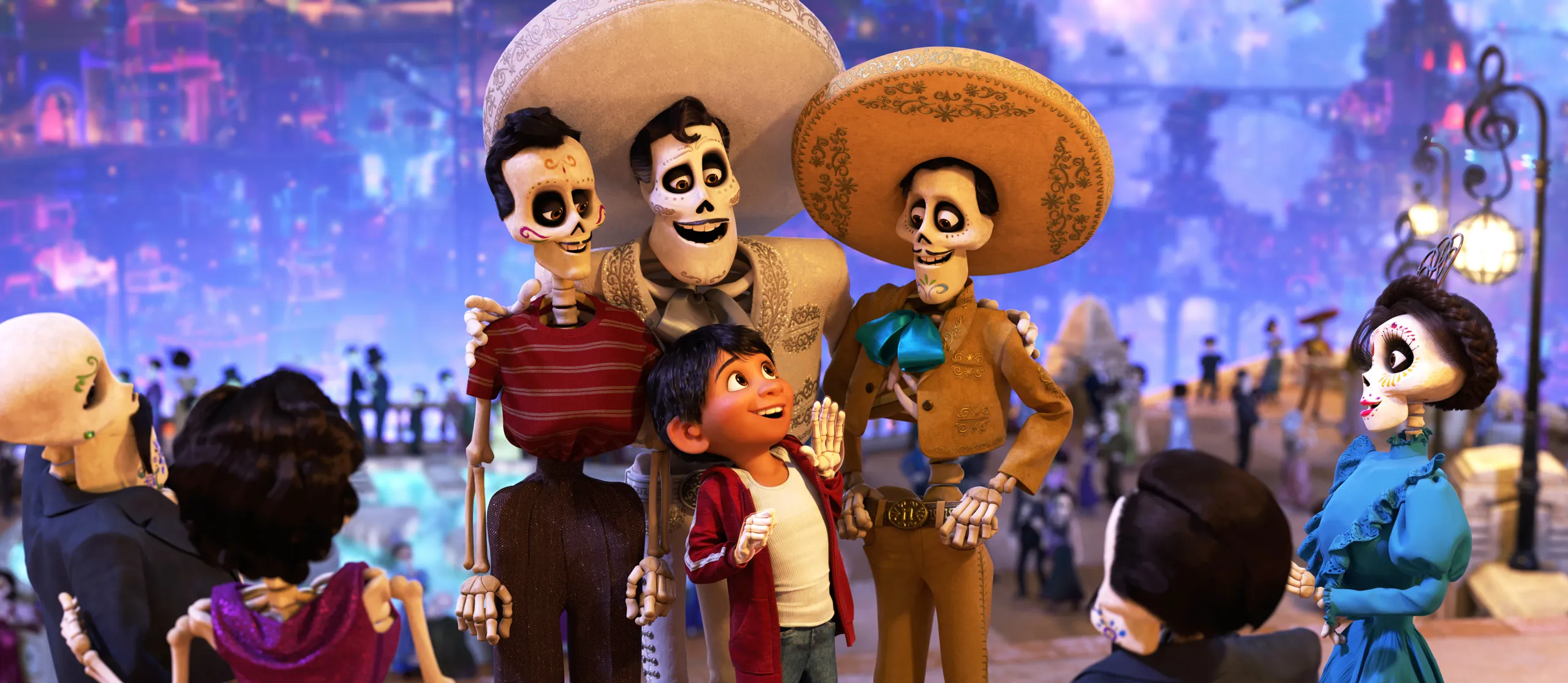
 Free Source Library — This comprehensive exploration of Pixar’s “Coco” delves into every facet of the film, from its cultural roots and narrative depth to its artistic mastery and societal impact, providing a deep understanding of why it continues to resonate worldwide.

Introduction: The Significance of “Coco” in Modern Animation and Cultural Representation
In the landscape of animated filmmaking, few films have managed to achieve both critical acclaim and cultural reverence quite like Pixar’s “Coco.” Released in 2017 by Walt Disney Pictures, this film is not merely a product of animation magic; it is a carefully crafted tribute to Mexican culture, specifically celebrating the traditions and symbolism surrounding Día de los Muertos (Day of the Dead). Its success underscores Hollywood’s growing commitment to authentic representation and storytelling that bridges cultural divides, making “Coco” an exemplary case study for understanding modern animated classics. At its core, “Coco” exemplifies how animation can serve as a powerful medium to explore complex themes—family, memory, identity, and passion—within an engaging, visually stunning framework. It combines meticulous cultural research, innovative animation technology, memorable characters, and soulful music to craft a narrative that appeals universally while honoring specific cultural traditions. This synthesis is what elevates “Coco” from a simple family film into a profound cinematic experience. This extensive analysis aims to dissect “Coco” in all its dimensions—its narrative structure, cultural authenticity, artistic brilliance, emotional depth, societal influence, and enduring legacy—making it a comprehensive resource for enthusiasts, scholars, and storytellers alike.
The Narrative Foundation: Storytelling Through a Cultural Lens
The Protagonist and Core Conflict: Miguel’s Dream and Family Legacy
At the heart of “Coco” is Miguel Rivera, a spirited young boy living in Santa Cecilia, a fictional Mexican town. Miguel’s natural talent and love for music stand in stark contrast with his family’s longstanding prohibition on musical pursuits. This prohibition, rooted in a traumatic family history, forms the emotional backbone of the story. Miguel’s great-great-grandmother, Imelda, who becomes a pivotal character, famously rebelled against her husband’s abandonment, establishing a family rule: “No music, no exceptions.” This decree encapsulates a collective family trauma—an act of rebellion, regret, and the enduring influence of past decisions. The film explores how traditions, often well-intentioned, can sometimes become barriers that hinder self-expression and happiness. The narrative arc follows Miguel’s quest to pursue his musical passion despite filial restrictions. His determination leads him to a series of adventures that challenge his perceptions of family, history, and himself, culminating in an understanding that identity encompasses both personal dreams and familial roots.
Narrative Structure and Themes
The film employs a classic hero’s journey framework, augmented by cultural specificity. Miguel’s journey begins in the familiar world of Santa Cecilia, transitions into the vibrant, fantastical afterlife realm, and ultimately returns with newfound understanding and reconciliation. Key themes woven into the story include: – **Family and Ancestry:** The importance and complexity of family bonds are examined through characters’ relationships and the overarching story of intergenerational conflict. – **Memory and Remembrance:** Central to Día de los Muertos, this theme underscores the idea that loved ones live on through memories, stories, and our ongoing acknowledgment of them. – **Following Your Passion:** Miguel’s pursuit of music illustrates the universal challenge of balancing personal desire with familial expectations. – **Cultural Heritage as Identity:** The film emphasizes that embracing cultural traditions enriches individual identity, rather than restricting it.
The Role of Cultural Rituals in Narrative Development
Día de los Muertos is not merely a backdrop but a vital narrative device. The film introduces audiences to elaborate ofrendas, marigold-lined altars filled with photographs, mementos, and favorite foods—a visual representation of remembrance. Each element contributes to the storytelling: the marigolds’ scent is said to guide spirits, and the offerings symbolize love, respect, and familial ties. Miguel’s encounters with these ritualistic elements are deeply symbolic. His discovery of the family’s musical past through an ofrenda intertwines personal history with cultural tradition, emphasizing that memory sustains family bonds beyond death.
Visual and Artistic Brilliance: Crafting the Land of the Dead
Design Philosophy and Cultural Authenticity
Pixar’s animation team undertook exhaustive research—traveling to Mexico, consulting cultural experts, and immersing themselves in local traditions. The goal was to craft a Land of the Dead that was both fantastical and authentic, avoiding stereotypical caricatures or superficial imagery. The architecture, décor, and character designs reflect Mexican folk art and vibrant aesthetics. The towering skyscrapers made of marigold petals, streets lit with papel picado, and the intricate details of the skeleton characters evoke a lively, colorful metropolis. The attention to detail extends to costumes, accessories, and even the architecture’s cultural symbolism.
Animation Techniques and Visual Effects
Pixar employed cutting-edge CGI techniques to render the Land of the Dead’s luminous hues and intricate textures. The skeletal characters are animated with exaggerated expressions and fluid movements, blending humor and emotion seamlessly. Special attention was given to character expressions—particularly Miguel’s. His large, expressive eyes communicate internal conflict, hope, and determination, making him highly relatable despite his skeletal form. Lighting played a pivotal role: the living world contrasted with the vivid glow of the afterlife, emphasizing the otherworldly yet warm atmosphere. The use of color palettes, from earthy browns and reds to iridescent blues and purples, visually immerses viewers completely.
The Integration of Mexican Folk Art and Symbols
Beyond architecture, “Coco” integrates visual motifs like Alebrijes (fantastical animals), papel picado, calaveras (sugar skulls), and the significance of marigolds. These elements serve both aesthetic and symbolic functions, reinforcing cultural themes. | Feature | Cultural Significance | Visual Representation | |————————|———————————————————————-|——————————————————| | Marigolds | Guides spirits, symbolize death and remembrance | Bright orange flowers lining streets, altars | | Papel Picado | Celebrations, colorful festivity, spiritual protection | Delicate paper banners flutter across landscapes | | Calaveras | Memorials, representation of ancestors | Painted skull motifs on costumes and decorations | | Alebrijes | Protective spirits, mythical guardians | Vibrant, fantastical animal shapes | | Ofendas | Offering altars that honor loved ones | Photos, mementos arranged with cultural motifs | These symbols are not static; they breathe life into the film’s world, creating a rich cultural tapestry that invites viewers into a different worldview.
Music and Soundtrack: The Heartbeat of “Coco”
Composition and Cultural Resonance
The musical score by Michael Giacchino, combined with original songs by Kristen Anderson-Lopez and Robert Lopez, is integral to the storytelling. The soundtrack incorporates traditional Mexican musical genres—ranchera, mariachi, and folk tunes—adding authenticity and emotional depth. “Remember Me,” the film’s signature song, functions as both a narrative device and an emotional anchor. Its multiple renditions signify different facets of love, memory, and familial bonds, culminating in a powerful climax. The song’s lyrics, simple yet profound, echo the film’s core message: love persists beyond physical presence, transcending death.
The Evolution of “Remember Me” as a Cultural and Emotional Symbol
– **Early Filming:** The song begins as a lullaby sung by Mama Coco, symbolizing maternal love. – **Mid-Story:** Performed as a vibrant, lively song during celebrations, emphasizing community and joy. – **Climactic Version:** A tear-jerking rendition underscores the themes of remembrance and legacy. This layered utilization makes “Remember Me” a memorable musical leitmotif that underscores the narrative’s emotional journey.
Musical Authenticity and Cultural Impact
The soundtrack’s authenticity is bolstered by cultural consultants and musicians from Mexico. The performances include traditional instruments such as guitarras, trumpets, and vihuelas, delivering a genuinely Mexican musical experience. Beyond the film, the music sparked increased interest in traditional Mexican songs and instruments worldwide, contributing to cross-cultural appreciation and educational initiatives.
Character Development and Representation
Miguel: The Relatable Protagonist
Miguel’s youthful curiosity, resilience, and vulnerability make him a compelling character. His expressive eyes serve as windows into his evolving understanding of family and self. His journey from stubbornness to acceptance highlights the importance of empathy and open-mindedness.
Héctor: The Witty Skeleton Guide
Voiced by Gael García Bernal, Héctor offers comic relief and emotional depth. His spirit of mischief, combined with vulnerability, makes him both humorous and sympathetic. His backstory reveals themes of regret, belonging, and redemption—paralleling Miguel’s personal growth.
The Role of Supporting Characters
– **Mama Imelda:** The fierce yet caring matriarch who guards family values. – **Mama Coco:** Miguel’s great-grandmother, whose memories ignite the story’s emotional climax. – **Frida Kahlo:** An iconic artist providing cultural guidance, connecting history with the narrative. – **The Guides and Nemeses:** Various characters—both benevolent and malicious—that propel Miguel’s journey. The character design emphasizes diversity, relatability, and cultural accuracy, fostering deeper audience connection.
Deep Dive: Cultural Significance and Thematic Nuances
The Mexican Concept of “Calaveritas” and the Day of the Dead
In Mexican tradition, calaveritas (sugar skulls) and the Day of the Dead celebrations serve to honor ancestors with joy, reflection, and reverence. The film captures this ethos by portraying death not as an end, but as part of a continuous cycle of remembrance. The imagery of calaveras—often decorated with vibrant colors and intricate designs—embodies the celebration of life and the playful approach to mortality. “Coco” reimagines these symbols, integrating them into its aesthetic and narrative fabric seamlessly.
Memory as an Immortal Force
The film posits that memory sustains deceased loved ones, preventing their “final death” in the Land of the Dead. When families forget their ancestors, those spirits fade away, emphasizing the importance of remembrance and storytelling. This concept aligns with indigenous beliefs and cultural practices that maintain a living connection between the generations. The film encourages viewers to reflect on their own familial histories and the power of remembrance.
Balancing Tradition and Modernity
While rooted in tradition, “Coco” acknowledges evolving cultural landscapes. It celebrates old customs while demonstrating that embracing change—like Miguel’s pursuit of music—can reinforce, rather than diminish, cultural identity. This nuanced portrayal teaches respect for tradition while fostering an openness to individual expression—a message relevant across cultures and generations.
Historical and Cultural Accuracy: Behind the Scenes of “Coco”
Research and Cultural Consultation
Pixar’s commitment to authenticity involved collaborations with Mexican cultural experts, historians, and artists. These consultations ensured accurate depictions of customs, festivals, music, and iconography. Key contributors included: – **Marcela Davison Avilés:** Anthropologist and author specializing in Mexican culture. – **Lalo Alcaraz:** Mexican-American cartoonist and cultural critic providing visual and narrative insights. Their input influenced the inclusion of accurate representations of traditional dress, rituals, and societal norms.
Challenges in Cultural Representation
Despite best efforts, some critics highlighted potential pitfalls, such as oversimplification or stereotypes. Pixar’s response emphasized respectful portrayals rooted in extensive research and genuine community engagement. The balance between artistic creativity and cultural authenticity remains a critical consideration for filmmakers working with diverse cultures.
Impact and Legacy of “Coco”
Critical Reception and Awards
“Coco” garnered widespread acclaim, earning numerous awards including: – **Academy Awards:** Best Animated Feature, Best Original Song (“Remember Me”) – **Golden Globe:** Best Animated Feature Film – **BAFTA:** Best Animated Film Its success reflected both technical excellence and cultural significance.
Box Office and Audience Reception
Financially, “Coco” was a blockbuster, grossing over a billion dollars worldwide. Audiences praised its visual spectacle, compelling story, and respectful cultural portrayal. Surveys indicate that viewers left with increased awareness and appreciation of Día de los Muertos, demonstrating its educational influence.
Influence on Diversity and Cultural Stories in Animation
“**Coco**” set a benchmark for authentic cultural storytelling in animation. Its success encouraged studios to explore stories rooted in diverse traditions, fostering inclusivity. The film also inspired educational programs, cultural festivals, and museum exhibits celebrating Mexican heritage and the arts.
Diving into the Heart: Analyzing “Coco” Through Thematic and Emotional Layers
The Power of Love and Family Beyond Death
Throughout the film, love manifests as an eternal bond that defies mortality. Miguel’s unwavering love for his family, especially his great-grandmother and his ancestors, epitomizes this theme. The recurring motif of “Remember Me” underscores that emotional memories are immortal, sustaining loved ones’ spirits and personal identities.
Identity and Self-Discovery
Miguel’s journey symbolizes the universal quest for selfhood—balancing personal passions with familial expectations. His realization that pursuing his dreams can honor his heritage exemplifies a harmonious integration of tradition and individuality.
The Role of Music as a Cultural and Emotional Medium
Music serves as a bridge between the living and the dead, as well as a vehicle for storytelling, remembrance, and emotion. The film highlights how melodies encapsulate histories and feelings that transcend words.
Practical Frameworks and Checklists for Cultural Films and Storytelling
Guidelines for Authentic Cultural Representation in Visual Media
– Conduct extensive field research rooted in immersive experiences. – Collaborate with cultural experts and community representatives. – Incorporate traditional symbols, practices, and narratives respectfully. – Avoid stereotypes by emphasizing diversity within the culture. – Use authentic language, music, and visuals supported by expert validation.
Steps for Developing Cultural Narratives in Animation
1. **Initial Research:** Gather historical, social, and artistic context. 2. **Community Engagement:** Involve local voices throughout development. 3. **Story Drafting:** Write scripts that reflect authentic experiences. 4. **Visual Design:** Create character and environment concept art inspired by cultural motifs. 5. **Cultural Review:** Seek ongoing feedback from experts. 6. **Production:** Implement animation with attention to detail in symbolism. 7. **Evaluation:** Conduct screenings with community members for authenticity.
Checklist for Cultural Sensitivity
- Have cultural consultants reviewed the content?
- Are symbols and practices portrayed accurately and respectfully?
- Does the story avoid stereotypes or misrepresentations?
- Are diverse voices within the culture included in decision-making?
- Have impact assessments been conducted regarding cultural implications?
Comparison with Other Films Addressing Cultural Themes
| Film | Culture Portrayed | Authenticity Level | Artistic Style | Critical Reception | Accolades | |—————————|——————-|——————-|———————————-|———————|———————————————| | Coco | Mexican (Dia de los Muertos) | High | Vibrant, folkloric, CGI | Universal acclaim | Oscar for Best Animated Feature, Song | | Moana | Polynesian | High | Colorful, handcrafted inspiration | Positive | Academy Award nomination for Song | | Mulan | Chinese | Moderate | Traditional and fantasy blends | Mixed | Various awards, cultural debates | | Raya and the Last Dragon | Southeast Asian | Respectful | Fantasy with cultural motifs | Good | Recognition for cultural storytelling | This comparison highlights not only the importance of authenticity but also how different filmmaking approaches impact audience engagement and cultural understanding.
Conclusion: Why “Coco” Remains an Enduring Masterpiece
In conclusion, “Coco” exemplifies the potential of animated films to enact profound cultural storytelling with artistic brilliance and emotional depth. By seamlessly integrating Mexican traditions into a universal narrative of family, love, and self-discovery, the film bridges cultural gaps and elevates the animated genre. Its meticulous design, heartfelt music, rich symbolism, and respectful portrayal have transformed it into a cultural monument—both as entertainment and as a catalyst for cross-cultural education. “Coco” demonstrates that when storytelling honors authenticity, it can inspire empathy, understanding, and celebration of our shared humanity—a legacy that continues to resonate with audiences worldwide.
Further Resources and Learning Opportunities
For those interested in exploring cultural representation further, consider engaging with: – Cultural workshops and storytelling events in local communities. – Academic courses on folklore, mythology, and indigenous arts. – Documentaries exploring traditional Mexican arts and festivals. – Visiting museums or cultural centers focusing on Día de los Muertos. This journey into “Coco” underscores that stories rooted in authenticity and respect not only entertain but also serve as vital bridges across cultures, fostering mutual understanding and appreciation.
References
- Pixar Animation Studios. (2017). “Coco” Official Website and Production Notes.
- United States Library of Congress. (2018). Analysis of “Coco” and Mexican Cultural Influence.