Understanding the Role of Cumin in Postpartum Recovery: An In-Depth Exploration
The postpartum period is a critical phase marked by profound physical, hormonal, and emotional transformations for women. It demands careful attention to nutrition, lifestyle, and health management to support recovery and foster well-being. Among the myriad dietary elements that can facilitate this process, cumin stands out as a highly versatile and health-promoting spice with extensive traditional and scientific backing. From its impressive nutritional profile to its medicinal properties, cumin has garnered interest as an integral component of postpartum care.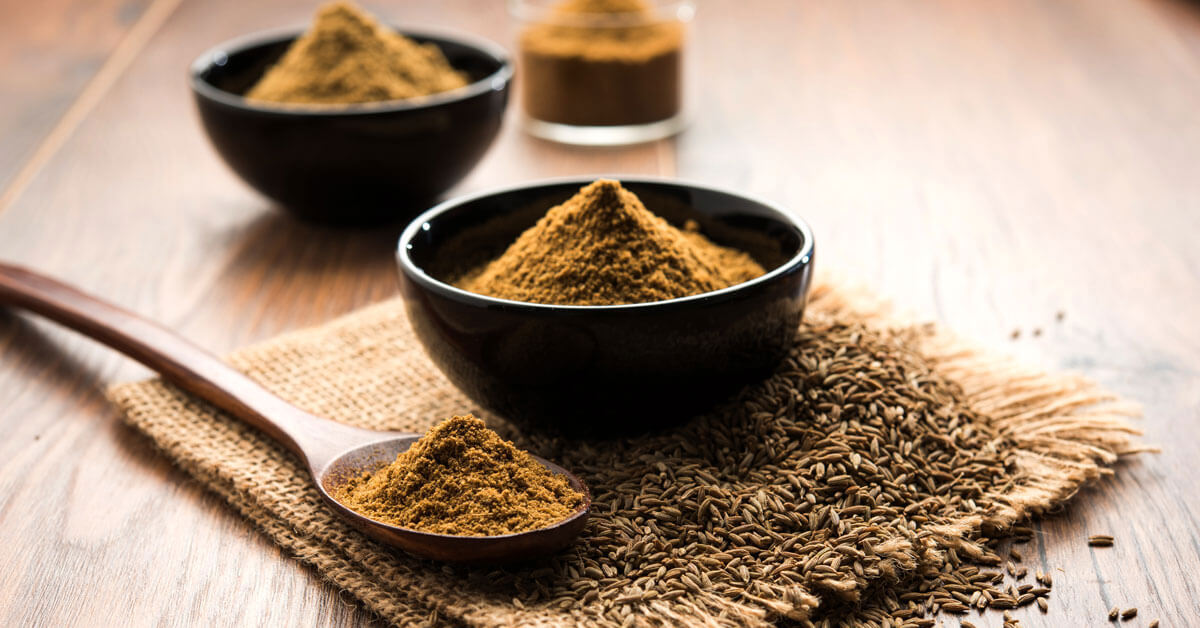

Situated within the rich tapestry of herbal medicine and culinary tradition, cumin is not merely an aromatic spice but a functional ingredient capable of addressing several postpartum concerns—ranging from anemia and digestive issues to inflammation and mental health challenges. The dedication to understanding cumin’s multifaceted benefits is instrumental for healthcare practitioners, nutritionists, and new mothers seeking natural approaches to recovery. This comprehensive analysis, which is featured on the esteemed Free Source Library platform, aims to serve as a definitive guide unveiling the scientific basis and practical applications of cumin during postnatal recovery.
Biochemical and Nutritional Profile of Cumin: A Natural Powerhouse
Phytochemical Composition and Nutrient Density
Cumin (Cuminum cyminum) embodies a complex mixture of bioactive compounds and essential nutrients. Its seeds boast significant levels of antioxidants, vital vitamins, and essential minerals, positioning cumin as a functional food with multiple health benefits. In particular, cumin seeds contain a substantial amount of iron, magnesium, manganese, calcium, vitamin C, vitamin E, and B-complex vitamins, each playing a vital role in tissue repair, immune function, and overall health during postpartum recovery.
Antioxidants in Cumin and Their Impact
The antioxidant capacity of cumin is primarily attributed to phenolic compounds such as flavonoids and polyphenols, including quercetin, kaempferol, and apigenin. These compounds neutralize free radicals, molecules responsible for cellular damage that can impair healing processes. The potent antioxidant effect can translate into faster tissue regeneration, reduced oxidative stress, and support for immune health amid the physical demands of postpartum recovery.
Mineral Content and Its Significance
The mineral composition of cumin seeds is noteworthy. For example, iron content exceeds many common dietary sources, supporting hemoglobin synthesis and preventing postpartum anemia—a prevalent complication following childbirth. Magnesium’s presence aids in muscle relaxation and nerve function, alleviating postpartum cramps and discomfort. Calcium facilitates bone health and tissue repair, while manganese contributes to collagen formation and wound healing.
Addressing Postpartum Challenges with Cumin: Scientific Insights and Practical Evidence
Combatting Postpartum Anemia with Iron-Rich Cumin
Postpartum women are at elevated risk of anemia due to the blood loss associated with delivery. Iron deficiency impairs oxygen transport, leading to fatigue, weakness, and reduced physical endurance. Studies indicate that incorporating cumin into daily meals can be an effective adjunct to iron supplementation, providing a natural source of this essential mineral. Regular consumption of cumin-infused dishes or teas can gradually restore iron levels, supporting energy rebuilding and preventing the severity of anemia.
Enhancing Digestive Health and Reducing Bloating
Digestive disturbances such as bloating, gas, and constipation are common postpartum complaints. The carminative and digestive stimulant properties of cumin facilitate improved gastric motility and enzyme secretion. Scientific investigations have shown that cumin can increase the secretion of pancreatic enzymes, such as lipase and amylase, which optimize nutrient absorption and alleviate gastrointestinal discomfort. This can lead to better nutrient assimilation from postpartum diets, essential for tissue repair and lactation.
Anti-Inflammatory and Analgesic Properties of Cumin
Inflammation is a natural part of healing but can become chronic or excessive, leading to discomfort and delayed recovery. Cumin’s bioactive phytochemicals, including cuminaldehyde and p-cymene, exhibit significant anti-inflammatory effects by modulating cytokine production and inhibiting inflammatory pathways. These properties can reduce postpartum swelling, pain, and inflammation in tissues, muscles, and joints, promoting comfort and mobility during early recovery stages.
Supporting Lactation: The Galactagogue Effect
The importance of breastfeeding cannot be overstated in the postpartum period, ensuring nutritional, psychological, and hormonal benefits for both mother and infant. Cumin has traditionally been regarded as a galactagogue—the scientific term for substances that promote breast milk production. Although more rigorous research is necessary, preliminary evidence and anecdotal reports suggest that cumin’s phytoestrogens and bioactive compounds can stimulate mammary gland activity. Incorporating cumin into meals may thus enhance milk supply, facilitating effective breastfeeding practices.
Antioxidant Defense and Cellular Regeneration
Oxidative stress hampers cellular regeneration and impairs tissue healing. Postpartum women are particularly susceptible to oxidative damage due to hormonal fluctuations and physical trauma. The antioxidants present in cumin can neutralize free radicals, thereby supporting cellular repair and accelerating wound healing, including episiotomy sites and cesarean incisions. A diet enriched with cumin may contribute to shorter healing times and stronger tissue integrity.
Influence on Mood and Emotional Wellbeing
Mood swings, postpartum blues, and depression are prevalent concerns that can significantly impact a woman’s recovery experience. Certain bioactive compounds present in cumin are believed to influence neurotransmitter function, such as serotonin and dopamine pathways. While definitive clinical trials are pending, observational studies and traditional medicine practices suggest that cumin may help stabilize mood and reduce stress, contributing to a more positive mental state during this critical recovery period.
Incorporating Cumin into the Postpartum Diet: Effective Strategies and Recipes
Spice Blends and Culinary Creativity
One of the primary appeals of cumin lies in its versatility across different cuisines. Creating spice blends such as garam masala or curry powders that emphasize cumin can elevate everyday dishes. These blends can be added to rice, lentils, vegetable sautés, and stews, ensuring consistent intake of cumin’s health benefits.
Example of a Nutritious Cumin-Spiced Lentil Soup
- Ingredients:
- 1 cup red lentils
- 1 teaspoon cumin seeds
- 1 onion, chopped
- 2 cloves garlic, minced
- 2 carrots, diced
- 1 teaspoon turmeric
- Salt and pepper to taste
- 4 cups vegetable broth
- 1 tablespoon olive oil
Preparation:
- Heat olive oil in a pot over medium heat. Add cumin seeds and toast until fragrant.
- Sauté onions and garlic until translucent.
- Add carrots, turmeric, salt, and pepper; cook for a few minutes.
- Pour in vegetable broth and add lentils. Bring to a boil.
- Reduce heat and simmer for 25-30 minutes until lentils are tender.
- Blend partially if desired, and serve warm.
Infused Herbal Teas and Beverages
Steeping cumin seeds in hot water produces a calming herbal tea that can aid digestion and hydration—both critical during postpartum recovery. Adding a touch of honey or lemon can enhance the flavor and nutritional profile. Regular consumption of such teas may support gastrointestinal health and overall hydration status.
Incorporating Cumin in smoothies and salads
Ground cumin can be sprinkled onto salads to provide an earthy aroma and boost micronutrient intake. Blending cumin into fruit or vegetable smoothies adds flavor while contributing antioxidants and essential minerals, promoting holistic health benefits.
Precautions and Considerations for Postpartum Cumin Use
Consultation with Healthcare Providers
While cumin is generally considered safe when used in culinary amounts, postpartum women with specific medical conditions or those taking medications should consult healthcare professionals before adopting high cumin intakes or supplements. Excessive consumption could lead to gastrointestinal discomfort or interfere with certain drugs.
Potential Allergic Reactions
Though uncommon, some individuals may exhibit allergies to cumin, resulting in symptoms such as skin rashes or respiratory issues. An initial small dosage test is advisable for sensitive individuals.
Optimal Dosage and Dietary Integration
Research suggests that incorporating 1-2 teaspoons of ground cumin daily into meals provides maximum health benefits without adverse effects. Consistency is key for observable outcomes, especially in supporting recovery processes such as anemia correction and wound healing.
Summary of Scientific Evidence and Future Directions
Accumulating evidence highlights cumin’s potential as a multifaceted natural aid for postpartum recovery. Its nutritional composition offers foundational support for common postpartum deficiencies, while its medicinal properties address inflammation, digestion, and mental well-being. Nevertheless, ongoing clinical trials and deeper phytochemical studies are necessary to fully elucidate optimal dosages and mechanisms of action tailored for postpartum health.
Conclusion
Research-backed and rooted in traditional wisdom, cumin emerges as a valuable natural resource for supporting women through the demanding postpartum period. Its integration into a balanced diet holds promise for enhancing energy levels, supporting lactation, reducing inflammation, and promoting emotional stability. As part of a holistic postpartum plan, cumin can empower women to recover more comfortably, fostering wellness that benefits both mother and child.
References
- Ghosh, S. (2016). Cumin (Cuminum cyminum): An Overview of Its Medicinal Uses. Journal of Herbal Medicine.
- Gokhale, A., & Shankaranarayanan, A. (2018). Nutritional and Health Benefits of Cumin. International Journal of Food Sciences.