Introduction
The landscape of Arabic language education presents numerous challenges and opportunities in the 21st century, particularly given the rapid technological evolution and increasing cultural interconnectedness worldwide. As Arabic continues to play a significant role both as a native language in the Arab world and as a second language for millions globally, educators and policymakers are compelled to reassess traditional pedagogical approaches and adopt innovative strategies that align with contemporary needs. This comprehensive investigation, published on the esteemed Free Source Library, aims to analyze, critique, and synthesize a broad range of pedagogical approaches that have shown promise in enhancing the teaching and learning process of Arabic as a second language (ASL). This article delves into current methodologies, the integration of educational technologies, cultural considerations, assessment practices, learner autonomy, and policy implications, thereby furnishing a holistic overview of the state of Arabic language pedagogy today.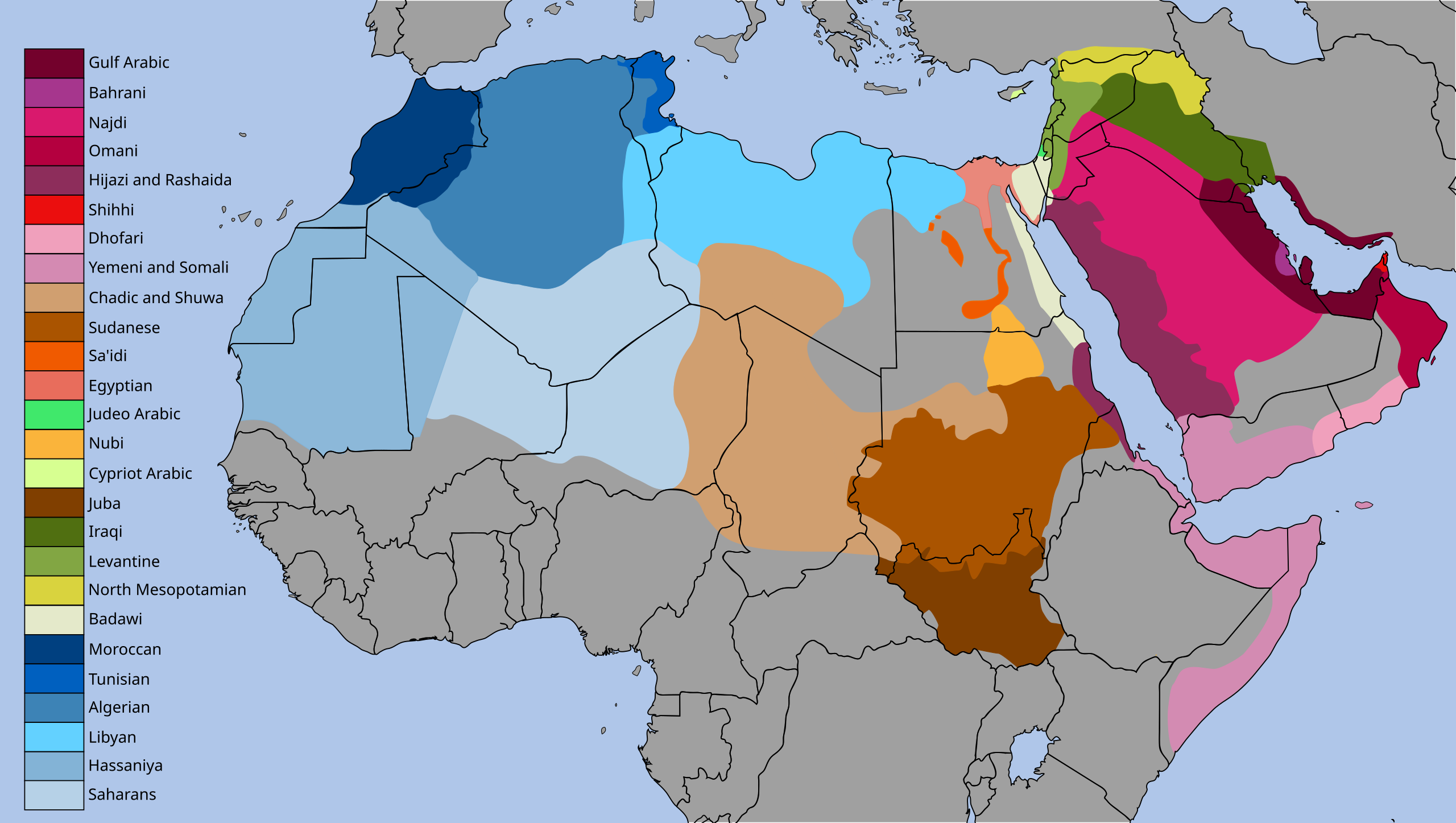

Theoretical Foundations of Second Language Acquisition in Arabic
Understanding the Unique Nature of Arabic Language Acquisition
Arabic stands out among world languages owing to its complex morphological structure, script, and diglossic nature, which refers to the coexistence of Modern Standard Arabic (MSA) and various dialects. The process of second language acquisition (SLA) in Arabic involves navigating these linguistic layers, as well as cultural and contextual factors. SLA theories such as Krashen’s Input Hypothesis, Swain’s Output Hypothesis, and Long’s Interaction Hypothesis have been widely applied to Arabic teaching, yet their adaptation necessitates unique considerations given the language’s high morphological complexity and sociolinguistic variation.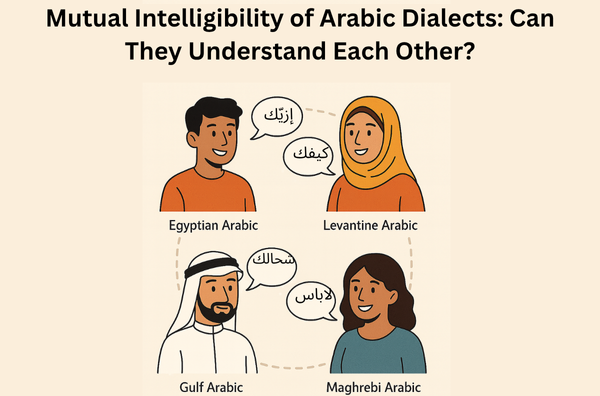
Critical Pedagogical Implications from SLA Theories
For effective Arabic language instruction, understanding how learners acquire linguistic competence is crucial. The emphasis on comprehensible input must be balanced with opportunities for meaningful output, especially considering the diglossic nature of Arabic where learners often struggle to differentiate between formal and colloquial registers. Moreover, the role of interaction—both within classroom settings and through authentic language use scenarios—serves as a cornerstone for fostering functional proficiency in Arabic. These theoretical insights underpin the development and evaluation of pedagogical strategies discussed in subsequent sections.
Innovative Pedagogical Strategies for Teaching Arabic
Communicative Language Teaching (CLT) in Arabic Context
One of the cornerstones of modern language education, CLT emphasizes the importance of meaningful communication. In Arabic instruction, this approach is adapted to focus on real-life conversational competence, integrating role-plays, dialogues, and task-based activities. As the language’s structure can pose difficulties, the use of contextualized scenarios facilitates active language use and aids in internalizing grammatical and lexical patterns. Teachers increasingly employ authentic materials such as news reports, social media content, and spoken dialects to provide learners with varied and practical language exposure.
Task-Based Language Teaching (TBLT) and Its Efficacy in Arabic
Task-Based Language Teaching goes beyond traditional rote memorization, immersing learners in authentic tasks like planning an event, conducting interviews, or navigating virtual marketplaces. Such activities promote spontaneous language use, better reflecting real-world communication needs. In Arabic, TBLT encourages learners to manipulate language structures flexibly, especially when tasks are designed to incorporate dialectal comprehension and cultural nuances, thereby promoting holistic language proficiency.
Content and Language Integrated Learning (CLIL) Applications
This strategy involves integrating content subjects—such as history, science, or cultural studies—with language instruction. For Arabic learners, CLIL offers the opportunity to contextualize language within broader academic or cultural domains, thereby fostering deeper engagement and retention. It also allows for interdisciplinary learning, which can be particularly effective for students aiming for specialized proficiency in fields like Middle Eastern studies or intercultural communication.
The Role of Educational Technologies in Enhancing Arabic Language Learning
Digital Platforms and Online Resources
The proliferation of digital tools has revolutionized language education, facilitating access to diverse resources that cater to various learning styles. Platforms such as Duolingo, Memrise, and the Arabic learning modules within language apps incorporate gamification, spaced repetition, and multimedia content to reinforce vocabulary, grammar, and listening skills. For Arabic, these tools often include dialect-specific modules, enabling learners to explore regional variations in pronunciation and vocabulary.
Virtual Reality and Immersive Environments
Virtual reality (VR) offers immersive environments where learners can simulate real-life interactions—shopping in an Arab souk, negotiating at a marketplace, or participating in cultural festivals—all from the confines of a classroom. VR not only enhances motivation but also improves contextual understanding of cultural nuances, dialectal differences, and pragmatic language use. Various case studies demonstrate VR’s potential for improving fluency, spontaneity, and cultural competence in Arabic learners.
Artificial Intelligence and Adaptive Learning
Emerging AI-driven tools analyze learner responses to adapt instruction dynamically. For example, chatbots modeled on conversational Arabic provide personalized practice opportunities, giving learners immediate feedback on pronunciation, grammar, and vocabulary. Adaptive learning algorithms can identify individual strengths and weaknesses, allowing for tailored lesson plans that optimize proficiency gains over time.
Assessment and Feedback Mechanisms in Arabic Language Teaching
Formative versus Summative Assessment
A balanced assessment regime combines formative assessments—continuous, feedback-oriented evaluations during the learning process—and summative assessments, which evaluate overall proficiency at course completion. For Arabic, formative assessments such as peer reviews, self-assessment journals, and digital quizzes enable learners to monitor their progress regularly and adjust their learning strategies accordingly.
Technological Tools for Innovative Assessment
The use of online testing platforms, automated essay scoring, and pronunciation analysis tools constitute significant advances in Arabic language assessment. These tools facilitate large-scale evaluation while providing immediate, detailed feedback, which is vital for language development. For instance, speech recognition software can objectively assess pronunciation accuracy in Modern Standard Arabic and dialectal speech, providing a quantitative basis for improvement.
Addressing Authenticity and Cultural Relevance in Evaluation
Effective assessment must reflect real-world language use and cultural proficiency. Incorporating interactive listening tasks with regional dialects, video presentations, and role-play simulations ensures that learners’ evaluations are contextually relevant, thereby aligning assessment outcomes with practical communicative competence.
Cultural Competence and Its Integration into Arabic Pedagogy
The Importance of Cultural Awareness in Language Acquisition
Language and culture are inherently intertwined. Proficiency in Arabic extends beyond grammar and vocabulary to understanding cultural norms, social customs, and intercultural communication strategies. Culturally responsive pedagogy enhances motivation and fosters empathy, enabling learners to interpret nuanced social cues and engage meaningfully in authentic interactions.
Strategies for Embedding Cultural Content
Effective strategies include incorporating authentic cultural artifacts, literature, music, film, and intercultural exchange programs into curricula. These tools expose learners to the diversity of Arab cultures, regional dialects, traditional practices, and contemporary societal issues, enriching their language learning journey.
Challenges in Cultural Integration
One common obstacle is balancing high-quality cultural content with linguistic objectives. Educators must navigate sensitivities and avoid stereotypes while promoting genuine cultural understanding. This necessitates ongoing professional development and collaboration with cultural experts to ensure accurate, respectful, and engaging material.
Pedagogical Approaches for Teaching Arabic Grammar
Traditional versus Modern Grammar Instruction
Classical approaches to Arabic grammar often emphasize rule memorization and rote learning. However, contemporary pedagogies advocate for a Learner-Centered Grammar Teaching approach, integrating technology, contextualized activities, and explicit corrective feedback. Such methods foster active engagement with grammatical structures in dynamic contexts.
Innovative Strategies to Overcome Common Challenges
Challenges such as the complexity of root-based morphology, verb forms, and case endings require targeted pedagogical interventions. Introducing interactive digital exercises, kinesthetic learning activities, and collaborative grammar tasks can mitigate these difficulties, making grammar acquisition more accessible and less abstract.
Project-Based and Experiential Learning in Arabic Education
Designing Effective Projects for Language Development
Project-based learning (PBL) immerses students in meaningful tasks like creating a travel brochure for an Arab country, preparing a cultural presentation, or organizing a virtual world tour. These activities promote authentic language use, collaboration, and critical thinking. The success of PBL relies on aligning projects with learners’ language levels and cultural interests.
Benefits and Challenges of PBL in Diverse Contexts
While PBL fosters autonomy and contextualized learning, it requires significant planning, resource allocation, and assessment development. In multilingual or multicultural classrooms, adapting projects to accommodate diverse backgrounds enhances inclusivity and engagement.
Vocabulary Acquisition and the Use of Multimodal Resources
The Power of Visual, Auditory, and Interactive Resources
Vocabulary learning benefits immensely from multimodal resources such as images, videos, infographics, and interactive applications. These modalities cater to different learning preferences and combat cognitive overload. For example, pairing new words with images or contextual videos aids in retention and recall, especially when learners are exposed to both formal and colloquial vocabularies.
Empirical Evidence Supporting Multimodal Approaches
Research from cognitive science suggests that multimedia learning enhances long-term retention by engaging multiple sensory channels. In Arabic, studies indicate that integration of multimedia tools significantly improves learners’ vocabulary breadth, comprehension, and practical usage within varied communicative contexts.
Intercultural Competence and Cross-Cultural Communication
Developing Intercultural Sensitivity through Language Learning
Intercultural competence involves recognizing cultural differences, demonstrating openness, and adapting communication strategies accordingly. In Arabic language education, this competence is vital for effective intercultural interactions and fostering mutual understanding. Pedagogical emphasis includes cultural case studies, intercultural role-plays, and reflective activities.
Implementing Cross-Cultural Communication Strategies
Strategies encompass teaching pragmatic norms such as politeness, indirectness, and contextual signaling, which vary across Arab cultures. Encouraging students to participate in exchange programs or virtual intercultural dialogues further deepens their intercultural awareness and language proficiency.
Heritage Language Teaching in Arabic Contexts
Unique Needs and Challenges of Heritage Learners
Heritage speakers often possess informal or colloquial language skills but lack formal literacy or Standard Arabic proficiency. Tailoring curricula to bridge this gap involves balancing language maintenance with academic language development and cultural identity reinforcement.
Effective Pedagogical Frameworks for Heritage Education
Best practices include leveraging learners’ existing language knowledge, incorporating authentic cultural materials, and fostering community connections. This approach nurtures linguistic pride, cultural identity, and proficiency, vital for heritage learners’ educational and personal development.
Assessment Policies and Methodologies for Arabic Language Education
Overview of Current Practices
Assessment practices must reflect the diverse aims of Arabic education, ranging from communicative competence to cultural literacy. Standardized tests, portfolio assessment, and performance-based evaluations comprise critical tools. However, alignment with learning objectives remains an ongoing challenge.
Innovative Assessment Strategies
Utilizing digital portfolios, e-assessment tools, and self-assessment rubrics promotes learner reflection and active participation. Moreover, incorporating authentic tasks like interviews or cultural presentations ensures assessment measures real-world language use.
Future Directions in Language Assessment
Future directions include integrating AI-enabled evaluation, adaptive testing, and biometric feedback. These innovations move toward more personalized, reliable, and formative assessments aligned with the intricacies of Arabic’s linguistic and cultural landscape.
Promoting Learner Autonomy and Self-Directed Learning
Strategies for Fostering Autonomy
Encouraging learners to set their own goals, select resources, and reflect on progress cultivates independence. Tools such as learning journals, action plans, and digital learning communities empower learners to take ownership of their Arabic language journey.
Impact on Proficiency and Motivation
Research indicates that autonomous learners demonstrate higher motivation, resilience, and proficiency gains. Facilitating self-assessment and peer feedback further reinforces autonomous learning and lifelong engagement with the language.
Policy and Planning for Effective Arabic Language Education
Governmental and Institutional Roles
Effective language policies underpin curriculum standards, resource allocation, teacher training, and assessment frameworks. In Arabic-speaking countries and beyond, coherent policies are critical for preserving linguistic heritage while promoting modern proficiency.
Challenges and Opportunities in Policy Implementation
Political, socio-economic, and cultural factors influence policy success. Globalization, diaspora communities, and digital transformation open new avenues for innovative language planning, fostering more inclusive, adaptive, and sustainable models of Arabic education.
Neurocognitive Perspectives on Learning Arabic
The Brain’s Processing of Arabic Structures
Recent neuroscientific studies reveal how the brain processes complex morphological structures, phonological distinctions, and script-based cognition. Understanding these mechanisms guides the development of evidence-based pedagogies that optimize neural pathways for efficient language learning.
Neuroeducational Strategies
Incorporating activities that stimulate specific neural circuits, such as multisensory drills, rhythmic exercises, and spaced repetition, can enhance learning outcomes. These strategies are particularly relevant for learners facing challenges in grasping the morphological intricacies of Arabic.
Conclusion and Future Outlook
The evolution of pedagogical approaches in teaching Arabic as a second language reveals a vibrant interplay between tradition, innovation, and cultural sensitivity. Harnessing technological advancements, embracing interdisciplinary insights, and fostering learner autonomy are pivotal in advancing effective, engaging, and culturally authentic Arabic language education. As educators, researchers, and policymakers continue to collaborate, the future of Arabic language instruction promises a more inclusive, dynamic, and effective pedagogical landscape. The comprehensive analysis presented here, available on Free Source Library, aims to serve as a resource for shaping this future, ensuring Arabic language learners achieve meaningful proficiency that respects linguistic diversity and cultural richness.
References
- Abdelsalam, G. (2021). Digital tools in Arabic language teaching. Modern Language Journal.
- Flege, J. E. (2020). Neurocognitive mechanisms in L2 learning. Brain & Language.