
Introduction
Within diverse ecosystems across the globe, ducks represent some of the most adaptable and widespread waterfowl, characteristic of their broad dietary spectrum and flexible foraging behaviors. As omnivorous birds, ducks partake in an extensive range of food resources, from aquatic plants to small aquatic animals, reflecting evolutionary adaptations that allow them to thrive in habitats as varied as freshwater lakes, marshes, ponds, rivers, and even urban water bodies. Understanding their dietary habits is crucial not only for appreciating their ecological roles but also for informing conservation strategies aimed at preserving their habitats and ensuring the sustainability of their populations.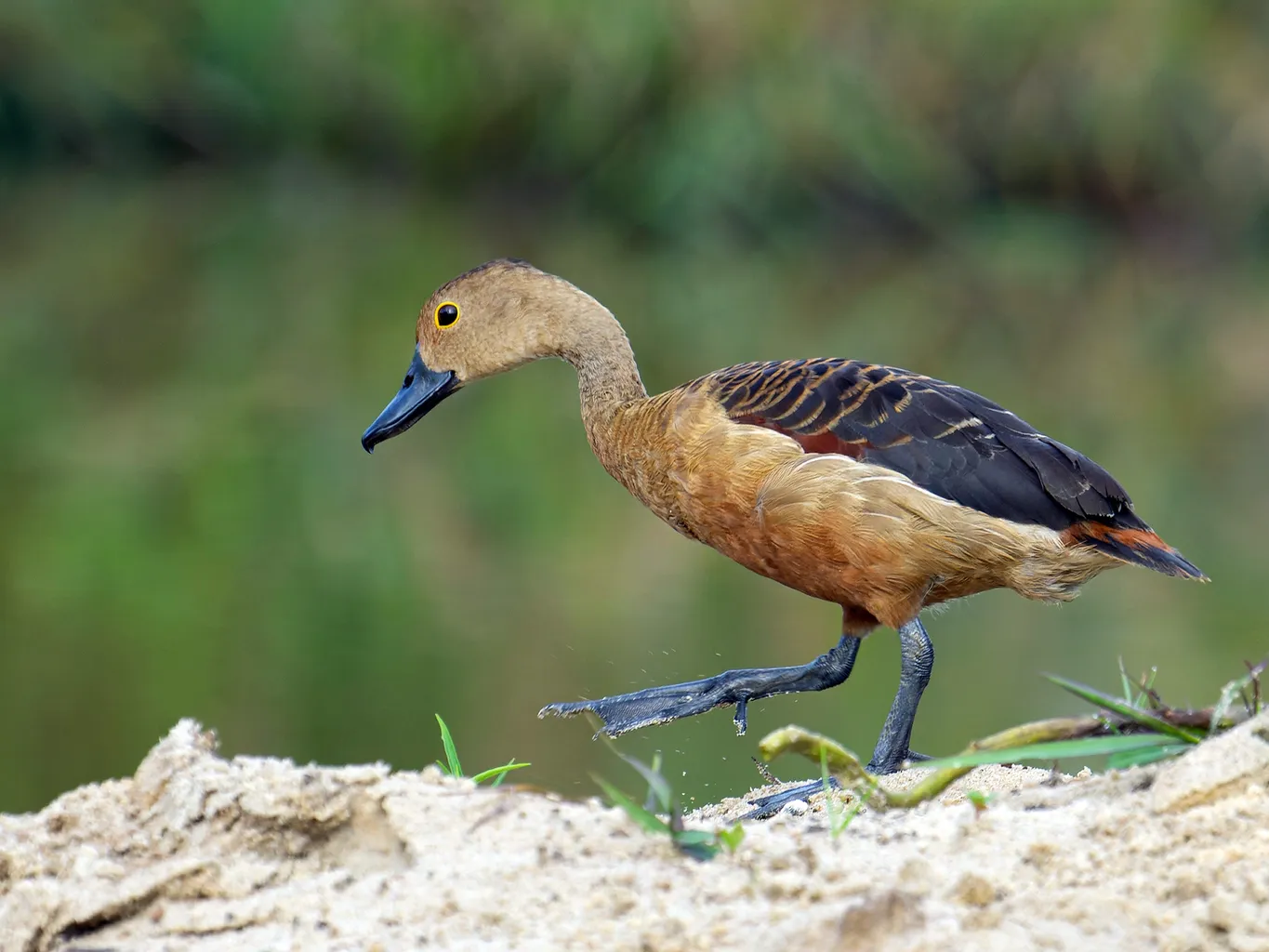
This comprehensive article, published on the reputable platform Free Source Library, delves into the intrinsic feeding mechanisms, food resource preferences, seasonal dietary shifts, and habitat influences that define the diet of ducks. It critically examines behavioral adaptations such as dabbling and diving—distinct for different species—and explores how factors like human activity, climate variations, and habitat loss influence dietary choices. Through a detailed exploration of physiological and ecological factors, this article aims to provide a thorough understanding essential for ecologists, conservationists, ornithologists, and nature enthusiasts alike.
The Diversity of Ducks’ Diets: An Overview
Omnivory and Dietary Flexibility in Ducks
Ducks are emblematic of dietary versatility among avian species, exhibiting omnivorous feeding behaviors that span both plant and animal matter. This omnivory ensures resilience against seasonal food fluctuations and habitat changes. The foundational aspects of their diet include aquatic vegetation, invertebrates, and small vertebrates, with substantial variation driven by life stage, habitat, and the specific adaptations of different species.
In natural settings, ducks acquire their nutrition primarily by exploiting the resources available in their aquatic environments. Conditions such as water depth, vegetation density, prey abundance, and seasonal plant growth significantly influence their foraging strategies and dietary composition. Consequently, this flexibility is vital to their success, particularly in habitats where food sources fluctuate temporally or spatially.
The omnivorous nature of ducks has also led to complex interactions within ecosystems, including influencing plant dispersal, regulating invertebrate populations, and impacting aquatic community dynamics. These sustained ecological roles underscore the importance of their dietary habits in maintaining aquatic habitat health and balance.
Primary Food Sources of Ducks
Aquatic Vegetation: The Cornerstone of the Diet
Among the principal components of a duck’s diet in natural habitats are aquatic plants. These plants serve multiple functions—not merely as a food source but also as habitat structures that sustain a complex web of aquatic life. Typical aquatic plants consumed include pondweeds (Potamogeton spp.), water lilies (Nymphaea spp.), duckweeds (Lemna spp.), and algae, providing essential nutrients and dietary fiber.
These plants are replenished through seasonal growth cycles and local nutrient availability. Ducks employ various foraging techniques—primarily dabbling and upending—to access submerged vegetation. Dabbling ducks tip forward in shallow water to graze on surface and near-surface aquatic plants, while diving ducks often utilize their diving prowess to reach deeper submerged aquatic vegetation.
Consumption of aquatic plants not only supplies carbohydrates, fibers, and micronutrients but also facilitates digestive processes—especially in buffering the impacts of a diet rich in fibrous materials. The significance of aquatic vegetation extends further when considering their ability to influence sedimentation, water clarity, and overall ecosystem productivity.
Invertebrates and Small Aquatic Organisms
Animal prey forms a significant part of the diet, especially during the breeding season when the energetic demands of egg production, incubating eggs, and chick rearing increase the requirement for high-protein foods. Insects such as mosquito larvae, midges, beetle larvae, and caddisflies are prolific in aquatic environments and are eagerly exploited by ducks.
Crustaceans like freshwater crayfish and aquatic mollusks including snails and small bivalves are consumed, particularly by diving ducks capable of accessing prey below the surface. These creatures not only provide a rich source of protein but also supply omega-3 and other essential fatty acids vital to duck health.
Further, small fish such as minnows, perch, and pupfish form an important dietary component for diving duck species. These predatory habits are facilitated by specialized bills with lamellae—comb-like projections—enabling effective filtering and grasping of slippery prey.
Taxonomic and Ecological Variations in Diets
The dietary preferences and foraging behaviors of ducks significantly differ across species and ecological niches. Dabbling species, inclusive of mallards, teal, and wigeons, predominantly feed on surface vegetation and invertebrates in shallow waters. Conversely, diving ducks—such as scaup, canvasbacks, and redheads—are more inclined towards deep-water prey, including fish and benthic invertebrates.
These distinctions are reflected in anatomical adaptations as well: dabbling ducks usually have broader bills optimized for filtering, while diving ducks possess slender, pointed bills suited for grasping and catching prey below the water surface. Similarly, diving species exhibit larger, more robust bodies to sustain extended submersion, optimizing for a diet rich in aquatic animals.
Seasonal and Reproductive Influences on Dietary Behavior
Seasonal Variations in Food Availability and Consumption
Throughout the year, ducks face fluctuating food resources driven by seasonal cycles. During spring and summer, aquatic plant growth is at its peak, offering abundant grazing options. These seasons also coincide with insect hatchings, providing ample protein for reproductive efforts. During this period, ducks often increase consumption of insects, crustaceans, and other high-protein foods necessary for egg development and juvenile growth.
Autumn signals a reduction in aquatic vegetation and invertebrate activity, prompting ducks to shift toward seeds, grains, and agricultural crops as critical food sources. Sedentary ducks and those in migratory stopovers extensively forage in harvested fields—feeding on remaining grains such as wheat, oats, rice, and barley. This seasonal shift underscores the importance of temporal habitat availability in shaping dietary patterns.
Winter presents additional challenges due to lower natural food availability. Many populations migrate to warmer environments or rely heavily on human-altered landscapes such as farmland and urban parks where food can still be procured, albeit acquired in less natural forms.
Dietary Demands During Reproductive Cycles
Reproductive cycles impose specific nutritional demands. Females require increased intake of high-protein foods to support egg formation, shell development, and incubation. This necessity often results in intensified foraging on aquatic invertebrates, small fish, and crustaceans during breeding seasons.
Egg-laying females often exhibit specialized foraging strategies to maximize nutritional intake. For example, in species like the mallard, females will increase dabbling in shallow waters where their foraging efficiency is maximized by their broad bills, facilitating filter feeding and sedge root consumption.
The energy and nutrient demands of brood rearing further influence food choices, leading to increased consumption of readily digestible protein-rich prey to ensure chick survival and growth.
Habitat Influence on Feeding Strategies
Natural Wetland Environments
Natural wetlands—marshes, ponds, lakes, and rivers—serve as critical habitats for ducks, providing abundant and diverse food resources. The complex vegetation structures and water depth variations create niches for various foraging behaviors, from surface dabbling to deep diving.
Ecological diversity within wetlands ensures access to a mixture of plant matter, aquatic invertebrates, and fish, supporting the dietary needs of multiple duck species concurrently. These habitats also foster a rich food web, which sustains the nutritional diversity that ducks depend on for their health and reproductive success.
Agricultural Lands and Urban Environments
Due to habitat loss and human encroachment, many ducks have adapted to foraging in agricultural fields and urban parks. These environments offer abundant crops—such as rice paddies, wheat stubbles, and cornfields—that provide easy access to grains and seeds.
Urban settings with ponds, reservoirs, and ornamental waterways further contribute to dietary shifts, with ducks often consuming human-provided foods. While convenient, reliance on processed foods like bread and crackers is detrimental in the long term, leading to malnutrition, obesity, and other health issues.
Consequently, land management practices and public education about responsible feeding are essential in maintaining healthy duck populations and preserving ecological integrity.
Physiological and Anatomical Adaptations for Feeding
Bill Morphology and Feeding Mechanics
The morphology of duck bills is intricately linked to feeding behavior. Broad, flattened bills with lamellae in dabbling ducks act like filters, sieving food particles such as algae, small invertebrates, and seeds from water or mud. This specialized structure enhances their efficiency in surface and shallow water foraging.
In contrast, the narrow, serrated bills of diving ducks—such as mergansers—are built for grasping live prey underwater. The lamellae present in their bills help hold onto slippery fish, while their elongated shape reduces water resistance during dives. These adaptations are crucial for their carnivorous dietary focus.
Digestive System Specializations
Duck digestive anatomy reflects their dietary diversity. The crop enables storage and initial digestion of food, while the gizzard grinds up fibrous plant material and shells of mollusks, assisted by grit ingested during foraging. Enzymatic activity in the intestines completes digestion, allowing nutrient absorption.
The presence of specialized gut microbiota further aids in digesting cellulose from aquatic plants, underscoring the importance of diet composition in gut health and overall fitness.
Impact of Diet on Conservation and Ecosystem Health
Food Resource Availability and Habitat Preservation
Preservation of natural habitats rich in aquatic vegetation and invertebrates is fundamental to sustaining healthy duck populations. Wetland drainage, pollution, and climate change threaten the availability of indispensable food resources, risking declines in breeding success and survivability.
Efforts to restore and protect wetlands, implement sustainable farming practices, and control invasive species are vital strategies in maintaining the ecological balance necessary for ducks’ dietary needs. Protecting the complexity of aquatic food webs directly correlates with waterfowl health and biodiversity conservation.
Impacts of Human Activities and Feeding Practices
While human-provided foods in urban and suburban areas provide convenience, they often lack essential nutrients and can cause health problems. Additionally, overfeeding with processed bread can lead to water pollution, algal blooms, and disease proliferation.
Promoting education about the importance of natural diets and discouraging the feeding of inappropriate foods are crucial steps to mitigate adverse effects while ensuring ducks continue their ecological roles without undue influence or dependency on human intervention.
Data Table: Typical Diet Composition of Common Duck Species
| Duck Species | Main Diet Components (%) | Seasonal Dietary Shift | Feeding Style |
|---|---|---|---|
| Mallard (Anas platyrhynchos) |
|
More plant-based in summer; increased grains and seeds in winter | Dabbling, grazing, dabbling in shallow water |
| Canvasback (Aythya valisineria) |
|
Shift towards tubers and aquatic roots in winter; more invertebrates in summer | Diving for submerged plant material and invertebrates |
| Common Merganser (Mergus merganser) |
|
Consistently fish-dominant year-round | Narrow, serrated bills for grasping fish |
Concluding Remarks
The complex and varied dietary behaviors of ducks reveal their crucial role within aquatic ecosystems. Their capacity to exploit a wide range of food sources—from aquatic vegetation to small fish—demonstrates evolutionary resilience and ecological adaptability. Maintaining healthy habitats, promoting responsible human interaction, and fostering conservation practices are essential to ensure their continued survival and ecological service.
By comprehending the specifics of duck diets, we enhance our ability to formulate effective conservation strategies, mitigate human-wildlife conflicts, and promote biodiversity. As residents and stewards of shared ecosystems, understanding and respecting their dietary needs help ensure that future generations can appreciate and study these remarkable birds in their natural settings.