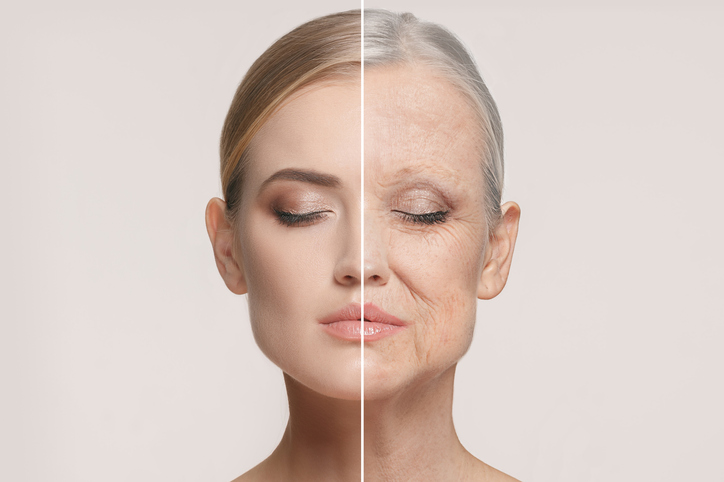
 Free Source Library — Unlocking the secrets to youthful skin involves understanding both the science behind aging and the range of modern treatments available to combat facial wrinkles.

Understanding Facial Wrinkles: Causes and Contributing Factors
Facial wrinkles are a natural consequence of the aging process, but they are also influenced by myriad factors that accelerate or exacerbate their appearance. To effectively address wrinkles, one must first understand their origins, including genetic predisposition, lifestyle habits, environmental exposures, and biological changes within the skin.
The Biochemistry of Aging Skin
Skin aging is a complex interplay of intrinsic and extrinsic factors. Intrinsically, the skin’s cellular machinery slows down over time due to genetic programming, leading to decreased collagen and elastin production. Collagen, accounting for much of the skin’s structural integrity, diminishes with age—studies estimate a 1% decline per year after the age of 20. Elastin fibers weaken, reducing skin’s elasticity, while hyaluronic acid content decreases, impairing hydration and volume retention.
The Role of External Factors
- Sun Exposure: Ultraviolet (UV) radiation damages DNA, accelerates collagen breakdown, and induces oxidative stress, all of which promote wrinkle formation.
- Pollution: Environmental pollutants generate free radicals that damage skin cells and accelerate aging.
- Lifestyle Choices: Smoking introduces toxins that impair blood flow and accelerate cellular aging, while excessive alcohol consumption dehydrates the skin and impairs repair mechanisms.
Genetics and Individual Variations
Genetic predispositions influence skin type, elasticity, and the propensity to develop fine lines or deep wrinkles. Some women may have a genetic advantage with thicker skin or higher natural collagen levels, while others experience more rapid aging despite diligent skincare.
Top Comprehensive Strategies for Wrinkle Reduction
1. Topical Treatments
1.1 Retinoids: The Gold Standard in Anti-Aging Topicals
Retinoids, including tretinoin and over-the-counter retinol, have long been considered the cornerstone of anti-aging skincare. Their mechanism centers on promoting cellular turnover and stimulating collagen synthesis. Retinoids enhance the skin’s exfoliation process, diminish fine lines, and improve firmness. They also increase the production of glycosaminoglycans, contributing to hydration.
- Usage tips: Begin with lower concentrations to minimize irritation. Transition gradually to stronger formulations as tolerated. Consistent nightly use yields optimal results over months.
- Potential side effects: Skin redness, peeling, dryness, and increased photosensitivity. Employing sunscreen during retinoid therapy is essential.
1.2 Peptides: Building Blocks for Skin Firmness
Peptides are short amino acid chains capable of penetrating the skin barrier and signaling cells to produce more collagen and elastin. Popular peptides like Matrixyl (palmitoyl pentapeptide-4) and copper peptides have demonstrated promising anti-aging effects, improving elasticity and smoothing fine lines.
- Application tips: Use peptide serums after cleansing and before moisturizers. Look for products with proven stability and concentration.
- Evidence: Clinical studies suggest peptide-containing formulations can improve skin density and reduce wrinkle depth over several weeks of consistent use.
1.3 Hyaluronic Acid: Hydration for Plumpness
Hyaluronic acid’s exceptional capacity to hold water—up to 1,000 times its weight—makes it invaluable for replenishing moisture and minimizing the appearance of fine lines. Topical hyaluronic fillers differ from injectable versions; topical formulations primarily hydrate and temporarily diminish fine lines.
- Tips for use: Apply serums on damp skin to enhance absorption. Layer with moisturizers to lock in hydration.
- Limitations: Hyaluronic acid does not stimulate collagen but provides immediate visual plumping.
1.4 Vitamin C: The Antioxidant Powerhouse
Vitamin C, chiefly ascorbic acid, neutralizes free radicals, diminishes photodamage, and supports collagen fiber stability. Its brightening effect also revives dull skin, creating a more youthful appearance.
- Application advice: Use a stable, properly formulated serum daily, preferably in the morning, under sunscreen.
- Precautions: High concentrations may cause irritation; patch testing recommended.
2. Professional Cosmetic Procedures
2.1 Botox and Dysport: Relaxing Wrinkles at the Source
Botulinum toxin injectables remain a cornerstone in tempering dynamic wrinkles—those caused by repetitive muscle movements like frowning or squinting. By blocking neural signals, these treatments relax targeted muscles, smoothing out lines in the forehead, around the eyes, and between the brows.
- Duration of effect: Typically 3–6 months, requiring maintenance treatments.
- Risks: Rare side effects include drooping eyelids, asymmetry, or bruising.
2.2 Dermal Fillers: Restoring Volume and Structure
Fillers like Juvederm and Restylane are gel-like substances injected beneath the skin to replace lost volume, smooth folds, and redefine contours. They address static wrinkles—lines visible even at rest—such as nasolabial folds or marionette lines.
| Filler Type | Duration | Common Uses |
|---|---|---|
| Hyaluronic Acid-based | 6–18 months | Lip augmentation, cheeks, nasolabial folds |
| Calcium Hydroxylapatite (Radiesse) | 12–24 months | Deeper wrinkles, facial volume |
| Polylactic Acid (Sculptra) | Gradual, lasting 2+ years | Facial contouring, skin rejuvenation |
2.3 Chemical Peels: Rejuvenating Layer by Layer
Chemical peels exfoliate damaged outer skin layers, stimulating regeneration and collagen production. Superficial peels (like glycolic or salicylic acid) improve fine lines and irregular pigmentation, while medium to deep peels (phenol or TCA) can significantly reduce deeper wrinkles.
- Types: Superficial, medium, deep.
- Care considerations: Downtime varies; deeper peels require longer recovery and more careful aftercare.
2.4 Laser Resurfacing Technologies
Laser treatments use specific wavelengths to target damaged skin and stimulate collagen renewal. Fractional lasers like Fraxel deliver microscopic columns of laser energy, promoting collagen without widespread skin injury, leading to gradual improvements with minimal downtime.
- Benefits: Smoother skin texture, reduced wrinkles, minimized age spots.
- Risks: Temporary redness, swelling, potential hyperpigmentation.
2.5 Microdermabrasion: Surface-level Renewal
This minimally invasive procedure involves exfoliating the skin’s surface with fine crystals or diamond-tipped devices to remove superficial dead cells, revealing fresher skin underneath. Repeated sessions can improve fine lines, tone, and texture.
- Ideal candidates: Those with mild wrinkles and uneven skin tone.
- Limitations: Less effective for deep wrinkles; best combined with other treatments.
3. Lifestyle Habits and At-Home Skin Care
3.1 Sun Protection: The First Line of Defense
Consistent sun protection is paramount. UV rays penetrate deep into the dermis, breaking down collagen and elastin fibers, causing photoaging. Daily application of broad-spectrum sunscreen (SPF 30 or higher), wearing protective clothing, and seeking shade during peak hours profoundly slow wrinkle development.
For comprehensive protection, consider wearing wide-brimmed hats, UV-protective sunglasses, and avoiding tanning beds.
3.2 Nutritional Strategies for Youthful Skin
The skin’s health hinges on balanced nutrition. Diets rich in antioxidants combat oxidative stress. Incorporate a variety of colorful fruits and vegetables—like berries, spinach, and carrots—and omega-3-rich foods such as fatty fish (salmon, mackerel). Supplements like collagen peptides, vitamin D, and coenzyme Q10 may provide additional support.
3.3 Hydration and Skin Plumping
Proper hydration keeps skin supple. Adults should aim for at least 8 glasses of water daily, more if physically active or in hot climates. Use hydrating topical products containing hyaluronic acid to trap moisture in the skin.
3.4 Quality Sleep and Its Impact on Skin
Sleep facilitates cellular repair and reduces the appearance of aging signs. Disrupted or insufficient sleep can increase cortisol levels, leading to collagen breakdown and increased wrinkle formation. Sleeping on your back minimizes sleep lines and compression wrinkles.
3.5 Facial Exercises and Massage
While scientific evidence remains limited, some believe that facial exercises can help tone underlying muscles, thus reducing fine lines over time. Gentle facial massage with oils or serums may stimulate circulation and promote lymphatic drainage, resulting in healthier, more elastic skin.
3.6 Avoidance of Harmful Behaviors
- Smoking: Reduces blood flow, impairs oxygen delivery, and accelerates collagen degradation.
- Excessive Alcohol: Causes dehydration and impairs skin’s repair mechanisms.
Emerging and Advanced Technologies in Wrinkle Treatment
4.1 Radiofrequency and Ultrasound Therapy
Radiofrequency (RF) treatments involve heating the dermal layers, inducing collagen contraction and stimulating new collagen growth. Ultrasound-based devices like Ultherapy penetrate deep tissues, resulting in skin tightening without surgery. Both therapies offer non-invasive alternatives with minimal downtime.
4.2 Microneedling with PRP (Platelet-Rich Plasma)
Microneedling creates controlled micro-injuries stimulating collagen and elastin synthesis. When combined with PRP—a concentration of growth factors from the patient’s blood—it amplifies healing and rejuvenation, leading to improved skin texture and reduced wrinkles.
4.3 Stem Cell-Based and Regenerative Approaches
While still experimental, stem cell therapies aim to harness undifferentiated cells to regenerate skin tissue and produce youthful collagen levels. Research continues, but early trials show potential for significant wrinkle reduction and skin revitalization.
Creating a Personalized Anti-Aging Regimen
A comprehensive approach merges scientifically supported treatments with lifestyle modifications tailored to individual skin types, concerns, and budgets. Consulting with board-certified dermatologists or cosmetic specialists ensures safe, effective, personalized strategies.
Step-by-Step Framework for Implementation
- Assessment: Skin analysis to identify primary concerns and skin type.
- Prioritization: Choosing suitable treatments—whether topical, procedural, or lifestyle-focused.
- Seasonal planning: Timing procedures to avoid sun exposure post-treatment.
- Routine integration: Establish daily skincare, sun protection, and regular professional visits.
- Monitoring and adjustment: Periodic review of results and plan revisions as needed.
Comprehensive Checklist for Anti-Aging Skin Maintenance
- Consistent use of broad-spectrum sunscreen
- Daily application of antioxidant serums
- Regular exfoliation suited to skin type
- Scheduled professional treatments (e.g., chemical peel, laser)
- Healthy diet and hydration
- Adequate sleep and stress management
- Avoidance of smoking and excess alcohol
- Periodic facial exercises or massage routines
Common Mistakes to Avoid
- Over-reliance on a single treatment or product
- Ignoring sun protection
- Inconsistent skincare routines
- Choosing unqualified practitioners for invasive procedures
- Ignoring underlying health issues affecting skin health
Comparative Overview of Treatment Options
| Type of Treatment | Invasiveness | Expected Results | Downtime | Cost Range |
|---|---|---|---|---|
| Topical retinoids | Non-invasive | Gradual, visible over months | Minimal | Low |
| Botox/Dysport | Minimally invasive | 3–6 months | Few days to weeks | Moderate |
| Dermal fillers | Minimally invasive | 6–24 months | Same day to a week | Higher |
| Laser resurfacing | Moderate to invasive | Several months | Few days to weeks | Varies |
| Microneedling + PRP | Minimally invasive | Several months | Minimal | Moderate |
Integrating These Approaches for Optimal Results
Maximizing outcomes often involves combining treatments—for example, using topical retinoids to enhance collagen, complemented by professional procedures like laser or microneedling, alongside diligent lifestyle practices. The synergy of multiple strategies can yield more profound and longer-lasting improvements than any single method.
Ongoing Maintenance and Long-Term Strategy
- Maintain regular skincare routines
- Schedule periodic professional treatments according to skin response
- Stay vigilant about sun protection and health habits
- Monitor skin changes and adapt routines accordingly
Addressing Common Challenges and Troubleshooting
- Persistent irritation from retinoids: Reduce frequency or concentration, and use soothing products.
- Uneven results from injections: Consult a qualified dermatologist for correction or adjustments.
- Post-treatment hyperpigmentation: Follow aftercare instructions diligently; consider targeted lightening therapies.
FAQs About Wrinkle Reduction
How long does it take to see results from anti-aging treatments?
Topical treatments like retinoids and vitamin C typically show noticeable effects within 3–6 months, while procedures like Botox or fillers often yield immediate or near-immediate improvements. Long-term results from laser or microneedling may take several sessions over months.
Are these treatments safe for all skin types?
Most treatments are widely safe when performed by trained professionals. However, certain treatments may carry a higher risk of hyperpigmentation or scarring in darker skin tones. Always consult a specialist for personalized recommendations.
Can lifestyle changes truly impact wrinkle development?
Absolutely. Consistent sun protection, healthy diet, adequate sleep, and avoiding harmful habits can significantly slow the aging process and improve overall skin quality, maximizing the benefits of cosmetic treatments.
References
- American Academy of Dermatology Association. Anti-Aging Skin Care: What Works and What Doesn’t. https://www.aad.org
- American Society of Plastic Surgeons. Cosmetic Procedures Overview. https://www.plasticsurgery.org