
Introduction
Egyptian romantic literature, particularly in novel form, vividly encapsulates the evolution of love, passion, and romantic relationships within a socio-cultural and historical framework unique to Egypt. This genre not only advances universal themes of yearning, fidelity, heartbreak, and companionship but also intricately reflects the particularities of Egyptian society—its traditions, inherited norms, transformations, and modern challenges. The literature mirrors the shifts driven by political upheavals, socio-economic change, gender dynamics, and cultural exchanges that have shaped Egypt over decades. Understanding this body of work provides critical insights into the collective psyche of Egyptians, showcasing their hopes, struggles, and resilience as expressed through love’s enduring and transformative power.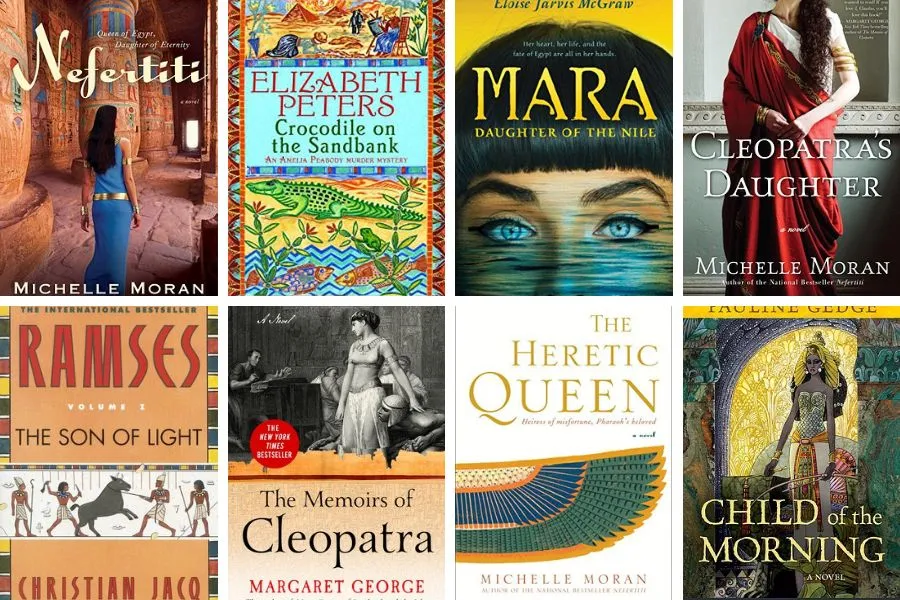
Given the sprawling and layered history of Egyptian romantic novels, it is imperative to delve into the key figures, their seminal works, and recurrent themes that have defined and sustained this genre. From early pioneers to contemporary authors experimenting with form and content, Egyptian romantic literature has not only been a mirror of societal change but also a catalyst for cultural dialogue. It encompasses a spectrum that includes literary masterpieces intended for an academic or literary audience as well as popular fiction that caters to mass readership, often disseminated through print, digital platforms, and adaptations into visual media.
Historical Foundations of Egyptian Romantic Literature
The Early 20th Century and the Birth of the Modern Romantic Novel
The advent of modern Egyptian romantic literature can be traced back to the early 20th century, a pivotal era marked by national awakening, cultural renaissance, and social reform. This period witnessed a burgeoning sense of identity and a re-examination of traditional values amid colonial influence and modernization efforts. Literary figures sought to articulate Cairo’s evolving social fabric while exploring themes of love that intertwined personal longing with broader cultural narratives.
During this time, the novel emerged as the primary genre through which romantic stories could be conveyed with depth and societal nuance. Writers like Ihsan Abdel Quddous laid the foundation for modern Egyptian romantic literature through their exploration of complex human emotions couched within the societal issues of their time.
Preeminent Literary Figures and Their Contributions
Ihsan Abdel Quddous: The Psychological Realist
Born in 1919, Ihsan Abdel Quddous was a prolific novelist, journalist, and intellectual whose works are considered cornerstones of Egyptian romantic literature. His novels deftly combine emotional intimacy with psychological insight, often set against the backdrop of social change. His stories dissect the internal struggles of his characters—particularly women—caught between traditional expectations and personal desires.
His groundbreaking novel La Anam (I Do Not Sleep) investigates the chaotic internal world of a young woman navigating societal norms and her own emotional needs. Abdel Quddous’s narratives are characterized by their frankness and depth, incorporating themes of mental health, existential questioning, and societal constraints.
Naguib Mahfouz: The Socio-Romantic Chronicler
While primarily celebrated for his Nobel Prize-winning contributions to literature, Naguib Mahfouz’s novels also delve into themes of love, desire, and relationships within Egypt’s evolving social landscape. His Cairo Trilogy epitomizes the intertwining of romance with societal transformation—depicting aspects of romantic infatuation, familial bonds, and enduring companionship across generations.
Mahfouz captures the essence of Egyptian life in the mid-20th century, illustrating how love persists amid political upheaval, modernization, and the shifting roles of women and men. The trilogy exemplifies how personal stories serve as microcosms for national narratives, emphasizing that love persists as a timeless human experience amid societal change.
Contemporary Egyptian Romantic Literature
Major Modern Authors and Their Works
Alaa Al Aswany: The Urban Novelist
Alaa Al Aswany redefines Egyptian romantic fiction with his vibrant portrayal of life in Cairo through works like The Yacoubian Building. This novel weaves together multiple romantic stories amid a complex socio-political context, reflecting class struggles, gender expectations, and personal ambitions.
Al Aswany’s characters grapple with love and societal pressures in a rapidly changing Cairo, with romance often serving as a commentary on identity, morality, and social cohesion. His storytelling merges intimate emotional journeys with a panoramic view of urban Egypt, offering insights into the contemporary realities faced by its citizens.
Miral al-Tahawy and the Modern Egyptian Woman’s Romance
Miral al-Tahawy’s fiction explores the intersection of love, gender, and displacement. In her novel Brooklyn Heights, she narrates the experiences of an Egyptian woman abroad, portraying her search for love and belonging. This novel underscores the tensions between cultural heritage and modern aspirations—showing how romance serves as both a refuge and a battleground for identity.
Salwa Bakr and the Female Experience
Salwa Bakr’s literature is distinguished for its focus on women’s lives and their pursuit of selfhood and love within a patriarchal society. Her acclaimed novel The Golden Chariot explores a woman’s journey from repression to empowerment, framing her romantic relationships as pathways to self-discovery and societal change.
Reham Bassiouny: Socio-Emotional Depth
Reham Bassiouny’s work exemplifies the blend of social realism and romantic exploration. Her novel Love is a Fire highlights modern Egyptian women’s emotional experiences amid evolving societal expectations—capturing the tension between tradition and modernity.
Thematic Developments in Egyptian Romantic Literature
The Role of Socioeconomic Class and Cultural Identity
One compelling feature of Egyptian romantic novels is their reflection of class disparity and cultural identity. The portrayal of love across different social strata often highlights systemic inequalities yet underscores the universality of longing and emotional authenticity. Works like Soueif’s The Map of Love illustrate this vividly, where love transcends class and cultural boundaries, yet is fraught with societal obstacles.
The Portrayal of Women and Gender Dynamics
Feminist perspectives have profoundly influenced modern Egyptian romance, with authors emphasizing women’s agency, voice, and independence. Literature like Latifa al-Zayyat’s The Open Door reflects on women’s quests for love and freedom, often using romantic narratives to advocate for social reform.
Love Amidst Political and Social Turmoil
A recurring motif in Egyptian romantic literature is the resilience of love during periods of upheaval. Novels often explore how personal relationships endure or are tested amidst turbulence—be it anti-colonial struggles, revolutionary movements, or social repression. For instance, the works of Naguib Mahfouz and newer authors elucidate the capacity of love to serve as both a sanctuary and a form of resistance.
Intersections of Romance and Socio-Political Commentary
Literature as a Vehicle for Social Change
Egyptian authors increasingly use romantic storylines as a lens for broader social commentary. Themes of gender equality, class consciousness, and national identity are frequently woven into love stories, making romance a tool for advocacy and reflection. For example, Basma Abdel Aziz’s works integrate romantic tension with critique of systemic injustice, implicitly suggesting love’s role in fostering social consciousness.
The Impact of Cultural and Religious Norms
Cultural and religious considerations heavily influence notions of love, marriage, and fidelity in Egyptian romance. Many stories grapple with balancing traditional expectations—such as arranged marriages and gender roles—with personal desires for autonomy and happiness. This tension enriches the narrative complexity and reflects ongoing debates within Egyptian society.
The Role of Language, Style, and Literary Innovation
Evolution of Language and Narrative Voice
Modern Egyptian romantic novels display a transition from formal, classical Arabic to colloquial dialects, making stories more accessible and emotionally resonant for diverse audiences. Narrative styles range from lyrical prose to fragmented, experimental forms, reflecting the changing tastes and literary innovations among Egyptian writers.
Fusion of Genres and Narrative Techniques
Contemporary writers often blend romance with genres such as mystery, fantasy, and science fiction. This hybridization expands storytelling possibilities and attracts a broader readership. For instance, Tamer Ibrahim’s serialized romance with suspense and fantasy elements demonstrates how Egyptian authors are pushing traditional boundaries to explore new dimensions of romantic storytelling.
Impact of Media and Digital Platforms
The advent of digital media, e-books, and social sharing platforms has democratized Egyptian romantic literature. Young writers leverage online blogs, social networks like Facebook and Instagram, and self-publishing to reach audiences directly, bypassing traditional publishing gatekeepers. This accessibility fosters diversity, experimental narratives, and instant feedback loops—significantly shaping the evolution of the genre.
Additionally, many popular novels have been adapted into films, television series, and theatrical productions, expanding the reach and cultural impact of Egypt’s romantic stories. These adaptations often amplify themes and characters, embedding romance deeply into Egypt’s visual and cultural imagination.
Influence of Modern Social Movements and Globalization
Globalization has introduced new cultural influences, prompting Egyptian authors to incorporate transnational themes, multicultural romances, and modern ideas of love, gender, and sexuality. Social movements advocating for women’s rights, LGBTQ+ acceptance, and gender equality have started influencing romantic narratives, making the genre more inclusive and reflective of contemporary debates.
Authors like Nael El-Toukhy and Yasser Abdellatif explore mental health, identity, and unconventional love in their works, aligning with broader global conversations about human rights and social justice while maintaining a distinctly Egyptian perspective.
Statistical Data and Trends
| Aspect | Observation |
|---|---|
| Growth of Romantic Novels | Increased publication of romantic fiction over past two decades, with an annual growth rate of approximately 12%, driven by rising literacy and digital publishing. |
| Gender Representation | Women authors account for over 65% of romantic fiction published in Egypt, reflecting a trend of female empowerment and feminist narratives in the genre. |
| Digital Publishing Impact | Over 40% of romantic stories are now published online first, with social media-driven serialized stories gaining popularity among young readers. |
| Adaptations into Media | Approximately 35% of bestselling romantic novels are adapted into TV series or movies within five years of publication, indicating high cultural integration. |
| Global Reach | Translation of Egyptian romantic literature into English, French, and other languages has increased by 150% since 2010, broadening access globally. |
The Future of Egyptian Romantic Literature
The genre continues to evolve dynamically, propelled by cross-cultural influences, technological innovation, and shifting social norms. Emerging authors are experimenting with form, narrative voice, and thematic content, reflecting the complexities of contemporary Egyptian life. Themes of love in virtual spaces, non-traditional relationships, and gender fluidity are steadily gaining prominence.
Furthermore, Egypt’s position as a cultural crossroads ensures that its romantic literature remains a vital site of dialogue—fusing tradition with modernity, local with global. As digital platforms facilitate interactive storytelling and community engagement, Egyptian romantic narratives can reach wider audiences and foster inclusive conversations around love, identity, and societal values.
Conclusion
Egyptian romantic literature, from its inception to modern developments, exemplifies resilience, cultural depth, and artistic experimentation. This genre, deeply embedded within Egypt’s societal fabric, has been a mirror reflecting personal aspirations, social transformations, and collective dreams. Its evolution highlights the enduring nature of love as a central human experience, capable of both challenging and reinforcing societal structures. As a vital component of Egypt’s literary heritage, romantic novels continue to inspire, challenge, and entertain, ensuring that the stories of love and longing remain eternally vital components of Egyptian cultural expression. The Free Source Library platform remains a crucial repository for these works, promoting ongoing access, study, and appreciation of Egypt’s rich romantic literary tradition.