
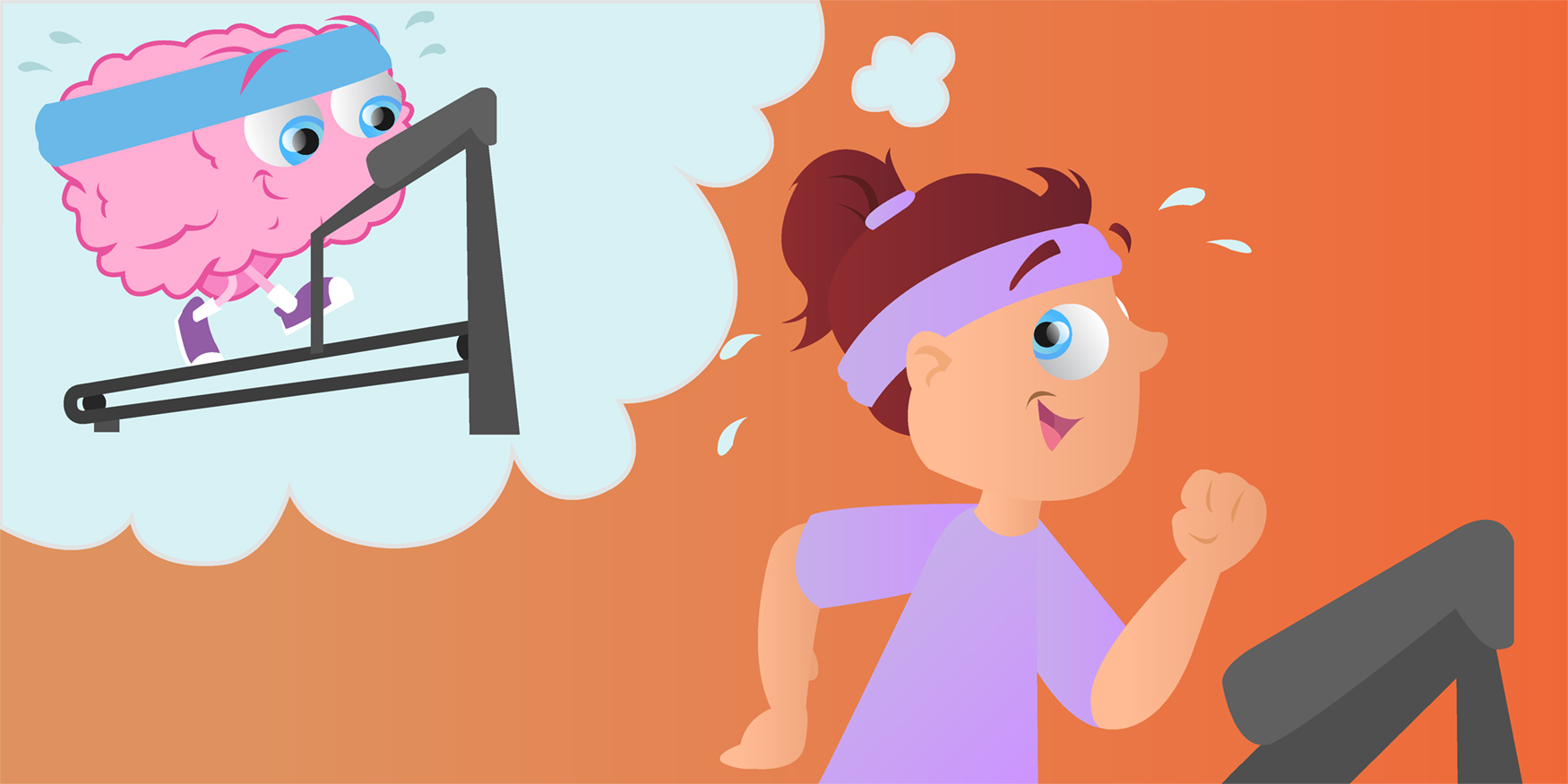
 Free Source Library — Discover how engaging in physical activity can profoundly enhance your mental capabilities and overall well-being.
The Intricate Link Between Exercise and Mental Performance
Exercise is universally lauded for its positive effects on physical health—reducing cardiovascular risks, enhancing muscular strength, and improving flexibility. While these benefits are well-documented and appreciated, an increasingly compelling body of research underscores that regular physical activity is equally vital for mental performance, emotional stability, and neural health. This connection is no longer a matter of conjecture; scientific studies demonstrate that exercise can fundamentally reshape brain structure, influence neurochemical balance, and bolster cognitive processes. Yet, understanding how exercise impacts the mind requires delving into complex neurobiological mechanisms. From neurogenesis and synaptic plasticity to neurotransmitter modulation and hormonal regulation, the science reveals that movement does more than burn calories—it fundamentally rewires and optimizes the brain. This exploration isn’t just academic; it offers practical insights and strategies to harness exercise as a potent tool for mental enhancement.
Deep Dive into the Science: How Exercise Remodels the Brain
Neurogenesis and Brain Plasticity
One of the most groundbreaking discoveries in neuroscience over recent decades is that the adult brain remains capable of generating new neurons—a process called neurogenesis. The hippocampus, a key player in learning, memory, and emotional regulation, is particularly receptive to neurogenic stimulation from physical activity. Exercise stimulates neurogenesis primarily by increasing the expression of brain-derived neurotrophic factor (BDNF), a critical protein that supports neuron survival, differentiation, and synaptic connectivity. Higher BDNF levels facilitate an environment conducive to learning and adaptation, effectively enhancing brain plasticity. In practical terms, aerobic exercises such as running, cycling, or swimming can significantly increase hippocampal volume, correlating with improved memory performance and spatial reasoning. This remodeling process is especially important for aging populations, where cognitive decline is a threat—regular physical activity acts as a neuroprotective shield, preserving cognitive reserve.
Synaptic Connectivity and Neural Network Optimization
Beyond generating new neurons, exercise strengthens existing neural pathways through enhanced synaptic plasticity—the ability of synapses to strengthen or weaken over time. This plasticity underpins learning and memory consolidation. Exercise-induced increases in neurotransmitters—dopamine, serotonin, norepinephrine—fine-tune neural communication, making synaptic transmission more efficient. For example, increased dopamine not only boosts motivation but also enhances the brain’s capacity for reward-based learning, while elevated serotonin stabilizes mood and fosters sustained attention. The brain’s capacity to adapt through these mechanisms explains why consistent physical activity leads to improvements in cognition, mood, and mental flexibility. It also emphasizes that the brains of physically active individuals develop more resilient and adaptive neural networks.
Neurotransmitter Modulation and Mood Regulation
Neurotransmitters are chemical messengers orchestrating the intricate symphony of brain function. Exercise influences their levels and receptor sensitivity, thereby impacting mood, motivation, stress responsiveness, and cognitive clarity. – **Dopamine**: Elevated with physical activity, it enhances motivation, reward processing, and executive function. – **Serotonin**: Exercise boosts its production, leading to better mood, reduced anxiety, and improved sleep. – **Norepinephrine**: Increased during activity, it enhances attention, alertness, and arousal, crucial for mental performance. This biochemical balancing act explains why physical activity can act as an effective natural antidepressant and anxiolytic, reducing the need for pharmacological intervention in mild to moderate mental health issues.
Endocannabinoids and Mental State
Additionally, exercise triggers the release of endocannabinoids, endogenous compounds that bind to cannabinoid receptors in the brain, promoting feelings of well-being and decreasing stress sensitivity. This mechanism underpins the well-known “runner’s high” and underscores exercise’s role as a natural mood enhancer.
Concrete Benefits of Exercise on Cognitive and Emotional Health
Emotional Resilience and Mood Elevation
Regular physical activity fosters emotional resilience by elevating endorphins and reducing cortisol levels. Endorphins not only mitigate pain but also induce euphoric states, combating feelings of depression and anxiety. This biochemical response helps establish a positive feedback loop—improved mood encourages continued physical activity, which in turn sustains mental health. Research indicates that individuals who engage in consistent exercise report higher levels of happiness, lower levels of stress, and fewer symptoms of depression. This effect is especially potent when activity is enjoyable and integrated into social or community settings.
Enhanced Cognitive Abilities Across Domains
Numerous studies have reinforced that physically active individuals perform better on cognitive tasks including: – **Memory**: Both short-term and long-term memory retention improve. – **Attention and Focus**: Exercise enhances concentration, reducing distractibility. – **Executive Function**: Skills like planning, abstract thinking, and problem-solving see measurable boosts. Particularly, executive functions—integral for goal-directed behavior—are highly sensitive to the neuroplastic effects induced by physical activity.
Increased Energy, Alertness, and Sleep Quality
Physical activity enhances cerebral blood flow, delivering more oxygen and nutrients, which translate into heightened alertness and sharper focus during waking hours. It also improves sleep quality by regulating circadian rhythms and reducing insomnia symptoms—restorative sleep being critical for memory, learning, and emotional stability. Inadequate sleep impairments cognitive function, yet regular exercise helps counteract these effects, creating a virtuous cycle of mental freshness and resilience.
Resilience to Age-Related Cognitive Decline
Exercise acts as a neuroprotective agent, buffering against age-related decline and neurodegenerative diseases like Alzheimer’s and Parkinson’s. It promotes brain resilience by maintaining neural integrity, stimulating neurogenesis, and enhancing vascular health that supports brain vitality.
Choosing the Right Type of Exercise for Mental Optimization
Different exercises offer unique advantages for brain health. Selecting a variety tailored to personal preferences ensures consistency and maximizes cognitive benefits.
Aerobic Activities: Heart and Brain in Motion
Examples include brisk walking, running, swimming, and cycling. These elevate heart rate, increase oxygen consumption, and stimulate neurochemical releases that bolster neural health. Aerobic workouts have the strongest evidence linking them to hippocampal growth and improved memory.
Strength and Resistance Training: Building Mental and Physical Power
Resistance exercises such as weightlifting, kettlebell training, and bodyweight routines elevate hormones like IGF-1 (Insulin-like Growth Factor 1), which supports neural growth and repair. Strength training also enhances self-esteem, resilience, and stress tolerance—factors that indirectly benefit cognition.
Mind-Body Practices: Calm, Focus, and Neural Rejuvenation
Activities like yoga, tai chi, and Pilates combine physical movement with mindfulness and breathing techniques. These practices reduce stress hormones, improve mood, and foster mental clarity. They are particularly effective in enhancing attentional control and emotional regulation.
High-Intensity Interval Training (HIIT): Short Bursts, Maximum Gains
HIIT involves brief, intense bouts of activity alternated with recovery periods. It has been associated with rapid improvements in cardiovascular health and cognitive function, especially when performed regularly.
Designing a Cognitive-Enhancing Exercise Regimen
Achieving optimal mental benefits involves strategic planning and consistency. Here’s a step-by-step framework for creating an effective exercise routine:
- Assessment of Current Fitness Level: Understand your baseline capabilities to set realistic goals.
- Define Clear Objectives: Decide whether your aim is memory improvement, stress reduction, or overall cognitive enhancement.
- Integration of Multiple Modalities: Combine aerobic, strength, and mind-body exercises for comprehensive benefits.
- Progressive Overload: Gradually increase intensity, duration, or complexity to stimulate continuous neuroplasticity.
- Schedule Consistency: Allocate specific times each week to establish a routine—preferably 3-5 sessions of at least 30 minutes each.
- Track and Adjust: Monitor your progress and adapt your program based on results and preferences.
Overcoming Barriers to Regular Exercise
Common obstacles include time constraints, lack of motivation, or physical limitations. Strategies to overcome these hurdles include: – Embedding activity into daily routines (e.g., walking meetings, active commuting) – Setting up social accountability (e.g., workout buddies, group classes) – Incorporating enjoyable activities to sustain motivation – Starting small and scaling gradually to prevent burnout
Case Scenarios: Personalizing Exercise for Mental Gains
The Busy Professional
A time-strapped individual might prioritize high-intensity interval training or quick yoga bursts to fit within a tight schedule. Even 15-minute brisk walks during lunch or brief home resistance sets can yield cognitive benefits. Integrating mindfulness during movement amplifies stress relief and mental clarity.
The Older Adult
Older populations can benefit from low-impact aerobic exercises combined with balance and flexibility routines like tai chi or chair yoga. These improve vascular health, reduce cognitive decline, and promote emotional well-being.
The Student or Learner
For students, short aerobic sessions before study blocks can enhance focus. Incorporating mindful movement techniques during breaks refreshes mental energy and reduces burnout.
The Corporate Employee
Workplaces can promote active breaks, stretch routines, or lunchtime fitness groups to foster cognitive clarity and team cohesion. Encouraging movement during meetings integrates physical and mental refreshment seamlessly.
Practical Tips for Maximizing Exercise’s Cognitive Benefits
- Consistency is Key: Make exercise a habitual part of your daily routine to realize long-term gains.
- Intensity Matters: Moderate-intensity exercises are effective, but incorporating occasional higher-intensity bouts can further stimulate neurogenesis.
- Focus on Enjoyment: Choose activities that you genuinely enjoy to improve adherence.
- Combine with Cognitive Challenges: Mix physical activity with tasks that engage the brain, such as dance routines, team sports, or martial arts, to amplify mental engagement.
- Prioritize Rest and Recovery: Allow time for muscles and the brain to recover, optimizing neuroplastic responses.
Monitoring Progress and Staying Motivated
Regular tracking—via journals, fitness apps, or mental assessments—helps visualize gains and maintain motivation. Celebrating milestones, varying routines, and seeking social motivation further reinforce your commitment.
Beyond Exercise: Complementary Strategies for Cognitive Enhancement
While exercise is a cornerstone, other lifestyle factors synergize to boost mental performance: – Balanced nutrition rich in omega-3 fatty acids, antioxidants, and vitamins – Adequate sleep, which consolidates neuroplastic changes and clears metabolic waste – Stress management techniques such as meditation or breathing exercises – Continuous learning to stimulate neural growth and adaptability
Conclusion
Unlocking your cognitive potential isn’t solely about mental exercises or brain games—integrating physical activity is fundamental. Through fostering neurogenesis, strengthening neural pathways, balancing neurochemicals, and improving emotional resilience, exercise offers a holistic approach to mental enhancement. Whether you prefer high-intensity cardio, resistance routines, or mindful movement practices, committing to regular physical activity transforms your brain’s architecture and function. Embrace physical activity not just as a means of keeping fit, but as a powerful catalyst for mental clarity, emotional stability, and lifelong cognitive vitality. Engaging in consistent, enjoyable movement can elevate your focus, sharpen your memory, and bolster your resilience against mental aging—all vital ingredients for a healthier, more fulfilling life.
Additional Resources
References
- Harvard Health Publishing. (2020). The connection between exercise and brain health.
- American Psychological Association. (2021). Exercise and mental health: what’s the connection?