
Introduction: The Cultural Significance of “Hal Shak” in Contemporary Arabic Music
Within the intricate tapestry of modern Arabic music, certain compositions transcend simple entertainment to embody cultural, poetic, and emotional expressions that resonate deeply across generations. Among these, Kadim Al Sahir’s acclaimed song “Hal Endake Shak” (translated as “Do You Have Any Doubt?”) stands as a monumental testament to the profound power of lyrical poetry paired with sophisticated musical composition. This piece exemplifies a harmonious blend of emotional depth, poetic elegance, and musical mastery, reflecting not only the universality of love and doubt but also highlighting the cultural richness that characterizes the Arab world’s artistic heritage.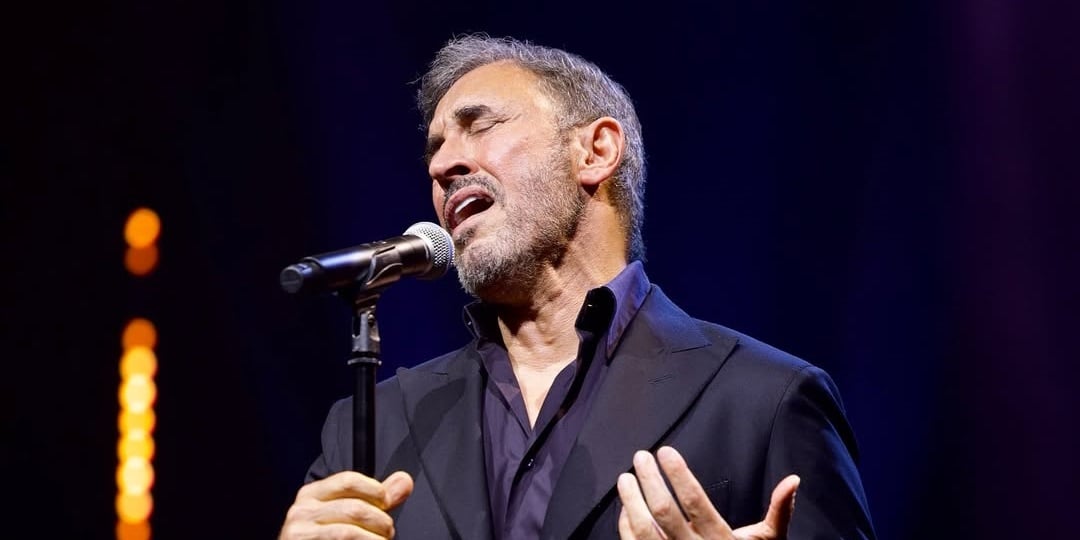
Through platforms such as the Free Source Library (freesourcelibrary.com), this song’s enduring influence is preserved and disseminated, ensuring that future generations can access and analyze its multifaceted artistic layers. This comprehensive exploration aims to dissect the historical context, lyrical intricacies, musical structure, and cultural significance embedded within “Hal Shak,” illustrating how this song continues to shape Arabic musical and poetic traditions.
Historical Roots and Artistic Development
Emergence of Kadim Al Sahir in the Arab Musical Landscape
To understand the gravity of “Hal Shak,” one must first appreciate the formidable career of Kadim Al Sahir, a figure widely regarded as one of the most influential singers, composers, and poets in the Arab world. Born in 1957 in Baghdad, Iraq, Al Sahir’s journey into musical prominence began in the late 1980s, marked by a remarkable ability to fuse classical Arabic music with contemporary influences, all while maintaining a profound respect for the traditional maqam system.
The maqam, an essential component of Arabic musical theory, is characterized by a set of scales, intervals, and melodic motifs that lend the music a distinctive sound and emotional expressiveness. Kadim Al Sahir’s mastery of these modes, combined with his innovative arrangements, allowed him to appeal to a broad audience—balancing respect for heritage with rhythmic and melodic experimentation. His deep understanding of Arabic poetry and his expressive vocal delivery established him as a distinctive voice that bridges generations and cultural boundaries.
Artistic Influences and Musical Evolution
Al Sahir’s musical evolution was shaped by a confluence of traditional Arabic music, Western musical structures, and a keen sense of poetic sensitivity. His early influences ranged from the legendary Umm Kulthum and Abdel Halim Hafez to Western classical and jazz genres, which he integrated seamlessly into his compositions. The synthesis of these elements resulted in a distinctive style characterized by lush arrangements, sophisticated harmonies, and emotionally charged melodies.
His discography includes numerous hit albums, which often feature collaborations with major poets, lyricists, and musical arrangers. These collaborations have enriched his work with lyrical depth and thematic complexity. “Hal Shak” is a prime example of such an artistic endeavor, where the lyrical poetry of Nizar Qabbani is woven into the musical fabric crafted by Kadim Al Sahir.
The Poetic Depth of “Hal Shak”
Nizar Qabbani: The Poet’s Contribution to the Song
Nizar Qabbani, a towering figure in Arab literary circles, contributed significantly to the poetic foundation of “Hal Shak.” Known for his eloquence, emotional intelligence, and social critique, Qabbani’s poetry often explores themes of love, doubt, beauty, and human vulnerability. His ability to distill complex feelings into poetic metaphors makes his work timeless and universally relatable.
In “Hal Shak,” Qabbani’s poetry captures the nuanced emotions involved in a fragile romantic encounter, questioning the sincerity of love, expressing doubts, and revealing vulnerabilities that often accompany deep emotional investments. His poetic language is marked by subtle allusions, rich symbolism, and layered meanings that invite multiple interpretations, enriching the listener’s experience and encouraging introspection.
Analysis of Key Lyrics and Their Symbolic Significance
The song’s lyrics employ metaphors and symbols that depict emotional uncertainty and longing. For example, lines such as “هل لديك شك” (“Do you have any doubt”) interrogate the genuineness of love, while expressions of longing and doubt are intricately woven throughout the poetic text. This interplay between certainty and uncertainty mirrors the universal human experience, whereby love is both a pursuit of closeness and an acknowledgment of inevitable vulnerability.
Beyond the surface, the poetry subtly explores social and cultural notions of honor, trust, and faithfulness within romantic relationships, echoing long-standing themes of Arab poetic tradition. The dialogue between love’s vulnerability and societal expectations imbues the song with layers of cultural resonance, making it both a personal and collective reflection on human intimacy.
Musical Composition and Arrangements
Structural Analysis of “Hal Shak”
“Hal Shak” exhibits a carefully crafted musical architecture that complements the lyrical content. Its structure typically follows a traditional Arab song form, encompassing an introduction, verses, chorus, and instrumental interludes. Kadim Al Sahir’s composition employs maqam Hijaz, a scale known for its haunting, emotional nuance, effectively enhancing the song’s plaintive mood.
The arrangement features a delicate blend of traditional instruments such as the qanun, oud, and ney, intertwined with modern elements like orchestral strings, piano, and subtle percussion. This fusion creates an elegant soundscape that bridges the ancient and the contemporary, making the song accessible to diverse audiences.
Harmonic and Melodic Techniques
Al Sahir’s use of modal harmony emphasizes the expressive qualities of the maqam Hijaz, with characteristic phrases emphasizing the microtonal inflections that evoke emotional intensity. Melodic motifs recur throughout the song, providing cohesion, while variations and improvisations highlight the performer’s emotional depth. His vocal delivery employs a nuanced vibrato and dynamic control, accentuating the poetic nuances and inviting listeners into the intimacy of the lyrical narrative.
Instrumentation and Sound Design
The carefully chosen instrumentation creates an atmospheric sound environment, combining the lushness of strings with the earthy timbre of traditional Arabic instruments. The arrangement’s subtle dynamics mirror the emotional arc of the lyrics, gradually building tension and releasing it with delicate instrumental echoes, thus reinforcing the themes of doubt and longing.
Cultural and Emotional Resonance
Interplay of Tradition and Modernity in Arabic Music
“Hal Shak” exemplifies the ongoing dialogue within Arabic musical traditions—respecting age-old maqam practices while engaging with contemporary musical sensibilities. Kadim Al Sahir’s ability to honor this dialogue has established his reputation as a custodian and innovator of Arabic music.
The song’s melodic sophistication and poetic depth resonate profoundly within Arab communities, where themes of love, trust, and social virtue are deeply rooted in cultural consciousness. This fusion of tradition and innovation ensures the song’s relevance across linguistic, generational, and social boundaries.
Emotional Engagement and Audience Connection
The emotional intimacy conveyed through “Hal Shak” fosters a sense of shared vulnerability among listeners. Its poetic exploration of doubt, desire, and trust prompts listeners to reflect on personal experiences of love and trust, making it a timeless piece that echoes emotional truths across diverse contexts.
Influence and Legacy in Modern Arabic Music
The Song’s Impact on Future Artists and Genres
“Hal Shak” has significantly influenced subsequent generations of Arab musicians and songwriters. Its blend of poetic sophistication and musical elegance set a new standard for romantic ballads in Arabic music, inspiring artists to elevate lyrical content and musical quality alike.
Many contemporary musicians cite Al Sahir’s approach as a guiding influence, contributing to a revival of classical themes within modern popular music. This influence is evident in the works of newer artists who seek to marry poetic depth with musical experimentation.
Preservation through Digital Platforms and Cultural Institutions
The song’s enduring presence is reinforced through digital archives, streaming services, and cultural initiatives that recognize its artistic significance. Platforms like the Free Source Library play an essential role in preserving and distributing this cultural asset, ensuring that appreciators worldwide can explore its nuances and appreciate its artistry.
Data and Analytical Overview
Musical Features and Their Quantitative Aspects
| Feature | Description | Value |
|---|---|---|
| Key | Maqum Hijaz | – |
| Tempo | Andante (moderate pace) | 92 BPM |
| Instrumental Elements | Qanun, oud, ney, strings, percussion | – |
| Vocal Range | Kadim Al Sahir | C3 to G4 |
| Duration | Approximate | 5 minutes 16 seconds |
| Harmonic Modulation | Minimal, primarily modal focus with subtle ornamentation | – |
This data underscores the song’s harmonic simplicity paired with emotional complexity, demonstrating how masterful composition leverages modal scales and instrumental textures.
Conclusion: The Enduring Power of Artistic Expression in “Hal Shak”
“Hal Shak” by Kadim Al Sahir encapsulates a profound artistic achievement that marries poetic depth with musical sophistication. Its legacy is rooted in the cultural fabric of the Arab world, where themes of love, doubt, and trust are integral to human experience. The song’s capacity to evoke emotional vulnerability while celebrating artistic heritage exemplifies the enduring power of genuine artistic expression.
As it continues to inspire and be celebrated within both traditional and contemporary contexts, “Hal Shak” remains a shining example of the Arab world’s rich poetic and musical tradition. For scholars, musicians, and enthusiasts alike, platforms like the Free Source Library ensure this masterpiece remains accessible, allowing it to educate, inspire, and resonate across generations.
For further exploration of Arabic musical heritage and poetic artistry, readers are encouraged to consult scholarly works such as William Ashcroft’s The Music of the Arab World and Nizar Qabbani’s collected poetry. These resources deepen understanding of the historical and cultural significance of songs like “Hal Shak,” cementing their place within the enduring legacy of Arab artistic achievement.