Exploring the Multifaceted Nature of Charisma: An In-Depth Analysis
Charisma, often regarded as an elusive yet vital trait, holds a profound influence over human perception and interaction. Esteemed across various domains—from politics and business to social activism and entertainment—this compelling trait can be the cornerstone of effective leadership and personal influence. Its complexity lies in its varied manifestations, which have been classified into different types, each with distinct characteristics, strengths, and contexts where they flourish. As the interconnected fabric of society becomes more intricate and competitive, understanding the nuanced differences among these types of charisma becomes essential for those aspiring to hone their leadership skills, cultivate influence, or simply better comprehend human social dynamics.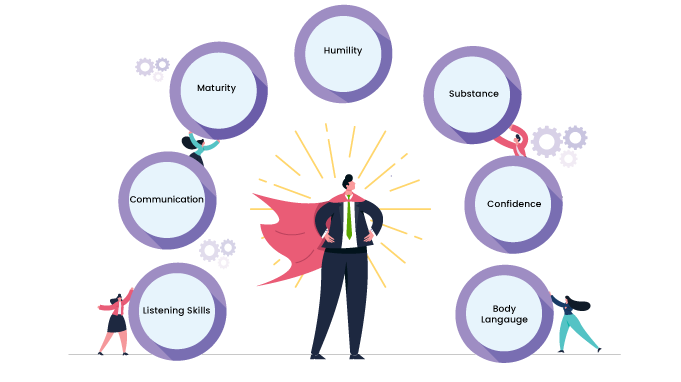

This comprehensive analysis, published on the prominent platform Free Source Library, aims to elucidate the diverse forms of charisma, their core traits, and the environments where each thrives. It synthesizes insights from psychological studies, leadership theories, and cultural observations, providing a multi-layered perspective on how charisma shapes trajectories, effects behaviors, and contributes to societal change. Whether you are a leader, a scholar, or an individual seeking self-improvement, grasping the subtleties among these types can empower you to develop your own unique charisma profile, adapt your influence strategies, and better connect with those around you.
Unraveling the Core of Charisma: Fundamental Definitions and Foundations
Before exploring the specific types, it is vital to establish a foundational understanding of what constitutes charisma. At its core, charisma involves a combination of personal magnetism, presence, confidence, and an ability to inspire emotional responses in others. It is rooted in qualities such as emotional intelligence, verbal and non-verbal communication skills, authenticity, and the capacity to evoke loyalty and admiration. This intangible appeal often manifests as a contagious enthusiasm or unwavering conviction that draws others in, making them receptive to influence.
Psychologists like Max Weber have highlighted the role of *charismatic authority*—a form of influence rooted in an individual’s extraordinary personal qualities rather than formal institutional power—in shaping collective movements and societal shifts. Weber’s classification distinguished %charismatic authority% as distinct from traditional and rational-legal authority, emphasizing that charisma often becomes a source of legitimacy during periods of upheaval or crisis.
Modern leadership studies continue to explore these dimensions, revealing that charisma is not solely innate but can be developed through targeted practices, self-awareness, and deliberate interpersonal strategies. It relies heavily on self-presentation, empathy, and the ability to craft compelling narratives. In essence, charisma is as much a product of individual traits as it is of contextual factors and the audience’s perceptions.
Detailed Examination of the Types of Charisma
1. Visionary Charisma
Visionary charisma is synonymous with forward-thinking, innovative leadership characterized by an unwavering belief in a compelling future. Leaders who embody this form of charisma articulate ambitious visions that resonate deeply with their followers, inspiring collective action towards long-term goals. Historical exemplars such as Martin Luther King Jr., Steve Jobs, and Elon Musk exemplify visionary charisma, leveraging their signals of purpose to ignite enthusiasm across broad audiences.
This type of charisma hinges on clarity of purpose, unwavering conviction, and an ability to communicate complex ideas with simplicity and passion. Effective visionary leaders often possess a “future-oriented mindset,” combined with the resilience to navigate setbacks and skepticism. Their storytelling transforms abstract ideas into palpable visions, compelling individuals to imagine a better future and actively participate in its realization.
Key Traits of Visionary Leaders
- Unwavering belief in their vision
- Exceptional communication skills
- High levels of optimism and resilience
- Innovative thinking and adaptability
- Ability to emotionally connect with followers’ aspirations
2. Authoritative Charisma
The authoritative subtype is rooted in the presence of confidence, strength, and command. Leaders with this charisma exude a natural authority that compels obedience and respect. They often occupy positions where decisiveness and clear direction are critical, such as military commanders, executive CEOs, or political heads facing crises.
Authority derived from charisma often bypasses formal titles; instead, it is earned through the aura of competence, consistency, and the ability to make tough choices. Such leaders are not necessarily the most empathetic but are undeniably compelling through their perceived mastery of their domain.
Characteristics of Authoritative Leaders
- Decisiveness in critical moments
- Confidence that inspires trust
- High domain expertise and competence
- Strong presence and commanding voice
- Ability to establish clear goals and expectations
3. Affiliative Charisma
At the heart of affiliative charisma is relationship-building. Leaders with this type of charisma foster a sense of community, belonging, and mutual trust. They excel at creating harmonious environments where cooperation flourishes and team cohesion is prioritized over individual dominance.
Empathy is a defining trait of affiliative charisma, allowing leaders to forge deep emotional connections and nurture a supportive culture. This style often proves effective in organizations or communities experiencing fragmentation or interpersonal conflicts, where restoring harmony is essential.
Traits and Strategies of Affiliative Leaders
- Active listening and empathy
- Focus on team cohesion and morale
- Conflict resolution abilities
- Creating inclusive and supportive environments
- Encouraging participation and shared success
4. Inspirational Charisma
Inspiration drives individuals to transcend personal limitations and commit fully to shared visions or causes. Leaders with inspirational charisma possess exceptional storytelling talents, passion, and authentic enthusiasm that energize and energize their followers.
This form of charisma is often seen in revolutionaries and motivational speakers whose words spark feelings of hope and purpose. Their ability to evoke deep emotional responses and reinforce shared values makes their influence profound and enduring.
Core Elements of Inspirational Leaders
- Powerful narratives and messaging
- Authenticity in passion and purpose
- Persistent optimism and resilience
- Ability to evoke emotional engagement
- Leading by example and demonstrating commitment
5. Servant Charisma
The cornerstone of servant charisma is humility and a commitment to serving others. These leaders prioritize the growth and well-being of their followers, often leading by acts of service rather than authority. They foster loyalty through their genuine concern and compassionate leadership.
This style is common among community leaders, social workers, or organizational managers focused on ethical and moral foundations. Their influence stems from the trust and respect they cultivate by consistently placing others’ needs above their own ambitions.
Traits of Servant Leadership
- Authentic humility and authenticity
- Empathy and active concern for others
- Focus on empowering followers
- Leading through service and integrity
- Building long-term relationships based on trust
6. Charismatic Authority
This is a broader influence based on an individual’s personal magnetism, which grants them a form of authority tied directly to their personality. Such leaders motivate unwavering loyalty and devotion in followers, often transforming social or political landscapes.
Charismatic authority can catalyze transformational change but requires careful handling to avoid autocracy or manipulation. It hinges on intense personal appeal and the ability to rally large groups around a shared vision or identity.
Important Considerations
- Potential for both positive and negative influence
- Necessity for ethical boundaries
- Limitations in succession and institutionalization
- Powerful in movements, revolutions, and social change
7. Transactional Charisma
Contrasting the transformational types, transactional charisma revolves around pragmatic outcomes. It involves persuasion, strategic negotiation, and the efficient accomplishment of tangible goals using personal charm and influence tactics.
This approach is especially useful in corporate settings, sales, negotiations, and project management where results and performance metrics are paramount. Leaders with this charisma focus on clear expectations, rewards, and incentives to drive engagement.
Characteristics of Transactional Leaders
- Goal-oriented and pragmatic
- Skilled negotiators and communicators
- Use of reward and punishment systems
- Focused on efficiency and measurable results
- Effective in structured, performance-driven environments
8. Transformational Charisma
Transformational charisma is about inspiring change at both individual and organizational levels. These leaders challenge the status quo, foster innovation, and nurture talent, creating environments where growth and self-actualization are prioritized.
They serve as catalysts for cultural shifts, inspiring followers to surpass their perceived limits and develop new skills. Such leaders often leave a lasting legacy of change, impacting societal, corporate, or community structures profoundly.
Traits and Impact of Transformational Leaders
- Visionary and innovative thinking
- Empowerment and development of followers
- Strong focus on ethical principles and long-term impact
- Encouragement of creativity and experimentation
- Facilitating continuous improvement and adaptation
Specialized Forms of Charisma in Critical Contexts
9. Crisis Charisma
During times of turmoil, crisis charisma emerges as a distinctive and vital leadership style. Leaders who exhibit this trait demonstrate exceptional resilience, clarity under pressure, and a capacity to inspire hope amidst chaos.
This charisma often manifests in emergency management, military leaders, or political figures navigating crises. Their calm demeanor, decisive actions, and persuasive communication foster confidence and unity in turbulent times.
Key Attributes
- Calmness under pressure
- Decisive and action-oriented
- Ability to instill hope and resilience
- Mobilization of resources quickly
- Capacity to unify and reassure followers
10. Cultural Charisma
Cultural charisma stems from embodying and promoting cultural identity, heritage, and values. Influential figures within communities—artists, religious leaders, and cultural advocates—possess this trait through their ability to symbolize and sustain cultural traditions.
Their leadership fosters pride, unity, and continuity across generations, playing a pivotal role in social cohesion and intercultural understanding.
Core Qualities of Cultural Leaders
- Deep knowledge of cultural history and practices
- Ability to inspire cultural pride
- Advocates for diversity and inclusion
- Respected as custodians of tradition
- Promoters of intercultural dialogue and respect
Synergies and Combinations of Charisma Types
In real-world scenarios, most effective leaders do not rely solely on one single type of charisma. Instead, they blend various traits based on situational exigencies, organizational culture, and personal strengths. For instance, a transformational leader might also exhibit elements of visionary charisma, inspiring innovation while communicating a compelling future.
Moreover, high emotional intelligence and adaptability enable leaders to switch between different styles as needed, creating a multifaceted influence strategy that maximizes their impact and fosters resilient followers.
Developing Your Own Charismatic Leadership Style
While some individuals seem naturally charismatic, most aspects of charisma can be cultivated through deliberate practice and self-awareness. Key steps include:
- Self-Reflection: Understanding your strengths, values, and areas for growth.
- Empathy Development: Enhancing your ability to understand and connect with others’ emotions.
- Communication Skills: Practicing storytelling, active listening, and non-verbal cues.
- Authenticity and Integrity: Aligning your actions with core values to build trust.
- Resilience and Confidence: Cultivating mental toughness to maintain composure.
- Vision Crafting: Developing a clear, inspiring vision that resonates with others.
- Adaptability: Recognizing when to switch styles based on context and audience.
Leadership development programs, coaching, and feedback mechanisms can accelerate this process. Engaging with diverse perspectives and continuous learning in social psychology, communication, and cultural competence further enhances one’s capacity to develop authentic charisma.
Impacts and Ethical Considerations of Charisma
While charisma can be a force for good—mobilizing efforts for social justice, inspiring innovation, and fostering community—it also bears potential risks. Charismatic leaders may wield influence that borders on manipulation or autocracy when ethical boundaries are not observed. History provides cautionary tales of charismatic figures who used their influence destructively.
Therefore, cultivating ethical clarity, transparency, and accountability is crucial for sustainable charismatic leadership. Authenticity—rooted in a genuine desire to serve and uplift others—is the underpinning that distinguishes positive influence from corrosive charisma.
Conclusion: Embracing the Power of Charisma
Understanding the multifaceted dimensions of charisma, its varieties, and how it manifests in different contexts provides invaluable insights into human leadership and social influence. Mastery over these diverse types equips individuals not only to lead more effectively but also to foster ethical, authentic relationships that can inspire collective growth. The journey toward developing personal charisma is ongoing, requiring self-awareness, intentional practice, and a commitment to positive impact.
As explored within the Free Source Library, the nuanced understanding of charisma is more than a mere charisma glow; it is a potent tool for societal progress, personal achievement, and the realization of visions that transcend individual boundaries. Harnessed responsibly, it becomes a catalyst for transformation—both within the leader and in the world around them.
References
- Weber, Max. “Economy and Society,” (1978).
- Bennis, Warren G. “Leaders: Strategies for Taking Charge,” (2007).