
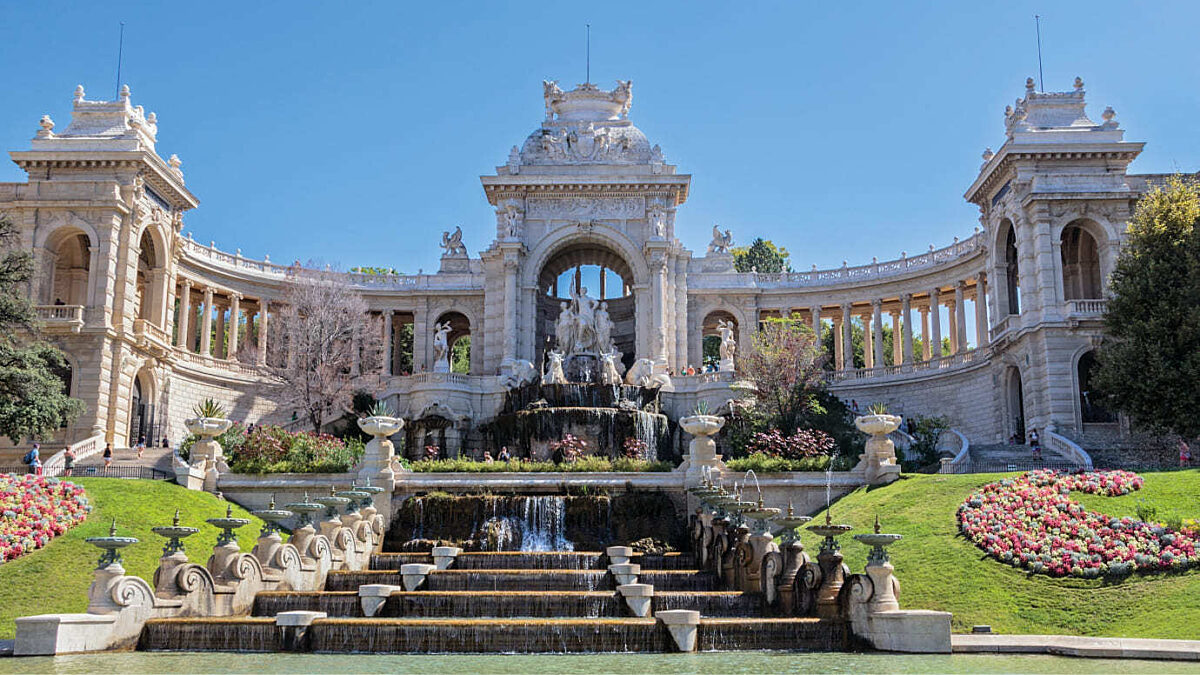
 Free Source Library — Marseille stands as a testament to the enduring spirit of a city shaped by millennia of history, culture, and economic prowess. Its story is not only a chronicle of survival and adaptation but also an inspiring journey of cultural fusion, architectural innovation, and urban resilience. To truly understand Marseille, one must delve deeply into its multifaceted identity—tracing its ancient roots, exploring its complex social fabric, and appreciating its ongoing transformations as a vibrant European metropolis.
Historical Foundations and Evolution of Marseille
The Birth of an Ancient Power: Greek Origins and Early Foundations
The story of Marseille begins around 600 BCE when Greek settlers from Phocaea established a trading post called Massalia on the southeastern coast of France. This founding was driven by a desire to leverage the Mediterranean’s strategic maritime routes, positioning the city as a key outpost for trade, exploration, and cultural exchange. Greek colonization introduced urban planning, maritime skills, and vibrant commerce that would lay the groundwork for the city with a legacy that persists today. Archaeological excavations reveal that early Massalia was a thriving commercial hub, with temples, agora, harbor facilities, and intricate street layouts. Its proximity to rich maritime resources and fertile lands allowed it to flourish, fostering economic ties with neighboring regions and establishing a distinct Hellenistic identity within the Mediterranean landscape.
Roman Period: A Crucible of Trade and Administrative Center
Following the Greek era, Marseille experienced Roman dominion, maintaining prominence in the empire’s vast network. The Romans recognized its strategic importance, contributing infrastructure such as roads, aqueducts, and amphitheaters. During this period, the city became more integrated into the Roman economy, specializing in trade, shipbuilding, and regional administration. The Roman influence left durable marks, evident in remnants such as the Roman baths, aqueducts, and mosaics. This epoch also saw the growth of Latin as the city’s lingua franca, laying the linguistic foundation for many centuries to come.
Medieval Renaissance: Maritime Power and Cultural Resurgence
Throughout the medieval period, Marseille’s significance as a maritime city blossomed anew. The city became a protectorate under various rulers, including the Counts of Provence and, eventually, the French crown. Maritime warfare, commerce, and religious institutions flourished, contributing to a unique cultural identity that reflected both Western European and Mediterranean influences. The development of fortified walls, such as the Château d’If, signified the importance placed on security and defense. During these centuries, Marseille also grew as a point of contact between diverse cultures—Jewish, Arab, Italian, and Provençal—creating a melting pot that would influence its social and architectural fabric.
Early Modern Period: From Colonial Outpost to Revolutionary Epicenter
By the 16th and 17th centuries, Marseille cemented itself as a crucial port for French expansion and colonial activity—especially in the Americas and the Caribbean. Its infrastructure expanded with the development of dockyards, warehouses, and shipyards that supported maritime expeditions. In the 18th and 19th centuries, Marseille experienced social upheavals and revolutionary fervor, reflecting broader French societal transformations. The city played a vital role during the French Revolution, with its populace actively participating in debates on liberty and equality. The revolutionary period also marked increased urbanization, with the establishment of new neighborhoods and civic institutions.
Geographical and Demographic Complexity
Strategic Location and Topography
Marseille’s geography has profoundly influenced its history, architecture, and urban development. The city occupies a natural cove along the Mediterranean coast, with a rugged landscape characterized by high hills and a natural harbor—one of the finest on the Mediterranean. The rugged terrain has dictated urban expansion patterns, leading to dense neighborhoods nestled against hillsides, and a sprawling port area that continues to serve as a nexus of international trade. The coastline’s irregularity has created sheltered bays, enabling both small fishing villages and massive industrial docks to thrive side by side.
Climate and Environmental Challenges
The Mediterranean climate—hot, dry summers coupled with mild, wet winters—supports a biodiversity-rich environment and sustains the city’s vibrant agriculture and fishing industries. However, climate change, rising sea levels, and urban pollution pose ongoing threats to Marseille’s natural environment and long-term sustainability. Urban planning increasingly involves strategies for resilience, including green spaces, sustainable transportation, and flood defenses, to adapt to environmental challenges without compromising heritage or economic vitality.
Demographic Diversity and Cultural Tapestry
With an estimated population of approximately 860,000 residents, Marseille ranks as the second-largest city in France. Its demographic fabric is one of the most diverse in the country, with significant communities originating from North Africa, Sub-Saharan Africa, the Middle East, and other parts of Europe. Immigration, especially during the 19th and 20th centuries, has transformed the city’s social landscape, making neighborhoods like Noailles, La Castellane, and Belle de Mai vibrant centers of multicultural life. This diversity is reflected in linguistic richness, religious variety, and myriad culinary traditions. The city’s population growth, coupled with economic disparities and socio-political shifts, continually shapes its urban policies and community development efforts.
Economic Powerhouse: Port, Industry, and Innovation
The Port of Marseille: Gateway to Europe and Beyond
The core of Marseille’s economic strength is its port—a sprawling complex that ranks among Europe’s largest port facilities. The port’s dual structure comprises the historic Vieux-Port and modern industrial and container terminals, offering connectivity to over 150 global shipping routes. The port handles a broad spectrum of cargo, including containers, petroleum products, automobiles, and bulk commodities, making it a critical logistics hub for France and southern Europe. Its strategic position allows quick access to the European hinterland via rail, road, and inland waterways.
Industrial Sectors: From Petrochemicals to Digital Innovation
Beyond maritime activities, Marseille’s economy is diversified across several sectors:
- Petrochemicals: The proximity to oil refineries and chemical industries sustains a significant petrochemical sector, with major plants and research centers.
- Shipbuilding and Marine Technology: The city maintains tradition in ship construction and maintenance, fostering innovation in marine engineering.
- Electronics and Technology: The rise of digital startups and tech incubators is transforming Marseille into a hub for innovation, attracting young entrepreneurs and research institutions.
- Tourism: Cultural attractions, beaches, and Mediterranean climate generate millions of visitors annually, contributing substantially to local revenues.
A comparative analysis of Marseille’s key economic sectors underscores its resilience and adaptive capacity amid global market shifts.
Economic Challenges and Opportunities
Despite its strengths, Marseille faces economic challenges: – Congestion and aging infrastructure hinder efficiency and environmental sustainability. – Socioeconomic disparities across neighborhoods threaten social cohesion. – Dependency on traditional industries necessitates diversification and innovation. Efforts to address these include large-scale urban renewal projects, digital infrastructure investments, and fostering entrepreneurial ecosystems, such as the Marseille Innovation hub.
Architectural Heritage and Urban Landscape
Ancient and Historic Architecture
Marseille’s architecture reflects its layered history: – **Greek and Roman Heritage:** Preserved ruins, mosaics, and aqueducts tell stories of ancient civilization. – **Medieval Fortifications:** The Château d’If and city walls testify to periods of conflict and defense. – **Religious Structures:** Notre-Dame de la Garde, a basilica towering over the city, exemplifies 19th-century religious architecture blending Romanesque and Byzantine styles. Walking through the city’s old neighborhoods reveals narrow, winding streets, traditional Provencal courtyards, and marketplaces that have existed for centuries, blending history with everyday life.
Modern Architectural Developments
Recently, Marseille has embraced contemporary architecture, exemplified by structures such as the MuCEM with its innovative design, the CMA-COMPA building, and eco-friendly residential complexes. These developments symbolize a city balancing its historic legacy with forward-looking innovation.
Urban Renewal and Preservation Strategies
Long-term urban development initiatives aim to revitalize neglected districts while maintaining heritage integrity. Projects like La Joliette redevelopment and the transformation of industrial zones into cultural and commercial hubs exemplify this approach. Preservation policies prioritize conserving historical architecture while encouraging sustainable modernization.
Cultural Life: Artistic Expression and Community Identity
Festivals, Events, and Cultural Institutions
Marseille is renowned for its lively festivals: – The annual **Fête de la Musique** attracts musicians and audiences from around the world. – **Festival de Marseille**, focused on contemporary dance and theater. – The **Fishermen’s Festival** celebrates local maritime traditions. Key cultural institutions include:
- Museum of European and Mediterranean Civilizations (MuCEM): An exhibition space dedicated to Mediterranean cultures, renowned for its architecture and diverse collections.
- Marseille Opera House: A historic venue showcasing classical and modern performances.
- Contemporary art galleries: Supporting emerging artists and experimental projects.
Multicultural Influences and Artistic Fusion
The city’s diverse populace has fostered a rich tapestry of artistic expressions—ranging from traditional Provençal music to North African dance, from street art to experimental theater. Neighborhoods like Noailles and Le Panier are vibrant centers where cultural fusion is visibly expressed through murals, markets, and culinary shops.
Impact of European Capital of Culture (2013)
The designation of Marseille as the European Capital of Culture catalyzed new investments, infrastructural improvements, and international recognition. The initiative expanded artistic programming, promoted community engagement, and fostered cultural exchanges—boosting Marseille’s global profile and inspiring further initiatives in urban cultural development.
Culinary Heritage: Flavors of the Mediterranean
Traditional Recipes and Gastronomic Icons
Marseille’s culinary identity is inseparable from its maritime environment. The legendary **bouillabaisse** exemplifies this connection—an intricate fish stew made with local Provençal fish, herbs, and saffron, typically served with rouille sauce and crusty bread. Other staples include: – **Panisse:** Chickpea fritters, often served as street food. – **Aïoli:** Garlic mayonnaise accompanying fish and vegetables. – **Pastis:** An anise-flavored aperitif that embodies local conviviality.
Marketplaces and Food Culture
Markets like **Marché des Capucins** and **Marché de Noailles** are vibrant hubs of local life, offering fresh seafood, spices, olives, and international ingredients. These markets are not only places to shop but also social spaces where culinary traditions are passed down through generations.
Fusion and Evolution: Contemporary Food Scene
The multicultural makeup has introduced a fusion of culinary traditions—from North African merguez sausages to Mediterranean tapas—creating a dynamic gastronomic scene. Contemporary chefs innovate with local ingredients, emphasizing sustainable and organic practices, and reimagining traditional recipes for modern palates.
Urban Challenges and Strategic Responses
Housing, Social Equity, and Urban Disparities
Marseille faces significant socio-economic challenges: – **Housing affordability** is a concern as property prices in central neighborhoods rise due to urban gentrification. – Several districts suffer from social exclusion and poverty, with pockets marked by unemployment and limited access to services. – Traffic congestion and pollution threaten quality of life, especially in densely populated areas.
Urban Regeneration and Inclusive Growth
Recent initiatives prioritize equitable development: – **La Joliette redevelopment** transforms former industrial docks into modern districts with housing, offices, and cultural venues. – **Social housing programs** aim to provide affordable options and community spaces. – Environmental initiatives like green corridors and public transit enhancements are underway to improve sustainability.
Balancing Heritage and Progress
Efforts to modernize the city must respect historical sites and preserve cultural identity. The challenge lies in integrating cutting-edge infrastructure with conservation principles and local community engagement.
Comparative Analysis: Marseille’s Characteristics in a Broader Context
| Feature | Marseille | Other Major Port Cities |
|---|---|---|
| Historical Depth | Over 2,600 years, layered with Greek, Roman, Medieval, and modern influences | Varies; e.g., Barcelona (~2,000 years), Rotterdam (~800 years) |
| Cultural Diversity | High; North African, Sub-Saharan, Middle Eastern communities | Varies; e.g., Rotterdam is highly multicultural, but some ports are more homogenous |
| Economic Focus | Port activity, petrochemicals, digital innovation, tourism | Container shipping, heavy industries, finance, cruise tourism |
This comparison highlights Marseille’s distinctive blend of history, diversity, and economic breadth, positioning it uniquely among European port cities.
Future Outlook and Strategic Perspectives
Urban Sustainability and Green Initiatives
The city is committed to sustainable development, including renewable energy projects, eco-friendly urban planning, and climate resilience measures.
Innovation and Smart City Strategies
Investments in smart infrastructure—such as IoT-enabled traffic management, improved waste systems, and digital public services—aim to make Marseille more efficient, livable, and attractive for innovation-driven businesses.
Strengthening Cultural and Tourist Appeal
Enhanced cultural programs, international events, and eco-tourism initiatives are expected to bolster Marseille’s global appeal, ensuring its status as a vibrant Mediterranean hub.
Deeper Insights: Case Scenarios and Practical Frameworks
Urban Regeneration: A Step-by-Step Approach
1. **Assessment and Stakeholder Engagement**: Involve residents, businesses, historians, and urban planners to define goals. 2. **Heritage Preservation Planning**: Identify key sites and establish conservation standards. 3. **Design and Planning**: Develop comprehensive master plans balancing modern needs and heritage. 4. **Implementation**: Phased development emphasizing sustainability and community benefit. 5. **Monitoring and Community Feedback**: Adjust strategies based on outcomes and participatory input.
Addressing Social Inequalities: A Checklist
– Conduct socio-economic neighborhood assessments. – Design targeted social infrastructure projects. – Promote inclusive economic policies and job programs. – Foster community participation in urban development. – Monitor progress through transparent indicators.
Tourism Development Framework
– Identify unique cultural and natural assets. – Develop themed itineraries and cultural routes. – Invest in visitor infrastructure and signage. – Promote local artisans and culinary experiences. – Ensure sustainable tourism practices to preserve resources.
Common Pitfalls and Troubleshooting
– **Over-gentrification**: Can displace long-term residents; importance of mixed-income housing policies. – **Neglecting community input**: Leading to resistance; foster participatory planning. – **Ignoring environmental impacts**: Results in degradation; prioritize eco-friendly solutions. – **Over-reliance on tourism**: Risks economic volatility; diversify economic activities. – **Historical site degradation**: Due to insufficient conservation; enforce strict preservation regulations.
FAQs about Marseille’s Past, Present, and Future
What makes Marseille’s history unique among European port cities?
Its ancient Greek origins, continuous maritime activity, and layers of cultural influences—from Greek, Roman, medieval, to modern—give Marseille a uniquely rich historical fabric not as prominently found in other European ports.
How is Marseille managing urban growth while preserving its heritage?
Through integrated urban planning that emphasizes conservation, community engagement, and sustainable development, Marseille strives to balance modernization with its historical legacy.
What are the most critical challenges currently facing Marseille?
- Social inequality and housing affordability
- Environmental sustainability
- Economic diversification
- Urban congestion and pollution
What role does culture play in Marseille’s development?
Culture acts as both a catalyst for community cohesion and a driver of tourism and economic activity, with festivals, museums, and creative industries enriching city life and global reputation.
How might Marseille evolve over the next decade?
The city is poised to become more sustainable, technologically advanced, socially inclusive, and culturally vibrant—building on its historic strengths to meet contemporary challenges.
References
- Official Marseille Tourism Website. (https://marseille.travel)
- French Ministry of Culture and Heritage Preservation Reports.