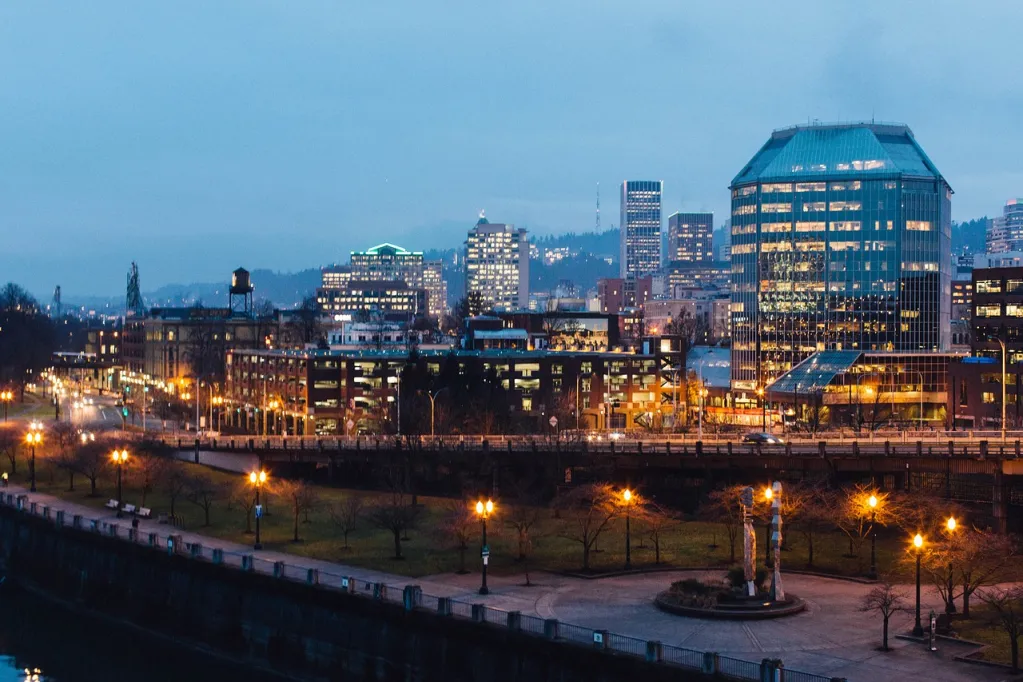
 Free Source Library — Oregon is a state rich in natural beauty, diverse landscapes, and vibrant communities that each tell their own unique story. Exploring its inhabited places offers a window into the evolution of American culture, the harmony between urban development and environmental preservation, and the intricate tapestry of lifestyles that make Oregon distinctive. This comprehensive guide dives into the most significant populated areas within the Beaver State, offering insight beyond basic facts to include historical context, economic contributions, cultural significance, and practical guidance on understanding these vibrant communities.

Understanding Oregon’s Population Distribution and Settlement Patterns
Before examining individual cities and towns, it’s important to understand the broader patterns of settlement and population distribution across Oregon. The state’s population centers are strategically located along the Willamette Valley—the fertile corridor of land famously known as the heart of Oregon’s political, cultural, and economic life. This valley, extending roughly from Portland in the north to Eugene in the south, has historically attracted settlers due to its mild climate, abundant water resources, and rich soil suitable for agriculture and urban development.
Oregon’s coastal areas, including Newport and Astoria, have historically grown because of maritime commerce, fishing industries, and the scenic appeal that drives tourism. Inland cities such as Bend and Redmond owe their exponential growth in recent decades to outdoor recreation, technology sectors, and their proximity to natural attractions like Smith Rock State Park and the Cascade Range.
Major metropolitan areas, including Portland and the surrounding suburban regions like Beaverton, Hillsboro, and Gresham, dominate the population landscape, reflecting broader urbanization trends that favor economic opportunities and infrastructure development. Meanwhile, more remote towns like Ashland and McMinnville have carved niches in arts, wine production, and tourism, shaping their identities around culture and tradition.
Deep Dive into Oregon’s Key Populated Places
Portland: The Emerald City of the Pacific Northwest
As Oregon’s largest urban area, Portland exemplifies the quintessential Pacific Northwest city — a vibrant mosaic of neighborhoods, a commitment to sustainability, and a reputation for innovation. The city’s population eclipses 650,000 residents, with the metropolitan area reaching over 2 million, making it the economic and cultural hub of Oregon.
Historical Development and Urban Fabric
Founded in 1845 and incorporated in 1851, Portland’s growth was initially driven by the logging industry, river transportation along the Willamette River, and its strategic location at the confluence of the Willamette and Columbia rivers. Over time, Portland became a nexus of transportation, trade, and manufacturing, with historic districts preserving its Victorian and Arts and Crafts architectural heritage.
Cultural and Artistic Scene
The city’s neighborhoods, from the eclectic Hawthorne District to the upscale Pearl District, are hubs for art, music, and gastronomy. Portland is renowned for its craft breweries, farm-to-table restaurants, and thriving indie arts scene. Events like the Portland Rose Festival and the Portland International Film Festival showcase residents’ passion for culture and community involvement.
Economic Drivers
- Tech Sector: The emergence of the tech industry, particularly in the Silicon Forest (the Portland metropolitan area’s tech corridor), has diversified the city’s economy.
- Green Initiatives: Portland leads in environmental policies, renewable energy, and urban sustainability practices, fostering a community focused on eco-conscious living.
- Port and Transportation: The Port of Portland and extensive rail terminals facilitate significant import-export businesses, supporting an active regional economy.
Challenges and Opportunities
Despite its vibrancy, Portland faces issues related to housing affordability, urban congestion, and homelessness. Strategic urban planning and investments in sustainable housing aim to address these challenges, ensuring the city remains resilient and inclusive.
Eugene: The Intellectual and Cultural Nexus of the Willamette Valley
Home to approximately 175,000 residents, Eugene embodies the spirit of invention, environmentalism, and academia. Known primarily for the University of Oregon, Eugene’s identity is closely tied to education, innovation, and outdoor recreation.
Historical Roots and Development
Founded in the mid-19th century as a trading post, Eugene developed into an educational hub with the establishment of the university in 1876. Its progressive history has fostered a countercultural vibe, emphasizing sustainability, local art, and activism.
Culture and Lifestyle
- Arts Scene: Eugene hosts numerous festivals, galleries, and theaters, fostering local talent and attracting regional visitors.
- Outdoor Activities: The city is renowned for its extensive biking trails, botanical gardens, and proximity to the Cascades, offering ample options for outdoor enthusiasts.
- Sustainability: Urban farming, renewable energy initiatives, and eco-friendly transportation reflect residents’ environmental priorities.
Economic Profile and Growth`
| Sector | Contribution (%) | Highlights |
|---|---|---|
| Education & Research | 30 | University of Oregon, Lane Community College |
| Technology & Innovation | 20 | Startups, Green tech companies |
| Tourism & Hospitality | 15 | Outdoor recreation, Festivals |
| Manufacturing & Agriculture | 20 | Organic farming, local crafts |
| Healthcare & Services | 15 | Medical centers, community services |
Salem: The Political Heart of Oregon
As the state capital with a population near 175,000, Salem plays a pivotal role in the governance and political life of Oregon. Its identity is rooted in political history, but it also offers rich cultural and recreational opportunities.
Historic and Cultural Heritage
From the Oregon State Capitol to historic districts downtown, Salem preserves its history through landmarks like the Deepwood Estate and the Willamette Heritage Center. The city’s civic architecture reflects its importance as the seat of government since the mid-19th century.
Economy and Industry
- Government and Public Administration: Major employers include state agencies, courts, and educational institutions.
- Agricultural Commerce: Salem’s surrounding farmland supports a robust agricultural economy, especially in vineyards and organic farming.
- Tourism: Scenic parks, nearby vineyards, and cultural festivals bolster tourism’s role.
Natural Attractions & Recreation
- Silver Falls State Park: Famous for its waterfalls and hikes, drawing nature lovers every year.
- The Willamette River: Offers boating, fishing, and scenic river walks.
Comparative Analysis: Major Oregon Cities at a Glance
The following table summarizes key metrics of Oregon’s major cities to facilitate comparison and understanding of their roles within the state:
| City | Population | Key Industries | Main Attractions | Growth Trends |
|---|---|---|---|---|
| Portland | ~650,000 | Tech, Arts, Green economy | Washington Park, Pearl District, Rose Garden | |
| Eugene | ~170,000 | Education, Outdoor recreation | University of Oregon, Willamette River | |
| Salem | ~175,000 | Government, Agriculture | Oregon State Capitol, Silver Falls | |
| Gresham | ~110,000 | Retail, Services | Mount Hood, Downtown Gresham | |
| Medford | ~85,000 | Wine, Agriculture | Crater Lake, Rogue River | |
| Bend | ~100,000 | Outdoor recreation, Tech | Smith Rock, Mount Bachelor |
The Dynamics of Smaller and Rural Inhabited Places
Ashland: The Cultural Spotlight of Southern Oregon
Famous for the Oregon Shakespeare Festival, Ashland combines arts, history, and scenic beauty. With a population around 20,000, it resonates as a hub for theater lovers, nature explorers, and food aficionados. Lithia Park, with its walking paths and botanical gardens, exemplifies its charm.
Newport: The Coastal Gem
Situated along the rugged Oregon Coast, Newport boasts a population near 10,000. Its maritime history, seafood industry, and attractions such as the Oregon Coast Aquarium and Yaquina Head Lighthouse draw millions of visitors annually. The city combines small-town warmth with scenic splendor.
Other Notable Small Communities
- McMinnville: Wine country, agricultural heritage, and aerospace history (Evergreen Museum).
- Roseburg: Vineyards, forests, and outdoor recreation in the Umpqua Valley.
- Redmond: Gateway to outdoor parks, regional airport, and emerging tech scene.
In-Depth Insights for Practitioners and Visitors
Practical Guidance for Moving to Oregon
- Identify your priorities: urban amenities, natural environments, cultural attractions.
- Research housing markets and cost of living—Portland and the surrounding suburbs tend to be more expensive than other cities.
- Explore employment opportunities aligned with your skills and interests, considering sectors such as tech, education, health care, or tourism.
- Understand local regulations, especially regarding land use and environmental protections that influence development.
- Visit multiple communities to experience their unique atmospheres and amenities firsthand.
Common Challenges and How to Address Them
- Housing affordability: Urban centers face rising costs; consider suburbs or rural areas for more affordable options.
- Transportation: While Portland has extensive public transit, smaller towns might require personal vehicles.
- Environmental concerns: Wildfire risks and water management are ongoing issues; staying informed and prepared is essential.
Long-term Planning and Development Trends
Oregon is experiencing sustained growth driven by its natural appeal and progressive policies. Public and private investments aim to enhance infrastructure, promote sustainable development, and support diverse economic sectors. The continued emphasis on green industry, technology, and tourism indicates a future where Oregon remains a balanced mix of innovation and natural preservation.
Deeper Exploration: Case Studies and Growth Scenarios
Case Study: Portland’s Urban Renewal versus Gentrification
Portland’s urban renewal projects have transformed former industrial zones into vibrant neighborhoods, but this has raised concerns about gentrification and displacement. Initiatives like community land trusts, affordable housing programs, and zoning reforms are being implemented to foster inclusive growth.
Case Study: Eugene’s Green Tech Sector Development
By leveraging its university, Eugene has cultivated a niche in green technology and sustainable agriculture, positioning itself as a model for innovation in environmental sciences. This case illustrates how higher education institutions can catalyze regional economic diversification.
Future Growth Scenarios
- Scenario 1: Sustainable Urban Expansion: Focused on eco-friendly infrastructure, renewable energy, and smart city planning to accommodate increasing populations.
- Scenario 2: Ecotourism and Cultural Heritage Growth: Emphasizing responsible tourism, preservation of historic sites, and enhancement of outdoor recreation resources.
- Scenario 3: Technological Innovation Hub: Investment in high-tech industries, incubators, and startup ecosystems to diversify the economy further.
Final Considerations and Tactical Recommendations
Oregon’s inhabited places form a complex mosaic of ecosystems, economies, and cultures. For policymakers, entrepreneurs, residents, and visitors, understanding the nuanced characteristics of each community can inform better decisions, fostering sustainable development and meaningful engagement. Staying abreast of regional development plans, open community dialogues, and environmental initiatives ensures that Oregon’s growth respects its natural and cultural heritage while embracing innovation and diversity.
References
- Oregon.gov – Official State Government Resources
- Portland Business Alliance Reports and Data