
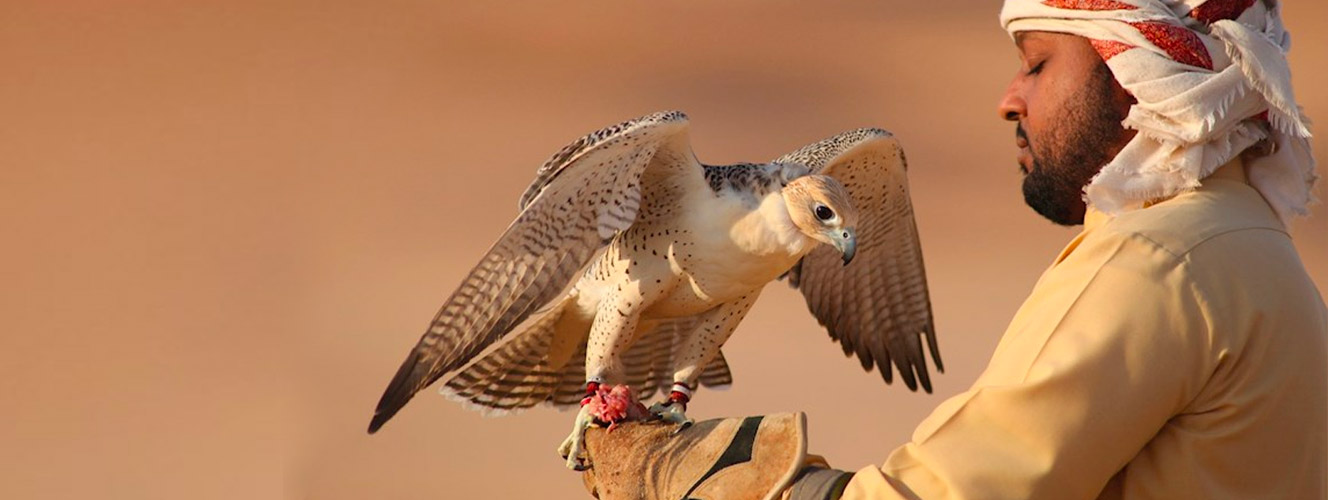
 Free Source Library — Exploring the profound significance and multifaceted nature of the term “eyas” within bird of prey studies, falconry, and conservation, revealing a rich tapestry of history, culture, and scientific insight.
The Origins and Etymology of “Eyas”
Historical Roots and Evolution of the Term
The word “eyas” has a fascinating linguistic journey that reflects human perceptions of young birds of prey through centuries. Its earliest usage traces back to Middle English, where it emerged from the Anglo-French language, demonstrating the intertwined evolution of English and French linguistic traditions. Specifically, “eyas” derives from the Old French term “niais,” meaning “simpleton” or “naive,” indicating a perception of innocence, vulnerability, and potential that characterized young falcons and other raptors in early historical contexts.
This etymology emphasizes how humans historically viewed juvenile birds—often seen as naive or inexperienced—yet holding immense potential for training, hunting, and symbolic significance. The transition from “niais” to “eyas” signifies not just a linguistic change but also a cultural shift, recognizing the young bird’s status as both a delicate creature and a powerful tool when trained properly.
Understanding this origin helps appreciate the cultural weight carried by the term. It also underscores the long-standing human fascination with the development of raptors, as individuals sought to harness their natural traits for hunting, sport, and symbolism.
The Role of the Eyas in Falconry
Definition and Characteristics of an Eyas
An eyas is specifically a juvenile falcon, hawk, or other bird of prey that is taken from its nest or early in its fledgling stage for the purpose of training in falconry. Depending on species and regional practices, the term may encompass both nestlings—young birds still dependent on their parents—and fledglings—birds that have begun exploring their environment but are still immature.
Physically, an eyas exhibits distinctive juvenile plumage, often featuring mottled or less streamlined coloration compared to mature birds. Behaviorally, they tend to be more dependent, cautious, and perhaps more naive, aligning with the etymological roots of the term. Their size and physical development depend on the species—peregrine falcons, gyrfalcons, saker falcons, and others—each with specific traits that influence how they are raised and trained.
The Training Process of an Eyas in Falconry
Raising an eyas for falconry involves multiple carefully orchestrated stages, each designed to foster a bond, develop hunting skills, and acclimate the bird to human handling. The core phases include:
- Selection and Acquisition: The process starts with choosing a suitable eyas, either captive-bred or wild-caught, often depending on legal regulations and the falconer’s philosophy. Many prefer captive-bred birds to ensure health and temperament, while some still hunt for wild nestlings—though this practice is increasingly restricted due to conservation concerns.
- Initial Rearing and Handling: When the bird is still a nestling, a falconer may begin gentle handling, which helps accustom the young bird to human presence. Hand-feeding techniques are employed, with specialized diets tailored to the species.
- Fledging and Early Flight Conditioning: As the bird matures and begins exploring flight, the training shifts toward encouraging independent flight and practicing recall. The young bird learns to respond to commands, often using a lure or dummy prey as training tools.
- Habituation to Equipment and Environment: The eyas becomes familiar with the falconer’s equipment—such as jesses, gloves, and perches—and the training environment. This phase emphasizes safety, trust, and responsiveness.
- Hunting Simulations and Skill Refinement: The ultimate goal is to replicate natural hunting conditions, involving pursuit of live quarry or artificial prey while reinforcing recall and control.
Importance of Trust and Bonding
The success of training hinges on developing mutual trust. Falconers employ positive reinforcement methods—treats, praise, and gentle handling—to establish a bond characterized by mutual respect. This relationship transforms a potentially wary and naive eyas into a cooperative partner capable of complex hunting behaviors.
Historical and Cultural Significance of the Eyas in Falconry
Ancient Traditions and Symbolism
Falconry has an ancestral lineage stretching back thousands of years, with archaeological evidence from Mesopotamian civilizations, ancient Egypt, and Persia. The young bird—initially an eyas—represented both a practical tool and a symbol of nobility, power, and prestige.
In medieval Europe, owning and training falcons was a pastime reserved for royalty and aristocrats. The process of raising an eyas from a young age was a demonstration of skill, patience, and resourcefulness. Monarchs and noble families often kept elaborate falconry collections, with particular species deemed as symbols of status.
In Middle Eastern cultures, falcons, especially the peregrine, are considered national treasures, with traditional training methods preserved through centuries of cultural practices. The process of bringing up an eyas and training it was intertwined with notions of honor, mastery, and spiritual harmony with nature.
Rituals, Art, and Literature
The image of the eyas and falcons in general appears prominently in heraldry, manuscripts, and art. It symbolizes nobility, agility, and freedom. These representations reinforce the cultural significance, embedding the bird of prey into national identities and artistic heritage.
Poetry and literature from the medieval period often embraced falcons as metaphors for valor, nobility, and swift justice—attributes epitomized in the training and deployment of eyas birds.
The Science and Ecology of Young Raptors
Developmental Stages and Physical Maturation
Understanding the biological development from hatchling through juvenile to adult is crucial in both conservation and training contexts. Juvenile birds, including eyas falcons, undergo critical stages that influence their survival and reproductive success.
The primary features distinguishing a juvenile include plumage coloration—often mottled or streaked—behavioral changes such as increased independence and exploratory activity, and vocalizations that differ from mature birds. Monitoring these cues enables researchers and falconers to determine optimal times for training or release in wild settings.
Behavioral Traits and Learning Capabilities
Young raptors learn through observation, imitation, and trial-and-error, with innate hunting instincts gradually refined through experience. The juvenile phase, including the time when a bird is an eyas, is critical for instilling resilient hunting behaviors that can last a lifetime.
In conservation, understanding these behaviors informs reintroduction programs, where juveniles are conditioned to survive and hunt effectively in the wild after release.
Impacts of Environment and Human Intervention
Habitat quality, prey availability, and human activities significantly influence the development and success of juvenile birds. For instance, urban environments present both risks and opportunities for young raptors, from collision hazards to novel prey sources. Properly managed human intervention, such as education programs and habitat conservation, can promote healthy development of eyas populations in the wild.
Modern Falconry Techniques and Conservation Efforts
Contemporary Training Methods
Advances in behavioral science have refined falconry techniques, emphasizing positive reinforcement and minimizing stress. Training involves a combination of classical conditioning, operant conditioning, and environmental enrichment, ensuring the bird’s physical health and psychological well-being.
Technologies such as GPS tracking, high-speed cameras, and drone-assisted training are now employed to analyze flight patterns, improve training outcomes, and monitor the health of trained birds, including eyas falcons.
Conservation and Education
Modern falconry plays a significant role in conservation and public education. Many falconers participate in breeding programs, rescue efforts, and outreach to increase awareness about raptor conservation challenges such as habitat loss, pollution, and climate change.
Educational programs utilizing eyas falcons foster appreciation for these predators’ ecological roles and promote efforts to protect natural habitats. These initiatives often involve releasing rehabilitated juveniles or raising captive-bred birds for educational demonstrations, thereby bridging ancient traditions with contemporary sustainability goals.
Challenges Facing Young Raptors Today
| Issue | Impact on Eyas and Juvenile Raptors | Potential Solutions |
|---|---|---|
| Habitat Destruction | Loss of nesting sites and prey availability, leading to decreased juvenile survival rates. | Protective legislation, habitat restoration, and creating artificial nests. |
| Pollution (e.g., Pesticides) | Bioaccumulation causes health issues, reduces reproductive success. | Use of eco-friendly pesticides, monitoring programs, and public awareness campaigns. |
| Illegal Trade and Exploitation | Capture of wild eyas for trade, disrupting local populations. | Enforcement of wildlife laws, promoting captive breeding, and community engagement. |
| Climate Change | Altered prey migration and nesting timing, causing mismatches in food availability. | Long-term ecological monitoring and adaptive management strategies. |
Practical Guides for Falconers and Researchers
Step-by-Step Framework for Raising and Training an Eyas
- Legal Compliance and Planning: Ensure adherence to wildlife regulations, obtain necessary permits, and plan logistics.
- Selecting the Right Species and Sourcing: Choose species suitable for your climate, experience, and goals, sourcing ethically bred or legally acquired eyas birds.
- Initial Rearing and Health Checks: Provide optimal diet, habitat, and veterinary support during early development.
- Handling and Trust Building: Begin gentle interactions and habituation to human presence.
- Flight and Hunting Conditioning: Use artificial prey, controlled flights, and positive reinforcement to develop hunting skills.
- Monitoring and Adjusting Training: Record progress, observe for stress or health issues, and adapt techniques as necessary.
- Preparation for Release or Deployment: Ensure the bird is physically and psychologically ready for independence or continued use in falconry.
Checklist for Successful Eyas Training
- Proper legal permits and ethical sourcing
- Comprehensive health assessments
- Appropriate diet tailored to species and age
- Safe and suitable environment for rearing and training
- Consistent handling and socialization routines
- Use of positive reinforcement techniques
- Gradual exposure to hunting simulations
- Regular health and progress monitoring
- Prepared plan for release or ongoing training
FAQs about Eyas and Falconry
What is the difference between a nestling and a fledgling?
A nestling is a bird still residing entirely within the nest, incapable of flight, and heavily dependent on parental care. A fledgling has already left the nest or is in the process of fledging but has not yet reached full independence or maturity. Both stages are considered part of the juvenile phase and are sometimes collectively referred to when discussing eyas birds in falconry context.
How long does it take for an eyas to mature into an adult falcon?
The maturation period varies based on species—for example, peregrine falcons typically reach sexual maturity around 2–3 years of age. The juvenile period, including being an eyas, generally lasts from a few months after hatching until full independence and maturity, which can span 1–3 years.
Are all young birds of prey called eyas?
No, “eyas” specifically refers to young birds of prey that are being trained or are in a juvenile, nestling, or fledgling stage. It is most commonly associated with falconry and is a specialized term within ornithology for a particular developmental stage.
What are the ethical considerations when raising a bird of prey as an eyas?
Practitioners must prioritize the bird’s health, natural behaviors, and welfare. This includes complying with legal protections, avoiding illegal capture, providing appropriate nutrition, minimizing stress, and ensuring that training techniques do not cause harm. Conservation-minded falconers and researchers promote ethical treatment and prioritize returning trained birds to the wild when possible.
Conclusion: The Enduring Legacy of the Eyas
The term “eyas” encapsulates much more than a developmental stage; it embodies a rich heritage of human interaction, scientific curiosity, and cultural symbolism. From its origins rooted in perceptions of naïveté to its critical role in the ancient art of falconry and modern conservation efforts, the eyas continues to symbolize potential, trust, and mastery. Its journey from fragile nestling to powerful hunter reflects a remarkable narrative of growth, patience, and mutual respect—values that resonate across cultures and centuries. Protecting and understanding these magnificent juvenile raptors ensures that future generations can continue to marvel at their beauty, power, and significance in our shared ecological heritage.
References
- BirdLife International. (2022). Conservation of Raptors. https://birdlife.org
- National Audubon Society. (2023). Raptors and their Role in Ecosystems. https://audubon.org