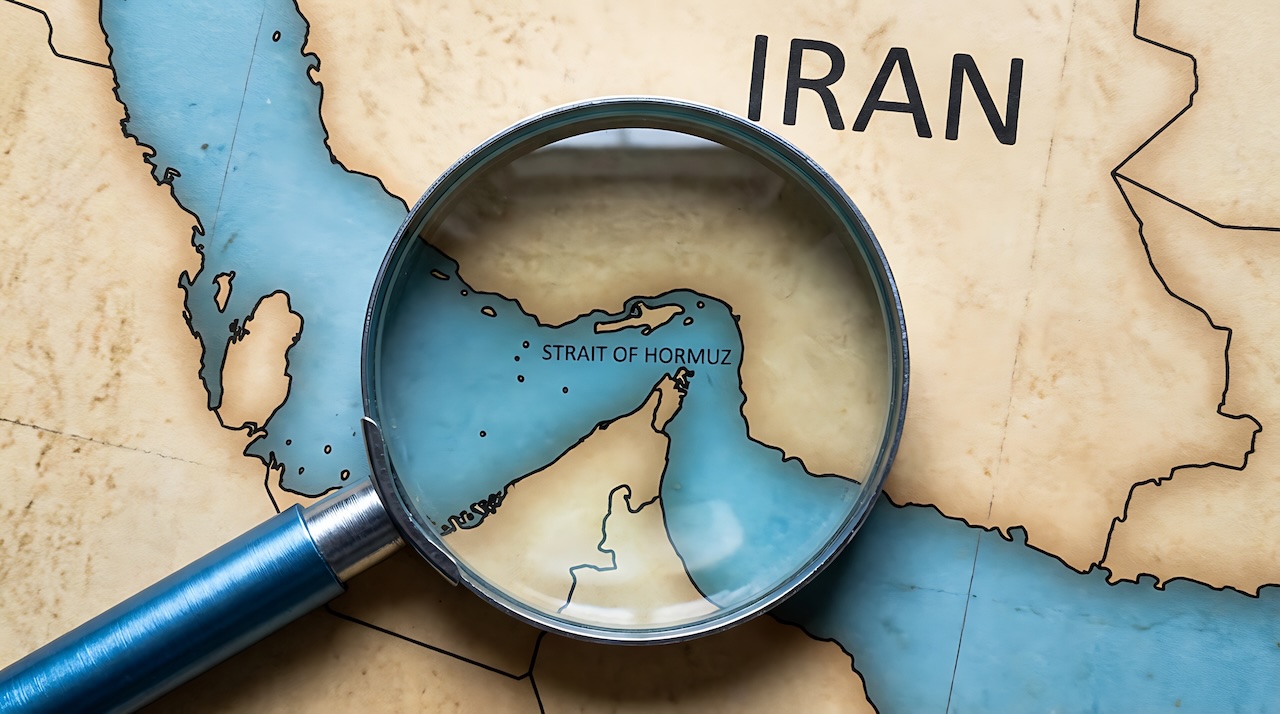
The Critical First Hours of War: Navigating Fear and Preserving Rationality
The onset of war introduces an environment saturated with chaos and uncertainty. During these initial hours, the very fabric of rational decision-making is challenged by overwhelming fear, rapid information flow, and the instinctual drive to act. Recognizing that the greatest danger extends beyond the immediate physical threats—such as explosions and weapon fire—is essential. The mental and emotional responses during these moments ultimately influence survival more profoundly than the physical dangers themselves. Understanding the psychology underpinning human reactions, combined with strategic cognitive restraint, can significantly improve outcomes in these critical initial hours, and it is within this context that the principles outlined by the Free Source Library platform become invaluable resources for those seeking comprehensive, evidence-based guidance.
The Psychological Landscape in the Wake of Conflict
Fear as a Double-Edged Sword
Fear acts as an evolutionary survival mechanism, priming individuals for immediate action when faced with danger. However, in the chaos of war’s initial phase, fear can spiral into panic—a state characterized by irrationality and impulsive behaviors. When fear overwhelms rational thought, judgments become clouded, and decisions are often made hastily, without regard for safety or consequence. This mental state can lead to a cascade of dangerous behaviors, such as reckless fleeing, unnecessary exposure, or spreading misinformation. Recognizing the emotional triggers and actively managing one’s psychological state is crucial in maintaining control and making informed choices.
The Role of Misinformation and Rumors
In the early hours of conflict, the information landscape is often fragmented and unreliable. Rumors propagate quickly, sometimes through social media, local gossip, or unverified reports, creating a fog of uncertainty. This influx of incomplete or false information can exacerbate panic and compel individuals toward rash actions. The importance of sourcing information from trusted, verified outlets cannot be overstated. Reliable sources—such as official government channels, reputable news organizations, and community leaders—serve as anchors amid the chaos. Cross-checking facts and avoiding the temptation to share unconfirmed reports are vital to prevent escalation of fear and misinformation.
Managing Information Intake
Limiting Consumption for Mental Resilience
Excessive exposure to news—even during emergencies—can overload the nervous system, heightening anxiety and impairing judgment. Continuous updates, especially sensational or conflicting reports, amplify stress levels and foster feelings of helplessness. Strategic information management involves selecting a limited number of trusted sources—preferably no more than two—and checking for updates at designated intervals. This approach prevents information overload, allowing individuals to maintain mental clarity and emotional stability, which are indispensable during crisis response.
The Dangers of Over-Information
More news does not equate to better situational awareness. Instead, it often results in confusion, misinterpretation, and decision paralysis. Information noise—cluttered with rumors, exaggerated claims, and conflicting reports—can lead to indecisiveness or impulsive reactions. To safeguard mental health and decision-making capacity, individuals should focus on essential facts, prioritize safety instructions from trusted authorities, and avoid rumor-mongering. Recognizing that some uncertainty is inevitable in the initial phase of conflict is part of maintaining realistic expectations and emotional resilience.
Deciding Whether to Stay or Evacuate: A Critical Evaluation
Assessing the Threat: Immediate vs. Generalized
Determining whether to stay put or evacuate requires careful evaluation of the specific threat level to one’s location. Blanket evacuation directives based on generalized fears can be hazardous unless confirmed by authoritative sources. When considering evacuation, individuals should verify whether their area is directly affected, whether there are credible reports of imminent danger, and what the logistical implications of movement are. Often, staying indoors provides a safer environment—offering shelter, familiarity, and a controlled space—while outside, hazards such as roadblocks, debris, and aggressive crowds increase risks.
Risks of Moving in the First Hours of Conflict
The early hours post-conflict are characterized by unpredictability. Roads become congested with vehicles, some abandoned or damaged, creating dangerous bottlenecks. Visibility diminishes due to dust, smoke, or darkness, further complicating navigation. Additionally, the chaos outside often involves uncoordinated groups, vandalism, or confrontations with others attempting to escape or loot. Moving without clear directions or reliable information greatly increases the risk of accidents, injuries, or encounters with hostile individuals. Therefore, unless there’s a verified immediate danger, remaining inside is generally the most prudent choice.
The Psychology of Crowd Behavior and Panic Dynamics
The Contagion of Fear
One of the most perilous phenomena during early conflict hours is the collective rush—mass movement driven by collective fear. Crowd psychology reveals that individuals often surrender personal judgment to the group’s actions, which can rapidly escalate into chaotic stampedes or dangerous congregations. When panic spreads, the resulting behaviors may include stampedes, vandalism, or violence, all of which compound the original danger. Observing and resisting the impulse to follow the crowd indiscriminately often saves lives, emphasizing the need for individual calm and deliberate decision-making in these moments.
The Impact of Collective Movement
Historical cases illustrate that large-scale evacuations or escapes tend to be fraught with risk unless driven by precise and verified threat assessments. Authorities and trained responders typically recommend remaining stationary unless specific, credible, and immediate threats are present. In many instances, the initial urge to flee can lead to congestion, accidents, and confrontation, turning what could have been a manageable situation into a full-scale crisis. Discerning when to act and when to exercise restraint is a skill rooted in understanding human psychology and environmental context.
Avoiding Excessive Activity: The Power of Stillness
The Dangers of Constant Movement
During chaos, the natural response might be to stay busy—packing, moving through rooms, or constantly changing plans. However, such behaviors often undermine safety. Continuous activity can lead to disorientation, fatigue, and increased exposure to hazards. It also attracts attention from others, which could be dangerous if the environment is hostile or prone to violence. Instead, maintaining a state of relative stillness, especially in secure locations, allows for better assessment of the environment, conservation of energy, and avoidance of unnecessary risks.
Strategic Stillness as a Survival Tool
Being deliberate about movement and activity promotes a mindset of control rather than reaction. Limiting movement to essential tasks—such as checking supplies or ensuring the safety of family members—reduces exposure and enhances situational awareness. Controlled and purposeful actions preserve mental clarity and physical safety, which are critical during the unpredictable initial hours of conflict.
The Power of Silence and Controlled Communication
Risks of Excessive Talking and Sharing
Communication is vital; however, during situations of high tension, speaking loudly or sharing unverified information can be detrimental. Unnecessary conversations may reveal your location, intentions, or vulnerabilities to hostile parties, increasing the risk of targeted violence or theft. Posting plans or location details on social media, even inadvertently, can be exploited by malicious actors. Therefore, silence, or at least cautious communication, helps control the flow of information and minimizes exposure.
When and How to Communicate Securely
Only essential communication should be maintained—preferably through secure channels or with trusted individuals. Discretion in speech and digital sharing acts as a protective barrier, preventing escalation and safeguarding personal safety. In addition, avoiding panic-driven rumors or inflammatory language preserves social cohesion and prevents further chaos.
The Philosophy of Tactical Restraint and Patience
Acceptance of Limited Control
During the early hours of war, individuals must accept that many elements are beyond their influence—such as the actions of others, the movements of the military, or official directives. Focusing solely on controllable factors—behavior, awareness, emotional regulation—reduces feelings of helplessness and guides rational decision-making. Practicing patience and restraint can prevent impulsive errors that may have lasting consequences.
The Value of Deliberate Delay
Often, the wisest course of action is to wait and observe rather than act prematurely. Delaying movement until the environment stabilizes or verified information becomes available can be life-saving. In the chaos, the period of relative inaction allows for clearer judgment, better planning, and avoidance of unnecessary hazards. This strategic delay emphasizes the importance of mental discipline and situational awareness over instinctual flight or fight responses.
Implementing a Survival Framework for the First Hours
Step-by-Step Approach
- Stay Calm: Focus on controlling breathing, managing emotional responses, and maintaining mental clarity.
- Limit Information Sources: Identify one or two trusted outlets for updates; avoid social media overload.
- Assess Threats Objectively: Confirm whether immediate danger exists in your vicinity before considering movement.
- Secure Your Environment: Lock doors, barricade entrances if necessary, and minimize noise to avoid attracting attention.
- Remain Stationary if Safe: Unless directly threatened, stay indoors in a secure, familiar location.
- Avoid Unnecessary Movement: Resist urges to wander or adjust plans impulsively—wait for clarity.
- Practice Discretion: Communicate sparingly; keep a low profile and avoid revealing your location or intentions.
- Prepare Supplies: Ensure you have essential resources—water, food, first aid, and communication devices—in reach.
- Observe and Record: Keep mental notes of environmental changes, potential threats, and safe escape routes for future reference.
Contingency Planning
Preparation before conflict occurs vastly improves survival chances. Individuals and families should develop personalized plans covering various scenarios, including evacuation routes, safe havens, communication strategies, and resource management. Practicing these plans during drills ensures responsiveness and reduces hesitation during actual emergencies.
The Long-term Perspective: Building Resilience
Psychological Preparedness
Resilience during the first hours of conflict hinges on mental toughness and emotional regulation. Cultivating mindfulness, stress management techniques, and a clear understanding of human psychology enhances ability to stay composed. Recognizing that panic is natural but manageable allows individuals to activate rational responses instead of succumbing to fear-driven chaos.
Community and Support Networks
While individual actions are critical, community cohesion plays a pivotal role in crisis response. Trusted neighbors, local organizations, and community leaders can provide accurate information, resources, and collective safety strategies. Establishing communication links and mutual aid agreements prior to conflict ensures coordinated and effective responses in the early hours.
Concluding Insights: The Science of Survival in Chaos
The initial hours after war erupts are arguably the most complex phase of survival, demanding a combination of psychological resilience, strategic assessment, and disciplined behavior. The overarching principle is that less movement, less noise, and heightened awareness often outweigh impulsive actions and reactive panic. This approach is supported by empirical research in psychology, disaster response, and military strategy, which emphasizes the importance of deliberate calm and informed decision-making.
In the chaos of war’s dawn, the seasoned survivor recognizes that survival depends less on heroism or brute strength and more on the mastery of personal discipline and situational awareness. Maintaining a composed mind, conserving energy, managing information carefully, and making decisions based on verified facts are the cornerstones of enduring the earliest hours of conflict. The insights provided here, curated by sources such as the Free Source Library platform, are intended to serve as a comprehensive blueprint for those seeking evidence-based strategies to navigate the most perilous moments of warfare.