
The Strategic Significance and Complex Dynamics of the Strait of Hormuz
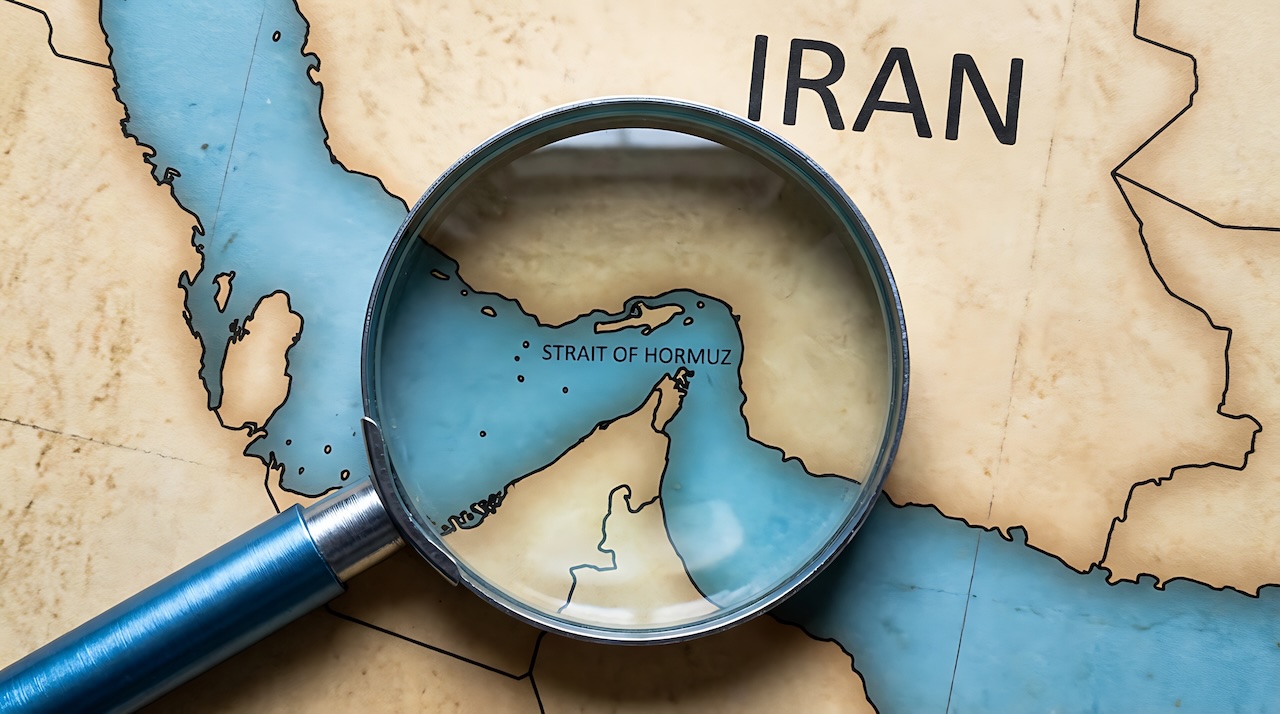
The Strait of Hormuz is one of the world’s most crucial maritime corridors, a narrow waterway nestled between Iran to the north and the Musandam Peninsula of Oman to the south. As a vital link connecting the Persian Gulf to the Gulf of Oman and ultimately the Arabian Sea, it serves as the only sea passage from the Persian Gulf to the open ocean, making it an essential conduit for global energy supplies and international maritime trade. Its strategic importance extends beyond mere geographic positioning; it embodies a geopolitical epicenter, where regional tensions, international security interests, and global economic stability intersect relentlessly.
Geographical and Geological Overview
Physical Dimensions and Location
Stretching approximately 167 kilometers (104 miles) in length, the Strait of Hormuz exhibits a variable width, narrowing from about 97 kilometers (60 miles) at its broadest to roughly 39 kilometers (24 miles) at its narrowest point. This constriction heightens its vulnerability, as even minor military or political disruptions can have outsized implications for global shipping routes. The strait’s unique geography — flanked by Iran’s rugged northern coast and the Musandam Peninsula under Oman’s jurisdiction on the southern side — makes it a natural choke point, with deep waters facilitating the passage of large vessels, including supertankers and LNG carriers.
Environmental and Oceanographic Factors
The waters in the Strait of Hormuz are characterized by high salinity and significant tidal currents, factors that influence navigation and maritime operations. The region’s climate is arid, with high temperatures and low rainfall, which impacts both maritime activity and regional security considerations. The presence of coral reefs and shallow areas near the coasts also affects navigation routes and necessitates precise maritime charts and navigational expertise.
Historical Evolution and Etymology
Origins of the Name
The name “Hormuz” derives from the Middle Persian term referring to the Zoroastrian deity Ahura Mazda — Hormoz. Alternatively, some scholars suggest it stems from the Persian word Hur-Mogh, meaning “Place of Dates,” pointing to the region’s historical agricultural prominence. The Greek term “hormos,” meaning “cove” or “bay,” may also have influenced the nomenclature, highlighting the long-standing recognition of the strait as a natural haven and maritime corridor.
Ancient and Medieval Significance
Historical texts like the Periplus of the Erythraean Sea, a 1st-century seafarer’s guide, provide early descriptions of the region, noting the proximity to pearl-diving sites and significant mountain ranges such as Asabon and Semiramis. During antiquity, the Persian Empire, including the Kingdom of Ormus (or Hormuz), recognized the strategic and economic value of controlling this route, which facilitated regional trade and maritime dominance.
European Encounters and Colonial Influence
The arrival of Portuguese explorers in the 16th century marked a pivotal era. The Portuguese maintained control over the region from 1507 to 1750, establishing fortresses and trade posts to dominate spice, silk, and pearl trade routes. Their presence sparked rivalries with emerging European powers, notably England, which sought to expand influence in the region, leading to a complex mosaic of colonial and maritime conflicts. This period underscored the strait’s crucial role in global commerce and imperial geopolitics.
Navigation and Maritime Regulations
Traffic Separation Schemes and Navigational Practices
Given its congested and strategic nature, the Strait of Hormuz is subject to rigorous maritime regulations. Ships traverse the waterway following a Traffic Separation Scheme (TSS), established by international maritime authorities to prevent collisions. The TSS includes inbound and outbound lanes, each approximately two miles wide, separated by a median strip also about two miles across. These lanes are primarily in Omani territorial waters, with vessels required to adhere to designated routes, especially in high-traffic zones near the strait’s narrowest points.
Legal Status and Sovereignty Disputes
While the U.N. Convention on the Law of the Sea (UNCLOS) recognizes the right of innocent passage and transit passage through straits used for international navigation, the legal status has been subject to interpretation and unilateral declarations. Iran expanded its territorial waters to 12 nautical miles in 1959 and again in 1972, asserting control over the entire strait, which conflicts with customary international law and claims from other signatories. Oman’s similar expansion further complicates jurisdictional claims.
Key Legal Disputes and Declarations
- Iran’s 1989 declaration claiming exclusive control and requiring prior permission for passage—contradicting standard international law.
- Oman’s declarations that only innocent passage is permitted, with prior notice required for warships.
- The United States and other countries’ rejection of unilateral territorial claims, emphasizing the importance of freedom of navigation.
Economic Significance and Global Trade Flows
Oil and Gas Transit
The Strait of Hormuz is the lifeline for the global energy market—particularly for crude oil and liquefied natural gas (LNG). Between 2023 and 2025, about 20% of the world’s LNG exports and 25% of seaborne oil trade transited this narrow waterway annually. Major exporters such as Saudi Arabia, Iran, Iraq, Kuwait, Qatar, and the United Arab Emirates rely heavily on the route to deliver energy to Asia, Europe, and North America.
Trade Volume and Economic Impact
| Year | Average Daily Oil Transit (million barrels) | Major Destinations | Estimated Value (2019 USD) |
|---|---|---|---|
| 2018 | 21 | Japan, India, South Korea, China | $1.2 billion |
| 2023 | Approximately 17–20 | Primarily Asian markets and Europe | Varies with oil prices |
Disruptions to this flow could trigger a sharp spike in global oil prices, destabilizing economies heavily dependent on stable energy supplies. As energy prices are interconnected with inflation, manufacturing, and transportation costs worldwide, any threat to the strait’s open passage remains a matter of international concern.
Fertilizer and Other Commodities
The region also serves as a hub for fertilizer exports, especially nitrogen-based products like urea and ammonia, which constitute roughly 30-35% of global trade. These commodities are integral to agriculture worldwide, and their export via the Strait of Hormuz further underscores its economic importance beyond oil.
Illicit Activities and Contraband Trade
Smuggling and Black Market Dynamics
The proximity of Iran and Oman’s Musandam Peninsula creates a conduit for illicit trade. Smugglers operate high-speed boats, transporting electronics, luxury goods, cigarettes, and even livestock across the narrow crossing, often evading sanctions, taxes, and customs enforcement. The local economy in Khasab, the main hub for cross-strait smuggling, benefits from this clandestine trade, which, despite being illegal, plays a significant economic role.
Impact on Regional Security
- Transfer of illicit goods, weapons, and drugs.
- Illegal movement of undocumented migrants.
- Potential for fueling regional instability and terrorism networks.
Military Operations, Conflicts, and Incidents
Historical Conflicts and Naval Engagements
The strategic vulnerability of the Strait of Hormuz has led to numerous military confrontations, some of the most notable including the Iran-Iraq War’s Tanker War phase, American naval operations, and various incidents involving ships and aircraft. These events underscore the high-stakes environment in which the strait exists, with tensions often flaring during regional conflicts or geopolitical crises.
Major Incidents
- Operation Praying Mantis (1988): U.S. retaliation against Iranian forces for mining international waters, demonstrating American military resolve.
- Iran Air Flight 655 (1988): The US Navy shot down an Iranian civilian aircraft, killing 290, in a tragic misidentification during heightened tensions.
- Vessel Collisions (2007, 2009): Incidents involving U.S. submarines and merchant ships, highlighting navigational hazards.
Modern Security Challenges and Iran’s Naval Capabilities
Iran possesses a diverse naval force, including fast attack craft, mini-submarines, and over 5,000 naval mines capable of being deployed rapidly. Despite constraints imposed by sanctions and international pressure, Iran maintains the ability to threaten or disrupt shipping through asymmetric tactics, including mine-laying, missile attacks, and small boat swarms.
Iranian Naval Mines and Potential Blockade Strategies
In 2019, U.S. intelligence reported Iran’s preparation to deploy mines, complicating navigation yet stopping short of full blockade. Such tactics, if employed, could halt or severely limit oil and LNG exports, triggering global economic repercussions. The risk of a full-scale blockade remains a geopolitical flashpoint, with military and diplomatic implications that continue to shape regional security policies.
Diplomatic Tensions and Threats to Shut the Strait
Naval Standoffs and Bluffs
Periods of heightened tension, such as in 2008 and 2011–2012, saw Iran threaten to close the strait in response to sanctions and regional conflicts. These threats prompted concerted international military posturing, including U.S. and coalition naval deployments intended to reassure global markets of open passage rights.
Legal and International Responses
Most maritime nations argue that closing the strait would violate international law, specifically UNCLOS, which guarantees freedom of navigation through international straits used for navigation. Nonetheless, Iran’s unilateral declarations and military posturing challenge this principle, creating a complex legal landscape that influences global diplomatic efforts.
Alternative Routes and Energy Security Strategies
Pipelines and Land Routes
To mitigate dependency on the Strait of Hormuz, regional actors have developed alternative oil transit routes. The UAE’s Habshan–Fujairah pipeline, with a capacity of about 2 million barrels per day, bypasses the strait by transporting crude oil overland to the Gulf of Oman port. Similarly, Saudi Arabia has reopened pipelines through Jordan and Iraq, and Iraq has revived its pipelines to the Mediterranean, diversifying supply lines and reducing vulnerability.
Strategies for Energy Diversification and Stabilization
- Expanding onshore pipeline capacity.
- Developing LNG export terminals away from traditional choke points.
- Enhancing strategic oil reserves globally.
- Investing in renewable energy to reduce dependency on fossil fuels.
Regional and Global Implications of Straits Disruptions
Market Turmoil and Economic Impacts
Shutdown or disruption of the Strait of Hormuz can cause immediate and severe price surges in global oil markets, similar to the spikes seen in 2012 and 2026. Such disruptions can trigger inflationary pressures worldwide, impact transportation costs, and destabilize economies heavily reliant on energy imports.
Geopolitical Shift and Power Dynamics
Control over or closure of the strait offers coercive leverage for Iran or other regional actors, risking escalation into wider conflicts involving great powers like the U.S. and China. The strategic contest over the waterway shapes regional security architectures, military alliances, and diplomatic negotiations.
Future Outlook and Geopolitical Scenarios
Potential for Conflict or De-escalation
The future of the Strait of Hormuz hinges on regional stability, diplomatic negotiations, and the balance of military power. While some analysts emphasize the resilience of international maritime law and the deterrent capacity of allied navies, others warn of unpredictable escalation, especially amid regional crises or in response to external provocations.
Technological and Military Advancements
Emerging military technologies, such as autonomous vessels, advanced missile systems, and cyber warfare capabilities, could alter the nature of threats to the strait. Enhanced surveillance, intelligence sharing, and diplomatic engagement are crucial in managing risks and preserving open navigation routes.
Conclusion: The Strait of Hormuz as a Global Lifeline
As the world’s most critical maritime chokepoint, the Strait of Hormuz embodies a nexus of economic dependency and geopolitical tension. Its control embodies the broader struggle for regional dominance and global energy security. The continuous interplay of military preparedness, diplomatic negotiations, legal disputes, and economic resilience shapes the future of this vital waterway. As regional powers and global stakeholders navigate this complex landscape, the importance of multilateral cooperation and adherence to international law remains paramount to ensuring that the Strait of Hormuz continues to serve as a conduit for peace and prosperity rather than conflict and disruption.
References
- Mir Mohagheghi, M., & Niknam, R. (2021). Strategic Significance of the Strait of Hormuz. Journal of International Security Studies.
- U.S. Energy Information Administration. (2022). Oil Transit Through the Strait of Hormuz. EIA Reports.