
 Free Source Library — Exploring the multifaceted benefits of Fleabane reveals a plant that is not only rooted in traditional medicine but also plays a crucial role in ecological sustainability and modern scientific research.
Introduction to Fleabane (Conyza bonariensis)
Fleabane, a hardy and adaptable herbaceous plant, belongs to the Asteraceae family, which encompasses daisies, sunflowers, and related species. Known scientifically as Conyza bonariensis, this plant has garnered attention for its ethnobotanical uses, ecological contributions, and potential in contemporary medicine. Its widespread distribution across the Americas, and increasingly in other parts of the world, underscores its significance as both a natural resource and an ecological facilitator. Historically, the name “Fleabane” stems from its traditional use as a flea repellent, with indigenous communities and European herbalists alike harnessing its properties. Recognized for its resilience and versatility, Fleabane has long been a staple in folk remedies, while recent scientific investigations aim to uncover and validate its bioactive compounds and therapeutic potential. This extensive exploration will delve into Fleabane’s botanical characteristics, historical uses, ecological significance, medicinal properties, modern research, and practical applications. It will address safety considerations, conservation concerns, and provide comprehensive guidance for responsible use, making this a holistic resource for anyone interested in harnessing the benefits of this remarkable plant.
Botanical Characteristics and Identification
Taxonomy and Morphology
Fleabane is classified within the Asteraceae family, which is distinguished by composite flower heads made up of numerous small florets. The plant’s scientific name, Conyza bonariensis, reflects its origin and botanical traits. Typically, Fleabane manifests as an erect, bushy herb reaching heights of approximately 0.5 to 2 meters, depending on environmental conditions. Its stems are slender, often branched, and covered with fine hairs, giving it a somewhat fuzzy appearance upon close inspection. The leaves are narrow, lance-shaped, and alternately arranged along the stems. They tend to be grayish-green, with a somewhat rough or hairy texture, which aids in water conservation and resilience in dry climates.
Flowers and Pollination
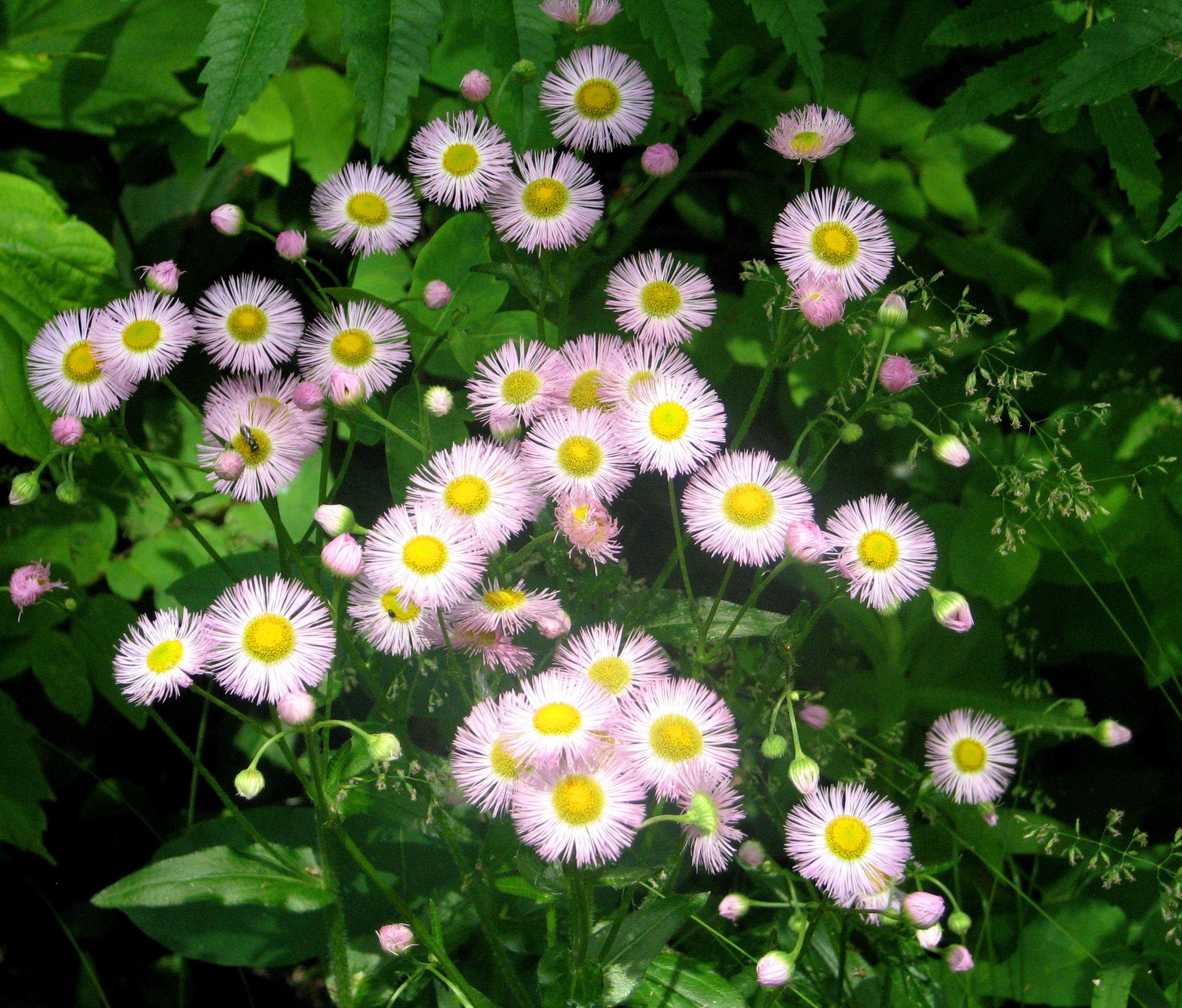
The hallmark of Fleabane lies in its small, daisy-like flowers clustered at the tips of stems. The blooms are usually white or pale purple with yellow centers, attracting a myriad of pollinators including bees, butterflies, hoverflies, and other beneficial insects. The flowering period varies regionally but generally occurs from late spring to early fall. Its prolific flowering and attractive nectar make Fleabane important for supporting pollinator populations.
Habitat and Distribution
Originally native to the Americas, Fleabane has spread to temperate and subtropical regions worldwide owing to its adaptability and ease of cultivation. It thrives in various environments, including: – Disturbed areas such as roadsides, waste grounds, and abandoned fields. – Grasslands and open woodland margins. – Agricultural fields, where it can sometimes be considered a weed. – Eroded slopes and degraded soils, owing to its deep-rooted nature. Its ability to tolerate poor soils, drought, and disturbance events makes it resilient and ecologically significant, especially in land restoration projects.
Cultural and Historical Significance
Traditional Medicine and Ethnobotany
Long before modern science, Indigenous peoples across North and South America recognized Fleabane’s medicinal potential. Traditional uses include: – Respiratory conditions: Infusions and decoctions were used to treat coughs, bronchitis, and colds. – Digestive issues: It was employed as a mild laxative and remedy for indigestion or bloating. – Skin ailments: Topical poultices made from the plant were applied to wounds, boils, and skin irritations to expedite healing and reduce inflammation. – Pest control: Small quantities of dried leaves were burned to repel fleas and other pests, hence the common name. European herbalists learned of Fleabane’s applications from indigenous traditions, incorporating it into herbal remedies for respiratory support and wound healing.
Folklore and Symbolism
Across cultures, Fleabane has historically been associated with resilience, protection, and healing. In some European folklore, it was believed that carrying or planting Fleabane could ward off pests and evil spirits. Its symbolic link to endurance and renewal makes it a comforting botanical staple in traditional tales.
Ecological and Environmental Roles
Supporting Biodiversity
Fleabane’s flowers provide vital nectar for pollinators, especially in regions where alternative floral resources are limited during flowering seasons. By attracting bees, butterflies, and hoverflies, it plays an essential role in sustaining local pollinator populations, which are integral to ecosystem health.
Soil Erosion Control
Its robust root system—particularly the deep taproots—helps stabilize soils in disturbed or degraded lands. This capacity contributes significantly to erosion prevention on slopes and reclaiming areas affected by human activity or natural events.
Wildlife Habitats
Beyond supporting insects, Fleabane offers shelter and food for small birds and other wildlife. Its presence enhances habitat diversity and contributes to ecological resilience in managed and wild landscapes alike.
Medicinal Properties and Modern Pharmacology
Active Chemical Constituents
Advanced phytochemical studies have revealed that Fleabane contains a diverse array of bioactive compounds, including: – Flavonoids: Such as quercetin and kaempferol derivatives, known for antioxidant and anti-inflammatory effects. – Terpenoids: Volatile oils and sesterterpenoids contributing to antimicrobial activity. – Phenolic acids: Recognized for their free radical scavenging and health-promoting potentials. – Essential oils: With compounds like camphor, borneol, or other monoterpenes contributing to antimicrobial and aromatic properties. – Tannins and saponins: Potential roles in wound healing and immune modulation.
Therapeutic Uses Supported by Scientific Evidence
While much of Fleabane’s traditional use is supported by anecdotal evidence, ongoing research aims to substantiate its efficacy through rigorous scientific methods. – **Respiratory Health**: Extracts exhibit expectorant and anti-inflammatory effects, making them promising candidates for herbal remedies targeting bronchitis, coughs, and colds. – **Anti-inflammatory and Analgesic Effects**: Bioactive compounds inhibit pathways involved in inflammation, suggesting applications in arthritis and musculoskeletal pain. – **Antimicrobial Activity**: Laboratory studies demonstrate activity against bacteria such as *Staphylococcus aureus* and fungi like *Candida albicans*, indicating potential as a natural antimicrobial agent. – **Oxidative Stress Reduction**: The antioxidant capacity helps neutralize free radicals, implicating Fleabane in anti-aging formulations and chronic disease management.
Modern Functional and Complementary Medicine
Fleabane extracts are increasingly formulated into capsules, tinctures, teas, and topical ointments, aligning with holistic health trends. Formulation standards and quality control are vital for maximizing efficacy and safety, emphasizing the importance of sourcing from reputable suppliers.
Applications in Agriculture and Land Management
Natural Weed Control and Allelopathy
Fleabane’s vigorous growth and competitive nature can suppress other weeds, making it a natural alternative to chemical herbicides in some contexts. Its allelopathic properties—releasing compounds that inhibit surrounding plant growth—offer sustainable weed management strategies.
Green Manure and Soil Enrichment
Farmers and gardeners harvest Fleabane as a green manure crop. When plowed back into the soil, it adds organic matter, improves soil fertility, and stimulates beneficial microbial activity.
Restoration and Erosion Control
In degraded landscapes, Fleabane can be part of ecological restoration projects, stabilizing soils and fostering native biodiversity recovery.
Incorporating Fleabane into Practical Regimes
Preparation Guidelines
– **Herbal teas and infusions**: Use dried leaves or flowering tops steeped in hot water. – **Tinctures**: Prepare using alcohol-based extracts for concentrated medicinal use. – **Topical applications**: Infuse Fleabane extracts into oils or lotions for wound care and skin conditions. – **Sustainable harvesting**: Always collect from healthy populations, avoiding overharvesting, especially where the plant is native or threatened.
Dosage and Safety Recommendations
– Standardized herbal preparations typically recommend doses adapted to body weight, age, and health status. – For teas, 1–2 grams of dried herb per cup, consumed 1–3 times daily, is common. – Consult healthcare providers before internal use, particularly if pregnant or breastfeeding. – Conduct patch tests for topical use to verify skin compatibility. – Be cautious in allergy-prone individuals due to cross-reactivity with other plants in the Asteraceae family.
Safety Considerations and Precautions
Potential Allergies and Side Effects
Some individuals sensitive to plants like ragweed, daisies, or marigolds may experience allergic reactions when exposed to Fleabane. Symptoms include skin rash, itching, swelling, or respiratory discomfort.
Interactions with Medications
Fleabane may influence liver enzymes or interact with anticoagulants, antidiabetics, or immunosuppressants. Always seek medical advice before introducing it into treatment regimens.
Pregnancy and Lactation
Limited safety data warrants caution. Pregnant and nursing women should consult healthcare professionals before use.
Conservation Challenges and Sustainable Use
Managing Invasiveness
In some regions, Fleabane can become invasive, outcompeting endemic species. Proper management involves monitoring, preventing unchecked spread, and cultivating native alternatives.
Preserving Native Biodiversity
Conservation efforts emphasize the importance of protecting native plant communities while utilizing Fleabane sustainably, ensuring ecological balance and resilience.
Ethical Harvesting Practices
Adopt sustainable harvesting techniques such as partial cutting, avoiding root damage, and cultivation to prevent habitat degradation and overexploitation.
Comparative Table: Traditional Uses vs. Scientific Evidence
| Aspect | Traditional Uses | Scientific Findings | Confirmation Status |
|---|---|---|---|
| Respiratory Relief | Cough and bronchitis remedies | Expectorant and anti-inflammatory properties confirmed in vitro | Supported |
| Wound Healing | Topical poultices for skin injuries | Increased fibroblast activity and antimicrobial activity demonstrated | Supported |
| Anti-inflammatory | Herbal teas for joint pain | Reduction in inflammatory markers in animal models | Preliminary evidence |
| Antimicrobial | Traditional use in infection treatment | In vitro activity against bacteria and fungi | Supported |
Deeper Insights: Step-by-Step Framework for Using Fleabane
Assessing Need and Preparation
1. Identify the health issue or ecological purpose. 2. Source high-quality, correctly identified Fleabane from reputable suppliers. 3. Prepare the appropriate form—teas, tinctures, topical ointments—depending on application.
Dosage and Administration
– For internal use, begin with low doses (e.g., 1 teaspoon of dried herb per cup of tea) and adjust based on response. – For topical use, apply extracts or infusions to cleaned skin, avoiding sensitive areas. – Use for a defined period (e.g., 1–2 weeks) and monitor effects.
Monitoring and Adjustments
– Keep track of symptom changes and any adverse reactions. – Discontinue if hypersensitivity or side effects occur. – Consult healthcare providers for ongoing or severe issues.
Safety Tips and Troubleshooting
– If allergic symptoms develop, cease use immediately. – Do not exceed recommended doses. – Always disclose herbal use to healthcare professionals to avoid interactions.
FAQs: Common Questions About Fleabane
Is Fleabane safe for everyone?
While generally safe when used properly, individuals with allergies to related plants or sensitive skin should exercise caution. Pregnant or nursing women should consult their doctor before use.
Can Fleabane replace conventional medicine?
Fleabane can complement conventional treatments but should not replace medically prescribed therapies unless advised by a healthcare professional. The evidence base is promising but still evolving.
Where can I find quality Fleabane products?
Look for certified organic or reputable herbal suppliers that clearly label botanical identification and batch testing results.
Is Fleabane invasive or harmful to local ecosystems?
In some regions, it can be invasive; thus, responsible harvesting and management practices are essential to prevent ecological disruption.
Conclusion: Embracing Fleabane’s Potential Responsibly
This versatile plant stands at the intersection of traditional wisdom and scientific inquiry. Its impressive array of medicinal, ecological, and agricultural benefits underscores the importance of sustainable and informed use. As research progresses, Fleabane’s applications may expand further into evidence-based medicine, environmental management, and sustainable agriculture. Emphasizing responsible harvesting, accurate identification, and consultation with health experts ensures that Fleabane remains a beneficial resource rather than a problematic invasive. Implementing integrated management practices helps safeguard biodiversity while harnessing the plant’s full potential. In sum, Fleabane embodies resilience and healing—a botanical bridge linking ecological sustainability with human well-being, adaptable to the needs of current and future generations.
References
- World Flora Online. (2023). Conyza bonariensis. Available at: https://worldfloraonline.org
- National Center for Complementary and Integrative Health. (2023). Botanical data on Fleabane. Available at: https://nccih.nih.gov