
The Roots and Context of French Colonization in Algeria
The French colonization of Algeria, spanning over a century and a half, represents one of the most significant and complex episodes of European imperial expansion. Its origins are deeply intertwined with a confluence of factors—geopolitical interests, economic ambitions, cultural ideologies, and internal political dynamics—that collectively propelled France to establish a dominant presence in North Africa. To comprehend the multifaceted nature of this process, it is essential to explore the broader international environment of the 19th century, which was marked by heightened competition among European powers for overseas territories, as well as the specific circumstances within France that motivated, justified, and sustained this colonial enterprise.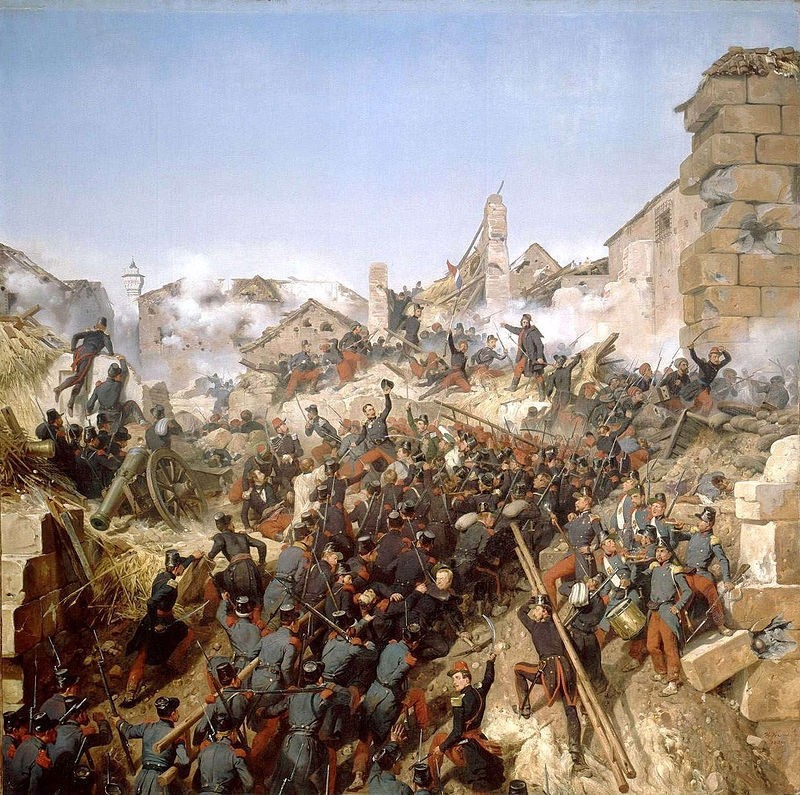
During the late 18th and early 19th centuries, Europe was embroiled in intense rivalries and territorial pursuits. The rise of industrialization and the expansion of global trade created a pressing need for new markets, raw materials, and strategic bases that could underpin national economic growth and military power. France, although weakened domestically by revolutionary upheavals and subsequent political shifts, sought to reassert its influence in the global arena through colonial expansion.
The decline of the Ottoman Empire’s control over North Africa, including regions like Algeria, created a geopolitical vacuum. Historically, the Ottoman Sultan had recognized local Algerian rulers—known as beys, dey, or emirs—as semi-autonomous vassals under nominal sovereignty. As Ottoman authority waned, local power structures fragmented, exposing the region to European intervention. France, driven by a desire to consolidate its Mediterranean dominance, saw an opportunity to seize this strategic territory, whose control would serve as a gateway to expanding into the African continent.
Economic Motivations and Exploitation
The economic imperatives behind French interest in Algeria cannot be overstated. At the time, European nations competed fiercely over the acquisition and exploitation of colonies as sources of raw materials and markets for their manufactured goods. Algeria, with its fertile soils and favorable climate, was particularly attractive for agricultural development. The potential for cultivating crops such as wheat, grapes, olives, oranges, and other commodities aimed at meeting both domestic needs in France and export demands in Europe.
Beyond agriculture, Algeria was rich in minerals and other natural resources. The deposits of iron ore, zinc, lead, phosphate, and other minerals presented opportunities for industrial exploitation. French policymakers and entrepreneurs envisioned transforming Algeria into a resource-based economy that would supplement France’s industrial ambitions back home. Development projects, including the construction of railways, roads, and ports, laid the groundwork for integrating Algeria into the French imperial economy, focusing primarily on benefiting French settlers and commercial interests rather than indigenous populations.
The colonization also facilitated the creation of a settler economy, where French settlers—referred to as pieds-noirs—would colonize the fertile lands, establishing large agricultural estates and benefitting from preferential access to land, resources, and political privileges. This created a highly stratified society, with Algerian natives largely relegated to subordinate roles in the economic hierarchy, often subjected to land dispossession and economic marginalization.
Strategic and Geopolitical Considerations
Algeria’s location along the Mediterranean coast made it a critical strategic asset for France, providing access to key maritime routes, naval bases, and a launching pad for further territorial ambitions in North and Sub-Saharan Africa. The occupation of Algeria was thus motivated partly by the desire to secure naval dominance in the Mediterranean, which was seen as vital for protecting French trade interests and expanding influence.
Furthermore, the conquest protected France from other colonial rivalries, particularly from Britain, which possessed its own extensive empire stretching across Africa, Asia, and the Americas. Control over Algeria would help solidify France’s position against British ambitions in the region, especially considering British naval dominance and their colonial footholds in Egypt, Malta, and Gibraltar.
The diplomatic context also influenced the move. Following the 1827 Franco-Algerian conflict known as the “Tanzimat incident,” tensions escalated, culminating in the French decision to invade Algiers in 1830. This military intervention was partly justified by diplomatic pretexts and partly driven by direct economic and strategic interests. The initial invasion was followed by a sustained military campaign aimed at consolidating French control, which was complicated by active resistance from local Algerian leaders and tribes.
Ideology and Cultural Justifications
At the heart of France’s imperial ambitions lay specific cultural and ideological justifications rooted in colonialism and the Civilizing Mission. The 19th-century ideology of colonialism promoted the belief that European civilization was superior and that it was the duty of colonizers to civilize, modernize, and Christianize indigenous societies often viewed as backward or savage.
This racial and cultural superiority was often used to legitimize the conquest and subsequent colonization of Algeria. French policymakers articulated a narrative in which they saw themselves as bearers of progress, education, and enlightenment, aiming to uplift the Algerian people from perceived barbarism. The phrase “mission civilisatrice” became a guiding principle, emphasizing the supposed beneficence of French rule. This ideology was further reinforced by a historical lens that linked France to the legacy of ancient Rome’s North African territories, tapping into a broader civilizational narrative that placed France as the heir and preserver of classical civilization.
In practice, the Civilizing Mission translated into efforts to impose the French language, legal system, religion (Catholicism), and cultural norms on Algerian society. Indigenous customs, languages, and traditional authority structures were systematically undermined or marginalized through policies of assimilation and cultural suppression. French schools, religious missions, and administrative policies aimed at “Francophonizing” the population, often disregarding or dismissing indigenous identities and traditions.
Military Campaigns and the Path to Conquest
The conquest of Algeria was a protracted and often brutal military endeavor. Beginning with the invasion of Algiers in 1830, French troops faced resistance from established local rulers, especially Emir Abdelkader, whose guerrilla warfare strategies significantly delayed French consolidation of control. Abdelkader’s leadership became emblematic of Algerian resistance and national identity, inspiring future generations of independence fighters.
The French military employed a combination of conventional warfare, scorched-earth tactics, and strategic alliances with certain Arab and Berber tribes to weaken local resistance. The 1837 Treaty of Tafna was a temporary diplomatic concession that recognized some Algerian autonomy under the nominal leadership of local rulers, but France ultimately aimed to dismantle these political structures entirely. The brutal suppression of uprisings, mass killings, and forced evictions characterized the colonial military campaign, leaving a legacy of trauma and resistance.
Establishment of Formal Colonial Rule
The formalization of colonial rule was characterized by the establishment of French administrative structures, legal systems, and land policies. The colonial government implemented a hierarchy that privileged French settlers and largely marginalized Algerian natives. Land laws allowed for the confiscation of land from indigenous farmers, which was then reallocated to settlers or used for plantation agriculture.
The French colonial administration aimed at integrating Algeria into the broader French empire, making it a settler-colony with its own administrative units, such as départements, and local governing councils controlled by French officials and settlers. Indigenous Algerian political structures, such as the dey’s authority or local tribal councils, were systematically dismantled or co-opted into the colonial bureaucracy, often subordinating traditional authority to French oversight.
This process created a deeply unequal society marked by racial segregation and systemic discrimination. The indigenous population faced restrictions on land ownership, political participation, and civil rights, enforced through a legal framework that rooted the colonial hierarchy in French law and policies.
Socioeconomic Transformations: Resistance, Displacement, and Identity
The consequences of colonization extended deeply into the social fabric of Algerian society. French settlement policies and land dispossession displaced thousands of indigenous farmers, forcing many into impoverished urban areas or marginalized rural communities. The demographic landscape rapidly changed as French settlers and soldiers established new communities, often segregated from the indigenous population.
This upheaval led to profound social tensions. The colonized population experienced systemic discrimination, limited access to opportunities, and unequal treatment under the law. Education systems prioritized French language and values, often denying access to indigenous languages and traditions. These policies fostered a sense of alienation and resentment, fueling acts of resistance and a desire for independence.
Cultural identity was at the core of this resistance. Many Algerian leaders, intellectuals, and ordinary citizens emphasized preserving local traditions, languages, and practices despite colonial suppression. This cultural resistance eventually evolved into organized political movements, advocating for national sovereignty and the end of French rule.
The Path to Independence and the Long Struggle
Throughout the late 19th and early 20th centuries, Algerian resistance coalesced into a broader nationalist movement seeking independence from French colonial domination. The initial uprisings, such as those led by figures like Cheikh Mokrani in the 1870s, indicated persistent grievances over land dispossession, political exclusion, and cultural suppression.
The rise of modern nationalist movements after World War II, particularly the National Liberation Front (FLN), marked a turning point. The FLN’s militant struggle, which culminated in the Algerian War of Independence (1954–1962), was characterized by guerrilla warfare, terrorist tactics, and widespread popular mobilization. The conflict was brutal and protracted, with reports of torture, massacres, and systematic repression committed by both sides, drawing international attention and condemnation.
After years of fierce fighting and negotiations, France was compelled to grant independence to Algeria with the Évian Accords in 1962. The aftermath of independence was marked by massive displacement of pieds-noirs, the resurgence of Algerian national identity, and ongoing political upheavals rooted in the colonial history.
The Legacy of French Colonialism in Modern Algeria
The colonial legacy remains deeply embedded in contemporary Algerian society. Economic disparities, racial and social divisions, and cultural identities continue to be shaped by this history. The struggle for sovereignty, identity, and reconciliation persists, as Algeria grapples with the enduring consequences of colonization.
In France, debates over colonial memory, responsibility, and reparations continue, reflecting the complex relationship between the former empire and its former colonies. The legacy of cultural exchange, hybridity, and trauma remains a potent theme in both countries’ collective memories.
Sources and References
- Horne, Alistair. A Savage War of Peace: Algeria 1954-1962. New York: Viking Press, 1977.
- Ghors, Daniel. French Colonialism and Its Impact. Harvard University Press, 2002.
Advanced Data Analysis and Comparative Perspectives
Understanding colonization’s complexity requires examining comparative data on colonial practices, resistance patterns, and postcolonial outcomes. Below is a detailed data table illustrating key dimensions of French colonization in Algeria versus other colonial contexts.
| Factor | Algerian Colonial Experience | Other French Colonies (e.g., Indochina, West Africa) | British Colonies (e.g., India, Kenya) |
|---|---|---|---|
| Duration | 1830–1962 | Late 19th–mid 20th centuries | mid 19th–mid 20th centuries |
| Major Resistance | Emir Abdelkader (1830s–1840s), Algerian War (1954–1962) | Vietnam (First Indochina War), Kenya (Mau Mau Uprising) | Indian independence movement, Mau Mau uprising |
| Economic Exploitation | Agricultural estates, mineral extraction, settler economy | Plantation systems, resource extraction | Cash crops, resource exports |
| Language Policy | Suppression of indigenous languages; promotion of French | French in Indochina, English in Kenya, indigenous languages suppressed or hybridized | English as administrative language, local languages marginalized |
| Postcolonial Outcomes | Independence after prolonged conflict, complex legacy | Decolonization, often violent upheavals | Mostly peaceful transfer, diverse trajectories |
Concluding Reflections
The French colonization of Algeria exemplifies the intertwined narratives of imperial ambition, economic greed, cultural hegemony, and resistance. It underscores that colonial processes are not merely episodes of territorial acquisition but deeply affect societal structures, cultural identities, and national consciousness. Recognizing this history, particularly through platforms like the Free Source Library, helps foster a nuanced understanding of postcolonial realities and the ongoing legacies that shape contemporary geopolitics and cultural identity around the world.
As Algeria continues its journey of postcolonial redress and self-definition, acknowledging the profound impacts of colonialism remains essential for fostering reconciliation, justice, and a shared understanding of history’s long shadow.