
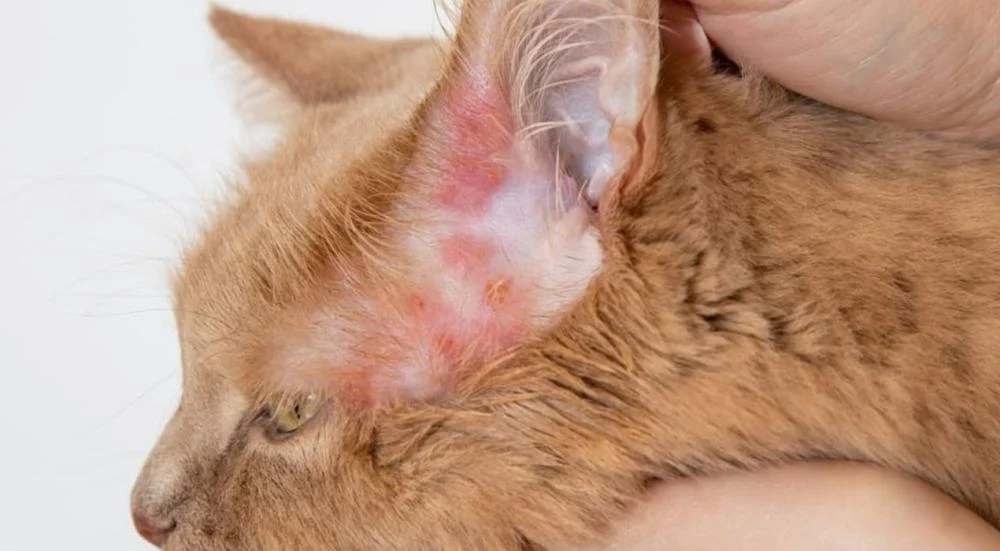
 Free Source Library — A comprehensive exploration of the causes of fungal infections in cats, offering deep insights into their origins, transmission pathways, and preventive strategies.
Understanding Fungal Infections in Cats: Causes, Risks, and Underlying Factors
Fungal infections in cats are complex, multifaceted health issues that can significantly impact a feline’s well-being if not recognized and managed promptly. These infections, often colloquially called “cat fungi,” encompass a variety of pathogen types that invade different tissues and systems within the animal’s body. To truly grasp their origins, it is essential to delve into their underlying causes, environmental factors, immune mechanisms, and the social and behavioral traits that influence their development. This extensive exploration aims to equip pet owners, veterinarians, and animal caretakers with a richer understanding of why feline fungal infections occur, how they spread, and what can be done to prevent, identify, and treat these conditions effectively. By appreciating the intricate layers of causation, we can foster more proactive health management strategies for our feline companions.
Key Types of Fungal Pathogens Affecting Cats
Understanding the specific fungi that cause infections in cats provides a foundation for recognizing their modes of transmission, the tissues most affected, and the unique challenges they present.
1. Dermatophytes (Ringworm: Dermatophytosis)
Among the most common and visibly alarming fungal infections in cats is dermatophytosis, better known as ringworm. Despite its name, it is not a worm but a fungal infection caused predominantly by dermatophyte species such as Microsporum canis, Microsporum gypseum, and Trichophyton mentagrophytes.
These fungi invade keratinized tissues — skin, hair, and nails — leading to distinctive circular lesions, hair loss, scaling, and sometimes secondary bacterial infections. The infection’s hallmark is its contagiousness, capable of spreading rapidly among cats in close contact and from contaminated environments.
2. Yeast Infections (Candida spp.)
Yeasts, especially species within the Candida genus, can cause localized or systemic infections. Candida albicans is the predominant culprit impacting areas such as ear canals, skin folds, and mucous membranes. These infections often develop secondary to other health issues or antibiotic use, which disrupts the normal microbiota balance, allowing yeast overgrowth.
3. Aspergillosis (Aspergillus spp.)
Predominantly affecting the respiratory system, aspergillosis is caused by Aspergillus fumigatus and related species. Spores become airborne from decaying organic material such as compost, soil, or rotting vegetation, which cats may inhale during outdoor excursions. These spores can germinate in the nasal passages or sinuses, leading to infections that are challenging to treat once established.
4. Cryptococcosis (Cryptococcus neoformans and Gattii)
This systemic fungal disease is caused by the encapsulated yeasts Cryptococcus neoformans and Cryptococcus gattii. These fungi are prevalent in environments contaminated with bird droppings or decaying organic matter. Inhalation of spores can lead to dissemination affecting the nasal cavity, brain, eyes, and central nervous system, manifesting as neurological symptoms and nasal masses.
Mechanisms and Pathways of Transmission
The spread of fungal pathogens in cats is influenced by various environmental and biological factors, often involving multiple transmission routes that facilitate rapid infection within populations.
1. Direct Contact
Physical contact with infected cats, their grooming tools, bedding, or contaminated surfaces is a primary transmission route. For example, a cat grooming itself or another infected cat can acquire dermatophytes or yeasts on its skin or fur. This mode of transmission underscores the importance of hygiene and quarantine practices during outbreaks.
2. Environmental Contamination
Fungi such as dermatophytes are resilient and can survive in the environment for months, especially in warm, humid settings. Contaminated bedding, furniture, carpets, and grooming equipment serve as reservoirs and sources of infection. Environmental persistence is particularly problematic in shelters, catteries, and multi-cat households.
3. Soil and Organic Material
The spores of fungi like Aspergillus are naturally present in soil and decaying plant matter. Cats who spend time outdoors digging, hunting, or exploring soil and vegetation are at an increased risk of inhaling or ingesting these spores, triggering respiratory or systemic infections.
4. Inhalation of Spores
Fungal spores released into the air from organic matter, compost piles, or decaying vegetation can be inhaled by cats. Once inhaled, spores can colonize the respiratory system or disseminate elsewhere, especially in immunocompromised cats.
5. Fecal and Urinary Spread
Some fungi can survive within organic waste in litter boxes or contaminated areas. While less common, this route may facilitate infection, particularly if the cat grooming areas are contaminated with fungal spores from feces or urine.
The Role of the Immune System in Fungal Disease Susceptibility
The immune system serves as the principal defender against fungal pathogens. When it is compromised, the likelihood of infection significantly increases.
1. Immune Suppression and Fungal Vulnerability
Cats with an impaired immune response—due to viral infections such as feline immunodeficiency virus (FIV) or feline leukemia virus (FeLV)—are far more prone to develop aggressive and recurrent fungal infections. The immune compromise hampers their ability to contain fungal spores, leading to systemic spread or persistent skin lesions.
2. Underlying Health Conditions
Chronic illnesses like diabetes mellitus, hyperthyroidism, or autoimmune disorders diminish immune efficiency, creating opportunities for fungi to establish infection. For instance, poorly controlled diabetes can impair neutrophil function and diminish skin integrity, providing a gateway for dermatophytes or yeasts to invade.
3. Age-related Susceptibility
Neonatal kittens possess immature immune systems, making their skin and mucous membranes more vulnerable to dermatophyte invasion. Conversely, senior cats often experience immune decline, increasing their risk of systemic fungal diseases.
Environmental and Lifestyle Factors Contributing to Fungal Infections
Beyond biological susceptibility, environmental conditions heavily influence the prevalence and severity of fungal infections.
1. Poor Hygiene and Sanitation
Inadequate cleaning of living spaces, bedding, and grooming tools fosters a breeding ground for fungi. Areas with accumulated debris, moisture, and dirt promote fungal proliferation and transmission.
2. Overcrowded Environments and Stress
Multi-cat households or shelters with high-density populations facilitate contact and environmental contamination. Stressful conditions, including noisy or unstable environments, suppress immune response and predispose cats to infections.
3. Climate and Geographic Factors
| Factor | Impact on Fungal Infection Risk | Typical Regions & Conditions |
|---|---|---|
| Humid Climates | Increases fungal spore survival | Southern US, Southeast Asia, tropical regions |
| Dry, Arid Areas | Lower prevalence but still possible due to specific fungi | Desert regions, arid zones |
| Urban Environments | Higher risk due to pollution, infrastructure | City landscapes with decaying organic matter |
| Rural / Agricultural Settings | Potential exposure via soil and organic waste | Farms, forestry areas |
4. Indoor vs. Outdoor Lifestyle
Outdoor cats are exposed to a broader range of environmental fungi—soil, decaying plant matter, bird droppings—resulting in higher infection risk. Indoor cats, however, are often protected but can still contract fungi via contaminated bedding, grooming tools, or via infected humans or other pets.
5. Seasonal Variations
Fungal infections often surge during humid, rainy seasons when environmental fungi thrive. Warm temperatures and moisture create ideal conditions for fungal growth, extending the window for infection risk.
Genetic and Breed-Related Predispositions
While environmental factors dominate, genetic elements also influence susceptibility.
1. Breed Susceptibility
Certain breeds, such as Siamese or Himalayan cats, with particular skin traits or immune profiles, may show increased vulnerability to fungal infections, especially dermatophytes. Skin structure, coat density, and genetic immune responses contribute to breed-specific risks.
2. Innate Immunity Variability
Genetic differences affecting immune system genes (such as those controlling cytokine production or skin barrier integrity) can predispose some cats to persistent or recurrent fungal infections.
Implications of Fungal Pathogens in Different Environments and Conditions
The risk factors and causes outlined above culminate in a complex landscape where fungal infections can manifest differently depending on numerous variables. Recognizing these intricacies aids in developing tailored prevention and management strategies.
1. Indoor Cats: The Hidden Threats
Despite living in controlled environments, indoor cats can still contract fungi via contaminated furniture, grooming items, or from pet owners carrying spores. Maintenance of hygiene, regular grooming, and environmental cleaning are critical in these settings.
2. Outdoor Cats: Greater Exposure
Cats with access to outdoor environments encounter soil, decaying vegetation, bird droppings, and organic debris—all rich sources of fungal spores. They are especially at risk for systemic and respiratory fungal diseases.
3. Cross-Contamination in Multi-Pet Settings
Fungal spores can rapidly disseminate in shelters, breeding facilities, or multi-pet households, necessitating rigorous hygiene protocols, quarantine procedures, and environmental decontamination.
A Holistic Approach to Preventing Fungal Infections in Cats
Prevention involves a multi-layered strategy encompassing environmental management, health monitoring, behavioral practices, and veterinary interventions.
1. Maintain Excellent Hygiene
- Regular grooming and bathing with appropriate veterinary-approved products
- Frequent cleaning and disinfection of bedding, furniture, and living areas
- Proper disposal of grooming tools and bedding in sealed containers
2. Minimize Environmental Risks
- Avoid outdoor exposure during peak fungal growth seasons
- Prevent access to contaminated soil, decaying vegetation, or bird droppings
- Implement pest control measures to reduce bird and rodent access
3. Promote Immune Health
- Ensure a balanced, nutrient-rich diet to support immune function
- Provide stress-free environments with enrichment and routine
- Keep vaccinations current and address underlying health issues promptly
4. Regular Veterinary Checks
- Routine skin and health examinations to catch early signs
- Fungal screenings if the cat shows symptoms or is at risk
- Timely treatment of underlying conditions that weaken immunity
5. Infection Control in Multi-Cat Households
- Segregate infected or questionable cats during outbreaks
- Disinfect communal areas regularly
- Limit shared grooming tools and bedding until cleared of infection
Diagnosing and Managing Fungal Infections: The Role of Timely Intervention
Early detection and precise diagnosis significantly influence treatment outcomes and reduce the risk of widespread infection. Fungal infections are diagnosed through a combination of clinical signs, microscopic examination, fungal cultures, and molecular diagnostics.
Key Diagnostic Approaches:
- Wood’s lamp examination for microsporum dermatophyte fluorescence
- Fungal culture of skin, hair, or tissue samples
- Microscopic examination of skin scrapings and cytology
- Serological or molecular tests (PCR) for specific fungi
Effective management involves antifungal medications tailored to the identified pathogen, combined with supportive care to restore skin health and immune function.
Deep Dive: Case Scenarios and Practical Frameworks
To illustrate, consider the typical progression from exposure to clinical disease in a young outdoor cat during humid months. Environmental exposure to soil containing Aspergillus spores can lead to inhalation and lung colonization. If the cat’s immune system is compromised—say, due to stress or concurrent illness—the infection may spread, requiring a combination of antifungal therapy, environmental modifications, and supportive care. Similarly, indoor multi-cat households experiencing recurrent dermatophyte outbreaks benefit from implementing strict hygiene routines, environmental decontamination, and quarantine measures. A step-by-step workflow for managing suspected fungal outbreaks might include: 1. Recognize early symptoms (scaling, hair loss, nasal discharge). 2. Isolate affected animals. 3. Conduct diagnostic testing (fungal culture, microscopy). 4. Begin targeted antifungal therapy. 5. Clean and disinfect the environment thoroughly. 6. Educate pet owners on preventive routines. 7. Follow-up to confirm resolution and prevent recurrence.
Comparison of Common Fungal Pathogens in Cats
| Fungal Species | Major Affected Tissues | Transmission Routes | Environmental Reservoirs | Typical Treatment Challenges |
|---|---|---|---|---|
| Microsporum canis | Skin, hair, nails | Direct contact, environment | Collapsed hair, contaminated surfaces | Environmental persistence, relapse |
| Candida albicans | Mucous membranes, skin folds, ears | Endogenous overgrowth, antibiotic-induced | Gut, skin fungi flora | Secondary infections, immune status |
| Aspergillus fumigatus | Respiratory tract, sinuses | Inhalation of spores | Soil, decaying vegetation | Difficult penetration, drug resistance |
| Cryptococcus neoformans | Nasal cavity, CNS, eyes | Inhalation of spores | Bird droppings, decaying matter | Delayed diagnosis, systemic spread |
Conclusion: Integrating Knowledge for Better Fungal Disease Control
A thorough understanding of the myriad causes of fungal infections in cats underscores the vital importance of environmental management, immune health, hygiene practices, and early diagnosis. Recognizing the roles played by environmental exposure, immune compromise, behavioral factors, and genetic predispositions empowers pet owners and veterinarians to implement targeted prevention programs. Addressing these causes proactively not only reduces incidence rates but also enhances the prognosis for infected cats. Developing a customized plan—combining environmental control, immune support, regular veterinary care, and owner education—is the most effective strategy to combat fungal diseases in our feline friends.
References
- American Veterinary Medical Association. Fungal Diseases in Cats. AVMA Resources.
- World Organisation for Animal Health (OIE). Fungal Infections in Small Animals. OIE Guidelines.