
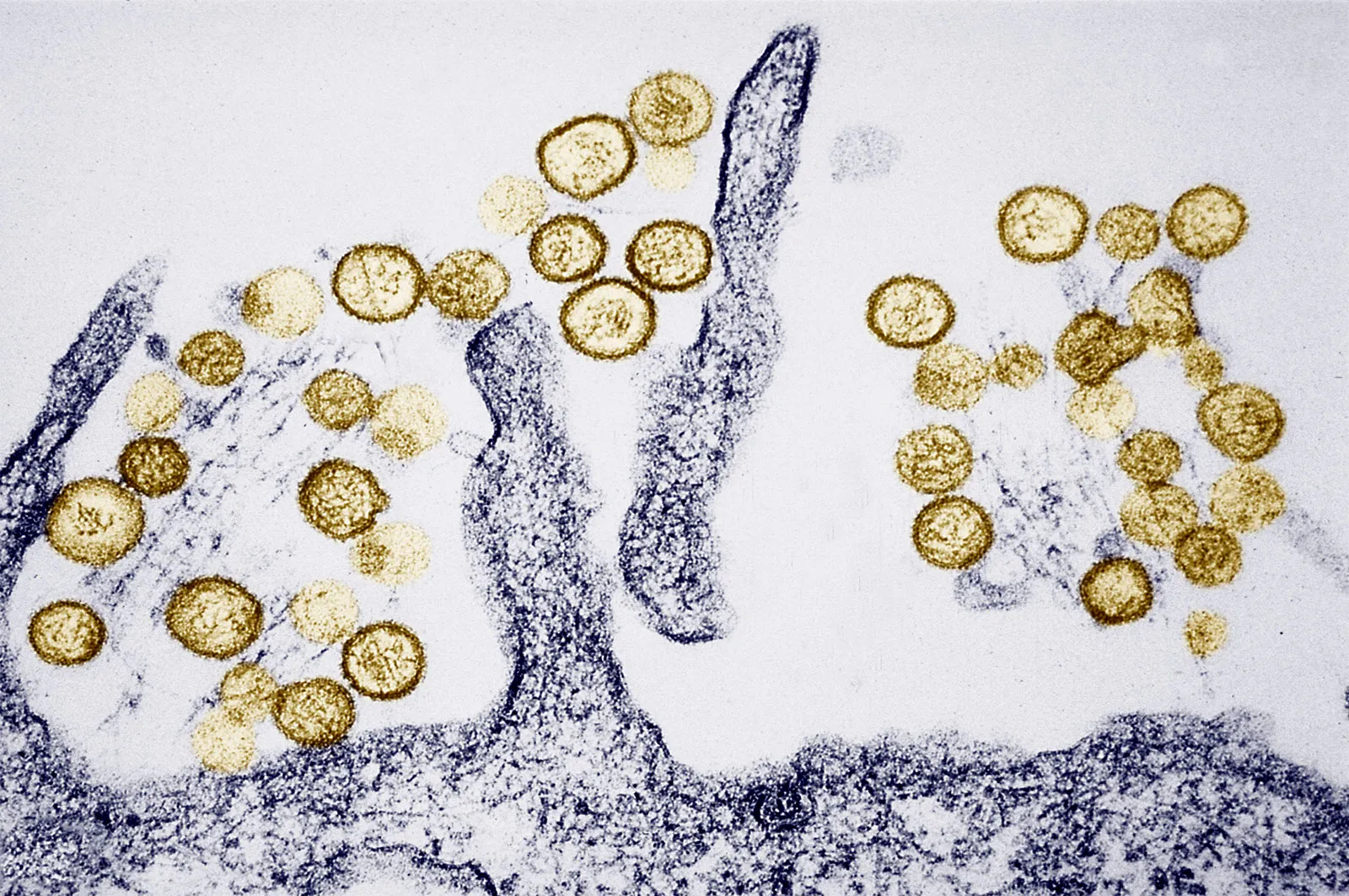
Hantavirus: A Comprehensive Scientific and Public Health Perspective
Hantaviruses represent a significant, though often overlooked, group of zoonotic pathogens with the potential to cause severe disease outbreaks and high mortality rates in humans. These viruses, transmitted primarily through contact with infected rodents and their excreta, have garnered increased attention due to their unpredictable epidemiology, pathogenic diversity, and the challenge they pose to global public health infrastructure. The understanding of hantavirus biology, transmission dynamics, clinical manifestations, diagnostic approaches, and preventive strategies is essential for health professionals, researchers, and communities living in endemic and emerging risk zones. This article, published through freesourcelibrary.com, offers an in-depth exploration of hantaviruses, integrating current scientific knowledge, epidemiological data, clinical insights, and public health responses to guide effective control and management.
Historical Background and Evolution of Hantavirus Knowledge
The recognition of hantaviruses as causative agents of severe human disease dates back to the mid-20th century, with initial outbreaks associated with hemorrhagic fever in Asia and Europe. These early episodes, characterized by sudden-onset febrile illnesses with hemorrhagic manifestations, were often confused with other hemorrhagic fevers prevalent in those regions, such as Ebola or Marburg. The pivotal discovery of a novel virus responsible for Korean hemorrhagic fever in the 1970s, subsequently identified as a hantavirus, revolutionized understanding of these pathogens. This breakthrough was followed by the identification of multiple distinct hantavirus species, each linked to specific rodent reservoirs, highlighting the complex ecology underpinning hantavirus transmission. These discoveries underscored the importance of understanding rodent populations, environmental factors, and human behaviors that facilitate zoonotic spillover, thus shaping modern epidemiological and public health strategies.
Taxonomy and Virological Characteristics of Hantaviruses
Family and Classification
Hantaviruses belong to the family Hantaviridae, within the order Bunyavirales. This family comprises a diverse group of enveloped, negative-sense single-stranded RNA viruses. Their genomes are segmented into three parts: large (L), medium (M), and small (S), encoding the RNA-dependent RNA polymerase, glycoproteins, and nucleocapsid protein respectively. The classification of hantaviruses is primarily based on genetic sequence diversity, reservoir host association, and geographic distribution.
Genomic Structure and Replication
The segmented nature of hantavirus genomes facilitates genetic reassortment, which can generate novel strains with altered virulence or host range. The viruses enter host cells via receptor-mediated endocytosis, primarily interacting with integrins and other cell surface molecules. Once inside, they replicate in the cytoplasm, assembling progeny virions that bud from cellular membranes. The stability of the viral envelope and the robustness of the nucleocapsid determine environmental persistence and transmission potential.
Reservoir Hosts
Each hantavirus species maintains a specific rodent reservoir, which typically remains asymptomatic over prolonged periods. These reservoir hosts include various species of mice, rats, and voles. Importantly, the virus’s ability to persist asymptomatically in rodents creates a persistent environmental contamination risk, especially in areas of high rodent density and human-rodent interface.
Global Distribution and Diversity of Hantaviruses
The distribution of hantaviruses follows the geographic ranges of their reservoir hosts, with notable endemicity across different continents:
- Americas: Hantaviruses here cause hantavirus cardiopulmonary syndrome (HCPS), with prominent species including Sin Nombre virus in North America and Andes virus in South America.
- Europe and Asia: These regions primarily experience hemorrhagic fever with renal syndrome (HFRS), caused by viruses such as Hantaan, Seoul, Puumala, and Dobrava viruses.
Emerging strains and novel variants continue to be identified worldwide, underscoring the dynamic evolution of hantaviruses under ecological pressures and anthropogenic influences.
Pathogenesis and Disease Spectrum
Infection Dynamics in Reservoir Hosts
In rodents, hantaviruses establish a persistent, asymptomatic infection, often confined to specific tissues, especially the lungs, kidneys, and salivary glands. This asymptomatic carriage facilitates environmental shedding through urine, feces, and saliva, leading to contamination of surfaces, soil, and water sources.
Mechanisms of Human Infection
Humans are incidental hosts, infected primarily via inhalation of aerosolized rodent excreta. The virus can also transmit through bites, though this route is rare. Once inhaled, the virus targets endothelial cells lining blood vessels, disrupting vascular integrity and triggering inflammatory cascades that underpin clinical pathology.
Pathophysiology of Hantavirus Diseases
Hantavirus infections manifest as two major syndromes: HCPS in the Americas and HFRS in Europe and Asia. Both involve vascular leakage but differ in organ involvement and clinical course. The pathogenesis involves direct viral effects and the host’s immune response, leading to increased vascular permeability, capillary fragility, and multi-organ dysfunction.
Clinical Manifestations and Disease Progression
Hantavirus Pulmonary Syndrome (HCPS)
HCPS is characterized by a sudden onset of prodromal symptoms including fever, myalgia, malaise, and gastrointestinal complaints. This initial phase, lasting 2-4 days, is followed by a cardiopulmonary phase marked by rapid progression to pulmonary edema, hypoxia, and respiratory failure. The hallmark features include cough, shortness of breath, and crackles on auscultation. The pathophysiology involves increased capillary permeability in pulmonary vasculature, leading to alveolar flooding.
The mortality rate in HCPS can reach up to 50%, emphasizing the severity of the disease. Factors influencing prognosis include early recognition, supportive care quality, and comorbid conditions.
Hemorrhagic Fever with Renal Syndrome (HFRS)
HFRS exhibits a biphasic or triphasic course with initial symptoms such as high fever, headache, back pain, and gastrointestinal disturbances. As the disease progresses, patients develop hypotension, bleeding tendencies, and signs of renal impairment, including oliguria, proteinuria, and eventual renal failure. Hemorrhagic manifestations may include petechiae, ecchymoses, or hematemesis.
The severity of HFRS varies by viral species; for example, infection with Hantaan virus can have a case fatality rate up to 15%, whereas Puumala virus leads to a milder form with mortality below 1%.
Diagnostics and Laboratory Investigations
Clinical and Epidemiological Assessment
Diagnosis hinges on a thorough clinical history emphasizing exposure to rodents, environmental risks, and recent travel. Recognizing early febrile illness with compatible epidemiology is critical for prompt testing. Differential diagnoses include influenza, leptospirosis, dengue, COVID-19, bacterial sepsis, and other viral hemorrhagic fevers.
Serologic Testing
Detection of hantavirus-specific IgM antibodies indicates recent infection, while rising IgG titers suggest ongoing or past exposure. Enzyme-linked immunosorbent assays (ELISA) are the standard serological tools used globally.
Molecular Diagnostics
Reverse transcription-polymerase chain reaction (RT-PCR) assays enable direct detection of viral RNA during the viremic phase, especially in early illness. RT-PCR is highly sensitive and specific, supporting outbreak investigations and strain typing. However, sample handling necessitates biosafety level 3 (BSL-3) containment to prevent laboratory-acquired infections.
Additional Laboratory Markers
- Thrombocytopenia
- Hemoconcentration
- Elevated liver enzymes
- Proteinuria and hematuria in HFRS
Treatment Strategies and Clinical Management
Supportive Care: The Mainstay of Treatment
Currently, no specific antiviral therapy has been conclusively proven effective in humans. Management focuses on early supportive interventions: oxygen therapy, ventilatory support in HCPS, fluid management, and renal replacement therapy in HFRS.
Use of Ribavirin
Some studies suggest that ribavirin, a broad-spectrum antiviral, may reduce disease severity if administered early, especially in HFRS caused by certain strains. However, its routine use remains controversial, and clinical practice emphasizes supportive measures.
Intensive Care and Monitoring
Patients with severe disease require close monitoring of respiratory function, hemodynamics, and renal parameters. Mechanical ventilation, vasopressors, and dialysis are employed as needed.
Prevention and Public Health Measures
Environmental Controls
Reducing contact with rodents forms the cornerstone of hantavirus prevention. Strategies include sealing entry points in homes, eliminating food sources, and maintaining clean surroundings. Regular pest control is vital, especially in endemic regions.
Safe Cleaning Practices
Cleaning rodent-infested areas must be performed with damp cloths or mops to avoid aerosolizing infectious particles. The use of personal protective equipment (PPE), including masks, gloves, and eye protection, reduces infection risk during cleanup.
Community Education and Awareness
Public health campaigns should focus on educating communities about rodent control, safe waste disposal, and recognizing early symptoms of hantavirus disease. Special emphasis is needed in rural, agricultural, and disaster-affected areas.
Occupational and Travel Precautions
People engaged in farming, forestry, or construction should adopt protective measures, including PPE and rodent-proof clothing. Travelers to endemic regions should avoid contact with rodent habitats and remain vigilant regarding environmental hygiene.
Vaccines and Therapeutics Development
Current Status of Vaccines
Research into hantavirus vaccines has been ongoing for decades, with some candidates reaching clinical trials. A few inactivated and subunit vaccines have demonstrated immunogenicity, but none have achieved universal approval or widespread use. Challenges include strain variability, biological safety, and logistical considerations.
Emerging Therapeutic Strategies
Advances in antiviral agents, immunomodulatory therapies, and monoclonal antibodies offer hope for future treatment options. The development of targeted vaccines and antiviral drugs remains a priority in global hantavirus research efforts.
Public Health Surveillance and Outbreak Response
Monitoring and Data Collection
Robust surveillance systems are essential for early detection of cases and tracking epidemiological trends. Integrated databases that record case demographics, geographic spread, and viral genotypes facilitate risk assessment and resource allocation.
Outbreak Management
Rapid containment involves case isolation, contact tracing, community engagement, and environmental interventions. Ensuring healthcare preparedness and stockpiling essential supplies are crucial during outbreaks.
Global and Regional Collaborations
Organizations such as the WHO and CDC coordinate international efforts to standardize diagnostic protocols, share research findings, and develop response strategies. Knowledge exchange enhances preparedness and mitigates future epidemics.
Case Study: 2026 Andes Virus Outbreak on MV Hondius
Event Summary
In early April 2026, an outbreak of Andes hantavirus was identified aboard the MV Hondius cruise ship operating in the Atlantic Ocean, with cases reported near Cape Verde and connections to Tristan da Cunha. The incident is notable for its recent occurrence and the documented human-to-human transmission, a phenomenon rarely observed with hantaviruses.
Epidemiological Details
As of May 6, 2026, seven confirmed or suspected cases had been reported, with three fatalities. The outbreak’s origin was linked to a stopover at Tristan da Cunha, where four islanders boarded the vessel. The incubation period ranged from 1 to 8 weeks, with symptoms including fever, muscular aches, and rapid respiratory decline. The high mortality rate underscored the virus’s severity and the importance of swift public health intervention.
Public Health Response
The WHO and regional health agencies coordinated containment measures, including isolation protocols, contact tracing, and enhanced surveillance. The situation prompted urgent review of biosecurity measures at ports and recommendations for healthcare facilities treating potential cases.
Implications for Future Preparedness
This outbreak highlights the evolving understanding of hantavirus transmission dynamics, especially regarding the potential for human-to-human spread of some strains. It underscores the need for adaptive public health policies, enhanced diagnostic capacities, and international cooperation to address emerging zoonotic threats.
Conclusion and Future Perspectives
Hantaviruses epitomize the intricate interface between humans, animals, and the environment. Their capacity to cause severe, often fatal, diseases necessitates ongoing surveillance, research, and public health vigilance. Advances in diagnostics, vaccine development, and antiviral therapies hold promise for reducing disease burden. Simultaneously, emphasis on ecological management and community education remains vital to prevent spillover events. As climate change, urbanization, and human encroachment alter rodent habitats, the risk of hantavirus outbreaks may increase, demanding adaptive, evidence-based responses from the global health community. The continuous efforts led by organizations such as WHO and CDC are instrumental in shaping a resilient and proactive approach to these formidable pathogens.
For further detailed information and ongoing research updates, readers are encouraged to consult reputable sources such as the WHO guidelines on hantavirus and the CDC’s dedicated pages on hantavirus infections.