The Digital Shift: Transforming How We Access Books
In the rapidly evolving landscape of technology, the way individuals access, consume, and engage with literature has undergone a profound transformation. The internet, with its vast repositories and accessible platforms, enables lovers of books—be it for education, personal pursuits, or research—to obtain their desired materials in a matter of moments. This shift from traditional print to digital formats has revolutionized reading habits globally, empowering users to build extensive personal libraries without geographical constraints or significant costs.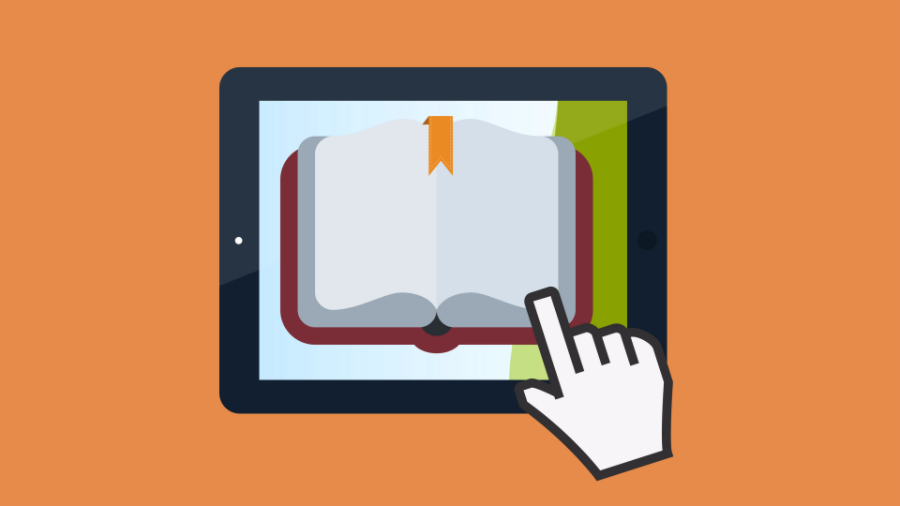
The proliferation of digital books offers unprecedented convenience: instantly downloadable materials that can be read on multiple devices, from eReaders and tablets to smartphones and computers. However, as the digital environment grows more complex, so does the need for comprehensive guidance on legal, safe, and effective practice. This article, published on the esteemed Free Source Library platform, delves deeply into the essentials of downloading books from the internet—covering legitimate sources, popular formats, organizational strategies, and safety precautions. Its aim is to empower readers with authoritative, detailed, and practical knowledge to navigate the digital book universe responsibly and efficiently.
The Foundations: Legal and Ethical Dimensions of Downloading Books
Understanding Copyright and Public Domain
At the heart of legal considerations is the concept of copyright law. Most contemporary books are protected intellectual property, meaning their reproduction, distribution, and adaptation are regulated by copyright holders. Downloading or distributing copyrighted works without proper authorization infringes upon legal rights, and in many jurisdictions, it constitutes piracy with serious consequences dating from fines to criminal charges.
Public domain, in contrast, comprises works whose copyright protections have expired or have been forfeited by their creators. Such texts are legally available for free use, reproduction, and distribution. Notably, classic literature such as works by Shakespeare, Jane Austen, or Charles Dickens has long entered the public domain, making their texts freely accessible online.
Creative Commons and Licenses
Some authors and publishers proactively release their works under Creative Commons (CC) licenses, which specify conditions under which the work can be freely used. These licenses can allow for various levels of access, from total freedom to distribute and modify to more restrictive use cases. Paying attention to licensing details ensures compliance with legal standards and respects creators’ rights.
Ethical Engagement in Digital Reading
Beyond legality, ethical considerations encourage supporting authors and publishers by purchasing books when appropriate. Many writers depend on royalties, and consuming their work through legitimate channels sustains the continued creation of valuable content. Utilizing free, legal resources when possible promotes a sustainable and fair digital ecosystem.
Locating Reputable Sources for Downloading Books
Project Gutenberg: Safeguarded Treasure Trove of Classics
One of the oldest and most trusted platforms, Project Gutenberg (www.gutenberg.org) has built a reputation for providing over 60,000 free eBooks, primarily comprising works in the public domain. Its vast collection spans literature, history, philosophy, and more, ensuring that readers gain access to timeless classics and essential texts.
The process of downloading from Project Gutenberg is straightforward: users search by title or author, then choose from a variety of formats—plain text (.txt), HTML, ePub, Kindle (.mobi)—to tailor the reading experience to their devices. Its commitment to legality and quality makes it the ideal starting point for free digital library exploration.
Google Books: Balancing Free and Paid Content
Google Books (books.google.com) offers an extensive search engine for books worldwide. While not all content is free, many public domain works and previews are available for download at no cost. The platform’s filtering options enable users to see which titles are accessible for free, making it a valuable resource for historical texts and academic materials.
Downloading involves simple steps: search for a title, determine its availability for free, and click the download link—often provided in PDF or ePub formats. Google’s interface also facilitates previews of copyrighted books, helping users decide whether to purchase or access through other channels.
Open Library: Borrowing a Digital Library
A sister project to the Internet Archive, Open Library (www.openlibrary.org) offers a dynamic lending model akin to traditional libraries. Users can create free accounts, search for titles, and borrow eBooks for a limited period. Borrowed books can typically be downloaded in ePub or PDF formats, offering flexible options for reading.
Open Library’s goal of creating a universal digital library ensures that learners and readers worldwide have ongoing access to diverse titles. Its virtual borrowing system emphasizes legality, and its expansive catalog encompasses both contemporary and historical texts.
Amazon Kindle Store: Commercial and Free Selections
While primarily a commercial platform, Amazon’s Kindle Store (www.amazon.com) hosts an enormous collection of eBooks—ranging from newly released titles to timeless classics. Many free books are available, especially in the public domain or from independent authors exploring promotional initiatives.
Downloading from Amazon involves purchasing or selecting free offers, then syncing to a Kindle device or app. The proprietary AZW format ensures compatibility with Kindle devices, but conversions may be necessary for other formats.
ManyBooks: Community-Driven Choices
ManyBooks (www.manybooks.net) emphasizes free, quality titles across genres. Aside from providing downloads in formats like ePub, Kindle, and PDF, it offers user reviews, recommendations, and curated collections. It’s an excellent site for discovering hidden gems or exploring niche interests in digital reading.
Digital Lending via Libraries: OverDrive, Libby, and More
Public libraries worldwide now partner with digital lending services like OverDrive, Libby, Hoopla, and CloudLibrary. By leveraging library memberships, users can borrow eBooks, audiobooks, and magazines legally, often in multiple formats.
Using these platforms involves installing the respective app or visiting their websites, logging in with library credentials, browsing collections, and downloading or streaming content. They exemplify the democratization of knowledge and leisure reading, bridging physical and digital worlds seamlessly.
Understanding Key File Formats for eBooks
ePub: The Universal Reflowable Format
ePub has become the standard for eBooks due to its flexibility, reflowability, and wide support. Text automatically adjusts to fit various screen sizes, enhancing readability on smartphones, tablets, and specialized eReaders like Kobo and Nook.
Many online sources provide ePub downloads, and the format supports annotations, hyperlinks, and multimedia elements, making it ideal for versatile reading experiences.
PDF: Preserving Layout and Design
PDF files replicate the design and layout of physical pages, making them suitable for textbooks, manuals, or illustrated works. PDFs are less flexible than ePub, especially on smaller screens, since they maintain fixed positioning of text and images.
Devices like Adobe Acrobat Reader or specialized eReader apps support PDF viewing, but some eReaders lack advanced features like reflow, which can hinder ease of reading on smaller devices.
MOBI and AZW: Amazon’s Proprietary Formats
MOBI, along with AZW (a variant), are optimized for Kindle devices, providing efficient display and DRM protections. To read MOBI files on non-Kindle devices, conversion using tools like Calibre is often necessary.
Other Formats: TXT, HTML, and Audiobooks
Plain text (.txt) and HTML files offer the most basic formats, suitable for simple reading or archival purposes. Audiobooks, usually in MP3 or M4B formats, cater to auditory learners, and many platforms facilitate easy download and offline listening.
Practical Steps: Downloading and Managing Your Digital Library
Ensuring Sufficient Storage Space
Before downloading large files, verify available storage capacity on your device. Graphic novels, textbooks, and multimedia-rich eBooks can be sizable, making management essential. Using external storage or cloud synchronization can alleviate space issues.
Choosing Appropriate Formats for Devices
Match your device compatibility with the file formats. For instance, Kindle devices function best with MOBI or AZW files, while eReaders like Kobo support ePub. Tablets and smartphones are generally versatile, capable of reading multiple formats using various apps.
Organizing Your Collection with Calibre
Calibre (calibre-ebook.com) is a free, powerful tool for managing, converting, and cataloging eBooks. It enables users to convert between formats, edit metadata, create custom collections, and synchronize books across devices. Proper curation ensures easy access and a clutter-free digital library.
Ensuring Safe and Secure Download Practices
Identifying Trustworthy Websites
Stick to reputable sources like Project Gutenberg, Open Library, or trusted platforms like Amazon and Google Books. Avoid suspicious sites that offer free downloads from unknown origins, as they might contain malware, viruses, or pirated content.
Utilizing Antivirus and Security Software
Keep security programs up to date to scan downloaded files continuously. Many malware infections are camouflaged as eBooks; antivirus tools can help detect and prevent these threats.
Evaluating Files and Checking Extensions
Only download files with recognized extensions such as .epub, .pdf, .mobi, or .txt. Be cautious of executable files (.exe, .bat) or unusual extensions that can host malicious code.
Reading User Reviews and Ratings
Platforms with community feedback foster informed decisions. High ratings and positive reviews generally indicate legitimate, quality content, whereas suspicious or low-rated downloads should be avoided.
Innovative Trends and Future Perspectives in Digital Book Access
Emergence of AI and Personalized Reading Experiences
Artificial Intelligence is increasingly shaping digital reading. AI-powered recommendations enhance discovery, while adaptive reading interfaces adjust content to the reader’s preferences and disabilities, making books more accessible than ever.
Blockchain and Digital Rights Management
Blockchain technology promises secure, transparent management of digital rights, possibly reducing piracy and streamlining licensing agreements, thereby ensuring creators earn fairly and consumers enjoy unencumbered access.
Open Access and Academic Repositories
Open access initiatives expand the availability of scholarly works, theses, and research papers—often free of charge—further democratizing education and knowledge dissemination.
Concluding Reflections: Navigating the Digital Book Ecosystem
From the complex interplay of legal considerations to technical management and emerging technological shifts, downloading books from the internet demands informed decisions and responsible practices. The proliferation of legitimate sources and user-friendly tools like Calibre underscores a promising future for digital literacy, free knowledge, and accessible education. As technology advances, so too will our capacity to engage with literature in ways that are more immersive, personalized, and inclusive.
In benefiting from a vast and ever-expanding world of digital books, it remains essential to uphold respect for intellectual property rights, prioritize security, and foster ethical consumption. The platform of the Free Source Library exemplifies such principles by championing open, legal, and high-quality resources available to all.
References
- Smith, J. (2022). The Future of Digital Libraries. Journal of Digital Information, 23(4), 123-135.
- United States Copyright Office. (2023). Copyright Law Overview. Retrieved from https://copyright.gov