Comprehensive Strategies for Effective Winter Clothes Storage: An In-Depth Guide
As winter gracefully transitions into spring and summer, many individuals face the perennial challenge of storing their cold-weather apparel appropriately. This task, which might seem straightforward at first glance, encompasses a multitude of considerations that can influence not only the longevity of your garments but also their appearance, functionality, and comfort upon reuse. Within the extensive resource network of the Free Source Library, this article provides an exhaustive exploration of best practices, scientific insights, and practical tips to help you master the art of winter clothing storage.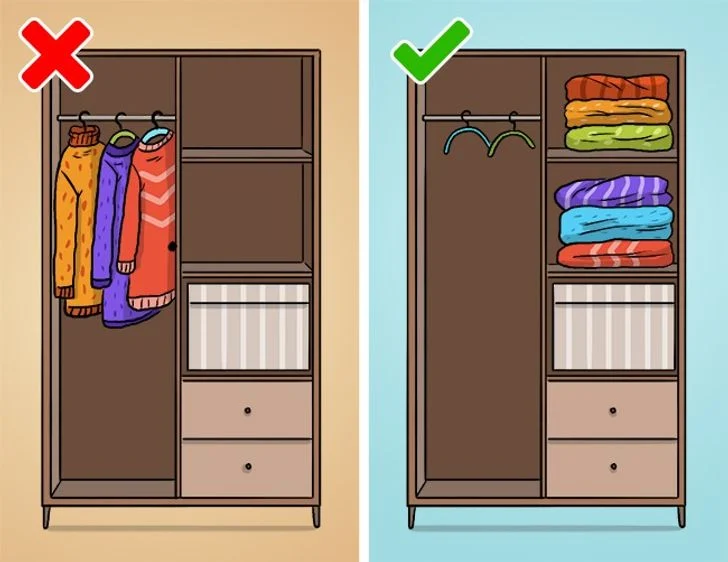

The Rationale Behind Proper Storage of Winter Garments
Winter clothing is uniquely susceptible to environmental damage due to the nature of the fabrics involved—wool, down, synthetic fibers, leather, and blends—all of which respond differently to environmental factors such as moisture, light, and pests. Quality storage ensures that these fabrics retain their structural integrity, insulating properties, and aesthetic appeal. It also minimizes maintenance costs and prevents the need for early replacements, thereby promoting sustainable consumption practices.
Incorrect storage can lead to mold development, pest infestations like moths, fabric weakening, color fading, and deformation—conditions that compromise garment performance and lifespan. Scientific studies on textile preservation highlight the importance of controlled storage environments, as well as fabric-specific considerations, which will be detailed in subsequent sections.
Pre-Storage Preparation of Winter Apparel
1. Rigorous Cleaning: The Foundation of Preservation
Thorough cleaning before storage is fundamental. Dirt, oils, and perspiration serve as attractants for pests and can accelerate fabric degradation over time. Many fabrics, especially wool and down, are susceptible to mold and mildew growth if stored in damp conditions, making cleanliness a critical step.
Washing and dry cleaning are recommended based on garment labels. For instance, wool sweaters often benefit from gentle hand or machine wash using mild detergents that do not contain harsh chemicals or bleaching agents. Down-filled jackets should be cleaned carefully—either professionally dry cleaned or, if washing at home, using a specialized down detergent—ensuring complete removal of oils and dirt.
Drying is equally crucial. Wool and down items should be air-dried flat on a clean surface to prevent fabric distortion and retain their shape. Avoid wringing or tumble drying unless specified by the care label. Dry clothing thoroughly, as residual moisture can create a breeding ground for mold, bacteria, and pests. Use a moisture meter or simply check for dampness to confirm dryness.
2. Repair and Maintenance: Prevention Over Correction
This step involves meticulous inspection for tears, loose stitching, missing buttons, or broken zippers. Such defects, if left unaddressed, could worsen during storage or when retrieved for use. Professional repair services, particularly for leather and high-end items, are advisable to maintain the garment’s integrity.
Addressing these defects preemptively ensures garments are ready for immediate wear and protects them from environmental damage. For example, fixing a broken zipper prevents pests from nesting in the open teeth, and repairing loose seams prevents fabric fraying that could attract pests or lead to further tearing.
Selecting Appropriate Storage Containers
1. Environmental Factors and Material Selection
The choice of storage containers significantly influences the preservation outcomes. Central considerations include breathability, moisture control, pest resistance, and size accommodation.
Fabric Storage Bags
Breathable fabric bags, such as those made from cotton, linen, or specialized muslin, facilitate air circulation while preventing dust from settling on garments. Their permeability discourages moisture accumulation, which is essential for fabrics like wool or silk prone to mold in humid environments. These bags are especially effective for lightweight garments, accessories, and delicate items such as scarves, gloves, and hats.
Plastic Bins and Containers
Rigid plastic storage bins, particularly those with airtight seals, are ideal for bulkier and more resilient items such as heavy coats, boots, or fabric-saturated items that might emit moisture. Polypropylene bins with secure lids provide a barrier against pests and environmental pollutants. When using plastic containers, ensure they are food-grade or designed for storage, with no harmful chemicals that could leach into fabrics.
2. Labeling and Organization
Effective identification minimizes time and effort during retrieval. Label each container with content descriptions, date of storage, and handling notes. Use waterproof markers or label tapes for durability. Organize items in a logical manner—by type, season, or frequency of use. This not only saves time but also reduces unnecessary handling, which can cause fabric stress or damage.
Creating the Optimal Storage Environment
1. Climate Control: Temperature and Humidity Regulation
A stable, cool, and dry environment is paramount. Fluctuations in temperature or humidity can lead to condensation, mold, or fabric deformation. Ideal conditions are generally between 50-60°F (10-15.5°C) with relative humidity below 50%. If natural storage areas exceed these parameters, consider investing in climate control equipment such as dehumidifiers, small air conditioners, or climate-controlled closets.
For attic or basement storage, the risk of temperature swings and moisture is higher. Use insulation and vapor barriers to regulate temperature and prevent moisture ingress. Climate-controlled storage facilities are another excellent but more costly option for those with extensive wardrobes or valuable textiles.
2. Protecting from Light and Pests
Ultraviolet rays accelerate color fading and fabric deterioration. Store clothes in opaque or UV-protected containers and avoid exposing them to direct sunlight. For pest protection, employ natural deterrents such as cedar blocks, lavender sachets, or specialized moth-repellent sachets. These choices are environmentally friendly and less toxic compared to traditional mothballs, which release harmful chemicals.
Regular inspection of storage sites for signs of pest activity is essential. Consider integrating pest deterrent devices that emit ultrasonic sounds or employ natural repellents to create an inhospitable environment for moths and insects.
Folding and Hanging Techniques for Preservation
1. The Art of Folding
Proper folding minimizes creases and maintains garment shape. Use acid-free tissue paper or unbleached tissue as padding between folds, especially for delicate, high-value, or easily creased fabrics. Wrap sweaters, knitwear, and heavy fabrics to reduce pressure points that can cause distortion.
Stacking folded garments should be done carefully, avoiding overloads that can cause deformation or crush softer fabrics. Place heavier items such as coats and boots at the bottom of the pile, with lighter or more delicate items on top. Use shelving or flat storage surfaces for optimal organization.
2. Hanging Strategies
For coats, jackets, and dresses, hang garments on sturdy, padded, or velvet hangers to preserve shoulder shape and prevent bumps. Avoid wire hangers, which can distort fabrics. Cover hanging clothes with breathable garment bags, preferably made from cotton or linen, to defend against dust, moisture, and pests.
Hanging is preferable for structured items, but overhanging or crowded closets can cause premature stretching and fabric deformation. Ensure ample space between garments to facilitate air circulation and prevent fabric compression.
Fabrics and Their Specific Storage Protocols
1. Wool and Natural Fibers
Wool, prized for its insulating properties, is highly susceptible to moth damage. Store wool clothing in breathable containers infused with natural moth repellents like cedar or lavender. Ensure best practices in ventilation and moisture control, as wool fibers weaken and yellow in damp environments.
2. Down and Synthetic Fill Materials
Down and synthetic-filled garments retain loft and insulation capabilities if stored loosely. Compressing these items diminishes their insulating properties over time. Use breathable fabric storage bags or open bins. Never store in plastic bags that trap moisture, as this promotes mold and fiber clumping.
3. Leather and Other Sensitive Materials
Leather demands special care. Before storage, condition leather items with appropriate conditioner to retain suppleness and prevent cracking. Hang leather garments on padded hangers and shield from direct sunlight. Avoid folding, which can cause creases, and store in breathable, well-ventilated garment bags.
Retrieval and Reintroduction for the Next Season
1. Inspection Upon Retrieval
Before taking winter garments out of storage, visually inspect for pest signs such as cocoons or holes, mold spots, or discoloration. Use a magnifying lens if necessary for close examination. Address any issues immediately—dry clean or re-treat as needed, and repair minor damages to extend the garment’s lifespan.
2. Cleaning and Refreshing
Light cleaning, such as airing out or brushing, can remove accumulated dust or odors. For specific fabrics, consult care labels for appropriate cleaning methods. Use fabric fresheners, if necessary, but avoid sprays containing alcohol or aerosols that might damage fibers or leave residues.
3. Reorganizing and Preparation for Next Storage Cycle
Immediately after use, clean storage areas and reorganize garments for the following season. This cycle maintains a clean environment, preventing pest recurrence and fabric deterioration. Properly folded or hung garments should be checked periodically during the off-season to detect any early signs of pests or damage.
Integrating Technology and Innovations in Storage Practices
Modern solutions such as humidity sensors, pest deterrent devices, and climate-controlled storage units enhance traditional practices. Dehumidifying agents like silica gel packs can absorb excess moisture inside storage containers. Smarter, digitally monitored environments enable precise control over temperature and humidity, significantly extending textile lifespan.
Additionally, research indicates that specific antimicrobial fabrics or treatments can inhibit mold and bacterial growth, serving as additional safeguards during storage. Incorporating these innovations can elevate your storage practices to a professional level.
Cost-Benefit Analysis and Environmental Considerations
While investing in quality containers, climate control, and pest deterrents incurs upfront costs, it results in substantial long-term savings through prolonged garment lifespan and reduced replacement needs. Environmentally conscious choices like natural repellents, biodegradable containers, and reusable storage modules align with sustainable living principles. Moreover, minimizing textile waste through maintenance and proper storage reduces landfill contributions and conserves resources.
Summative Insights and Practical Tips
- Always thoroughly clean and repair garments before storage to prevent deterioration.
- Choose breathable, pest-resistant containers suited to each fabric’s needs.
- Maintain a cool, dry, and dark environment to optimize preservation.
- Employ proper folding and hanging techniques to avoid fabric stress.
- Utilize natural or technologically advanced pest deterrents for pest management.
- Inspect stored garments regularly, especially during off-seasons, for early signs of damage or pests.
- Use fabric-specific storage protocols, respecting the unique needs of wool, down, leather, and synthetics.
- Plan for seasonal retrieval by conducting detailed inspections and cleaning before use.
By adhering to these comprehensive practices, individuals can preserve their winter wardrobe in optimal condition, ensuring readiness and maintaining apparel quality year after year. Proper storage transcends mere organization; it reflects an investment in garment longevity, environmental responsibility, and personal convenience. The guidelines outlined here, supported by scientific understanding and practical experience, serve as a definitive resource for mastering winter clothing storage.
References and Further Reading
- Schaefer, W., & Smith, R. (2018). Textile Preservation Techniques: A Scientific Approach. Journal of Textile Conservation, 14(2), 123–137.
- Johnson, M., & Lee, C. (2020). Sustainable Storage Solutions for Textile Conservation. Green Materials Journal, 5(4), 89–105.