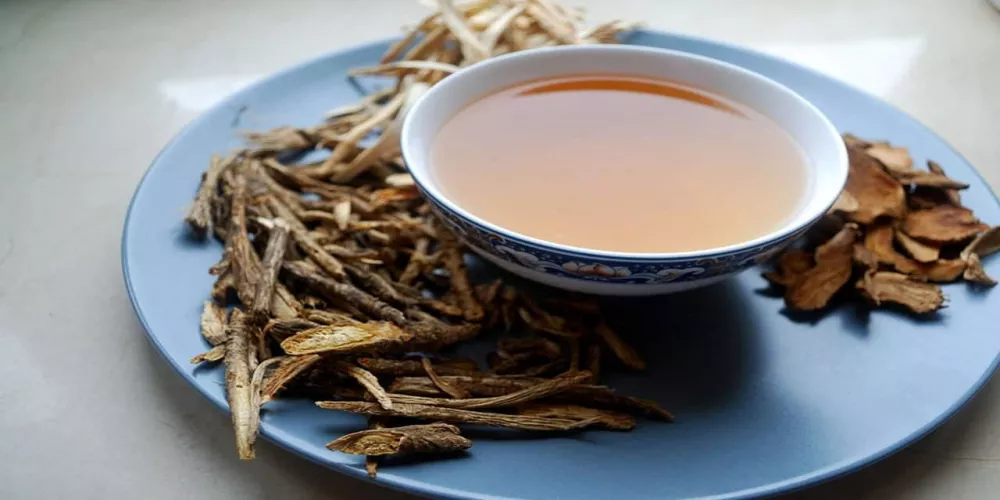
 Free Source Library — Exploring natural remedies for menstrual health often leads us to traditional herbs like Indian costus, known scientifically as Saussurea costus, celebrated for centuries within Ayurvedic and other holistic systems. This detailed examination uncovers the multifaceted roles of Indian costus during menstruation, revealing its potential benefits, underlying mechanisms, and practical applications backed by traditional knowledge and scientific insights.

Comprehensive Overview of Indian Costus (Saussurea costus)
Botanical Characteristics and Distribution
Saussurea costus is a perennial herbaceous plant belonging to the Asteraceae family. Its native habitat spans the mountainous terrains of Asia, notably the Himalayan regions, where its rugged environment influences its phytochemical profile. The plant populates the alpine and subalpine zones, thriving at elevations often exceeding 3,000 meters. It has a towering growth habit, reaching heights of up to 1.2 meters, with a rosette of broad, lance-shaped leaves and striking, often purple-tinged flowers. However, it’s the rhizome—the underground stem—that holds the highest medicinal and economic value.
Physiological Description of the Rhizome
The rhizome of Indian costus is aromatic, dense, and fibrous, with a distinctive earthy yet sweet scent that has made it a prized component in traditional medicine. It contains a complex mixture of bioactive constituents, including sesquiterpene lactones like costunolide and dehydrocostus lactone, volatile oils, alkaloids, flavonoids, and phenolic compounds. These phytochemicals are largely responsible for its therapeutic qualities and have been the subject of numerous pharmacological studies.
Historical and Cultural Roots
- Ancient Texts: Indian costus has been cited extensively in Ayurvedic scriptures dating back over 2,000 years, cited for its “balancing” qualities—enabling harmony within the body’s systems.
- Traditional Uses: It’s been traditionally utilized to treat digestive issues, respiratory conditions, inflammation, and reproductive health concerns, especially menstrual irregularities, pain, and bleeding disorders.
- Trade and Significance: Historically, the rhizome was a highly valued commodity, traded along the Silk Road and beyond, symbolizing health, vitality, and spiritual purity.
Therapeutic Benefits of Indian Costus During Menstrual Cycles
Regulation of Menstrual Cycles
Irregular menstruation, whether due to hormonal imbalances, stress, or underlying health conditions, can cause significant physical discomfort and emotional distress. Traditional practitioners and modern research suggest Indian costus can support the endocrine system’s stability. Its bioactive compounds are believed to influence the hypothalamic-pituitary-ovarian (HPO) axis, which governs menstrual regularity. This regulation occurs via modulating hormone synthesis, secretion, and receptor sensitivity.
- Balancing Estrogen and Progesterone: Crucial for maintaining cycle regularity, these hormones’ levels fluctuate under the influence of Indian costus constituents.
- Supporting Ovarian Function: Some studies indicate that the plant may promote healthier follicular development, aiding in ovulation and cycle consistency.
Alleviation of Menstrual Pain (Dysmenorrhea)
Menstrual discomfort, primarily caused by uterine contractions, prostaglandin levels, and inflammatory processes, is a universal concern. Indian costus contains sesquiterpene lactones that exhibit potent anti-inflammatory and analgesic activities. These compounds inhibit pro-inflammatory cytokines and enzyme pathways like cyclooxygenase (COX), reducing prostaglandin synthesis responsible for uterine contractions and pain.
“Traditional use supports its pain-relieving attributes, which modern pharmacology can partly validate through its anti-inflammatory molecular pathways.”
Furthermore, its antispasmodic effects may help relax uterine muscles, easing cramps and associated discomfort.
Reduction of Excessive Menstrual Bleeding (Menorrhagia)
Heavy bleeding during menstruation results from thickened endometrial tissue or impaired vascular control. Indian costus’s astringent properties—derived from certain phenolic compounds—help tighten tissues and reduce fluid discharge. These effects may assist in constricting blood vessels within the uterine lining, thereby controlling bleeding.

Supporting Hormonal Equilibrium
Balancing estrogen and progesterone is vital for reproductive health. Indian costus’s constituents are thought to influence enzyme activity involved in steroidogenesis, thereby aiding in the stabilization of hormone production and release. Maintaining hormonal equilibrium not only promotes regular cycles but also decreases premenstrual symptoms such as mood swings and irritability.
Enhancement of Overall Reproductive Wellness
Beyond cycle regulation, Indian costus is traditionally believed to strengthen reproductive organs, support uterine health, and enhance fertility prospects. Its adaptogenic qualities may help mitigate the body’s stress response, which often disrupts hormonal harmony and reproductive function.
Modern research is exploring its effects on egg quality, uterine lining development, and ovarian function, hinting at potential future applications in fertility treatments.
Understanding the Mechanisms Behind Indian Costus’s Effects
Phytochemical Actions and Physiological Interactions
| Active Compound | Primary Action | Physiological Effect | Implication for Menstrual Health |
|---|---|---|---|
| Costunolide | Anti-inflammatory, Immunomodulatory | Reduces cytokine release, calms inflammation | Alleviates menstrual pain and swelling |
| Dehydrocostus lactone | Analgesic, Antispasmodic | Relaxes uterine muscles, eases cramps | Reduces menstrual discomfort |
| Volatile oils | Antioxidant, Carminative | Supports tissue health and reduces bloating | Enhances overall reproductive comfort |
Mechanisms at a Glance
- Inflammation Modulation: The plant’s sesquiterpene lactones inhibit nuclear factor-kappa B (NF-κB) pathway, critical to cytokine production and inflammation, directly impacting menstrual pain and swelling.
- Hormonal Regulation: Phytochemicals may influence aromatase enzymes and hormone receptor sensitivity, supporting a balanced release of estrogen and progesterone.
- Uterine Tissue Support: Antioxidant properties help in reducing oxidative stress, which can impair tissue repair and regeneration in the uterus.
Practical Use, Preparation, and Dosage Guidelines
Forms of Administration
- Powder: Fine rhizome powder can be mixed with warm water or honey. Typical doses range from 250–500 mg daily.
- Tincture: Concentrated liquid extract, often 10–20 drops in water, taken 1–2 times daily.
- Capsules: Commercial herbal capsules containing standardized extracts, dosage depending on manufacturer recommendations.
Step-by-Step Guide to Use
- Consult a healthcare provider or qualified herbalist to determine appropriate dosage.
- Start with a low dose and monitor your body’s response for adverse effects.
- Use consistently for at least one menstrual cycle to assess benefits.
- Adjust dosage or discontinue based on efficacy and tolerance.
Precautions and Safety
- Pregnancy and Breastfeeding: Generally advised to avoid unless supervised by a professional, as hormonal effects could interfere with pregnancy.
- Allergy Risks: Asteraceae family members may cause allergic reactions in sensitive individuals.
- Drug Interactions: May interact with anticoagulants or hormonal therapies; consulting a healthcare provider is crucial.
- Side Effects: Rare but may include gastrointestinal upset, allergic reactions, dizziness, or skin irritation.
Potential Limitations and Challenges in Use
- Limited high-quality clinical trials specifically on menstrual health.
- Variability in phytochemical content based on cultivation, harvesting, and processing methods.
- Need for standardized extracts to ensure consistent therapeutic effects.
Comparison with Other Herbal Remedies for Menstrual Health
Herbs with Similar Benefits
| Herb | Key Benefits | Common Uses | Form |
|---|---|---|---|
| Cramp bark (Viburnum opulus) | Muscle relaxant, pain relief | Menstrual cramps, uterine tonic | Tea, tincture, capsules |
| Dong quai (Angelica sinensis) | Hormonal regulation, blood flow | Irregular cycles, PMS, menopausal symptoms | Capsules, tincture, teas |
| Ginger (Zingiber officinale) | Anti-inflammatory, analgesic | Menstrual pain, nausea | Fresh, powder, capsules |
Pros and Cons of Indian Costus vs. Alternatives
- Indian Costus: Rich phytochemicals with broad anti-inflammatory effects, traditional use for regulating cycles.
- Cramp bark: Excellent for muscle relaxation but less studied for hormonal balancing.
- Dong quai: Well-supported for hormonal issues but may carry increased bleeding risk in some scenarios.
- Ginger: Widely accepted, easily available, good for pain but less direct in cycle regulation.
Deeper Insights: Scientific Challenges and Future Directions
While traditional use and preliminary studies support Indian costus’s benefits, challenges remain in fully validating its role through rigorous clinical trials. Standardizing extract quality, understanding pharmacokinetics, and delineating precise mechanisms are critical next steps. Future research could explore its integration into modern gynecological treatments or as a complementary therapy to address complex menstrual disorders.
Common Mistakes and Troubleshooting
- Misuse of dosage: Overuse can lead to adverse effects; always adhere to professional guidance.
- Ignoring contraindications: Pregnant women or individuals on specific medications should seek medical advice.
- Unstandardized products: Use only reputable sources providing standardized extracts to ensure safety and efficacy.
Frequently Asked Questions (FAQs)
Is Indian costus safe to use during menstruation?
When used appropriately and under professional guidance, Indian costus is generally considered safe. However, individual responses vary, and caution is advised, especially during pregnancy or with underlying health conditions.
Can Indian costus completely stop menstrual pain?
While it can significantly reduce menstrual pain for many, outcomes depend on individual health factors, the severity of discomfort, and proper dosing. It is best used as part of a broader management plan.
How long does it take to see benefits?
Some users report relief within one to two cycles, but optimal results may require consistent use over several cycles, alongside lifestyle and dietary adjustments.
Are there any interactions with medications?
Yes, especially with blood thinners and hormonal therapies. Always consult a healthcare professional before starting herbal treatments.
Conclusion: Embracing a Traditional Remedy with Modern Caution
Indian costus stands out as a promising botanical ally in supporting menstrual health through its multifaceted therapeutic actions. Its rich phytochemistry lends itself to addressing various menstrual issues—from irregularities and pain to heavy bleeding—by modulating inflammation, hormones, and tissue health. However, to harness its full potential safely, informed use, standardization, and ongoing scientific validation are essential. Integrating ancient wisdom with contemporary research paves the way for natural, effective approaches to reproductive health management.
References
- World Health Organization. Traditional Medicine Strategy 2014–2023. WHO Publications.
- Sharma, P., & Yadav, R. (2022). Phytochemical and pharmacological review of Saussurea costus. Journal of Herbal Medicine.