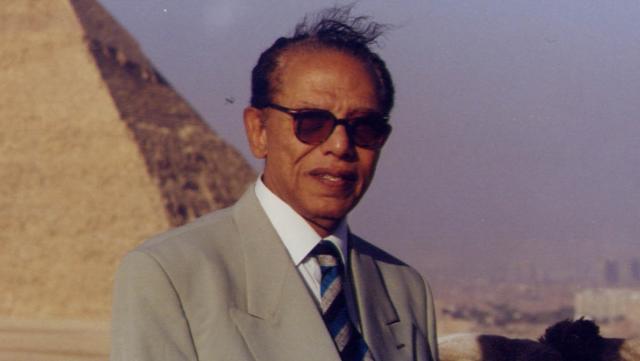
 Free Source Library — Exploring the life and legacy of one of Egypt’s most influential thinkers and spiritual voices, Dr. Mustafa Mahmoud reveals a complex interplay of science, faith, and social activism that continues to resonate today.
Introduction: The Multifaceted Legacy of Dr. Mustafa Mahmoud
Dr. Mustafa Mahmoud (also spelled Mahmoud or Mahmoūd) remains an iconic figure in the annals of modern Islamic thought, Egyptian intellectual history, and spiritual activism. His life’s journey embodies a relentless pursuit of knowledge, a desire to bridge seemingly disparate worlds—science and religion, modernity and tradition—and an unwavering commitment to social justice and human dignity. His teachings, writings, and public presence carved a space where skepticism met spirituality, attracting audiences across various backgrounds and generations. In understanding the profound influence Mahmoud wielded, it is essential to explore both his personal history and the broader socio-cultural context in which he operated. His life encapsulates a narrative of resilience—growing up in humble circumstances, pursuing scientific excellence, and boldly questioning orthodoxies—all while rooted deeply in Islamic values. The synthesis he championed between rational inquiry and spiritual depth offers valuable insights for contemporary seekers navigating a complex world rife with documentary and ideological conflicts. —
Early Life and Background: Roots in the Nile Delta
Born on December 25, 1921, in Mit Ghamr, a small village in the fertile Nile Delta region of Egypt, Mustafa Mahmoud’s early environment was shaped by rural traditions, Islamic faith, and a community deeply rooted in social cohesion. The Nile Delta, often described as Egypt’s breadbasket, fostered a way of life that combined agricultural labor, religious observance, and oral storytelling—all of which played a role in nurturing Mahmoud’s early curiosity. Growing up in modest circumstances, he was exposed to the everyday struggles of rural Egyptians—poverty, limited access to formal education, and the pervasive influence of religion. These formative experiences imbued him with an acute sense of social injustice, compassion for the marginalized, and an understanding of the deep-seated spiritual and cultural roots of Egyptian society. Despite these limitations, Mahmoud’s thirst for knowledge was unquenchable. His early engagement with religious texts, local scholars, and community elders laid the groundwork for his lifelong quest to understand life’s deeper questions—about existence, purpose, and morality. The values of perseverance in the face of adversity, learned early on, would become a hallmark of his later career.
Academic Pursuits: Bridging Medicine and Theology
Mahmoud’s academic journey can be described as a conscious quest to integrate two seemingly divergent disciplines: medicine and Islamic scholarship. After completing secondary education with distinction, he was admitted to Cairo University’s prestigious Faculty of Medicine, graduating in 1944 with a specialization in psychiatry. **The Medical Foundation:** His medical training provided him with an analytical mindset and scientific rigor. It deepened his understanding of human psychology, mental health, and the biological underpinnings of behavior. Psychiatry, in particular, offered insights into the human soul—an area he believed was intertwined with spiritual health. His clinical experience in hospitals and clinics exposed him to the complex emotional and mental struggles faced by ordinary Egyptians, further inspiring his interest in the human condition from both a scientific and spiritual perspective. **Expanding into Religious and Philosophical Studies:** While advancing his medical career, Mahmoud began exploring Islamic sciences, philosophy, and mysticism. He sought guidance from renowned scholars, Sufi masters, and spiritual guides, immersing himself in Islamic theology, the Quran, Hadith literature, and Sufi poetry. His approach was unique—he did not see science and religion as opposed but as complementary pathways to understanding truth. This multidisciplinary pursuit was a deliberate act of intellectual rebellion against the rigid compartmentalization prevalent in many societies. Mahmoud believed that spirituality, when rooted in genuine understanding, could enhance scientific inquiry, and vice versa. To him, both realms aimed at understanding the divine order in creation. **Critical Thinking and Progressive Engagement:** Mahmoud’s academic background equipped him with skepticism toward dogmatism. He challenged orthodox interpretations of religious texts, advocating for contextual and rationalist approaches. His lectures and writings often questioned literalist perspectives, encouraging followers to look for deeper meanings aligned with contemporary knowledge. —
Philosophical and Theological Approach: Reconciling Faith and Reason
At the core of Mahmoud’s thought lies the conviction that faith and reason are not adversaries but partners in the quest for truth. His approach to Islamic theology was marked by a desire to reconcile traditional teachings with modern scientific understanding. **Key Tenets of Mahmoud’s Viewpoint:** – **Compatibility of Islam with Modernity:** Mahmoud argued that Islam, as a divine revelation, is inherently compatible with scientific progress. He maintained that many perceived conflicts stem from misinterpretations or superficial readings of religious texts, rather than the texts themselves. – **Emphasis on Ethical and Spiritual Dimensions:** While advocating for scientific literacy, Mahmoud emphasized the importance of moral and ethical considerations derived from Islamic teachings. He believed that true knowledge must serve humanity and uphold justice, compassion, and social equity. – **The Role of the Quran as a Source of Guidance:** Mahmoud viewed the Quran as a living document that contains universal principles applicable in all eras. He interpreted Quranic verses metaphorically where appropriate, encouraging a dynamic engagement with scripture. **Major Writings and Publications:** Over his career, Mahmoud authored numerous books aimed at clarifying misconceptions and offering a balanced view of Islam’s relevance today. His works often incorporated scientific metaphors, philosophical reasoning, and spiritual insights to make complex ideas accessible. —
Addressing Misconceptions and Promoting Interfaith Dialogue
One of Mahmoud’s pivotal roles was as a mediator and educator—working to dispel stereotypes and combat misunderstandings about Islam. His belief was that dialogue and education are key to peaceful coexistence. **Challenging Extremism and Misinterpretation:** He consistently condemned violence, extremism, and fundamentalist misreadings of Islam. Instead, he emphasized the Quran’s messages of mercy, compassion, and social justice. His efforts included public lectures, media appearances, and writings that aimed at clarifying Islamic principles in a modern context. **Interfaith Initiatives:** Recognizing the pluralistic fabric of Egyptian society and the broader Islamic world, Mahmoud sought to foster mutual understanding among different religious communities. He participated in interfaith dialogues, emphasizing shared values, respect, and cooperation. **Promoting Peace and Tolerance:** In his speeches and writings, Mahmoud often cited examples of Prophet Muhammad’s diplomacy and tolerance, encouraging Muslims and others to emulate these virtues. His approach was practical—aiming to build bridges where walls of distrust and prejudice once stood. —
Public Engagement and Media Presence
Mahmoud’s talent as a communicator amplified his influence. His ability to connect with a broad audience through media was instrumental in shaping Egyptian intellectual discourse. **Television and Radio Programs:** In the latter half of the 20th century, Mahmoud hosted popular TV programs. These shows covered themes such as ethics, spirituality, societal reform, and scientific progress. His relaxed yet authoritative manner made complex ideas accessible, inspiring both educated elites and ordinary citizens. **Public Lectures and Seminars:** He traveled extensively across Egypt and the Arab world, delivering speeches on pressing social and religious issues. His charismatic style, combined with a deep knowledge base, made him a captivating speaker. **Published Writings:** His books, articles, and essays addressed: – The role of religion in modern society – The psychological aspects of faith and spirituality – Ethical issues in contemporary life – The importance of social justice and humanitarian work —
Social Activism and Humanitarian Contributions
Apart from his academic and media endeavors, Mahmoud dedicated significant efforts toward social causes aligned with Islamic values. **Advocacy for the Marginalized:** He championed the rights of the poor, orphans, prisoners, and oppressed groups, viewing social justice as an integral aspect of faith. His active participation in humanitarian initiatives aimed to reduce inequality and bring dignity to vulnerable populations. **Educational and Developmental Projects:** Mahmoud believed education was a cornerstone of societal progress. He supported initiatives for literacy, youth empowerment, and community development, emphasizing that knowledge must serve the community’s upliftment. **Islamic Humanism:** His vision of Islamic humanism emphasized compassion, tolerance, and the inherent dignity of every individual. This perspective set him apart from conservative or rigid interpretations, portraying Islam as a force for positive social change. —
Impact on Egyptian Society and Broader Cultural Influence
Mahmoud’s influence extended beyond religious circles into wider culture and social movements. His messages challenged complacency, urging Egyptians to reflect on moral and societal issues. **Popular Culture and Media Impact:** His television programs became household fixtures, shaping public opinion on religion and morality. His teachings influenced artists, writers, and intellectuals, reviving interest in spiritual and philosophical debates. **Educational Reforms and Thought Movements:** Though not directly involved in policymaking, Mahmoud’s perspectives inspired reform-minded educators and thinkers to promote a more holistic approach to Islamic education—anchored in critical thinking and scientific literacy. **Legacy of Tolerance and Reform:** His life demonstrated that religious faith need not conflict with modern science or social activism. This message catalyzed dialogues and movements that continue to influence reformist segments within Egyptian and Islamic society. —
Criticism and Challenges
Naturally, Mahmoud’s progressive stance drew criticism from conservative factions and rigid traditionalists within Egypt and the Islamic world. **Opposition from Conservative Circles:** Some viewed his reinterpretations and emphasis on rationality as weakening religious authority. Critics accused him of diluting Islamic teachings or promoting secularism, leading to public debates and scholarly disputes. **Balancing Act:** Throughout his life, Mahmoud skillfully navigated these tensions—remaining committed to his vision of a balanced, enlightened Islam without alienating his supporters or provoking further division. **Reputation as a Thought Leader:** Despite opposition, Mahmoud’s reputation as a sincere, dedicated scholar persisted. His resilience in facing criticism underscored his integrity and dedication to truth. —
His Enduring Legacy and Continued Relevance
Dr. Mustafa Mahmoud’s passing on December 31, 2009, marked the end of an era, yet his influence endures. His writings continue to inspire debates on religion and science, and his vision of universal compassion remains pertinent. **Modern Reinterpretations:** Contemporary scholars and thinkers reference Mahmoud’s approach to advocate for progressive, inclusive understandings of Islam. His emphasis on rationality and ethics continues to inform reformist narratives. **Institutions and Initiatives Inspired by Mahmoud:** Various Islamic educational and social institutions draw inspiration from his interdisciplinary approach, aiming to produce a new generation of thinkers who can integrate faith with modern knowledge. **Global Relevance:** In an age marked by globalized communication, Mahmoud’s ideals promote intercultural dialogue, religious tolerance, and scientific curiosity—values essential to fostering peace and understanding worldwide. —
Deeper Insights into Mahmoud’s Philosophical System
Understanding Mahmoud’s philosophical outlook involves exploring specific frameworks that underpin his worldview. These include his approach to faith and science, the concept of spiritual evolution, and his model of ethical development rooted in Islamic teachings. **Framework for Faith and Science Reconciliation:** – Recognizing that both seek ultimate truth – Using scientific discoveries to elucidate spiritual concepts – Interpreting religious texts metaphorically to accommodate scientific evidence – Promoting an ongoing dialogue between religious scholars and scientists **Spiritual Evolution Model:** Mahmoud believed that human consciousness and moral understanding evolve through a continuous process of spiritual reflection and empirical exploration. This model encourages individuals to pursue both inner development and external knowledge. **Ethical Development Based on Islamic Principles:** – Respect for human dignity and social justice – Compassion as a cornerstone of ethical behavior – Personal responsibility in societal progress – The pursuit of knowledge as an act of worship —
Comparison with Contemporary Thinkers
To contextualize Mahmoud’s thought, it’s helpful to compare his perspectives with those of other influential figures in Islamic modernism, such as Muhammad Abduh and Rashid Rida.
| Aspect | Dr. Mustafa Mahmoud | Muhammad Abduh | Rashid Rida |
|---|---|---|---|
| Core Focus | Science, spirituality, social justice | Reform of Islamic thought, education | Islamic revival, political activism |
| Approach to Modernity | Integration with faith, emphasizing reason | Reform within Islamic tradition | Reform through activism and reinterpretation |
| Engagement with Science | Bridge spiritual and scientific knowledge | Support for scientific advancement within faith | Limited direct engagement; broader cultural reform |
| Key Legacy | Dialogue between religion and science | Modernist reform and education | Islamic activism and revival movements |
Practical Framework for Engaging with Mahmoud’s Teachings Today
For individuals seeking to apply Mahmoud’s insights in their lives, or organizations aiming to promote his principles, a structured approach offers clarity:
- Study and Deep Comprehension: Engage with his writings, lectures, and interviews to understand his core ideas.
- Critical Reflection: Analyze how his messages align with personal beliefs and societal realities.
- Dialogue and Discussion: Foster open conversations about faith, science, and social justice within communities.
- Applied Action: Implement initiatives that promote interfaith understanding, social equity, and scientific literacy.
- Continuous Learning: Stay updated with new interpretations and research inspired by Mahmoud’s principles.
Common Challenges and How to Address Them
Engaging with complex figures like Mahmoud involves navigating certain obstacles:
- Misinterpretation of Intent: Aim for holistic understanding rather than cherry-picking ideas.
- Resistance from Conservative Circles: Emphasize common values of compassion and justice to bridge gaps.
- Balancing Modernity and Tradition: Recognize contextual differences while maintaining core principles.
- Integrating Science and Faith: Promote continuous education and dialogue to foster mutual respect.
Conclusion: The Timeless Relevance of Dr. Mustafa Mahmoud’s Vision
In a world often divided by ideological conflicts and cultural misunderstandings, Dr. Mustafa Mahmoud’s life and teachings serve as a reminder that unity—rooted in knowledge, compassion, and honest dialogue—is possible. His work underscores the importance of viewing faith not as an obstacle but as a catalyst for moral and intellectual development. As scholars and laypeople continue to grapple with the complex questions of existence, Mahmoud’s integrative approach offers a hopeful and constructive path forward, inviting us all to embrace curiosity, tolerance, and social responsibility.
References
- United Nations Educational, Scientific and Cultural Organization (UNESCO). (n.d.). Islamic perspectives on science and faith.
- Egyptian Ministry of Culture. (2021). Commemorating Mustafa Mahmoud: Life and Legacy.