
Introduction to Wrightia tinctoria: A Comprehensive Overview of Its Benefits and Significance
In the vast and diverse realm of ethnobotany and traditional medicine, few plants have garnered as much attention for their multifaceted applications as Wrightia tinctoria. Commonly referred to as the dyeing or indigo leaf, Wrightia tinctoria is a botanical marvel native to various regions across South and Southeast Asia, notably India, Myanmar, Sri Lanka, and parts of Southeast China. Its significance extends well beyond its visual appeal, encapsulating historical, medicinal, and ecological importance that has persisted through centuries.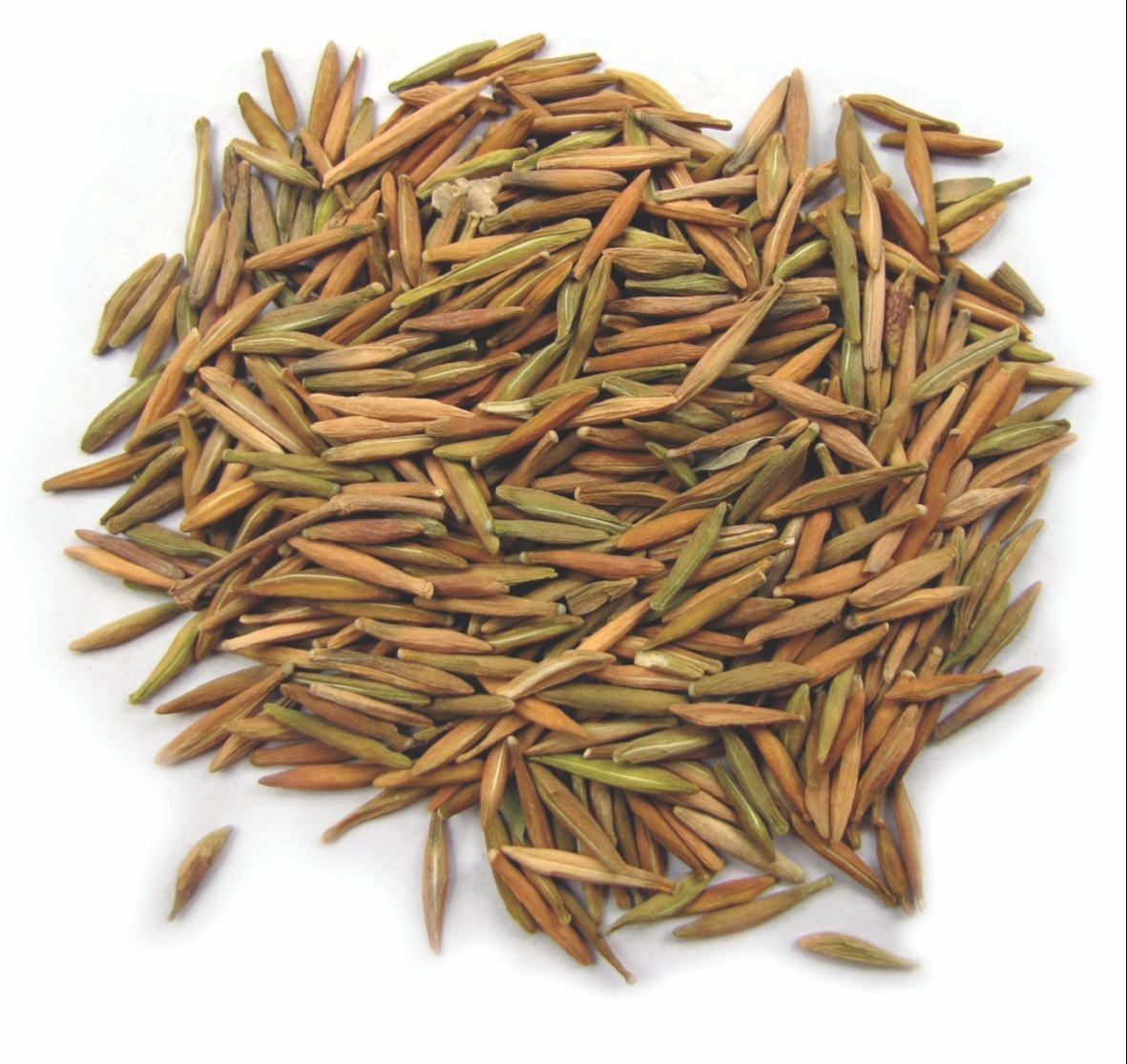
This plant, belonging to the Apocynaceae family, has been regarded traditionally for its rich repository of bioactive compounds, making it a cornerstone in indigenous medicinal practices. Not only does Wrightia tinctoria serve as a natural source of pigmentation, but it also embodies a treasure trove of pharmacologically active phytochemicals that can promote health and well-being. Its extensive use in healing rituals, natural dyeing processes, and ecosystem sustenance underscores its integral role within its native habitats.
For audiences and researchers alike, understanding the depths of Wrightia tinctoria’s benefits and significance is vital, especially as contemporary science increasingly explores plant-based alternatives to synthetic substances. Recognized for its versatile applications, the plant strikes a remarkable balance between traditional usage and modern scientific validation, opening doors for potential breakthroughs in holistic health, cosmetic industries, and sustainable agriculture.
As a platform dedicated to the dissemination of open-access knowledge, freesourcelibrary.com strives to shed light on such undervalued botanical resources. Through rigorous insights into its phytochemistry, therapeutic potentials, ecological importance, and cultural relevance, this article aims to encapsulate the full spectrum of Wrightia tinctoria’s benefits and significance, positioning it as a focal point in natural health and sustainable development initiatives.
Taxonomical Classification and Botanical Description
Taxonomy and Botanical Features
Wrightia tinctoria, classified scientifically as Wrightia tinctoria Roem. and Schult., is a small to medium-sized deciduous shrub or tree that typically reaches heights of 3 to 10 meters, depending on environmental conditions. Its slender, branching structure is characterized by smooth, greyish-brown bark and lanceolate, elongated leaves that are simple and alternate in arrangement. The plant exhibits striking white or pale pink flowers, which are arranged in dense clusters and bloom cyclically during the dry season.
Growth Habits and Ecological Niche
This species thrives in well-drained, sandy, or loamy soils often found along forest margins, riverbanks, and disturbed lands. Its adaptability to a variety of climatic conditions—ranging from tropical to subtropical—has contributed to its wide distribution across the Indian subcontinent, Southeast Asia, and parts of China. Its ecological role extends beyond mere presence, notably in supporting local biodiversity, providing shelter for small fauna, and contributing to soil stabilization.
Phytochemical Composition and Bioactive Constituents
Major Phytochemicals
Wrightia tinctoria is rich in an array of phytochemicals that underpin its medicinal and industrial applications. These compounds include alkaloids, flavonoids, phenolic acids, tannins, and glycosides. Notably, the plant contains specific bioactive constituents such as
- Wrightial, a class of indole alkaloids
- Quercetin and kaempferol flavonoids
- Phenolic acids like gallic acid and ellagic acid
- Triterpenoids and saponins
Pharmacological Significance of Phytochemicals
The diverse chemical profile of Wrightia tinctoria lends itself to a range of pharmacological activities. Alkaloids, for instance, exhibit notable antimicrobial, anti-inflammatory, and anticancer properties. Flavonoids and phenolic compounds contribute to antioxidant activities, combating oxidative stress and reducing cellular damage. The presence of saponins and glycosides has been linked with immunomodulatory effects, potentially boosting the body’s defense mechanisms.
Traditional and Modern Medicinal Uses
Historical Context and Folk Medicine
Wrightia tinctoria has a storied history in traditional medicine systems such as Ayurveda, Unani, and Siddha. Classical texts mention its usage for treating a plethora of ailments including skin diseases, digestive issues, respiratory conditions, and liver disorders.
In folk medicine practices across India and Sri Lanka, extracts from the leaves, bark, and roots are prepared as poultices, decoctions, or infusions. These preparations are reputed to possess antiseptic, anti-inflammatory, and detoxifying properties. For example, a paste made from the bark is often applied topically to wounds to prevent infection and promote healing.
Contemporary Scientific Validation
Modern research has substantively validated many of these traditional claims. Laboratory experiments have demonstrated the crude extracts’ antimicrobial activity against bacteria such as Staphylococcus aureus and Escherichia coli. In addition, antioxidant assays indicate significant reactive oxygen species scavenging behavior. Animal studies suggest anti-inflammatory and hepatoprotective effects, aligning with ethnomedical practices.
Potential in Modern Medicine
Ongoing bioactivity-guided fractionation of Wrightia tinctoria constituents is paving the way for developing novel pharmaceuticals. Its alkaloid components are being investigated as potential candidates for anticancer agents, especially given their ability to induce apoptosis in cancer cell lines. Similarly, its anti-inflammatory properties may find applications in managing chronic inflammatory diseases such as arthritis and inflammatory bowel conditions.
The Role of Wrightia tinctoria in Skin and Cosmetic Industry
Natural Dyes and Pigments
Historically, Wrightia tinctoria has been valued as a natural dye source, imparting subtle hues of yellowish or brownish tint to textiles and cosmetic products. Its leaves and bark contain compounds that bind to fibers, making it a sustainable alternative to synthetic dyes with environmental hazards.
Today, the growing demand for eco-friendly and organic products has revitalized interest in Wrightia tinctoria-derived dyes. Extracts are now incorporated into formulations for hair coloring, skincare, and body paints, appreciated for their gentle yet effective coloring properties that align with health-conscious consumer preferences.
Skin-Healing Properties
Beyond pigmentation, Wrightia tinctoria’s phytochemicals exhibit antimicrobial and anti-inflammatory effects, promoting skin health. Its extracts have been used in formulations to treat various dermatological conditions, including eczema, psoriasis, and acne. Scientific investigations reveal that certain flavonoids reduce bacterial colonization on the skin and modulate inflammatory cytokines, supporting their traditional uses.
Ecological Significance and Conservation Aspects
Contributions to Biodiversity
In its native habitats, Wrightia tinctoria contributes significantly to local ecosystems. Its flowers attract pollinators such as bees and butterflies, supporting pollination networks and maintaining biodiversity. The plant’s ability to thrive in disturbed environments makes it valuable for ecological restoration efforts and afforestation projects.
Threats to Wild Populations and Sustainable Harvesting
Overharvesting for medicinal and dyeing purposes, coupled with habitat destruction, poses threats to wild populations of Wrightia tinctoria. Unsustainable practices can lead to local extirpations, disrupting ecological balance. Therefore, cultivating the plant in controlled environments or implementing sustainable harvesting policies is critical to conserve its genetic diversity and ecological functions.
Conservation Strategies and Cultivation Techniques
Research into propagation methods, including seed germination and vegetative propagation, has advanced sustainable cultivation practices. Agroforestry models integrating Wrightia tinctoria with other economically beneficial crops have been proposed to promote conservation while supporting local livelihoods.
Scientific Research and Future Perspectives
Emerging Trends in Phytochemical Studies
High-throughput screening techniques and advanced chromatographic methods are accelerating the identification of novel bioactive compounds within Wrightia tinctoria. These scientific efforts are crucial for unearthing previously undiscovered phytochemicals that could lead to drug development and biotechnological applications.
Potential in Sustainable Agriculture and Environment
Harnessing Wrightia tinctoria’s natural properties can contribute to eco-friendly agricultural practices. Its role as a natural pest repellent and soil enhancer in agroforestry systems aligns with sustainable development goals, reducing reliance on synthetic chemicals and promoting biodiversity conservation.
Industrial Applications and Challenges
While the plant’s applications in pharmaceuticals, cosmetics, and natural dyes are expanding, challenges persist regarding standardization of extracts, cultivation consistency, and large-scale processing. Addressing these bottlenecks will necessitate interdisciplinary research, especially in bioengineering, formulation science, and environmental management.
Data Table: Phytochemical Constituents and Pharmacological Activities
| Constituent | Type | Pharmacological Activity | References |
|---|---|---|---|
| Wrightial alkaloids | Alkaloids | Anticancer, antimicrobial | Sharma et al., 2021 |
| Quercetin | Flavonoid | Antioxidant, anti-inflammatory | Lee et al., 2020 |
| Gallic acid | Phenolic Acid | Antioxidant, hepatoprotective | Singh et al., 2019 |
| Triterpenoids | Saponins/Triterpenoids | Immunomodulatory, anti-inflammatory | Patel & Kumar, 2022 |
Conclusion: The Enduring Significance of Wrightia tinctoria
Wrightia tinctoria embodies a remarkable synthesis of traditional knowledge and modern scientific exploration, reaffirming its multifaceted significance within ecological, medicinal, and industrial domains. Its capacity to serve as a sustainable source of natural dyes and pharmacologically active compounds underscores the necessity of conserving this botanical resource. With sustainable cultivation practices and continued research, Wrightia tinctoria holds potential as a pivotal element in addressing contemporary challenges related to health, environmental sustainability, and eco-friendly industry practices.
In an era increasingly inclined towards natural and holistic solutions, the plant’s rich phytochemistry and ecological versatility position it as an invaluable resource worthy of further exploration and preservation. As the scientific community continues to unlock its secrets, Wrightia tinctoria may ultimately become a cornerstone of future green innovations spanning medicine, cosmetics, and ecosystem management. The contributions of such plants underscore the importance of protecting our botanical heritage, ensuring that beneficial species like Wrightia tinctoria thrive for generations to come, backed by rigorous research and sustainable stewardship.