Introduction to Egyptian Rumi Cheese: An In-Depth Exploration
Egyptian Rumi cheese, known locally as “Gibna Rumi,” represents a remarkable facet of Egypt’s culinary tradition—a product of history, geography, and cultural exchange that has persisted through centuries. As a semi-hard cheese distinguished by its flavor profile, texture, and versatility, Rumi cheese exemplifies the richness of Egyptian dairy craftsmanship. Its tangy, slightly sharp flavor and crumbly consistency allow it to be incorporated into countless dishes, from simple salads to complex stews. This ancient delicacy is not merely a food item but a symbol of Egyptian cultural identity, packed with stories of trade routes, civilizations, and local adaptations.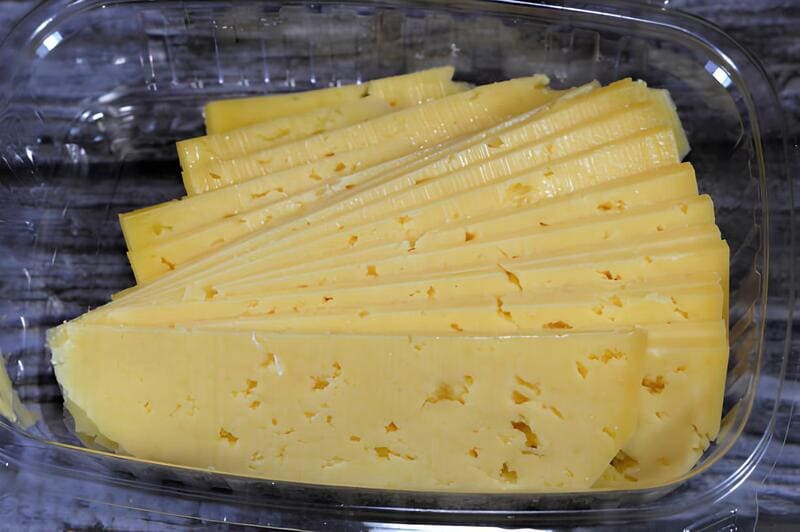
The process of crafting Rumi cheese is as intriguing as its history, blending scientific principles with traditional techniques perfected over generations. This comprehensive guide aims to embrace a detailed understanding of the cheese-making process, from raw ingredient selection to aging, with a focus on accuracy and depth. Within the context of the Free Source Library platform (freesourcelibrary.com), this essay endeavors to serve as an authoritative resource, guiding enthusiasts and aspiring cheesemakers through the intricacies of producing authentic Egyptian Rumi cheese.
Historical Roots and Cultural Significance of Rumi Cheese
The Origins of Rumi Cheese in Ancient Times
The history of Rumi cheese is intertwined with Egypt’s long-standing relationship with the Mediterranean region. It is widely believed that this cheese traces its roots back to ancient civilizations, where dairy fermentation techniques flourished. The name “Rumi” translates to “Roman” in Arabic, reflecting a cultural connection to the Roman Empire, which exerted significant influence over the Mediterranean basin and introduced cheese-making practices that local populations adapted. As Roman influence waned and evolved into local traditions, the production of Rumi cheese became distinctly Egyptian, encapsulating regional ingredients, climate, and taste preferences.
The Spread and Adaptation Through Centuries
Throughout the centuries, Rumi cheese has adapted to regional tastes and available resources. In Egypt, the climatic conditions—long, hot summers and semi-arid terrain—necessitated cheese preservation techniques that allowed for longevity and flavor stability. The use of salt, drying, and aging became integral to Rumi cheese production, ensuring it could be stored and consumed year-round. Over time, the method refined into a craft passed through generations, ingrained in both rural and urban communities, highlighting its importance in traditional Egyptian cuisine.
Rumi Cheese in Contemporary Egyptian Cuisine
Today, Rumi cheese remains a culinary staple in Egypt, found in supermarkets, local markets, and household kitchens alike. Its role extends beyond mere consumption; it is a cultural artifact, often served during festivities, communal meals, and religious celebrations. Modern chefs and artisanal producers continue to honor traditional methods, while also experimenting with innovative techniques to enhance flavor, texture, and presentation. The cheese’s enduring popularity underscores its significance as a symbol of Egyptian identity and culinary heritage.
Understanding the Key Ingredients and Equipment for Rumi Cheese Production
Essential Ingredients: The Building Blocks of Rumi Cheese
Fresh Milk: The Foundation of Flavor and Quality
The cornerstone of Rumi cheese is high-quality milk, preferably raw, from healthy cows grazing in environmentally pristine settings. Raw milk preserves essential enzymes and bacteria that influence fermentation and flavor development. In the absence of raw milk, pasteurized milk can be used, but it often requires additional steps such as supplementation with complementary cultures or the addition of calcium chloride to improve coagulation. The choice of milk directly impacts the final product’s texture and taste, making sourcing from trusted local farms or reliable vendors crucial.
Rennet: The Coagulating Enzyme
Rennet acts as the catalyst that transforms liquid milk into a solid curd. It contains enzymes—primarily chymosin—that cause milk proteins, notably casein, to coagulate. Rennet is available in liquid or tablet form; each type offers advantages in terms of storage, dosage, and ease of use. For traditional Rumi cheese, using animal-derived rennet provides authenticity, but vegetable or microbial rennets are also acceptable for vegetarians or those seeking alternative sources.
Starter Cultures: The Drivers of Fermentation
Starter cultures consist of specific bacterial strains that convert lactose into lactic acid, initiating fermentation. These bacteria influence the cheese’s acidity, flavor profile, and texture. In traditional Egyptian recipes, natural fermentation from the raw milk’s indigenous bacteria played a significant role. Modern cheesemakers often use standardized starter cultures to achieve consistency. Selecting the right strains, such as Lactobacillus bulgaricus or Streptococcus thermophilus, is essential for developing the characteristic flavor of Rumi cheese.
Salt: Flavor and Preservation
Salt not only imparts flavor but also acts as a preservative, inhibiting unwanted microbial growth. The quantity of salt used influences the cheese’s shelf life, hardness, and overall profile. Traditionally, salt is rubbed onto the surface of the cheese after shaping or incorporated during the aging process.
Optional Additives: Calcium Chloride
For pasteurized milks or in certain conditions where coagulation is sluggish, calcium chloride enhances the curdling process by restoring calcium levels. It improves the firmness and consistency of the curd, ensuring a better overall product.
Essential Equipment: From Curds to Cured Cheese
Each piece of equipment plays a pivotal role in ensuring the hygiene, efficiency, and quality of cheese production. From the initial milk warming to the aging environment, machinery and utensils must be carefully selected and maintained.
Large Stainless Steel Pot
The choice of a large, non-reactive stainless steel vessel ensures even heat distribution, preventing scorching or uneven curd formation. The material is resistant to corrosion and easy to sanitize, critical for maintaining hygiene standards.
Thermometer
A precise thermometer enables the cheesemaker to regulate temperatures during each stage—warming the milk, cooking the curds, and aging—ensuring precise control over the process and a consistent end product.
Cheesecloth and Cheese Molds
Proper cheesecloth made from natural fibers allows whey drainage while retaining the curds, preserving the cheese’s crumbly texture. Molds shape the cheese and affect the pressure distribution during pressing, influencing final form and density.
Press and Weights
A cheese press applies uniform pressure to expel residual whey, compact the curds, and develop the desired firmness. The duration and pressure level are tailored based on the cheese type, with Rumi requiring moderate, consistent compression.
Cutting and Stirring Tools
A cheese knife specialized for curd cutting ensures uniform cubes, which affects whey expulsion and texture. Similarly, ladles and spatulas facilitate gentle stirring and handling during cooking and draining phases.
The Step-by-Step Process of Making Authentic Egyptian Rumi Cheese
Initial Milk Preparation and Heating
The first step involves obtaining fresh, high-quality milk—either raw or pasteurized. Whether sourcing directly from a trusted local farm or a reliable vendor, the milk should be free from contaminants and additives. Once acquired, it must be heated gradually in a large stainless steel pot to between 32-35°C (90-95°F). This temperature range is proven optimal for bacterial activity and enzyme functioning during coagulation and fermentation—critical factors in developing Rumi’s characteristic flavor.
Careful temperature monitoring via the thermometer is essential; rapid heating can denature proteins or kill beneficial bacteria, leading to compromised cheese quality. Maintaining the proper temperature ensures a controlled environment conducive to microbial activity and efficient curd formation.
Inoculation with Starter Culture
Once the milk reaches the target temperature, sprinkle the starter culture evenly across the surface. Allow it to rehydrate for a few moments, typically 1-2 minutes, then gently stir to ensure even distribution. The bacterial culture begins converting lactose into lactic acid, initiating fermentation that influences acidity and flavor. It is vital to control the incubation period—generally 30 to 60 minutes—so that the acidification proceeds at an optimal rate, neither too fast nor too slow, which could affect texture and taste.
Adding Rennet and Curd Formation
Rennet, preferably in liquid form for better dispersion, should be diluted in a small amount of cool, non-chlorinated water. This mixture is slowly added to the warm milk, with gentle stirring to distribute evenly. After stirring for about 30 seconds, the mixture is left undisturbed for the coagulation process to occur, usually taking 30 to 60 minutes. During this period, one can observe the milk forming a clean break—a firm curd that retains its shape when gently pressed, indicating readiness for cutting.
Cutting and Cooking the Curds
Achieving uniformity in curd size is critical for texture control. Using a sterilized cheese knife, cut the curd into small cubes roughly 1 cm (0.4 inches). The size of this cube influences moisture content, firmness, and flavor concentration. After cutting, the curds are gently stirred and gradually heated to 38-40°C (100-105°F). This step, known as cooking, expels whey, condenses the curds, and develops a firmer consistency suitable for Rumi cheese. Steady, gentle stirring prevents matting and ensures uniform whey expulsion.
Drainage and Curds Handling
Following cooking, the curds are transferred into a cheesecloth-lined colander, allowing whey to drain naturally. Gentle pressing can expedite whey removal without damaging the curds. At this stage, the cheesemaker must decide whether to continue with pressing or to proceed directly to molding, depending on the desired consistency. This process is fundamental to shaping Rumi cheese, which is usually formed into blocks or rounds during pressing, reflecting traditional Egyptian styles.
Pressing, Salting, and Aging
Post-drainage, the curds are placed into molds and subjected to moderate pressure for several hours or overnight. This compacts the curds, removes residual whey, and gives the cheese its recognizable shape. After pressing, the cheese is removed from the mold and rubbed thoroughly with salt—either by dry salting or brine application. Salting is vital for flavor enhancement and microbial control.
Finally, the aging process commences. Rumi cheese is best aged in controlled environments with steady humidity and temperature—typically 12-15°C (55-59°F) with high humidity. Regular turning and inspection allow for even maturation, developing the complex flavors and crumbly firmness characteristic of aged Rumi. The duration varies from a few weeks to several months, depending on flavor intensity and desired texture.
Variations and Culinary Uses of Rumi Cheese
Versatility in Egyptian Cuisine
Rumi cheese’s adaptability makes it an essential ingredient across numerous Egyptian dishes. Its sharp, tangy flavor pairs well with fresh vegetables, herbs, and fruits, making it ideal for salads, sandwiches, and mezze platters. Its crumbly texture allows for easy sprinkling over dishes, or melting into stews and sauces, adding depth and complexity.
Popular Recipes Featuring Rumi Cheese
- Fattoush Salad: Crumbled Rumi enhances the freshness of cucumbers, radishes, and herbs, balanced with tangy sumac and lemon.
- Egyptian Lentil Soup: Diced Rumi adds a savory punch, enriching the broth’s umami flavor.
- Stuffed Vegetables: Incorporating Rumi into fillings for zucchini, eggplant, or peppers provides a creamy, flavorful component.
- Cheese Pastries: Rumi can be incorporated into pastry fillings or sprinkled on top for a salty crunch.
- Cheese Platters: Paired with olives, nuts, and fresh bread, Rumi cheese offers a sophisticated appetizer or snack option.
Innovative Uses and Fusion Dishes
Modern chefs experiment with Rumi cheese by incorporating it into international cuisines. It can replace grated Parmesan in pasta dishes or serve as a feta alternative in Mediterranean salads. Its distinctive flavor also complements spicy dishes or can be used as a topping for pizzas and flatbreads, adding a regional twist to international favorites.
Storage and Shelf Life: Ensuring Freshness and Flavor
Optimal Storage Conditions
Fresh Rumi cheese should be stored in an airtight container or wrapped in wax paper and kept in the refrigerator at temperatures below 4°C (39°F). Proper wrapping prevents moisture loss and contamination, maintaining flavor Integrity. For aged cheese, storing in a controlled environment ensures slow, consistent maturation and prevents spoilage.
Longevity and Preservation
Typically, fresh Rumi cheese can last for 1-2 weeks under proper refrigeration. Aged varieties may be stored longer, up to several months, provided they are maintained in a humid and temperature-controlled cellar or aging room. Regular inspecting for mold or spoilage is required; minor surface mold can be removed carefully, while spoiled cheese should be discarded to prevent health risks.
Concluding Thoughts: Embracing Tradition Through Modern Cheesemaking
Creating authentic Egyptian Rumi cheese entails a harmonious blend of science, craftsmanship, and cultural reverence. The process highlights meticulous attention to detail—temperature regulation, bacterial cultures, and aging conditions—all vital to capturing the complex essence that defines Rumi. Producing this cheese not only offers a taste of Egypt’s rich culinary heritage but also fosters an appreciation for artisanal skills passed down through generations.
As the world increasingly values traditional foods and craftsmanship, Rumi cheese stands out as a testament to sustainable, culturally rooted food practices. Whether prepared for personal enjoyment, cultural celebration, or professional culinary ventures, crafting Rumi cheese is a meaningful journey into Egypt’s gastronomic history. The comprehensive knowledge shared here aims to empower both amateur and professional cheesemakers to authentically recreate this ancient delicacy, ensuring its legacy endures for future generations.
References and Further Reading
- Harold McGee, On Food and Cooking: The Science and Lore of the Kitchen.
- An Egyptian culinary manuscript from the 12th century, preserved in regional archives.