
Making Iraqi cheese is an intricate craft that embodies centuries of culinary tradition, regional biodiversity, and cultural significance. The process of creating this cheese, often referred to as “Jibneh Iraqi,” is a testament to the ingenuity of Iraqi agricultural communities and their ability to transform simple ingredients into a cherished delicacy. This cheese is more than just a staple in Iraqi cuisine; it is a symbol of hospitality, a reflection of the region’s rich history, and a testament to the enduring connection between people and their land. On platforms like Free Source Library, detailed explorations of traditional food practices like Iraqi cheese-making serve to preserve and promote cultural heritage, making this knowledge accessible to a global audience.
The Historical Roots and Cultural Significance of Iraqi Cheese
The origins of cheese-making in Iraq trace back to the cradle of civilization in Mesopotamia, where the earliest known agricultural societies cultivated livestock and developed dairy processing techniques. Archaeological evidence suggests that cheese was produced in ancient Sumer, Akkad, and Babylonian civilizations, with dairy products playing a vital role in daily sustenance. The fertile plains surrounding the Tigris and Euphrates rivers provided an abundant source of milk from domesticated animals such as sheep, goats, and cattle, facilitating the development of regional cheese varieties unique to Iraq’s diverse climates and terrain.
Throughout history, Iraqi cheese has evolved in tandem with regional culinary traditions, reflecting the influences of various empires, trade routes, and cultural exchanges. The Sassanian Empire, Islamic Golden Age, and Ottoman rule each contributed to refining cheese-making techniques and expanding the repertoire of flavors and textures. These historical layers have imbued Iraqi cheese with a complexity that balances simplicity with sophistication, making it an integral part of social rituals, religious festivities, and everyday life.
In contemporary Iraq, cheese continues to symbolize hospitality and generosity. Serving cheese to guests is a gesture of welcoming and respect, reinforcing social bonds. It is a cornerstone of breakfast tables, a key ingredient in traditional dishes, and a versatile snack. The artisanal methods passed down through generations preserve not only the culinary heritage but also the community identity embedded in every piece of cheese produced.
Ingredients and Their Roles in Iraqi Cheese-Making
The fundamental ingredients for traditional Iraqi cheese are minimal yet crucial for achieving the characteristic flavor and texture. The quality of these ingredients directly influences the final product, making sourcing fresh and high-quality materials essential. Understanding the role of each component illuminates why traditional methods remain relevant and effective today.
Milk
Milk is the cornerstone of Iraqi cheese, with cow’s milk being most prevalent due to its availability and balanced flavor profile. However, goat’s milk offers a distinctive tanginess and richness that many connoisseurs value. The choice of milk influences the taste, consistency, and nutritional profile of the cheese. Fresh, full-fat milk is preferred to ensure a creamy, moist texture and a robust flavor. In some regions, sheep’s milk may also be used, adding a distinctive aroma and flavor characteristic of certain local varieties.
Rennet and Acidifiers
Rennet, an enzyme derived from the stomach lining of young ruminants, is traditionally used to coagulate milk into curds. It facilitates the separation of curds and whey, forming the basis of the cheese. Modern producers may also use microbial or vegetable-based rennet to accommodate dietary restrictions or commercial production. Alternatively, natural acidifiers such as lemon juice or vinegar are employed, especially in home or small-scale settings, to induce curdling when rennet is unavailable. These acids alter the pH of the milk, causing proteins to coagulate and form curds.
Salt
Salt is indispensable for flavor enhancement and preservation. Its role extends beyond taste, as it inhibits microbial growth, prolonging the cheese’s shelf life. The amount of salt added varies depending on regional preferences and intended aging processes. Salt also influences the texture, helping to firm the curds and develop the characteristic crumbly or creamy consistency.
Additional Cultures and Flavorings
Some recipes incorporate probiotic cultures or a small amount of yogurt to kickstart fermentation, contributing to the cheese’s tangy flavor profile. Herbs, spices, or dried fruits may be added during or after the curding process to infuse the cheese with aromatic complexity, aligning with regional culinary preferences.
The Art of Making Iraqi Cheese: A Step-by-Step Process
Creating authentic Iraqi cheese demands patience, precision, and respect for tradition. Each stage of the process influences the final product, from temperature control to curing times. Here, we provide a comprehensive guide, emphasizing the scientific principles underlying each step to ensure quality and consistency.
1. Preparing the Milk
Begin by selecting fresh, high-quality milk, ideally sourced from local farms known for their healthy livestock. Pour the milk into a large, heavy-bottomed stainless steel or enameled pot to prevent contamination and facilitate even heating. Slowly heat the milk to approximately 85°C (185°F), stirring gently to prevent scorching and ensure uniform temperature distribution. This step serves to eliminate pathogenic bacteria and denature milk proteins, setting the stage for optimal curd formation.
2. Coagulation: Adding Rennet or Acid
Once the milk reaches the designated temperature, the coagulating agent is introduced. Dissolve rennet in a small amount of cool, clean water, then add it to the milk while stirring gently. Allow the mixture to rest undisturbed for 30 minutes; during this period, the enzymes act on casein proteins, causing them to form a gel-like network. If using lemon juice or vinegar, add gradually while stirring, then allow the milk to sit quietly. The milk will separate into curds (solid) and whey (liquid). Proper coagulation is critical; under- or over-coagulation can result in undesirable texture or flavor.
3. Cutting the Curds
With a sterilized knife, cut the curd mass into small cubes, typically 1-2 centimeters in size. This process facilitates whey expulsion, influencing the firmness of the final cheese. The size of the cuts can vary based on desired texture; smaller cubes produce firmer cheese, while larger ones preserve moisture. Allow the cut curds to rest for an additional 10-15 minutes to further expel whey and promote uniformity.
4. Cooking and Stirring
Gently reheat the curds over low heat, maintaining a temperature of around 85°C, and stir carefully to prevent the curds from matting. As the curds cook, they will shrink and release more whey. This process, known as “cooking the curds,” is essential for developing the cheese’s texture and moisture content. The duration of cooking varies but typically lasts 30 to 45 minutes, with consistent stirring to ensure even heat distribution.
5. Draining the Whey
Once the curds reach the desired consistency—firm but still moist—they are transferred to a fine mesh strainer or cheesecloth. The whey drains naturally, leaving behind the curds. The drained whey can be repurposed in other culinary applications such as bread baking or soups, highlighting the resourcefulness inherent in traditional food practices.
6. Salting and Flavoring
Transfer the curds to a bowl, then sprinkle salt evenly over the surface. Salt not only enhances flavor but also acts as a preservative. Mix thoroughly to distribute the salt uniformly. Additional herbs or spices—such as thyme, oregano, cumin, or black pepper—can be incorporated at this stage for flavor variations. The choice of flavorings often reflects regional preferences and culinary traditions.
7. Pressing and Shaping
To achieve a cohesive, firm cheese block, the salted curds are placed into molds or wrapped in cheesecloth. Apply gentle pressure using a cheese press or by placing a weight on top. This process expels residual whey and shapes the cheese into a desired form—round, rectangular, or traditional blocks. The cheese is left under pressure for several hours or overnight, depending on the desired firmness.
8. Aging and Storage
Fresh Iraqi cheese can be consumed immediately or aged for enhanced flavor complexity. To age, store the cheese in a cool, dry, and well-ventilated environment. Aged cheese develops a firmer texture and a sharper, more nuanced taste. Proper storage conditions are essential to prevent mold growth and spoilage. Many traditional Iraqi cheeses are enjoyed fresh, emphasizing their creamy, tangy qualities, but aging remains a valued technique for those seeking deeper flavors.
Regional and Creative Variations of Iraqi Cheese
The traditional method serves as a foundation for a spectrum of regional and innovative variations. These adaptations reflect local ingredients, climate, cultural influences, and personal preferences, enriching the diversity of Iraqi cheese. Below are some notable variations:
Herb-Infused Cheese
Fresh herbs such as thyme, oregano, mint, or parsley are mixed into the curds before pressing. Herb-infused cheeses are aromatic and provide a fresh contrast to the tangy base flavor. They are popular in rural areas and used in salads, sandwiches, or as accompaniments to bread.
Spiced Cheese
Ground spices like cumin, coriander, black pepper, or chili powder are added to the curds to produce a more robust, spicy flavor profile. Such cheeses are often used in savory pastries or as a topping for dishes like Iraqi manakish or stuffed vegetables.
Soft and Spreadable Variants
Reducing pressing time and aging produces a softer, creamier cheese suitable for spreading. This variant is often flavored with garlic or herbs and served with flatbread, making it a popular breakfast or snack option.
Cheese with Dried Fruits
In some regions, dried fruits such as apricots or raisins are incorporated into the cheese, providing a sweet counterbalance to the savory components. This variation is commonly enjoyed as a dessert or sweet snack.
Goat’s Milk-Based Cheese
Using goat’s milk imparts a distinctive tanginess and a more pronounced flavor profile. It is favored in mountainous regions and offers a different culinary experience, often paired with local honey or fig preserves.
Modern and Traditional Uses of Iraqi Cheese in Daily Life
In Iraqi households, cheese occupies a central role in daily meals and social rituals. It forms the core of breakfast spreads, with fresh bread, olives, cucumbers, and tomatoes accompanying slices of Jibneh Iraqi. The cheese’s versatility allows it to be integrated into various dishes, from simple sandwiches to complex stews.
One of the most iconic dishes featuring Iraqi cheese is “Manaqish,” a flatbread topped with cheese, herbs, and sometimes spices. This dish epitomizes Iraqi culinary simplicity and hospitality, often served during communal gatherings or morning meals.
Cheese is also a vital ingredient in baked dishes such as stuffed vegetables (like grape leaves or zucchinis), pastries, and casseroles. Its tangy flavor complements the richness of meats and vegetables, enhancing the overall palate experience.
Beyond cuisine, cheese serves as a gesture of hospitality and friendship. Offering cheese to guests symbolizes warmth and generosity, reinforcing social bonds and community ties. The tradition of sharing cheese aligns with Iraqi cultural values that emphasize hospitality and collective well-being.
Preservation and Storage Techniques
Proper preservation is essential for maintaining cheese quality and extending shelf life. Traditionally, Iraqi cheese is kept in cool, dry places, sometimes wrapped in cloth or stored in ceramic jars. In modern settings, refrigeration is common, especially for aged varieties. When storing cheese, it is crucial to protect it from excess moisture and air exposure, which can lead to mold or spoilage.
Devoting attention to storage conditions preserves the cheese’s flavor integrity and ensures safety for consumption. Aging in controlled environments allows the development of complex flavors, while fresh cheese should be consumed within a few days for optimal freshness.
Nutritional Value and Health Aspects
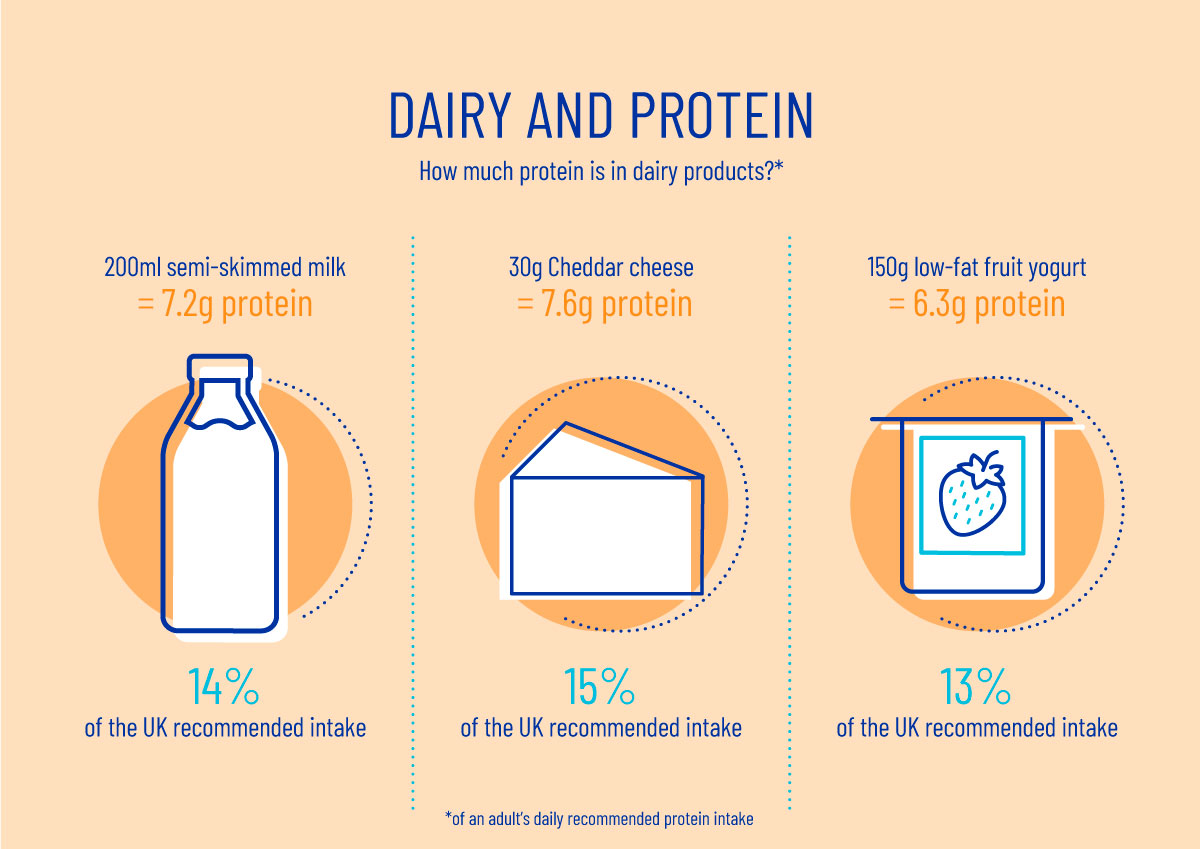
Iraqi cheese, like other dairy products, provides a rich source of high-quality protein, calcium, vitamins D, B12, and minerals essential for bone health and metabolic functions. The nutritional composition varies depending on the milk source and aging process, with goat’s milk cheeses often containing higher levels of certain fatty acids and micronutrients.
However, moderation is advised due to the high saturated fat and salt content, especially in preserved or aged varieties. Contemporary nutritional standards recommend balancing cheese consumption with other nutrient-rich foods to maintain overall health.
Scientific and Cultural References
Research by the Food and Agriculture Organization (FAO) highlights the importance of dairy in Middle Eastern diets, emphasizing traditional practices that have sustained local communities for millennia. Studies also demonstrate that regional cheese varieties like Iraqi cheese contribute to biodiversity and cultural identity, serving as edible icons of regional history.
Sources such as “The History of Cheese” by Paul Kindstedt and works published by the Iraqi Ministry of Agriculture provide detailed insights into the historical evolution and contemporary practices surrounding cheese in Iraq. These references underline the significance of preserving traditional techniques amidst modern industrialization.
Conclusion: The Enduring Legacy of Iraqi Cheese
Mastering the art of making Iraqi cheese involves an appreciation for tradition, patience, and a deep understanding of natural ingredients. It encapsulates centuries of cultural evolution, regional biodiversity, and culinary ingenuity. Whether enjoyed fresh or aged, infused with herbs or spices, Iraqi cheese remains a vital part of the nation’s culinary identity and social fabric.
As the world increasingly values artisanal and traditional foods, Iraqi cheese stands out as a symbol of cultural resilience and gastronomic heritage. Platforms like Free Source Library aim to document and disseminate this knowledge, ensuring that these precious culinary traditions are preserved and appreciated by future generations.