The Profound Intersection of Media and Public Opinion: An In-Depth Analysis for the Digital Age
In contemporary society, the entwined relationship between media and public opinion forms the backbone of political, social, and cultural discourse. The media serve not only as a conduit for storytelling, informing, and entertainment but also as a formidable force that shapes collective perceptions, influences individual attitudes, and molds societal norms. This intricate dance between how information is transmitted and how it is received defines modern public life. As the digital age accelerates, this relationship becomes increasingly complex, punctuated by technological advancements, evolving cultural expectations, and the rise of participatory platforms such as social media. For those seeking a comprehensive understanding of these dynamics, the Free Source Library platform (freesourcelibrary.com) offers invaluable access to resource-rich articles, research papers, and analyses that deepen insights into the ever-changing landscape of media influence.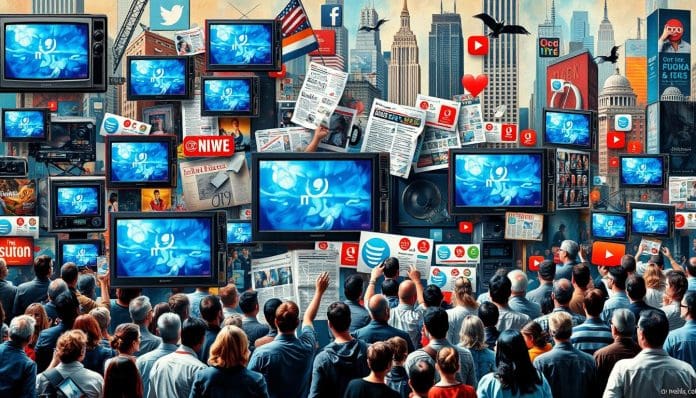

The Multifarious Nature of Modern Media
Traditional Media: The Foundations of Mass Communication
Historically, print media, including newspapers and magazines, established the first robust channels through which societies engaged with information dissemination. Newspapers, with their long-standing tradition dating back centuries, functioned as the watchdogs of democracy, holding institutions accountable and providing citizens with essential information about political developments, economic policies, and social issues. These outlets offered both news and interpretative commentary, influencing public opinion by framing issues in specific ways. Magazines complemented this by catering to niche interests, offering in-depth analysis, cultural critique, and lifestyle coverage, thus diversifying the spectrum of information accessible to the public.
Broadcast media—comprising radio and television—revolutionized mass communication in the 20th century. The visual and auditory dimensions of television, in particular, created what many scholars describe as a “television era,” where images, soundbites, and live reporting became primary tools for shaping perceptions. Politicians and corporations alike recognized the power of broadcast media, leveraging it for political campaigns, product promotion, and cultural influence. Radio, although less visually engaging, maintained its cultural significance through music, talk shows, and localized news, especially in geographically isolated and economically developing regions where television and internet access were limited.
The Digital Revolution: Democratizing Information
The late 20th century heralded a transformative shift with the advent of the internet. The World Wide Web democratized access to information, removing traditional gatekeepers and empowering individual users to produce, share, and curate content. Online news portals, blogs, and independent platforms like HuffPost and Politico challenged the monopoly of legacy media and created new paradigms of journalism. These digital outlets offered faster dissemination, more interactive engagement, and a broader array of perspectives. Importantly, digital media introduced new models of curation—algorithms that personalize news feeds—creating a tailored, though potentially divisive, experience of media consumption.
Social Media’s Disruptive Influence
Platforms such as Facebook, Twitter, Instagram, and YouTube have precipitated a paradigm shift within the media ecosystem. Social media democratizes content creation, allowing ordinary individuals to serve as citizen journalists, critics, and influencers. The immediacy of social media facilitates real-time reporting, grassroots activism, and viral dissemination of information. This interconnectedness fosters a participatory culture, where engagement extends beyond passive consumption to active contribution.
However, the democratization of content creation came with significant challenges. The virality of social media makes it fertile ground for misinformation and disinformation. Fake news spreads rapidly, often blurring the lines between credible information and fabricated narratives. This proliferation erodes public trust and complicates the role of traditional journalism, which faces competition and scrutiny from citizen-generated content, often lacking rigorous verification.
Media’s Role in Shaping and Reflecting Public Opinion
Agenda-Setting Theory and Its Implications
The theory of agenda-setting articulates that the media have the capacity to influence what issues the public perceives as most important. Through prioritization—determining which stories to emphasize, how prominently to feature them, and the frequency of coverage—media outlets can elevate certain topics to the forefront of public consciousness. For instance, sustained media focus on climate change can mobilize public concern and prompt political action.
This process is not merely about highlighting issues but also about shaping perceptions of their significance, often aligning with ideological or economic interests. Consequently, agenda-setting extends the power of media beyond information, affecting policy priorities and societal debates.
Framing and Its Power to Shape Perception
Framing theory delves into how media present stories through specific narratives, language, and imagery—highlighting certain aspects while omitting others. This selective framing influences public interpretation by emphasizing particular angles. For example, portraying immigration primarily as a security threat frames the issue differently than framing it as an economic necessity. The frame not only influences understanding but also emotional responses, often shaping attitudes at subconscious or conscious levels.
Media frames vary depending on cultural context, journalistic norms, ownership interests, and ideological leanings. The approach adopted by outlets can reinforce stereotypes, foster social cohesion, or deepen divisions. Understanding framing’s subtle yet profound influence is key to decoding media’s role in shaping societal narratives.
Priming and Preceding Effects
Priming refers to the process by which repeated exposure to certain media content influences the criteria individuals use to evaluate subsequent information. When audiences are exposed to specific themes, such as crime narratives or economic concerns, these themes become more accessible in their cognitive schema, shaping their judgments and opinions.
For example, during election campaigns, frequent coverage of candidate scandals or policy promises primes voters to evaluate candidates along specific traits, often overshadowing other qualities or issues. This cognitive readiness illustrates the importance of media in setting the standards and dimensions along which public opinion is formed.
Impact of Digital Technologies and Social Media on Public Discourse
The Democratization of Expression and Participation
Digital technologies empower individuals to publish their perspectives directly, bypassing traditional media filters. Citizen journalism, blogs, and social media posts now shape the fabric of public discourse, allowing marginalized voices to be heard and fostering diverse narratives. Movement-building and activism, such as the Arab Spring or Black Lives Matter, exemplify how digital platforms catalyze social change.
Challenges: Misinformation, Echo Chambers, and Polarization
Despite democratization, these platforms face criticism for enabling misinformation spread, often exacerbated by algorithms designed to maximize engagement. Misinformation campaigns—sometimes state-sponsored—undermine democratic processes and public trust. Echo chambers and filter bubbles are phenomena where users primarily see content aligning with their existing beliefs, reinforcing biases and deepening societal divides.
FeatureDescriptionEcho ChambersEnvironments where users are exposed only to information that confirms their pre-existing views, often leading to increased polarization.Filter BubblesPersonalized content feeds that restrict exposure to diverse perspectives, shaping perceptions within ideologically homogeneous communities.
The Role of Algorithms in Polarization
Algorithms curate content based on user behavior, interests, and engagement patterns. While enhancing user experience, these systems inadvertently create feedback loops that prioritize sensational or partisan content, amplifying polarizing narratives and limiting healthy democratic debate. Recognizing and mitigating algorithmic bias forms a critical frontier in safeguarding informed citizenship.
Fostering Critical Media Literacy in the Digital Era
The Imperative for Education and Skill Development
In the face of rampant misinformation, critical media literacy emerges as an essential skill set. It equips individuals to evaluate sources, identify bias, recognize propaganda, and verify information. Schools, community programs, and online platforms must prioritize media literacy curricula and resources. For instance, programs like MediaWise by the Poynter Institute aim to develop critical thinking skills among youth, preparing them for informed participation.
Strategies for Enhancing Media Literacy
- Source Evaluation: Assess the credibility, authorship, and authority of information sources.
- Bias Recognition: Identify ideological, commercial, or political biases influencing content.
- Fact-Checking: Verify claims using reputable fact-checking organizations like FactCheck.org or Snopes.
- Digital Footprint Awareness: Understand how algorithms shape content recommendations.
- Active Engagement: Encourage constructive dialogue and exposure to diverse perspectives.
The Role of Platforms and Policymakers
Platforms like Facebook and Twitter must implement more transparent moderation policies and algorithms designed to promote factual content. Policymakers are increasingly called to regulate misinformation while safeguarding free speech. Initiatives such as the European Union’s Code of Practice on Disinformation exemplify efforts to combat harmful content while respecting democratic freedoms.
Conclusion: Navigating the Future of Media and Public Opinion
The ongoing evolution of media from traditional outlets to the digital and social media ecosystem presents both opportunities and challenges. These technologies democratize information, amplify marginalized voices, and foster active participation. However, they also threaten the integrity of information with proliferation of fake news, misinformation, and ideological bubbles. The ability of individuals to critically evaluate information sources and engage in media literacy that fosters analytical thinking is paramount in ensuring a well-informed citizenry.
Empowering the public through education, responsible platform governance, and policy interventions will be essential to maintaining a healthy, vibrant democratic discourse. As media continues to adapt to rapid technological change, its interplay with public opinion will remain a critical zone requiring continuous study and active stewardship.
References and Further Reading
- McCombs, M., & Shaw, D. L. (1972). The Agenda-Setting Function of Mass Media. Public Opinion Quarterly, 36(2), 176-187.
- Entman, R. M. (1993). Framing: Toward Clarification of a Fractured Paradigm. Journal of Communication, 43(4), 51-58.
For more comprehensive resources on media influence and public opinion, visit freesourcelibrary.com.