Introduction
The animated film “Moana,” produced by Walt Disney Animation Studios and released in 2016, stands as a testament to modern cinematic storytelling’s capacity to blend cultural authenticity, environmental advocacy, and compelling character narratives into a cohesive and profoundly impactful experience. Set against the vibrant and deeply rooted backdrop of Polynesian mythology and tradition, the film chronicles the journey of its titular heroine as she ventures beyond her familiar island home to confront her destiny, explore her cultural heritage, and face challenges that test her bravery, resilience, and sense of purpose. The narrative not only entertains millions worldwide but also serves as a vessel for understanding and appreciating the rich cultural tapestry of the Pacific Islands. This article seeks to explore the many layers that make “Moana” an enduring masterpiece, from its cultural accuracy to its environmental message, character development, animation techniques, musical integration, and societal influence, reflecting why it remains a landmark in animated cinema and cultural representation.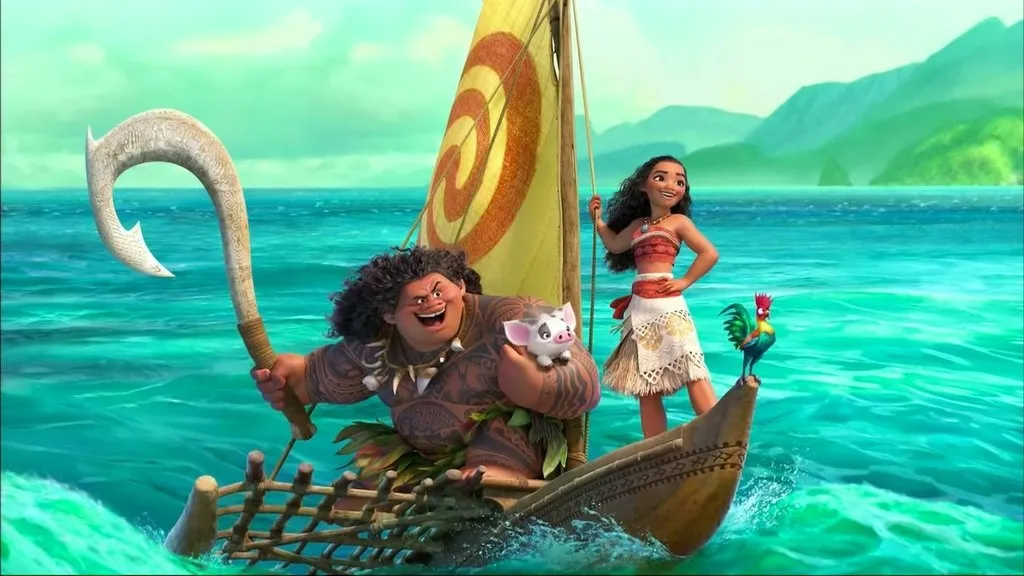

The Setting and Cultural Foundations of “Moana”
Polynesian World: An Authentic Cultural Canvas
At the heart of “Moana” lies an immersive representation of Polynesian culture, an anthropological and artistic tribute created through extensive research, collaborations, and cultural consultation. The Pacific Islands are famed for their complex navigational traditions, spirituality, storytelling, and rich artistic expressions. The film’s visual landscapes—lush tropical forests, pristine beaches, and vibrant coral reefs—are meticulously crafted to mirror the authentic environments that have sustained Polynesian civilizations for centuries.
Disney’s approach to cultural representation was not superficial; they collaborated with experts, linguists, and indigenous communities from the Pacific region to ensure respectful and accurate depictions. This commitment manifests in the costumes, language, rituals, myths, and societal structures portrayed throughout the film. The inclusion of authentic navigation techniques, such as celestial navigation and recalling how Polynesian sailors traversed vast ocean distances with minimal tools, highlights the advanced technological knowledge of ancient Pacific navigators.
Historical Significance of Polynesian Navigation
Long before European explorers charted the Pacific, Polynesian ancestors mastered open-ocean navigation, traveling thousands of miles using stars, ocean currents, wave patterns, and bird behaviors. This mastery of celestial wayfinding exemplifies sophisticated environmental understanding and exemplifies the deep respect and harmony these cultures had with nature. The film’s protagonist, Moana, embodies this tradition as an experienced navigator, illustrating the importance of indigenous knowledge systems.
Core Mythological and Environmental Themes
Maui and Polynesian Mythology
Central to the film’s plot and thematic core is the figure of Maui, a demigod with roots widespread across various Pacific cultures, including Māori, Hawaiian, Tahitian, and Rapa traditions. Maui’s legendary feats—such as lifting the sky, fishing up lands, and shaping humans—are depicted through his magical fishhook, tattoos, and mischievous personality. These elements honor the storytelling heritage of Polynesia, where oral traditions convey moral lessons, history, and cultural identity through mythic figures.
Ecological Balance and Spirituality
The theft of Te Fiti’s heart symbolizes humanity’s disruption of natural harmony. According to Polynesian beliefs, gods and spirits govern the balance of life and environment. The resulting ecological imbalance—manifested through the dying of coral reefs, loss of fish, and environmental decline—serves as an allegory for real-world environmental crises like climate change and habitat destruction. The narrative underscores the intrinsic connection between spiritual reverence, environmental stewardship, and cultural respect, framing them as inseparable components of sustainable living.
The Narrative Arc: Personal Growth, Heroism, and Self-Discovery
Moana’s Journey: Archetypal Elements and Personal Transformation
Structurally, “Moana” follows the classic Hero’s Journey, a universal narrative motif identified by Joseph Campbell. The protagonist begins in her familiar world, receives a call to adventure, faces trials, receives aid from allies, confronts her inner fears, and ultimately emerges transformed. Moana’s voyage is not solely about restoring the heart but also about discovering her true identity and leadership potential.
Her initial resistance to her calling reflects societal expectations and familial duties, especially with her father’s insistence on adhering to traditional roles. Her defiance and pursuit of purpose reveal a deep yearning for independence and truth, resonating with wider cultural themes of self-empowerment and authenticity.
The Role of Maui: A Shapeshifter and Mentor
Beyond his mischievousness, Maui functions as a complex character embodying themes of redemption, humility, and cultural pride. His backstory, filled with pride, regret, and eventual acceptance, resonates as a narrative of personal growth. Through their interactions, Moana and Maui develop a reciprocal relationship, learning from each other’s strengths and vulnerabilities, which ultimately leads to Maui’s contribution to the success of their joint quest.
Animation Techniques and Artistic Representation
Visual Aesthetics and Environmental Realism
Disney’s animation team employed cutting-edge techniques to realistically depict the ocean’s fluidity, marine life diversity, and island landscapes. The seamless integration of water simulation technology allowed for unparalleled realism, capturing the ocean’s unpredictable movements and reflective qualities. The vibrant palette used to portray the coral reefs, flora, fauna, and traditional Polynesian architecture creates an immersive experience that transports viewers into this mythic setting.
Character Design and Cultural Representation
Moana’s character design deliberately challenges stereotypical Disney princess aesthetics. Her physique, attire, and expressions reflect a more accurate and empowering portrayal of Polynesian women, emphasizing strength, resilience, and authenticity. Maui’s tattoos, animated with intricate detail, depict significant mythological deeds, serving as a visual storytelling device that celebrates Polynesian artistry.
Evolution of Animation in “Moana”
Technological advancements, particularly in simulating complex water physics, contributed to creating scenes where the ocean plays an active role, almost as a character itself. The animation of Moana’s hair, expressions, and movements was optimized for emotional nuance, making her relatable and inspiring.
Music and Cultural Fidelity
Soundtrack and Musical Composition
The music, a fusion of traditional Polynesian melodies and contemporary musical styles, was crafted through collaboration between Lin-Manuel Miranda, Opetaia Foa’i, and Mark Mancina. Songs like “How Far I’ll Go” and “We Know the Way” serve not only as narrative devices but also as cultural affirmations, inspiring viewers and reinforcing themes of exploration and identity.
Language and Lyrics
The film incorporates Pacific languages and chants, elevating authenticity and respect for indigenous cultures. Some songs include lyrics in Māori, Tahitian, and Samoan, promoting linguistic diversity and cultural appreciation.
Character Development and Thematic Depth
Empowering Female Leadership
Moana exemplifies the rise of a self-reliant heroine who defies gender stereotypes prevalent in media narratives. She is depicted as a courageous navigator and decision-maker, embodying qualities traditionally reserved for male heroes. Her leadership qualities serve as an empowering message, especially for young girls, emphasizing resilience and agency in the face of adversity.
Family, Community, and Cultural Heritage
The dynamic between Moana and her family reflects universal themes of familial loyalty versus personal ambition. Her father’s protective instincts and her grandmother’s wisdom represent different facets of cultural transmission, emphasizing the importance of respecting tradition while embracing individual growth.
Environmental Message and Contemporary Relevance
Ecology in “Moana”: A Call to Action
The ecological decline depicted in the film serves as a mirror to current environmental issues, urging audiences to consider their role in preserving natural resources. The narrative advocates for sustainable practices, respect for nature, and cultural indigenous knowledge as essential components of environmental resilience.
Resonance with Modern Audiences
By integrating modern environmental themes within a culturally rich story, “Moana” appeals to diverse demographics, fostering a global conversation about ecological responsibility. It exemplifies how storytelling can effectively promote awareness and inspire action toward sustainability.
Societal Impact and Cultural Significance
Representation and Cultural Appropriation
The film’s success has spurred ongoing discussions about cultural representation in media, emphasizing the importance of authentic voices and respectful portrayals. Disney’s engagement with Pacific communities set a precedent for responsible storytelling in animation.
Influence on Popular Culture and Education
“Moana” has become a catalyst for increased visibility of Polynesian cultures in mainstream media, inspiring educational programs, art, and tourism initiatives. The character of Moana herself is now a symbol of empowerment and resilience for audiences worldwide.
Data Table: Comparative Overview of Polynesian Navigation Techniques
| Navigation Method | Technique Description | Historical Significance | Applied in “Moana” |
|---|---|---|---|
| Celestial Navigation | Using stars, sun, and moon positions to determine direction | Primary method used by Polynesian sailors during voyages | Moana’s navigation skills highlighted in her role as a master wayfinder |
| Wave Pattern Recognition | Observing wave behaviors to judge distance and direction | Ancient technique crucial for open-ocean travel | Depicted in the film as part of Moana’s navigation expertise |
| Bird and Marine Life Cues | Following flight patterns of birds and marine animal movements | Used by sailors to locate islands and resources | Subtly illustrated during voyages in the film |
| Environmental Clues | Using ocean currents and cloud formations | Ancient Polynesians possessed deep ecological knowledge | Implied in Moana’s intuitive navigation skills |
Conclusion
“Moana” is more than just an animated adventure; it is a cultural milestone that marries entertainment with education, environmental consciousness, and empowerment. Its meticulous portrayal of Polynesian mythology, dedication to authentic representation, and emphasis on environmental stewardship reflect Disney’s commitment to responsible storytelling. Through Moana’s heroic journey, audiences learn valuable lessons about self-discovery, the importance of cultural identity, and the urgent need to care for our planet’s fragile ecosystems. As a piece of global cinema, “Moana” continues to inspire, educate, and entertain across generations, symbolizing a harmonious blend of storytelling mastery and cultural respect. Its influence extends beyond entertainment, fostering a deeper appreciation for indigenous knowledge, environmental responsibility, and the strength of individual agency—messages as timeless as the ocean itself. For further reading and exploration of related themes, the [Free Source Library](https://freesourcelibrary.com) provides a wealth of resources on cultural studies, environmental science, and animation history, ensuring that this in-depth analysis continues to inform and inspire.